

Fish Feeders price list
Last updated Saturday, Oct 17, 2026





View 8 Offers
Loading...
Last updated Saturday, Oct 17, 2026
Keeping aquarium fish well fed is one of the most important parts of responsible fish care. Yet feeding time can become difficult when you are busy, away from home, or caring for several species with different eating habits. The right fish feeder can make the routine simpler while helping you avoid the two most common problems: underfeeding and overfeeding.
The reference selection includes automatic feeders, vacation food, seaweed clips, magnetic feeding tools, and even a feeder accessory designed for much larger outdoor equipment. That variety matters because “fish feeder” can mean more than one thing. Some products release food on a schedule, while others hold food in place so fish can graze naturally.
ZoneOffer is a comparison site, not a store. The prices discussed below are the listed prices in the supplied comparison data, and availability or other purchasing details may change. Use this guide to compare the products and decide which feeding style best suits your aquarium.
Before choosing a model, think about how your fish eat. Do they consume flakes or pellets at set times? Do they prefer vegetables or seaweed? Are you looking for help during a short trip, or do you want a feeder for everyday automation?
Automatic dispensers are designed for scheduled feeding. Vacation pyramids release food gradually over several days, while clips, rings, and pouches hold food in a particular area of the tank. It is a little like choosing between a timed kitchen appliance and a serving dish: both help with meals, but they solve different problems.
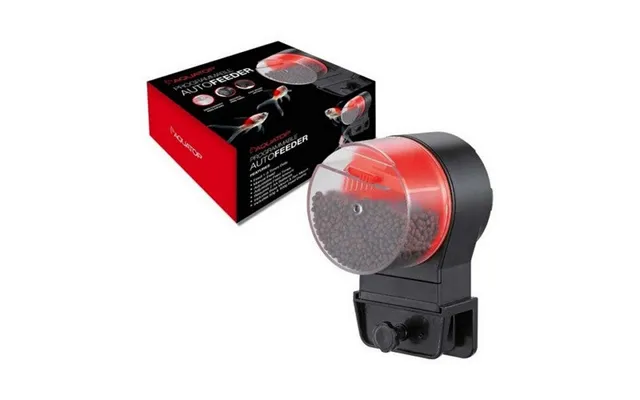
The Aquatop Programmable Everyday Automatic Fish Feeder is listed as a black feeder offering between one and three feedings per day. Its programmable format may suit aquarium owners who want a regular routine without manually adding food at every meal.
The listed price for the Aquatop model is $34.82. The supplied product information does not provide additional details about capacity, power source, programming duration, or mounting method, so those features should be confirmed before purchase.
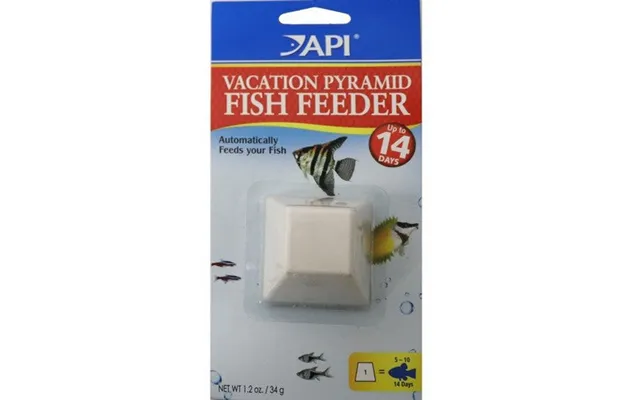
The API 14 Day Vacation Pyramid Fish Feeder is made for temporary absences. The reference data states that one pyramid feeds 15 to 20 average-sized fish in a 10-gallon aquarium for up to 14 days. It also says that the food releases slowly as the pyramid dissolves.
The listed price is $3.48. The feeder is described as suitable for tropical, coldwater, and marine aquarium fish, with ingredients that include items such as algae, shrimp, and worms. The information also states that it should be used exclusively in filtered and aerated aquariums with properly circulated water.
The API pyramid is especially notable because its feeding period is clearly stated. Rather than relying on a timer, it gradually dissolves and releases food after a few hours. That can be useful when you want a simple vacation-feeding option without programming a device.
However, the aquarium setup matters. According to the reference information, the pyramid dissolves only where water is properly circulated. It should therefore be used in a filtered and aerated aquarium. A quick test before leaving can help you see how the food behaves in your own tank.
The product description also mentions that one pyramid is intended for 15 to 20 average-sized fish in a 10-gallon aquarium for up to 14 days. Your fish population, size, and feeding habits may differ, so treat those figures as the stated product guidance rather than a universal rule.
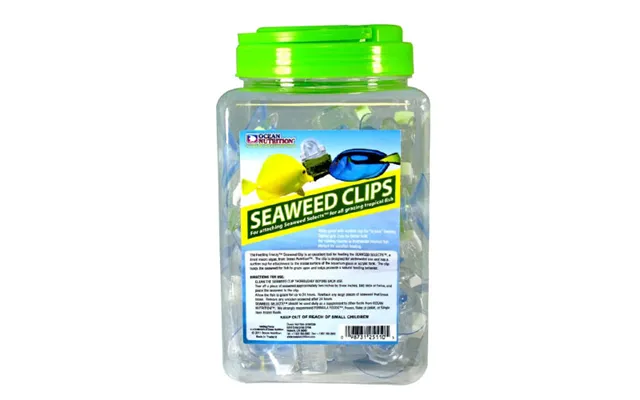
The Ocean Nutrition Nutrition Feeding Frenzy Seaweed Clips offer a different approach from automatic pellet dispensers. The clear clip attaches underwater to the inside surface of a glass or acrylic aquarium using a suction cup. It is designed to hold seaweed so fish can graze.
The product is listed as one 36-pack, with a price of $64.58. The reference description says the clip has a stronger grip and a longer gripping surface than similar clips used in the aquarium industry. It also describes the clip as suitable for daily seaweed supplementation alongside other foods.
The supplied instructions recommend cleaning the clip before each use. You then tear off a piece of seaweed approximately 2 inches by 3 inches, fold it once or twice, and place it in the clip. Fish can graze for up to 24 hours.
Large pieces that break loose should be reattached, while uneaten seaweed should be removed after 24 hours. This routine keeps the feeding area easier to monitor. The description also recommends using seaweed selects as a supplement to other food types, including formula foods, frozen foods, flakes, pellets, or single-item frozen foods.
Two Little Fishies appears several times in the comparison data with tools designed to position food inside an aquarium. These products can be useful when you want feeding to happen in a specific place rather than allowing food to drift around the tank.
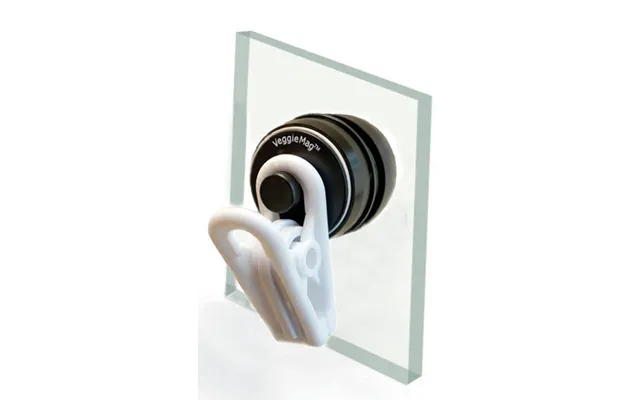
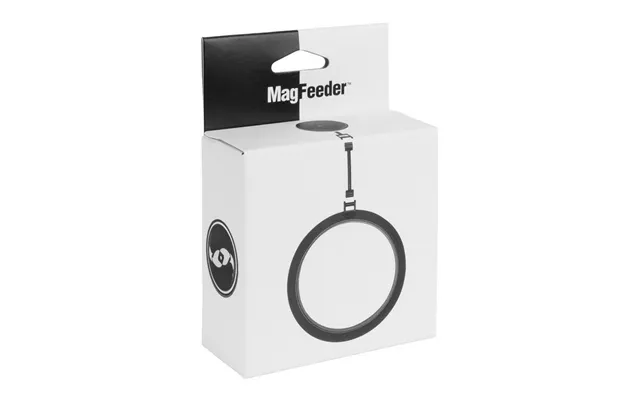
The Veggiemag Magnetic Feeding Clip is listed in white, clear, and black, with a listed price of $25.87. The Magfeeder Magnetic Feeding Ring is listed in black at the same price of $25.87. The supplied descriptions do not provide detailed operating instructions, so shoppers should compare the product format and confirm compatibility with their aquarium setup.
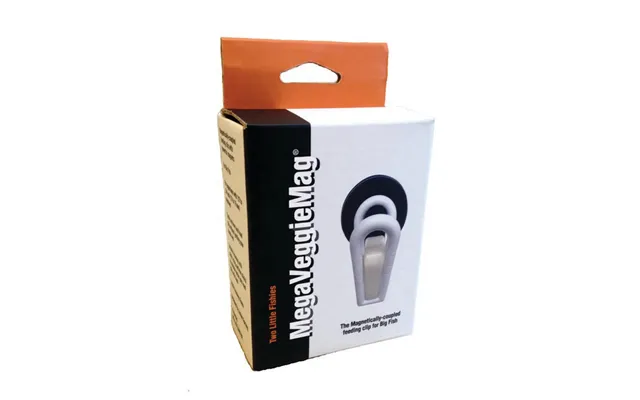
The Two Little Fishies Megaveggiemag Magnetically Coupled Feeding Clip is listed in black and white. Its listed price is $55.08. As its name suggests, it uses magnetic coupling to hold the feeding clip in place.
A magnetic clip can be appealing when you want a tidy feeding point without placing your hands deep inside the aquarium. It may also help you keep vegetables or other suitable foods from floating freely around the tank. Since the reference data does not specify tank thickness or magnetic strength, those details should be checked before selecting it.
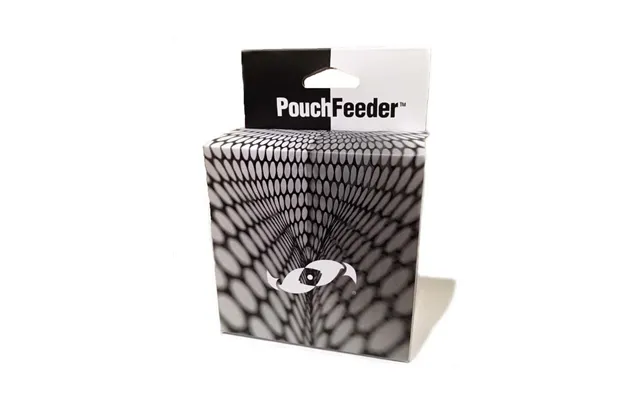
The Two Little Fishies Pouchfeeder is listed in black at $25.87. The reference data identifies it as a feeding accessory but does not include expanded instructions, dimensions, or a detailed description of the pouch design.
This product may be worth comparing with clips and rings if you prefer a contained feeding format. Still, because specific use details are not provided, review the current product information carefully before deciding whether it suits your fish, food type, and aquarium layout.
Looking only at the listed prices, the API vacation pyramid is the lowest-priced aquarium feeding product in the reference data at $3.48. The Two Little Fishies Veggiemag, Magfeeder, and Pouchfeeder are each listed at $25.87. The Aquatop programmable feeder is listed at $34.82.
The Two Little Fishies Megaveggiemag is listed at $55.08, while the Ocean Nutrition Seaweed Clips are listed at $64.58 for a 36-pack. These prices are comparison figures, not stated discounts. The supplied data does not include regular prices for comparison, so no savings claim can be made.
Price is only one part of the decision. A vacation feeder, an automatic timer, and a seaweed clip are not interchangeable. Choosing the cheapest item may be like buying a raincoat when you really need an umbrella: the general purpose is similar, but the way it solves the problem is different.
Start by deciding how often your fish need food. The Aquatop model is listed for one to three feedings per day, making it the clearest option in this selection for a repeating daily schedule. The API pyramid, by contrast, is described around extended feeding while you are away.
If you want consistent timing every day, a programmable model may be the better direction. If you are preparing for a trip, a slow-release product may be more convenient. For fish that graze on seaweed, a clip could be the more natural fit.
Food compatibility is another key question. The API pyramid contains food pellets and is described for tropical, coldwater, and marine aquarium fish. The Ocean Nutrition clip is intended for seaweed, while the magnetic products are presented as feeding clips, rings, or pouches without detailed food specifications in the supplied data.
Do not assume every feeder handles every food. Flakes, pellets, seaweed, frozen foods, and vegetables behave differently in water. Match the feeder to the food you actually plan to use.
Tank conditions can affect performance. The API description specifically says the aquarium should be filtered and aerated, with properly circulated water. The Ocean Nutrition clip attaches to glass or acrylic using a suction cup. Magnetic products may depend on the aquarium wall and the strength of their magnetic connection.
Before buying, consider the material and thickness of your aquarium, the location of your filter flow, and the space available for feeding. A product that works perfectly in one tank may be awkward in another if it cannot attach securely or if food is carried away by strong current.
Test any feeder before relying on it during a trip. Watch how the food moves, how quickly fish consume it, and whether the feeder stays in place. This small trial run can reveal problems while you are still home to fix them.
Keep feeding areas clean. The Ocean Nutrition instructions specifically recommend cleaning the clip before each use and removing uneaten seaweed after 24 hours. Similar attention to leftover food is sensible for other feeding systems, although the supplied data does not provide product-specific cleaning instructions for them.
Avoid treating an automatic feeder as a replacement for observation. You still need to watch your fish, check the tank, and make sure the feeding system is behaving as expected. Automation is a helpful assistant, not a complete caretaker.
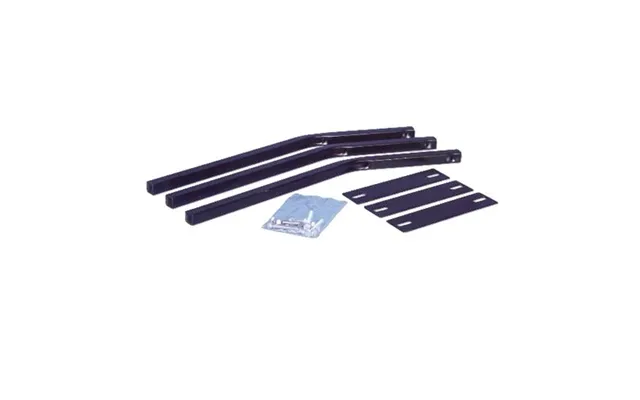
One product in the data is not intended for a typical aquarium. The American Hunter AH-LA55 Leg Adapter Kit is designed for a 350-pound feeder and is described as a set of three 7/8-inch square tube legs bent for mounting to a 55-gallon drum.
The listed price is $25.12. The reference data states that the set holds up to 400 pounds per set of three adapters, includes a back plate and bolts, and has dimensions of 24 by 6 by 1 inches. It is listed at a weight of 5.7 pounds, with a 90-day warranty stated in the supplied description.
This is an accessory for large feeder equipment rather than a household aquarium food dispenser. Its inclusion shows why reading the full product description matters. A search for “fish feeder” can return products for different environments, so always confirm the intended use before purchasing.
For a programmed everyday schedule, compare the Aquatop Programmable Everyday Automatic Fish Feeder. It is listed for one to three feedings per day, although the reference data does not specify its capacity or power details.
For feeding during an absence, consider the API 14 Day Vacation Pyramid. Its stated feeding duration is up to 14 days, and its use depends on filtered, aerated, properly circulated water.
For seaweed grazing, the Ocean Nutrition Feeding Frenzy Seaweed Clip offers an underwater suction-cup design for glass or acrylic aquariums. For magnetic feeding arrangements, compare the Veggiemag, Magfeeder, Megaveggiemag, and Pouchfeeder products from Two Little Fishies.
For outdoor feeder hardware, the American Hunter leg adapter kit belongs in a separate category from aquarium feeders. It should be evaluated according to the large feeder and drum specifications in its description.
The best fish feeder is the one that matches your aquarium, food, schedule, and level of hands-on care. A programmable feeder can support daily consistency, a vacation pyramid can provide slow-release feeding while you are away, and a clip or ring can keep grazing foods in one place. Compare the listed features carefully, test your choice before depending on it, and remember that ZoneOffer helps you compare products rather than selling them directly.