




Bunion Care Supplies
Loading...
Loading...
Bunions can make ordinary routines feel surprisingly difficult. A short walk, a long day on your feet, or a favorite pair of shoes may suddenly bring attention to pressure around the big toe joint. The right bunion care supplies can help you manage that discomfort by creating cushioning, reducing rubbing, or encouraging a more comfortable fit.
This guide focuses on the types of products commonly considered for bunion care, including pads, guards, splints, toe separators, and supportive footwear. It also highlights the listed Visco-gel Little Toe Bunion Guard, a product available for comparison through ZoneOffer. ZoneOffer is a comparison site, not a store, so product information should always be checked against the current offer details before making a purchase decision.
A bunion is a visible change around a toe joint that can create pressure, tenderness, or friction. Many people notice a bump near the base of the big toe, while others may experience discomfort from the way footwear presses against the side of the foot. Smaller bunion-like areas can also affect the little toe, often where the outer edge of the shoe makes contact.
Because feet differ from person to person, the best approach is not always the same. One person may prefer a soft gel guard, while another may benefit from a wider shoe, a separator, or professional guidance. Think of bunion care as adjusting the environment around your foot rather than searching for one universal solution.
Bunion care supplies are designed to address common sources of discomfort. A cushion may act like a protective buffer between the skin and footwear. A separator may create space between toes. A splint may provide a structured feeling of support. Supportive footwear can reduce crowding and give the foot more room to move naturally.
These products do not all work in the same way, and comfort can be highly personal. A product that feels helpful to one wearer may feel irritating to another. That is why fit, material, placement, and the amount of time you wear an item all matter.
Soft guards and pads are often chosen when rubbing or direct contact is the main concern. They can provide a layer between the sensitive area and the inside of a shoe. The goal is simple: make each step feel less like the foot is meeting a hard edge.
When considering a cushion, look for a design that sits comfortably without making the shoe feel tight. Additional thickness can sometimes create more pressure if the footwear already fits closely. A good fit should feel protective, not cramped.
Toe separators and splints are generally considered by people who want to encourage more space or support around the toes. These items may feel unusual at first, especially if you are not used to wearing anything between your toes. Starting gradually can make it easier to judge whether the design suits you.
Comfort should remain the priority. If an item causes increasing pain, numbness, skin irritation, or a change in color, stop using it and consider speaking with a qualified healthcare professional.
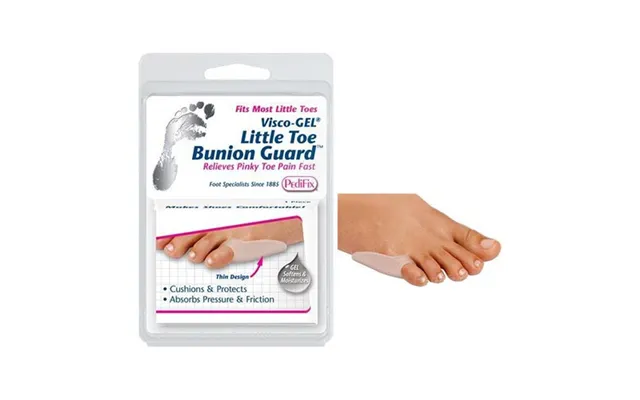
The reference listing includes the Visco-gel Little Toe Bunion Guard. Its description identifies it as a visco-gel guard for a little toe bunion. The listed brand field is FOTP46S-Each, and the offer appears under the store name alldiabetic.
The listed price is $10.24. The reference data does not provide a separate regular price, discount, rating, shipping detail, availability statement, or product size information. For that reason, those details should not be assumed. Check the current comparison listing for the latest information before deciding whether the product meets your needs.
As a little toe bunion guard, this product is intended for an area on the outer side of the foot rather than the more familiar big toe region. The visco-gel description suggests a soft guard-style format, but the reference data does not specify its exact dimensions, thickness, fit range, cleaning instructions, or wearing schedule.
Before using any guard, consider how it will fit inside your usual footwear. A protective item may be useful only when it leaves enough room for the foot and does not create new pressure. If your shoes already feel snug around the little toe, pairing them with an additional layer could require extra care.
When comparing bunion guards, start with the location of your discomfort. Is the pressure around the big toe, the little toe, or another area? A product designed for one part of the foot may not suit another. Matching the product type to the problem is like choosing the right key for a lock: the general category is not enough on its own.
Next, consider the material and shape. Gel-style products are commonly selected for cushioning, while fabric or foam designs may offer a different feel. The reference data confirms that the featured product is described as visco-gel, but it does not provide a complete material specification beyond that description.
Fit matters as much as the product itself. A guard that shifts during walking may rub instead of protect. A guard that is too bulky may make a shoe feel tighter. Try to evaluate the item with the footwear you normally wear, while paying attention to pressure points and movement.
Never assume that a product will fit every foot or every shoe. Product pages may provide additional details, but the supplied reference data does not include measurements or a sizing chart for the Visco-gel Little Toe Bunion Guard.
A simple product is more likely to become part of a consistent routine. Consider whether you can position it easily, whether it stays in place, and whether it feels comfortable during normal activity. If you have to adjust it repeatedly, it may not be the right option for your daily needs.
Because the reference data does not include care or cleaning instructions, follow the directions shown on the current product listing or packaging. Avoid inventing a cleaning method when the manufacturer’s guidance is not available.
The category includes several product types, each with a different purpose. Bunion pads may cushion a prominent area. Toe separators may create space between neighboring toes. Splints may offer a more structured design. Shoe inserts can focus on general foot comfort, while supportive footwear may reduce crowding by providing a roomier shape.
These options are not interchangeable. A pad is not the same as a splint, and a toe separator is not the same as a shoe insert. Ask yourself what is bothering you most: rubbing, pressure, crowding, or general fatigue? That question can help narrow your search.
Bunion pads are commonly used as a soft barrier between the foot and footwear. They may be considered when friction is the main source of discomfort. Their success depends on placement, shape, and how well they stay in position during movement.
Look for a pad that does not bunch up or create a new ridge beneath the skin. Even a soft material can become uncomfortable if it folds or moves. Inspect your skin regularly, especially when trying a new product.
Toe separators are designed to sit between toes and may be considered when crowding is a concern. Some people use them during rest, while others look for designs intended for use inside footwear. The appropriate choice depends on comfort and the product’s stated instructions.
Do not force the toes into a position that feels painful. Gentle support should not mean ignoring warning signs from your feet.
Splints and braces generally provide a more structured approach than soft pads. They may feel supportive, but they can also require more careful fitting. A poorly positioned brace may increase pressure or restrict comfortable movement.
If you are considering a structured device because of significant pain or a noticeable change in foot function, professional advice may help you choose safely. Product descriptions alone cannot assess the cause of your symptoms.
Footwear can influence how much pressure reaches a sensitive area. Shoes that crowd the toes may make discomfort more noticeable, while a roomier toe area may feel more accommodating. The best choice depends on your foot shape, activity, and the design of the shoe.
When trying shoes, walk around rather than judging them while seated. Pay attention to the outer edge of the foot, the little toe, and any area where the upper material presses against the skin. Your feet are giving you useful feedback; listen before a short test becomes a long day of irritation.
A shoe should allow the toes to rest without being squeezed together. If you plan to wear a bunion guard, remember that the guard also occupies space. The combination of the product and shoe should feel comfortable, not compressed.
It can be helpful to compare footwear at different times of day, since feet may feel different after standing or walking. The reference data does not identify any specific footwear brands or models, so this guide does not recommend a particular shoe.
The product you choose for a quiet day may not be the same one you prefer for extended walking. Think about your routine. Do you spend much of the day standing, or do you mainly need comfort while relaxing? Matching the product to the activity can make your care routine more practical.
Begin cautiously with any unfamiliar item. Short, comfortable use can help you determine whether the product supports your routine without causing irritation.
Foot care products should not hide worsening symptoms. Check the skin for redness, blisters, chafing, or sore areas. Pay attention to sensations such as tingling, numbness, or burning. These signs may indicate that the product or footwear is not fitting properly.
People with diabetes, reduced sensation, circulation concerns, or existing foot wounds should take particular care and seek professional guidance before using a new foot-care device. When sensation is reduced, discomfort may not provide an early warning that pressure is building.
Consider medical advice if pain is persistent, movement becomes difficult, the area becomes increasingly swollen, or the skin breaks. A healthcare professional can help determine whether the issue is a bunion, a little toe bunion, another foot condition, or a problem requiring different care.
Professional guidance is also sensible when over-the-counter supplies do not improve comfort or when you are unsure how to use a brace, splint, or separator. A product can support comfort, but it cannot replace an assessment of the underlying problem.
Shopping for foot-care supplies can feel confusing because product names may sound similar while the designs differ. Comparison information helps you review the details in one place, but it is still important to read the current listing carefully.
For the featured Visco-gel Little Toe Bunion Guard, the available reference details identify the product title, its little toe bunion guard description, the store name alldiabetic, the brand field FOTP46S-Each, and a listed price of $10.24. Other information should be verified rather than assumed.
ZoneOffer helps users compare product information. It is not the seller, does not represent itself as a store, and should not be treated as the source of fulfillment or product-use instructions. Always review the relevant offer details before making a purchase.
A practical routine does not need to be complicated. Start by identifying the main source of discomfort. Then check your footwear, consider whether a cushion or guard could reduce rubbing, and monitor how your feet respond. Small adjustments can be more useful than buying several products at once.
You might begin by wearing a suitable product for a limited period while staying alert to skin changes. If it feels comfortable, you can follow the product’s instructions for continued use. If it feels painful or unstable, remove it and reassess the fit.
Everyone’s feet respond differently, so a simple note can be useful. Record which shoes feel comfortable, when discomfort appears, and whether a guard or pad changes the experience. This turns guesswork into a clearer pattern.
Over time, you may discover that footwear changes matter more than an accessory, or that a soft guard helps only for certain activities. The goal is not to collect products; it is to find a comfortable, sensible approach.
Bunion care supplies can offer practical support when pressure, rubbing, or toe crowding affects your day. Pads, guards, separators, splints, and suitable footwear each serve different purposes, so choosing the right type begins with understanding where and when discomfort occurs. The reference listing features the Visco-gel Little Toe Bunion Guard at $10.24 through the alldiabetic offer, but fit and current listing details should be checked before purchase. Use products carefully, monitor your skin, and seek professional advice when symptoms persist or become more serious.