
Oxygen Tanks price list
Last updated Thursday, Sep 24, 2026
| Oxygen Tanks | Price |
|---|---|
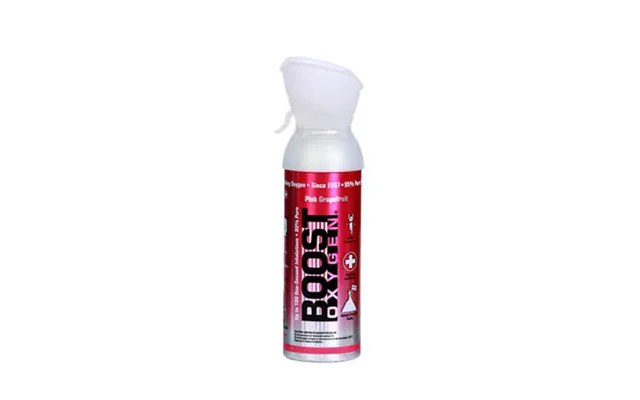
| Boost Oxygen - Boost Oxygen All New Supplemental Pink Grapefruit | $7.97 |
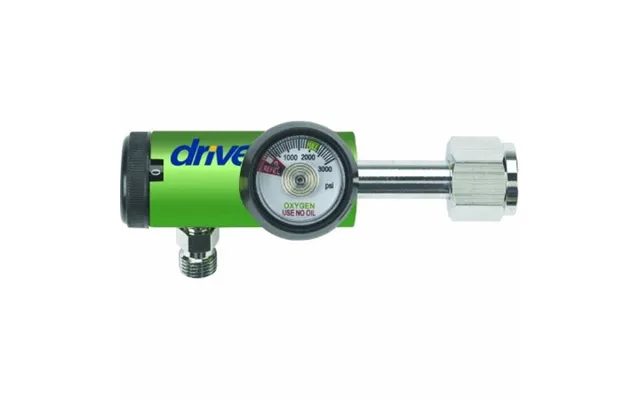
| Drive Medical - Oxygen Regulator | $18.74 |




View 14 Offers


Loading...
Last updated Thursday, Sep 24, 2026
| Oxygen Tanks | Price |
|---|---|
| Boost Oxygen - Boost Oxygen All New Supplemental Pink Grapefruit | $7.97 |
| Drive Medical - Oxygen Regulator | $18.74 |
Choosing oxygen equipment can feel a little like assembling a puzzle. The tank or oxygen source is only one piece. Tubing, connectors, regulators, water tanks, containers, and oxygen delivery accessories may also play a role in a respiratory care setup. The right combination depends on the equipment being used and the guidance provided by a qualified healthcare professional.
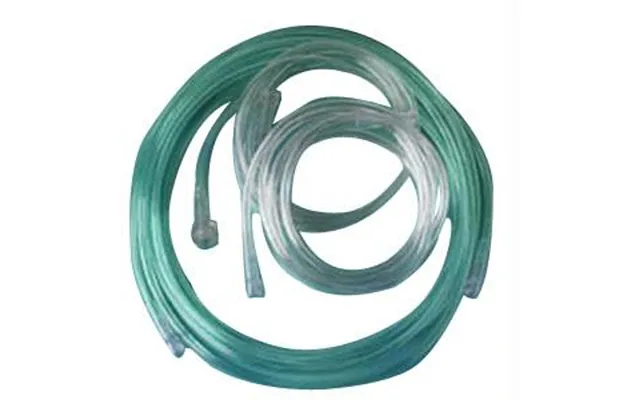
In the reference listings, you will find several respiratory care accessories rather than only traditional oxygen tanks. These include oxygen tubing, an oxygen catheter, an oxygen regulator, a metered-dose inhaler adapter, a water tank, a disposable container with patient tubing, and a portable supplemental oxygen product. Looking at these products together can help you understand the wider equipment category and compare options more carefully.
Before choosing any respiratory product, start with compatibility. A connector that looks suitable may not work with your existing device, tubing, or regulator. Check the equipment instructions, product specifications, and professional recommendations before purchasing. This simple step can prevent the frustration of ordering an accessory that cannot be used safely.
You should also consider how the product fits into your routine. Is it intended for a home setup, a portable arrangement, or a specific respiratory device? A six-foot tube may be useful when extra reach is needed, while a shorter six-inch tubing piece may suit a compact connection. The best option is not always the largest or most feature-rich product; it is the one that matches your actual setup.
Several Teleflex listings reference connections designed around a 22-millimeter standard. Because the supplied data identifies this specification in metric terms, shoppers should verify the exact connection requirements rather than relying on appearance alone. If your equipment documentation uses a different standard, ask a qualified professional or supplier to confirm compatibility.
The reference data includes both tubing components and a disposable container with six-foot patient tubing. These products serve different purposes. A disposable item is generally selected for a particular use cycle, while tubing may be part of an ongoing setup. Follow the manufacturer’s instructions for cleaning, replacement, and safe handling.
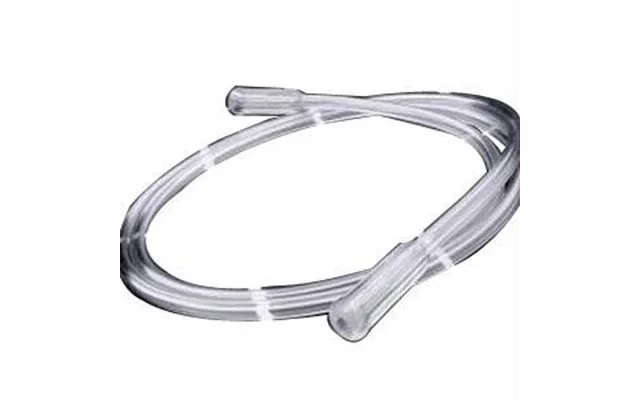
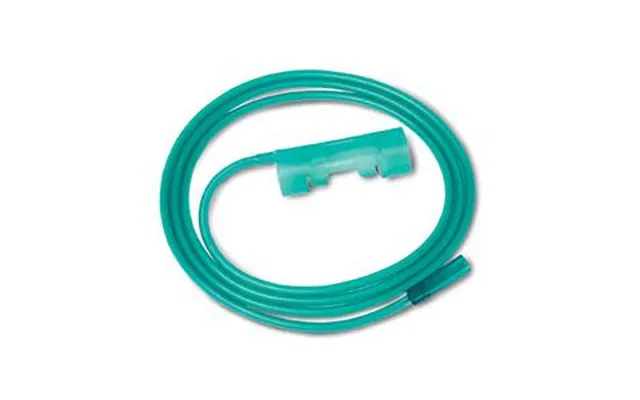
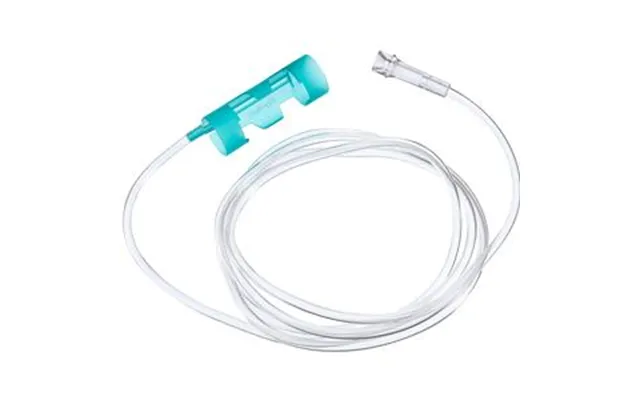
The Teleflex Corr-a-flextubing listings provide two lengths for shoppers to compare. The six-foot version is described as Corr-a-flex tubing with cuttable cuffs and is listed at $1.80 through alldiabetic. The shorter option is a six-inch piece and is listed at $0.40 through the same store. Both listings identify the brand reference as Teleflex, with product codes 921518-Each and 921510-Each respectively.
Length can make a meaningful difference in everyday use. Think of tubing as the path between two points: too short, and it may restrict placement; too long, and it can become awkward to manage. The six-foot option may provide more reach, while the six-inch piece may be better suited to a compact connection. However, product length alone does not confirm that either option is appropriate for your device.
The longer listing also mentions cuttable cuffs. That detail may interest shoppers who need a flexible tubing component, but cutting or modifying respiratory equipment should only be done when the manufacturer’s instructions allow it. If you are uncertain, professional advice is the safest route.
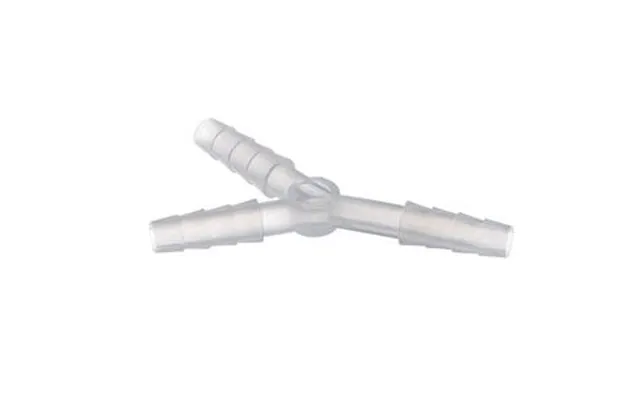
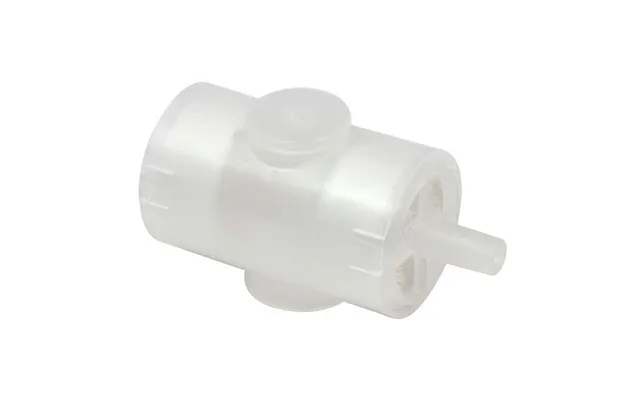
The Teleflex MDI Adapter is described as a metered-dose inhaler adapter with standard connections. It is listed at $2.70 through alldiabetic under product code 921659-Each. This type of adapter is intended to support a connection between an inhaler and compatible respiratory equipment, but the listing alone does not establish universal compatibility.
Adapters are small, but they are not insignificant. A tiny connector can determine whether two pieces of equipment work together smoothly. Before ordering, compare the adapter specifications with your inhaler, tubing, and respiratory device instructions. If the setup involves prescribed medication, follow the directions given by your clinician or pharmacist rather than improvising a connection.
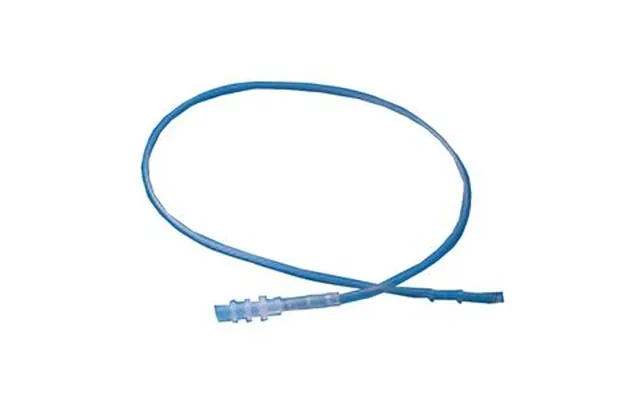
The 14 French AirLife oxygen catheter is listed at $2.32 through alldiabetic, with a regular price of $3.27 shown in the reference data. The product code is 55K20-Each. Since this is a patient-use respiratory accessory, selection and use should be guided by a healthcare professional.
Catheter sizing is not something to guess. The correct choice can depend on the intended application, the patient, and the device used with it. If you are comparing this product, review the size information carefully and confirm that it matches the instructions provided for your care. A low listed price is helpful for comparison, but suitability and safe use come first.
The Drive Medical Oxygen Regulator is listed at $18.74 through herbsdaily. The supplied description identifies a protective contents gauge, a built-in suction relief valve, a single selector knob, and a lightweight, durable design. It also states an inlet pressure range of 300 to 3,000 PSI and an outlet pressure of 50 PSI, along with UL approval.
A regulator controls how oxygen is delivered from a compatible source, making it one of the most important parts of a setup. You can think of it as the traffic controller between the source and the user: it helps manage flow rather than simply allowing unrestricted passage. Because pressure specifications matter, do not connect a regulator without confirming that it matches the oxygen source and the intended equipment.
The product description highlights a protective contents gauge. A gauge can help users monitor the contents of a compatible oxygen source, but the listing does not provide a specific gauge scale or operating instructions. Read the manufacturer’s directions carefully and seek professional guidance if you are unfamiliar with regulator settings or pressure ratings.
The Drive Medical regulator is described as having a single selector knob. A simple control may be convenient, but it still needs to be used exactly as directed. Never assume that a selector position corresponds to a particular flow rate unless the product documentation confirms it. Respiratory equipment is not the place for trial and error.
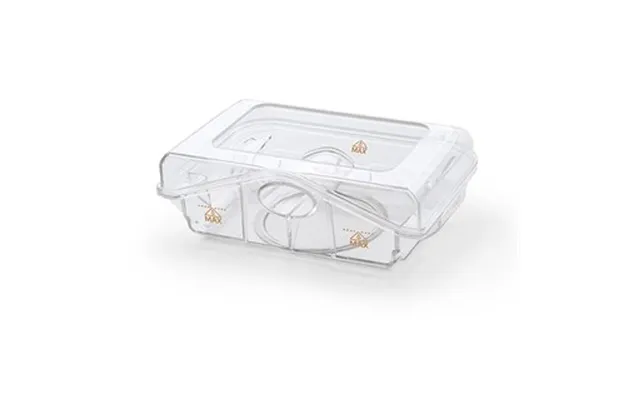
The DreamStation Water Tank is listed at $28.65 through alldiabetic under product code RE1122520-Each. The reference data gives the product name but does not provide additional specifications, compatibility details, capacity information, or usage instructions.
When comparing a replacement water tank, the device name is an important starting point, but it should not be the only check. Confirm the exact DreamStation model and review the manufacturer’s instructions before ordering. Water tanks are designed for specific equipment, so a similar-looking replacement may not be the correct one.
Maintenance is also important for any water-containing respiratory accessory. Follow the cleaning and replacement instructions supplied with the device. If the tank develops cracks, leaks, unusual residue, or other visible damage, stop using it until the issue has been assessed according to the manufacturer’s guidance.
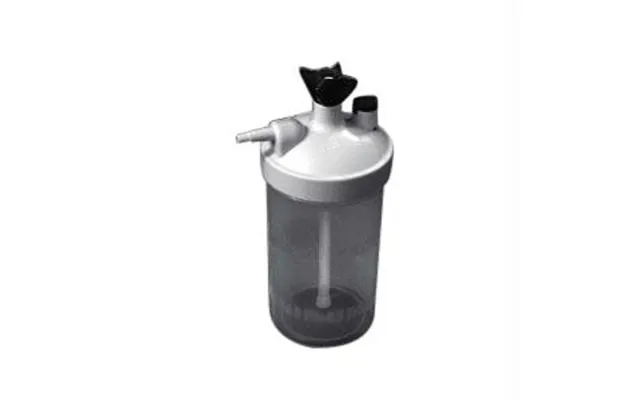
The disposable container listing includes six-foot patient tubing and an 800-milliliter capacity. It is described as assembled and is listed at $18.83 through alldiabetic under product code DV7305D63325-Each.
This option may appeal to shoppers who want an assembled component rather than separate pieces. The included tubing can simplify setup, while the stated capacity helps distinguish it from smaller or larger containers. Even so, shoppers should verify that the container is intended for their equipment and patient-care application before purchase.
Because the product is described as disposable, follow the usage limits and replacement instructions provided with it. Do not treat a disposable component as a permanent substitute for reusable equipment. Proper handling helps keep the setup organized and reduces the risk of using a product beyond its intended purpose.
Boost Oxygen All New Supplemental Pink Grapefruit is listed as a three-liter product at $7.97 through herbsdaily. The reference description presents it as portable, lightweight, recyclable, and available without a prescription. It also identifies the product as pink grapefruit flavored.
The listing describes this product as supplemental oxygen and mentions uses such as altitude, athletic exertion, fatigue, and hangovers. Those statements come from the supplied product description, but they should not replace medical advice. Anyone experiencing breathing difficulty, persistent fatigue, confusion, or other concerning symptoms should seek appropriate medical attention rather than relying on a consumer oxygen product.
Portable oxygen products are not the same as prescribed oxygen systems or traditional oxygen tanks. They may serve different purposes and have different usage instructions. Read the label carefully, follow the stated directions, and avoid assuming that a small portable canister provides the same function as clinical oxygen equipment.
The reference data provides several prices that can help you create a quick comparison. The Teleflex six-inch tubing piece is listed at $0.40, the 14 French AirLife oxygen catheter at $2.32, and the Teleflex six-foot tubing at $1.80. The Teleflex MDI adapter is listed at $2.70, while the Drive Medical regulator is listed at $18.74.
The DreamStation Water Tank is listed at $28.65, the disposable container with six-foot patient tubing at $18.83, and the three-liter Boost Oxygen product at $7.97. The 14 French AirLife catheter also shows a regular price of $3.27, giving shoppers a reference point for that listing. These figures are the prices supplied in the reference data and should be checked on the comparison page before making a decision.
Price is only one part of the picture. Compatibility, intended use, product type, and professional recommendations are just as important. A low-cost accessory that does not fit your equipment is like buying a key for the wrong lock: inexpensive, perhaps, but not useful.
Oxygen supports combustion, so safe handling matters. Keep oxygen equipment away from flames, smoking materials, sparks, and other ignition sources. Do not use products near heat unless the manufacturer specifically permits it. Store and handle equipment according to the instructions supplied with the product or prescribed setup.
Do not alter tubing, regulators, containers, or connectors unless the manufacturer’s instructions specifically allow the adjustment. Avoid forcing connections together, and never use damaged equipment. Cracks, leaks, loose fittings, or unusual odors deserve attention before the equipment is used again.
It is also wise to keep product instructions accessible. Respiratory equipment can include pressure settings, connection standards, cleaning requirements, and replacement schedules. If any instruction is unclear, contact a qualified healthcare professional or consult the product manufacturer’s documentation.
ZoneOffer is a comparison site, not a store. Its role is to help shoppers review products and listed offers in one place. The reference data shows products from alldiabetic and herbsdaily, including the brands and product codes supplied for each listing.
When using a comparison site, begin by narrowing your needs. Are you looking for tubing, a regulator, an adapter, a catheter, a water tank, a disposable container, or portable supplemental oxygen? Once you identify the product category, compare the listed specifications and price. Then verify the details on the relevant seller’s page before purchasing.
Remember that the reference data does not establish every detail about availability, shipping, warranties, or suitability. Treat the listed information as a starting point for research. Careful comparison is especially important when a product is part of a respiratory care system.
The oxygen equipment category includes much more than tanks alone. The supplied listings cover Teleflex tubing and an MDI adapter, an AirLife oxygen catheter, a Drive Medical regulator, a DreamStation water tank, a disposable container with patient tubing, and a portable Boost Oxygen product. By checking compatibility, reviewing specifications, following safety guidance, and comparing prices thoughtfully, you can make a more informed choice. Use ZoneOffer as a convenient comparison resource, then confirm the final product details and suitability before buying.