

Medical Alarm Systems price list
Last updated Saturday, Oct 17, 2026
| Medical Alarm Systems | Price |
|---|---|
| Skil-care - Chair Alarm System Econo 2-1 5 X 5-4 5 Inch Blue | $21.71 |
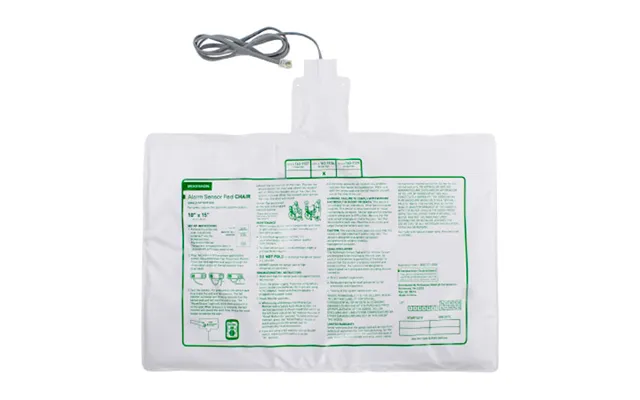
| Sunmark - Mckesson Chair Alarm Sensor Pad 10 X 15 Inch | $23.51 |




View 11 Offers
Loading...
Last updated Saturday, Oct 17, 2026
| Medical Alarm Systems | Price |
|---|---|
| Skil-care - Chair Alarm System Econo 2-1 5 X 5-4 5 Inch Blue | $21.71 |
| Sunmark - Mckesson Chair Alarm Sensor Pad 10 X 15 Inch | $23.51 |
Choosing the right medical alarm system can make everyday care feel more organized and responsive. Whether you are monitoring someone in bed, helping a resident use a chair safely, or looking for a simple way to signal movement, the products in this comparison offer several practical approaches. Some use pressure-sensitive pads, while others rely on a pull cord attached to clothing.
ZoneOffer is a comparison site, so it does not sell these products directly. Instead, it helps you review listed products, brands, prices, pack counts, and features in one place. The reference listings shown here are associated with Herbsdaily and include products from McKesson, Drive Medical, Sunmark, and Skil-Care.
A medical alarm system is designed to alert a caregiver when a person gets up, moves away from a monitored position, or activates a cord. Think of it as a quiet lookout: it watches for a change and produces an audible signal when that change occurs.
In this selection, the systems are mainly intended for beds and chairs. The bed and chair sensor pads detect the release of pressure when a person stands up. Pull-cord monitors work differently: a cord connects to clothing, and movement pulls the connector from the alarm unit.
These products are caregiver alert devices rather than complete emergency response services. The listed descriptions focus on local audio alarms, sensor pads, attachment methods, batteries, and movement detection. Always consider the person’s needs and the supervision process that will follow an alert.
Bed sensor pads sit beneath the user on a bed. When the person rises and pressure is released, the connected monitor can sound. This approach may be useful when a caregiver wants an audible alert without attaching a cord to the person.
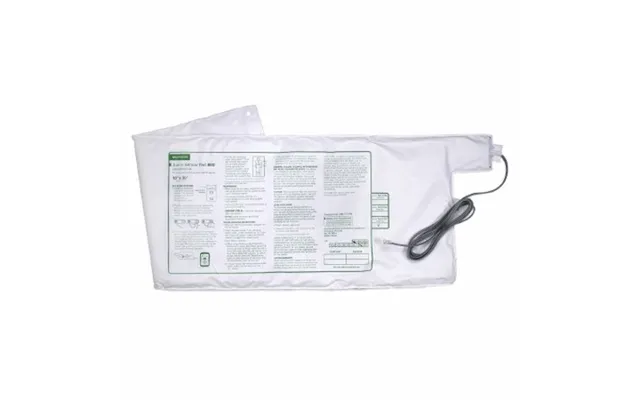
The McKesson Bed Sensor Pad 10 X 30 Inch 162-1127 is listed with a count of 30 and a price of $978.02. Its description identifies silver membrane technology, water-resistant vinyl, and antimicrobial material. It is also described as offering protection against incontinence and as not being made with natural rubber latex.
The listing states that a monitor is required, which is an important buying detail. A pad alone is not the entire alert setup. Before comparing prices, check whether you already have a compatible monitor or need to identify one separately.
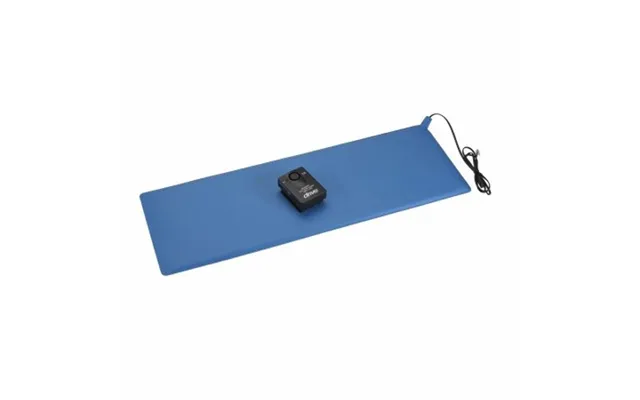
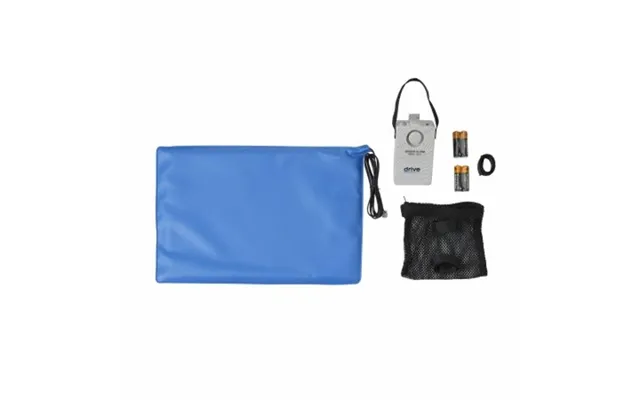
The Drive Medical Bed Sensor Pad Alarm System 11 X 30 Inch Blue is listed at $92.61 for 1 each. Its description says the pressure-sensitive pad connects to an audio alarm and can alert a caregiver when a patient gets out of bed or a chair.
The listed alarm includes a safety alert, an on-and-off switch, and a low-battery indicator. These details can make daily use easier because the caregiver can see that the unit is active and receive a warning when the batteries need attention.
Chair sensor pads are designed for situations where the main concern is a person standing from a chair, wheelchair, geri-chair, or lounge chair. Because the pad reacts to pressure changes, placement matters. The pad should be positioned as described by the manufacturer, and the caregiver should verify that the alarm responds appropriately before relying on it.
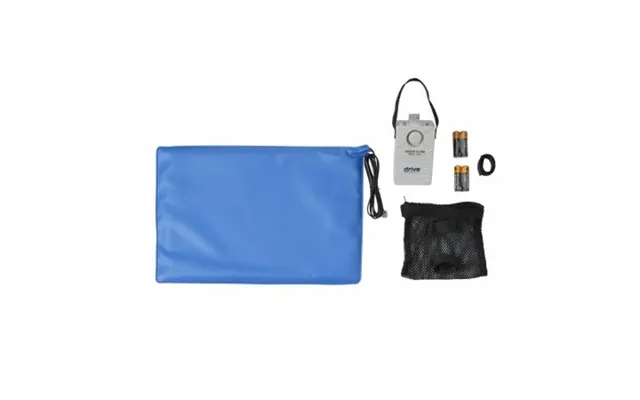
The Drive Medical Chair Sensor Pad Alarm System 10 X 15 Inch appears in the listings at two prices: $89.83 and $78.65. Both entries describe a 1-each product with a 10-by-15-inch chair pad, an audio alarm, a safety alert, an on-and-off switch, and a low-battery feature.
The descriptions also state that 4 AA batteries are included. Since the two entries have different listed prices, comparing the individual offers is worthwhile. The product name and core specifications are similar, but the listed offer details should still be reviewed before making a decision.
The Sunmark McKesson Chair Alarm Sensor Pad 10 X 15 Inch is listed at $23.51 for a count of 1. The reference data provides the product title and price but does not include detailed operating specifications for this listing.
That makes it a good example of why comparison shoppers should look beyond a low displayed price. If a listing does not show the information you need, compare it with products that clearly identify battery details, alarm functions, pad dimensions, or attachment methods.
Pull-cord systems use a straightforward trigger. The alarm attaches to a bed or chair, while a cord connects to the user’s clothing. If the person gets up or moves far enough to pull the connector, the alarm sounds.
This design can be appealing when a caregiver wants a visible, adjustable connection. However, the cord must be positioned carefully, and the user must be comfortable wearing the garment clip. The goal is to create a useful alert without adding unnecessary confusion.
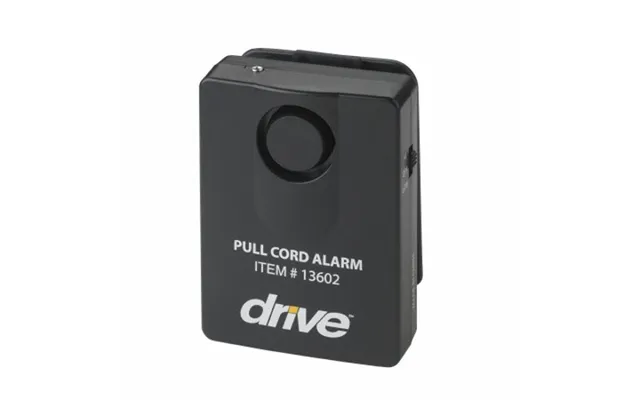
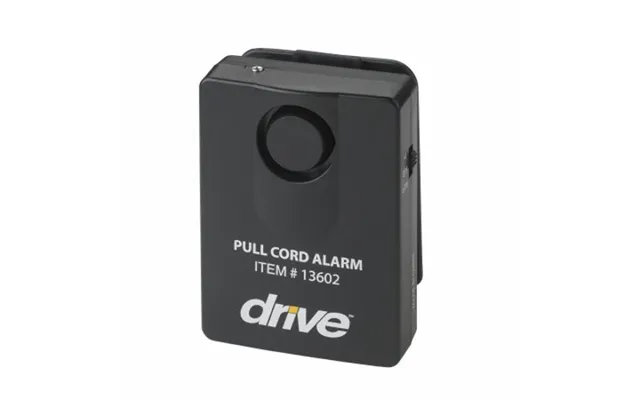
The Drive Medical Pull Cord Alarm System is listed in two offers at $24.82 and $28.12. One description states that the activation cord adjusts from 18 to 36 inches, the system attaches to a bed or chair with a self-contained clip, and the pin connector pulls from the alarm unit when the user gets up.
The listed system includes an on-and-off switch, two volume settings of 97 dB and 103 dB, and one included 9-volt battery. The adjustable cord may help caregivers tailor the setup to the user’s position, while the two volume choices provide some flexibility for the surrounding environment.
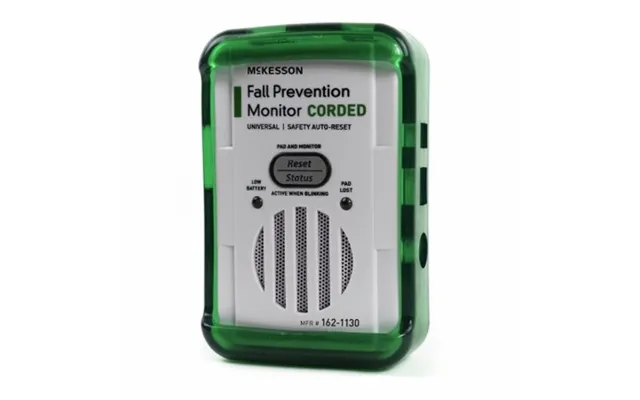
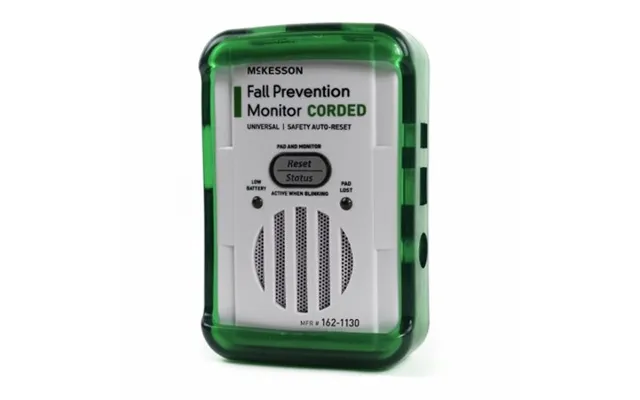
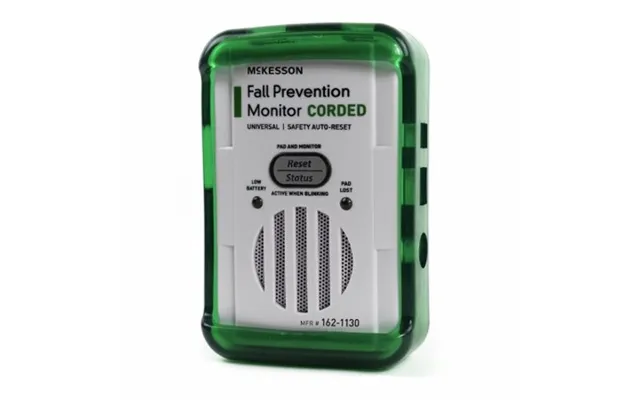
The McKesson Fall Prevention Monitor is shown in several listings. One offer has a price of $3,602.70 with a count of 72, another is $1,566.95 with a count of 40, and the McKesson Fall Prevention Monitor White Green 162-1130 is listed at $50.03 for a count of 1.
The descriptions identify a magnet-positioned cord, a garment clip, an adjustable pull-string length, a soft shock-proof protective boot, an impact-resistant foam cover, and a locking mounting strap. The listings also state that these monitors carry a 1-year warranty and are not made with natural rubber latex.
Because the pack counts differ significantly, do not compare the displayed prices as if they represent identical quantities. A multi-unit listing may be intended for a facility or care setting, while the single-unit option may suit an individual household.
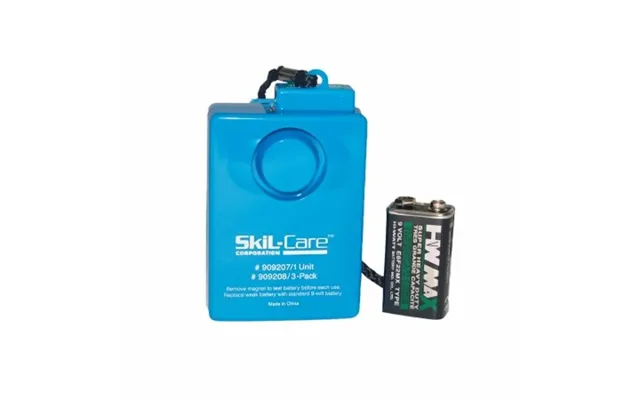
The Skil-Care Chair Alarm System Econo 2-1 5 X 5-4 5 Inch Blue is listed at $21.71 for 1 each. Its description says that it secures to most chairs, including wheelchairs, geri-chairs, and lounge chairs.
The system uses a multi-directional magnetic pull switch and an adjustable-length cord that clips to the resident’s clothing. A Velcro strap is included for attachment to most chairs, and the unit operates on a single included 9-volt battery.
This type of design combines a chair attachment point with a wearable cord. It may be worth comparing with pressure pads if the person frequently shifts position or if the caregiver prefers a cord-based trigger.
Pressure pads and pull cords are two different paths to the same basic goal: alerting a caregiver to movement. A pressure pad is like a hidden switch beneath the user. A pull cord is more like a visible leash between the alarm and the person’s clothing.
Pressure pads may be preferable when you want the user to move without wearing a clip or cord. They are available in bed and chair formats, including the 10-by-30-inch McKesson bed pad and the 10-by-15-inch Drive Medical chair pad.
Pull cords may be preferable when adjustability and visible attachment are more important. The Drive Medical system has an 18-to-36-inch adjustable cord, while the McKesson monitors are described with adjustable pull-string lengths and garment clips.
Neither format is automatically best for everyone. Consider the person’s mobility, clothing, position, routine, and ability to understand the alert. The most practical choice is usually the one that fits naturally into the care environment.
First, identify how the alarm is activated. Bed and chair sensor pads respond to pressure release, while pull-cord monitors respond to movement that separates the connector from the alarm unit. Matching the alert method to the user’s routine can reduce confusion.
Dimensions matter because a pad needs to sit in the correct area beneath the user. The listed options include a 10-by-30-inch McKesson bed pad, an 11-by-30-inch Drive Medical bed pad, and 10-by-15-inch chair pads from Drive Medical and Sunmark McKesson.
These measurements are not interchangeable by default. A bed-sized pad and a chair-sized pad serve different spaces, so measure the intended location and review the product description carefully.
Battery information can affect convenience. The Drive Medical Pull Cord Alarm System is listed with one included 9-volt battery. The Skil-Care chair system also uses one included 9-volt battery, while the Drive Medical chair sensor pad system is described with 4 AA batteries included.
The Drive Medical sensor pad descriptions also mention a low-battery feature. A battery indicator is useful because a silent or weak alarm can create uncertainty during a busy care routine.
Pull-cord systems need secure attachment to a bed or chair and a comfortable connection to clothing. The listed products mention clips, Velcro straps, locking mounting straps, and adjustable cords. These details can help you think through how the system will fit into a real room rather than only how it looks on a product page.
The reference listings cover a broad price range. The lowest listed price is $21.71 for the Skil-Care chair alarm system, followed by the Drive Medical pull-cord offers at $24.82 and $28.12. The McKesson Fall Prevention Monitor White Green 162-1130 is listed at $50.03.
The Drive Medical chair sensor pad entries are listed at $78.65 and $89.83, while the Drive Medical bed sensor pad is listed at $92.61. The Sunmark McKesson chair sensor pad is listed at $23.51, although its reference description contains fewer product details.
The highest displayed prices belong to McKesson listings with large counts: $1,566.95 for a count of 40, $3,602.70 for a count of 72, and $978.02 for a count of 30. These should not be compared directly with single-unit prices without considering the quantity.
Prices can change, and the reference data does not provide regular prices for comparison because the regular-price fields are shown as $0.00. Treat the displayed amounts as the listed prices in the supplied data rather than guaranteed current prices.
Start with the location. If the concern involves getting out of bed, compare bed sensor pads and systems. If the person spends most of the day in a chair, look at chair pads or chair-mounted pull-cord alarms.
Next, consider the person’s behavior. Does the user shift frequently, remove clothing clips, or need a simple visible trigger? A pressure pad may offer a less noticeable setup, while a pull cord may provide a more direct connection.
Then review the practical details: pad dimensions, cord length, attachment style, battery type, low-battery alerts, volume settings, and whether a monitor is required. Small features can become big conveniences after repeated daily use.
Finally, compare quantity. A single unit and a multi-pack may appear similar by name but serve very different purchasing needs. The McKesson listings demonstrate why count and unit quantity deserve attention before comparing the total price.
Place the alarm where the caregiver can hear it and test the trigger before regular use. For a pressure pad, apply and release pressure as appropriate to confirm that the connected alarm responds. For a pull cord, check the attachment and make sure the cord length suits the user’s position.
Keep switches, connectors, and battery compartments accessible to the caregiver. A system that is difficult to inspect may be overlooked during a busy day. Regularly check the battery status when the product includes a low-battery indicator, and replace batteries according to the manufacturer’s instructions.
Use the alarm as one part of a broader care routine. An audible alert does not replace supervision, appropriate mobility support, or professional medical advice. If you are uncertain whether a product is suitable for a particular person, ask a qualified healthcare professional.
The medical alarm systems in this comparison offer several ways to monitor movement around beds and chairs. McKesson, Drive Medical, Sunmark, and Skil-Care listings include pressure-sensitive pads, adjustable pull cords, caregiver audio alarms, and different attachment options. Compare the trigger method, size, quantity, battery features, and listed price, then choose the design that best fits the user and care setting. ZoneOffer can help you compare the available listings, while the final suitability decision should reflect the user’s needs and the caregiver’s routine.