
Eye Wash Supplies price list
Last updated Thursday, Sep 24, 2026
| Eye Wash Supplies | Price |
|---|---|
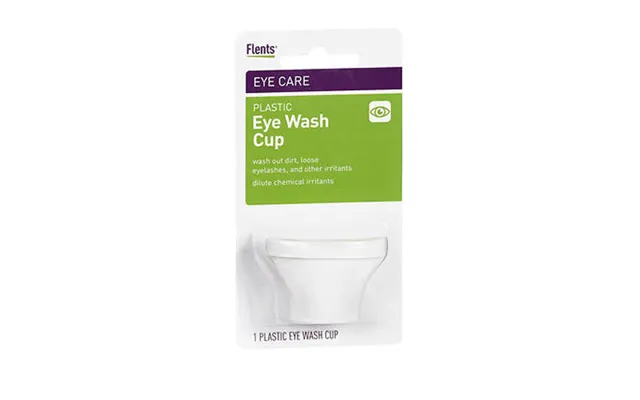
| Flents - Eye Care Plastic Eye Wash Cup | $4.04 |
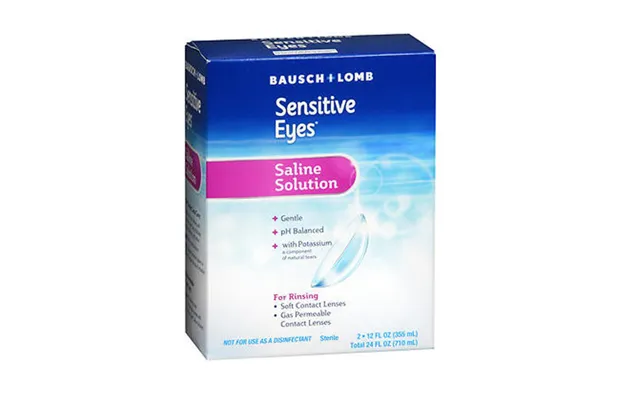
| Bausch Lomb - Gentle Sensitive Eyes Saline Solution | $8.35 |
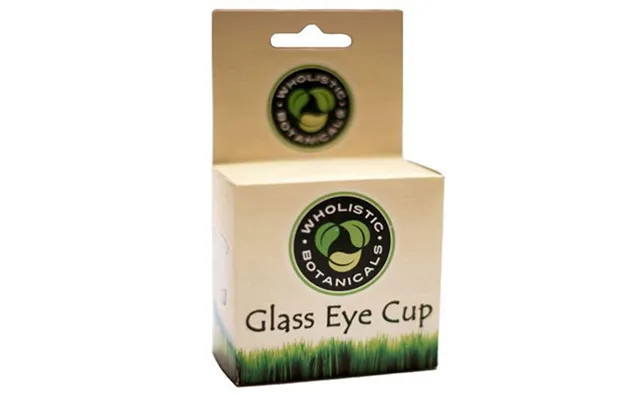
| Wholistic Botanicals - Glass Eye Cup | $11.99 |




View 10 Offers
Loading...
Last updated Thursday, Sep 24, 2026
| Eye Wash Supplies | Price |
|---|---|
| Flents - Eye Care Plastic Eye Wash Cup | $4.04 |
| Bausch Lomb - Gentle Sensitive Eyes Saline Solution | $8.35 |
| Wholistic Botanicals - Glass Eye Cup | $11.99 |
Eye emergencies can happen in a flash. Dust, dirt, and other irritants may leave you searching for a practical way to rinse the eye area, while a separate wound-care situation may call for a cleanser or irrigation solution. Having the right supplies nearby can make preparation feel less like a last-minute scramble and more like keeping a flashlight in a drawer: simple, sensible, and ready when needed.
This guide explores the eye wash supplies and related cleansing products listed in the reference data. You will find eye wash cups, saline intended for contact-lens care, wound irrigation solutions, antimicrobial cleansers, and spray bottles in several sizes. Because these products serve different purposes, understanding the differences matters just as much as comparing prices.
Eye wash supplies generally include products or tools designed to help rinse the eye area. In the listed selection, the clearest examples are the Flents Plastic Eye Wash Cup and the Wholistic Botanicals Glass Eye Cup. Both are reusable-style application tools intended to hold an eye wash solution while it is placed around the eye.
The selection also includes Bausch + Lomb Gentle Sensitive Eyes Saline Solution. Its listed description identifies it as a saline solution for rinsing and storing soft contact lenses. However, the same description clearly warns that it is not a disinfectant and should not be used to disinfect soft or gas-permeable contact lenses. That distinction is important: a rinsing or storage solution is not automatically a disinfecting product.
Many of the other products in the data are wound cleansers rather than dedicated eye wash products. They may be useful for wound-care routines, but their intended use should not be confused with eye irrigation. Think of it like choosing between a paintbrush and a toothbrush: both may be tools, but their jobs are not interchangeable.
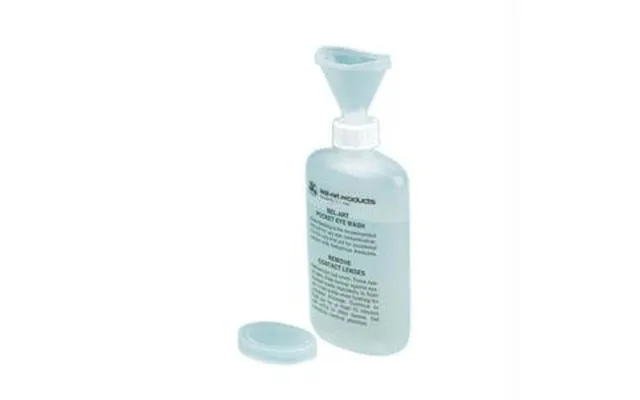
The Flents Plastic Eye Wash Cup is listed as a one-each eye-care accessory at $4.04 from HerbsDaily. Its description presents it as a plastic cup that can be filled with an eyewash solution and placed around the eye area. The design is described as straightforward and intended to make eye washing convenient.
A plastic eye cup may appeal to shoppers who want a simple, lightweight option for a home first-aid cabinet. Since the reference data lists one cup per package, check the product details before comparing it with multipacks or other formats elsewhere on a comparison page.
The Wholistic Botanicals Glass Eye Cup is listed as a one-piece product priced at $11.99 from HerbsDaily. Unlike the Flents option, this product is identified as a glass eye cup. That material difference may matter to shoppers who have a preference for glass accessories, although the reference data does not provide additional information about dimensions, cleaning instructions, or included solution.
When comparing the two eye cups, consider the basic questions that fit your routine. Do you prefer plastic or glass? Are you looking for one cup? Will the cup be stored in a home kit, a bathroom cabinet, or a workplace first-aid area? A few seconds of comparison can prevent buying a product that does not fit your practical needs.
Bausch + Lomb Gentle Sensitive Eyes Saline Solution is listed in a 24-fluid-ounce bottle for $8.35 from HerbsDaily. The product description calls it a gentle, pH-balanced formula with potassium and identifies it for rinsing and storing soft contact lenses.
The description also includes several safety reminders. It states that saline is never to be used for soft contact-lens disinfection and warns against reusing the solution, topping off solution, or using water for lens care. It further says to keep the bottle tightly closed, store it at room temperature, use it before the expiration date, and discard remaining solution within 90 days after opening.
These details make the product different from a general-purpose eye wash cup. The saline is a liquid solution, while an eye cup is an application accessory. Depending on your intended use, you may compare them as complementary items rather than as direct alternatives. Always follow the product’s own instructions and warnings.
The reference data contains many wound irrigation and cleansing products. These products are designed for wound-care tasks such as cleansing, irrigating, removing debris, or preparing a wound bed. They should not automatically be treated as eye wash supplies simply because they come in liquid or spray form.
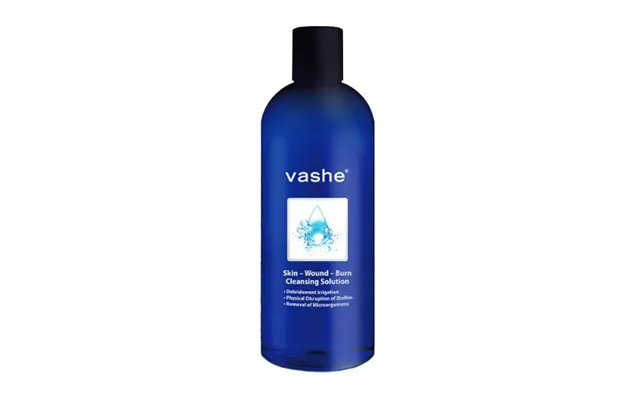
For example, Puracyn Plus Professional products are described as wound irrigation solutions used with cleansing, irrigation, debridement, and dressing procedures. Vashe Wound Solution is described for cleansing, irrigating, moistening, debridement, and removing foreign material from various wounds and skin lesions. These descriptions focus on wound care, not routine eye rinsing.
The same careful distinction applies to products such as Dakin’s Solution, Hibiclens, Anasept, and wound cleansers from Gentell, Restore, Dermal, and other brands. Their listed descriptions identify them as antimicrobial, antiseptic, or wound-cleansing products. Unless the label specifically supports eye use, do not assume that a wound cleanser belongs in an eye-care kit.
Several Puracyn Plus Professional formats appear in the reference data. The range includes a 55-milliliter pump spray at $7.83, a 120-milliliter pump spray at $12.53, a 250-milliliter twist-cap format at $20.44, a 250-milliliter pump spray at $20.44, a 500-milliliter trigger spray at $37.68, and a 1,000-milliliter flip-top format at $64.48.
The descriptions identify Puracyn Plus Professional as a pH-balanced wound irrigation and management solution. The 250-milliliter pump-spray listing includes directions involving cleansing, irrigation, gauze saturation, and wound-bed preparation. It also describes allowing the solution to soak for three to five minutes before additional procedures when needed.
These different sizes and applicators may suit different wound-care setups. A smaller pump spray could be easier to place in a compact kit, while a larger bottle may be considered for a setting where wound-care supplies are used more frequently. The reference data does not establish availability or shipping details, so compare the current listing before making a decision.
Anasept Antimicrobial Wound Cleanser appears in several sizes and dispensing styles. The listed products include a 4-fluid-ounce bottle at $7.33, an 8-fluid-ounce bottle at $10.68, an 8-fluid-ounce spray bottle at $13.38, an 8-fluid-ounce trigger-spray version at $16.31, and a 12-fluid-ounce spray bottle at $21.46. A 15-fluid-ounce bottle is also listed at $19.01.
The descriptions characterize Anasept as a rapid-action, environment-friendly antimicrobial wound cleanser. The applicator style varies between a dispensing cap, sprayer, and trigger sprayer. That difference may be useful when comparing how a product could fit into a wound-care routine, but the product remains a wound cleanser rather than a dedicated eye wash.
Dakin’s Solution is listed in several sodium hypochlorite strengths, all in 16-fluid-ounce bottles priced at $27.34 in the reference data. Options include diluted solution at 0.0125%, quarter strength at 0.125%, half strength at 0.25%, and full strength at 0.50%.
The descriptions state that the strengths differ and advise consulting a doctor or pharmacist about the strength suited to a particular wound or injury. The full-strength listing also states a one-year shelf life, while the other listed Dakin’s formulations describe a two-year shelf life. These products are clearly positioned for wound treatment and should be evaluated according to their labeling and professional guidance.
Hibiclens appears as a 4-fluid-ounce product priced at $7.66 and an 8-fluid-ounce product priced at $10.86. Both are identified as antiseptic, antimicrobial skin cleansers. The product descriptions do not identify these listings as eye wash products.
That makes label awareness essential. A cleanser intended for skin is not automatically appropriate for the eyes, which are especially sensitive. If you are building a kit for eye-related incidents, keep skin cleansers in a separate category so the purpose of each product remains clear.
Several listed products focus on gentle cleansing, no-rinse use, or non-irritating formulas for wounds. Gentell Wound Cleanser is an 8-fluid-ounce spray bottle priced at $5.22. Its description calls it pH-balanced and nonirritating, with a trigger spray that adjusts from a fine mist to an irrigating stream.
Dermal Wound Cleanser is offered in an 8-fluid-ounce spray bottle at $10.59 and a 16-fluid-ounce spray bottle at $25.01. The descriptions identify these products as pH-balanced, non-toxic, non-irritating, and no-rinse. They also mention surfactants and moisturizers intended to help remove debris and dressing residue from a wound bed.
Restore Wound Cleanser appears in an 8-fluid-ounce spray bottle at $7.32 and a 12-fluid-ounce spray bottle at $10.45. The descriptions identify both as no-rinse wound cleansers with pump sprayers for skin tears, cuts, and abrasions.
Other options include Dermaklenz Wound Cleanser at $7.66 for 8 fluid ounces, Primaderm Dermal Wound Cleanser at $9.11 for 3 fluid ounces, and Dynarex Dynawound Wound Cleanser at $3.04. Their listed descriptions emphasize wound cleansing, debris removal, or debridement rather than eye care.
Vashe Wound Solution is listed in a 4-fluid-ounce size at $16.01 and an 8.5-fluid-ounce size at $30.11. The descriptions identify uses that include cleansing, irrigating, moistening, debridement, and removal of foreign material from wounds and skin lesions. They also mention moistening or lubricating absorbent wound dressings.
Derma Sciences Dermagran Wound Cleanser with Zinc is listed as a 4-fluid-ounce bottle at $3.26. Its description mentions zinc and vitamin B6, a gentle cleansing approach, and a 360-degree delivery system. It is described as a skin and wound cleanser designed to help prepare the wound bed.
Lohmann & Rauscher Debrisoftlolly Debridement Cleanser is listed as sterile and individually sealed at $25.58. The description identifies it for cleansing and debridement. This is a specialized wound-care item, so shoppers should compare it based on the intended clinical or home-care task rather than placing it in the same category as an eye cup.
The first question is simple: are you shopping for an eye-care tool, contact-lens saline, or a wound cleanser? This single distinction can narrow the selection quickly. The Flents and Wholistic Botanicals products are eye cups, while the Bausch + Lomb product is contact-lens saline. The remaining products primarily concern wounds and skin.
Applicators can shape how a liquid is handled. The reference data includes pump sprays, trigger sprays, flip tops, twist caps, dispensing caps, and eye cups. A spray may offer controlled application for a wound-care product, while a cup is designed for a different type of eye-area use. Compare the format with your storage space and routine.
Prices in the reference data range from $3.04 for Dynarex Dynawound Wound Cleanser to $64.48 for the 1,000-milliliter Puracyn Plus Professional format. The dedicated eye-cup options are listed at $4.04 and $11.99, while the 24-fluid-ounce Bausch + Lomb saline is listed at $8.35.
Price alone does not tell the whole story. A larger bottle may offer more product, but a smaller format may be easier to store. Also note that the reference data includes regular prices for some products but not others. For example, the listed price for Full Strength Dakin’s Solution is $27.34 with a regular price of $50.05, while several other listings show no regular price.
A practical setup starts with separation and clear labeling. Keep eye-care accessories together, contact-lens products in their own area, and wound cleansers in a separate section. This approach reduces the chance of grabbing the wrong product when time is short.
You may also want to consider the environment where supplies will be stored. A home bathroom cabinet, a workplace first-aid station, and a travel kit may each call for different sizes or applicators. The reference data includes compact options such as the 3-fluid-ounce Simply Saline Wound Wash and larger choices such as the 16-fluid-ounce Dermal Wound Cleanser, but the best fit depends on the intended task.
Remember that the Simply Saline 3-in-1 Wound Wash is described for minor cuts, scrapes, and burns, with a 7.1-fluid-ounce spray bottle. It is not presented as an eye wash. Keeping this distinction visible can be as helpful as placing a label on a storage bin.
Product descriptions and labels should guide use, especially when the eye is involved. The Bausch + Lomb listing includes specific warnings about disinfection, reuse, topping off solution, and using water for contact-lens care. Wound products such as Dakin’s Solution include strength-specific information and advise consulting a doctor or pharmacist about the appropriate formulation.
If a chemical, sharp object, or other potentially serious hazard affects the eye, seek appropriate medical help and follow established workplace or healthcare guidance. This article is a product-comparison guide, not a diagnosis or treatment plan. When in doubt, use the label and professional advice as your compass.
ZoneOffer is a comparison site, not a store. It helps you review products from the reference listings by looking at names, sizes, applicators, brands, prices, and descriptions in one place. That can be useful when a category includes both true eye-care accessories and closely related wound-care supplies.
As you compare, read the full product description rather than relying only on a short title. A word such as “saline,” “cleanser,” or “irrigation” does not by itself define every possible use. The intended purpose, applicator, volume, and safety information provide the fuller picture.
The best eye wash supply is the one that matches the job. For a simple eye-care accessory, the listed Flents Plastic Eye Wash Cup and Wholistic Botanicals Glass Eye Cup offer two different material and price options. For contact-lens rinsing and storage, Bausch + Lomb Gentle Sensitive Eyes Saline Solution provides a separate category with specific warnings. The many Puracyn, Anasept, Dakin’s, Vashe, Restore, Dermal, and other products are primarily wound-care solutions. By separating these uses, comparing sizes and applicators, and following each label carefully, you can create a more organized and sensible supply setup.