

Meat Alternatives price list
Last updated Sunday, Oct 18, 2026
| Meat Alternatives | Price |
|---|---|
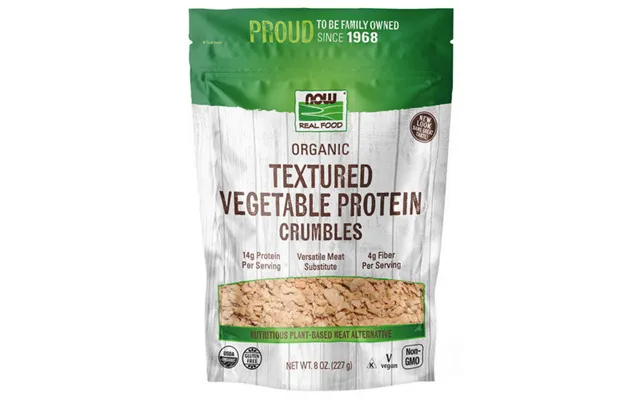
| Now Foods - Textured Soy Protein Granules-certified Organic | $5.19 |
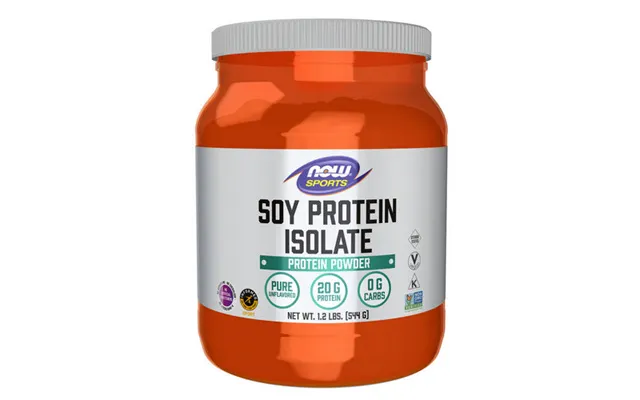
| Now Foods - Soy Protein Isolate | $22.83 |




Loading...
Last updated Sunday, Oct 18, 2026
| Meat Alternatives | Price |
|---|---|
| Now Foods - Textured Soy Protein Granules-certified Organic | $5.19 |
| Now Foods - Soy Protein Isolate | $22.83 |
Meat alternatives can make everyday cooking more flexible, especially when you want a plant-based ingredient that works in familiar recipes. From textured soy protein granules to powdered soy protein isolate, these products offer different ways to add plant-based ingredients to meals, smoothies, sauces, and more.
In the reference selection, both products come from Now Foods and are listed by Herbsdaily. One is an 8-ounce package of certified organic textured soy protein granules, while the other is a 1.2-pound container of soy protein isolate. They are not identical products, so choosing between them depends on how you plan to use them. Do you want a chewy, recipe-ready meat substitute, or a protein ingredient that blends into beverages?
ZoneOffer is a comparison site designed to help you review available product information in one place. It is not a store, and the listed prices and product details come from the supplied offer data. Use this guide as a practical starting point while comparing these two soy-based options.
Meat alternatives can serve as useful ingredients when you want to explore vegetarian or vegan cooking. Rather than treating them as a single category with one purpose, think of them as a toolbox. Some products imitate the texture of meat, while others work more like concentrated ingredients for drinks, bowls, or recipes.
The two Now Foods products in this selection show that difference clearly. Textured soy protein granules are intended as a versatile meat substitute and can be softened before cooking. Soy protein isolate is designed to be mixed with water, milk, or another beverage. One is closer to a pantry staple for savory cooking; the other is closer to a powder for everyday nutrition routines.
That variety can make plant-based meal planning less repetitive. You can use a textured product in dishes that traditionally call for ground meat, while a protein powder may fit into a shake or blended beverage. The best option depends on your routine, preferred flavors, and the type of preparation you enjoy.
The Now Foods textured soy protein granules are listed in an 8-ounce size at a price of $5.19. The product description identifies them as certified organic, non-GMO, vegetarian, and vegan. It also describes them as a vegetable-source protein and a versatile meat substitute.
Textured soy protein granules are made for cooks who want a plant-based ingredient with a substantial texture. The product information suggests using them in recipes that call for meat, making them suitable for experimenting with familiar dishes while changing the central ingredient.
Preparation begins by soaking the granules in water or in a seasoned sauce. The instructions say to soften them and simmer for approximately 25 minutes before adding them to a recipe. This gives you room to build flavor during preparation rather than relying only on the finished dish for seasoning.
Imagine the granules as small flavor sponges. Plain water can soften them, but a favorite seasoned sauce can also help introduce flavor before they reach the skillet or pot. Once prepared, they can be added to recipes that traditionally use meat.
You might use them in a savory sauce, a filling, or another dish where a hearty texture works well. The reference information does not specify particular recipes, so your own seasoning choices can guide the final result. Garlic, herbs, spices, tomato-based sauces, or broth-style flavors may all offer different directions, depending on your cooking preferences.
The suggested simmering time is approximately 25 minutes. Since preparation methods and recipes can vary, it is sensible to follow the package directions and adjust the final seasoning to suit your meal.
The Now Foods Soy Protein Isolate is listed in a 1.2-pound size at a price of $22.83. The product description calls it a vegetable source of high-quality complete protein and notes that it has an excellent amino acid profile. It also states that soy products naturally contain phytoestrogens and proteins such as genistein and daidzein.
This product is presented as a powder rather than a textured meat substitute. The suggested use is to add 1/3 cup daily to 8 ounces of water, milk, or your preferred beverage, then stir or blend. That makes it a practical option for people who prefer a drink-based way to include soy protein in their routine.
The container is much larger than the 8-ounce granule package, so the two products are also aimed at different patterns of use. The granules are prepared as part of a meal, while the isolate is measured into a beverage. Neither replaces the other perfectly; they are more like two different tools in the same plant-based pantry.
The simplest approach is to add the suggested 1/3 cup serving to 8 ounces of water or milk and stir or blend. You can also use another favorite beverage, according to the product instructions. Blending may help create a smoother drink, especially if you prefer a more even texture.
Because the product is a powder, it can be easier to incorporate into a routine than an ingredient that needs chopping, soaking, or simmering. On busy mornings, that convenience may be appealing. On the other hand, the granules may be a better match when your goal is to cook a full savory meal.
The product information says to store the isolate in a cool, dry, dark place after opening. It also says that the product is intended as a food supplement only and should not be used for weight reduction. Follow those directions when deciding how it fits into your routine.
Choosing between these products becomes easier when you compare their intended uses. Textured soy protein granules are designed to function as a meat substitute in recipes. Soy protein isolate is designed to be mixed into a beverage. If you are preparing dinner, the granules may be the more natural fit. If you are making a shake, the isolate may make more sense.
The package sizes also differ. The granules come in an 8-ounce package, while the isolate comes in a 1.2-pound container. Their listed prices are different as well: $5.19 for the granules and $22.83 for the isolate. These figures describe the supplied offers and should be compared alongside package size and intended use rather than viewed in isolation.
Texture is another key distinction. Granules are prepared with liquid and heat, then added to a recipe. Isolate is mixed or blended into a beverage. One becomes part of the meal’s structure, while the other is incorporated into the drink itself.
Both products offer a relatively straightforward preparation method. The granules require soaking and simmering for approximately 25 minutes. The isolate requires measuring and mixing. Neither description suggests a complicated process, which can be helpful if you want to try plant-based ingredients without rebuilding your entire cooking routine.
Convenience also comes from versatility. The granules can be paired with water or a seasoned sauce before being added to recipes calling for meat. The isolate can be combined with water, milk, or another beverage. These flexible directions allow you to adapt each product to what you already keep in the kitchen.
Still, convenience does not mean every product suits every meal. A powder may not provide the texture you want in a savory skillet dish, while granules may not be the most natural choice for a morning beverage. Matching the product to the occasion is the simplest way to get better results.
Seasoning is where textured soy protein can become more personal. The product description specifically suggests soaking the granules in water or a favorite seasoned sauce. That recommendation places flavor at the center of preparation.
Think of the granules as a blank canvas. A bold sauce can make them savory and rich, while a milder seasoning can let them blend into a larger recipe. You can experiment with different flavor profiles without changing the preparation method: soften, simmer for approximately 25 minutes, and add to the dish.
It is also helpful to consider the surrounding ingredients. A strongly seasoned sauce may pair well with grains, vegetables, or legumes, while a lighter preparation may work better in a dish where other ingredients provide most of the flavor. The reference data does not prescribe a particular recipe, so you can adjust the combination to your preferences.
Product descriptions often include more than serving ideas, and these details can matter when you are comparing plant-based foods. The granules are described as certified organic, non-GMO, vegetarian, and vegan. The isolate is described as a soy-based vegetable protein product and includes information about its suggested use and storage.
The soy protein isolate description says it is not manufactured with yeast, wheat, gluten, corn, milk, egg, fish, shellfish, or tree nut ingredients. It also states that it is produced in a GMP facility that processes other ingredients containing those allergens. Anyone managing allergies or dietary restrictions should read the product information carefully and make decisions appropriate to their circumstances.
The granules include a California Proposition 65 warning in the supplied description. The isolate also includes a California Proposition 65 warning. These notices are part of the reference data and should not be overlooked when reviewing the product listings.
The supplied offer data lists both products with herbsdaily. The Now Foods textured soy protein granules are listed at $5.19, and the Now Foods soy protein isolate is listed at $22.83. No regular price is provided for either offer, so there is no supported basis for calculating a discount from a former price.
Price comparison works best when you also consider the form and package size. An 8-ounce bag of granules serves a different purpose from a 1.2-pound container of powder. The lower listed price does not automatically make one product better value, just as the larger package does not automatically make the other a better choice.
ZoneOffer helps you compare the information available in the listing. It does not sell the products or establish the terms of the offers. Before making a purchase decision, review the current listing details and consider whether the product format fits your intended use.
The textured soy protein granules may appeal to people who enjoy cooking savory meals and want a versatile meat substitute. They may also suit anyone interested in trying a certified organic, non-GMO, vegetarian, and vegan soy-based product in recipes.
If you like adjusting sauces and seasoning from scratch, the soaking method gives you a useful starting point. You can soften the granules in a seasoned liquid, simmer them, and then fold them into a meal. That process feels more like cooking with an ingredient than preparing a ready-to-drink product.
The soy protein isolate may suit people who prefer a powdered ingredient that can be stirred or blended into a beverage. Its suggested use is clear: add 1/3 cup to 8 ounces of water, milk, or another favorite beverage.
It may also appeal to shoppers looking for a larger package for repeated use. The product is listed in a 1.2-pound size, and the description provides storage instructions for after opening. As with any food supplement, follow the label directions and consider your own dietary needs.
These two Now Foods products offer different approaches to plant-based eating. The 8-ounce certified organic textured soy protein granules are designed for savory recipes and can be soaked, simmered for approximately 25 minutes, and used as a versatile meat substitute. The 1.2-pound soy protein isolate is intended to be mixed or blended into 8 ounces of water, milk, or another beverage. With listed prices of $5.19 and $22.83 respectively, the right choice depends less on a simple price comparison and more on how you plan to use it. Review the details through ZoneOffer, compare the formats, and choose the soy-based option that fits your kitchen and routine.