

Dried Vegetables price list
Last updated Sunday, Oct 18, 2026



View 8 Offers

Loading...
Last updated Sunday, Oct 18, 2026
Dried vegetables can turn a simple pantry into a flexible cooking toolkit. They last longer than fresh produce, take up less space, and can add flavor, texture, or visual appeal to soups, teas, porridges, broths, and other recipes. In the current selection, you’ll find more than everyday dried vegetables. The range also includes sea vegetables, mushrooms, roots, flowers, and botanical ingredients.
This guide explores the products listed in the reference data, including dried kelp, nori, Chinese herbal yam, banana flower, burdock root, and dried lion’s mane mushroom. It also covers the Plumpp Irish Sea Moss and Om Mushrooms Reishi listings, which are presented as supplement-oriented products rather than ordinary cooking vegetables. Since ZoneOffer is a comparison site, not a store, the prices and listings below are provided as shopping reference points rather than direct sales promises.
Fresh produce is wonderful, but dried ingredients offer a different kind of convenience. Think of them as pantry building blocks: they wait patiently until you need them, then return to the spotlight in a recipe. Dried items can be useful when you want ingredients available without planning a same-day grocery trip.
They may also work well for bulk cooking. A small amount of dried kelp can contribute a sea-inspired character to a broth, while dried mushrooms can bring an earthy note to soups, sauces, and grain dishes. Roots and flowers can be used in teas or traditional-style preparations, depending on the product and its instructions.
Start with the intended use. Are you looking for a cooking ingredient, a tea herb, or a supplement? The answer affects the best format, package size, and preparation method. Cut and sifted roots are convenient for infusions, while sliced yam or kelp may be more suitable for kitchen recipes.
Also examine the listed quantity. The products in this selection range from 90 vegetable capsules to packages described as 1 pound, 500 grams, 120 grams, and other sizes. Because the product formats differ, comparing only the headline price can be misleading. Consider how much usable ingredient you receive and how often you expect to use it.
Sea vegetables are popular for their savory character and distinctive texture. The reference data includes dried kelp silk and dried nori, both described as food-use products. These ingredients may appeal to shoppers who enjoy Asian-inspired cooking, broths, rice dishes, or seafood-style flavors.
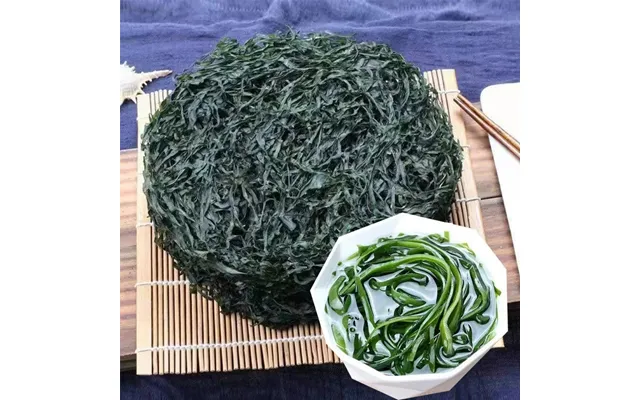
The N04-10 Hai Dai Si listing is described as a 500-gram bag of dried kelp silk in a compressed cake format. The listed price is $4.10 through Alibaba. Its bulk presentation may suit shoppers who already use kelp regularly or who are planning recipes that call for more than a small garnish.
Kelp silk can be broken into smaller portions before soaking or cooking. Since the listing does not provide detailed preparation instructions, follow the package directions when available. If you are new to dried kelp, begin with a modest amount and adjust the texture and flavor to your preference.
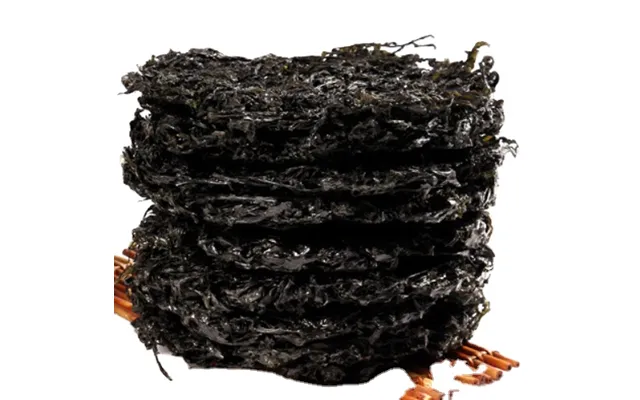
The Nori Porphyra Algae listing describes raw edible red algae, dried for food use. It is listed at $18.00 through Alibaba. Nori is commonly associated with sheets, wraps, and rice dishes, but this listing should be evaluated according to its actual form and package instructions rather than assumptions about presentation.
When using dried sea vegetables, pay attention to texture. Some varieties soften quickly, while others benefit from soaking or longer cooking. A practical approach is to test a small portion first. That way, you can learn how the product behaves before adding it to a full recipe.
Root ingredients bring a rustic, earthy personality to the pantry. The reference data includes Frontier Coop Organic Burdock Root Cut & Sifted and Chinese herbal yam slices. These products are quite different in format, but both may interest shoppers looking for dried roots rather than leafy vegetables.
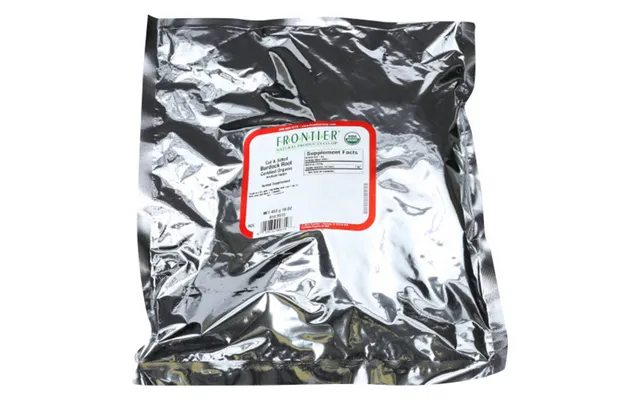
Frontier Coop Organic Budrock Root Cut & Sifted is listed in a 1-pound package for $24.60 through Herbsdaily. The description explains that the root is fibrous and cut into a soft, stringy, cottony-type material. It also says the product can be used to make tea.
The listed tea suggestion is straightforward: pour 1 cup of boiling water over 1 teaspoon of the herb, cover, and steep for 3 to 5 minutes. This makes the product easy to approach if you want a simple infusion without complicated equipment. Use the listed preparation as a starting point, and follow any current package guidance.
The description refers to burdock root as a traditional or folk preparation. That wording matters. It should not be treated as proof that the ingredient can diagnose, prevent, or treat a medical condition. If you are pregnant, nursing, taking medication, or managing a health concern, consult a qualified healthcare professional before using herbal products.
The Chinese Herbal Yam listing features dried Huai yam slices described for uses such as soy milk and porridge. It is listed at $8.00 through Alibaba. The product is also described as a wholesale or bulk-style ingredient, so shoppers should review the package details and intended use before ordering.
Sliced dried yam can be a useful pantry option for hearty breakfasts and comforting bowls. Porridge is especially suitable because the cooking liquid helps soften dried ingredients over time. Add the slices according to the product directions, and allow enough cooking time for the texture you want.
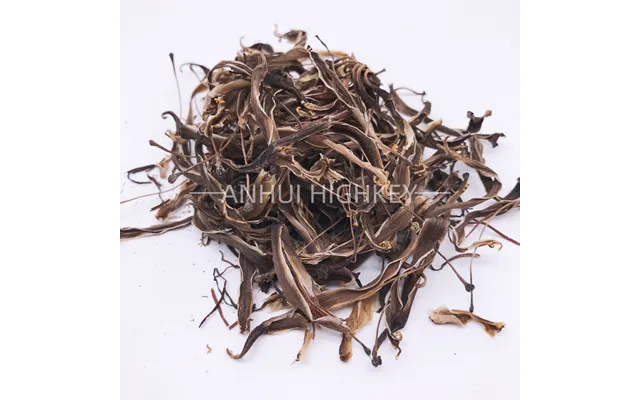
Dried flowers can add an unexpected twist to culinary experimentation. The selection includes a banana flower product described as dried banana flower stamen with little petals. It may appeal to cooks interested in specialty ingredients and regional food traditions.
The 4111 Ba Jiao Hua Rui listing contains 500 grams per bag and is priced at $33.33 through Alibaba. The title identifies it as a dried banana flower stamen product with small petals. Because the listing does not provide detailed preparation instructions, it is wise to check the seller’s product information before deciding how to rehydrate or cook it.
Banana flower is often associated with dishes where a layered, fibrous texture is welcome. You can think of it as an ingredient that needs a little attention rather than a ready-to-eat snack. Sorting, rinsing, soaking, or cooking may be necessary depending on the format, so use the supplied directions as your main guide.
Mushrooms are among the most versatile dried ingredients. They can add depth to broths, sauces, grain dishes, and vegetable recipes. The reference data includes a private-label dried lion’s mane mushroom listing, as well as Om Mushrooms Reishi, which is described as a supplement-oriented product.
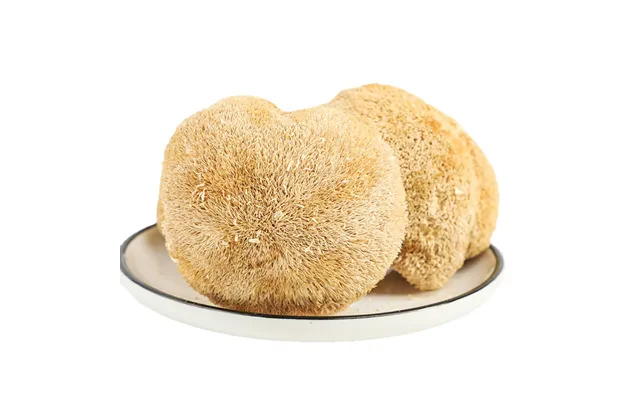
The Hou Tou Gu Private Label High Quality Organic Dried Lions Mane Mushroom listing is priced at $16.90 through Alibaba. The data identifies it as an organic dried lion’s mane mushroom, but it does not provide a package weight or detailed cooking directions.
Because the listing lacks preparation specifics, review the available product information before use. Dried mushrooms commonly benefit from rehydration, but the ideal method can vary by cut, thickness, and intended recipe. Once softened, mushrooms can be added to soups, sauces, noodles, or grain-based meals.
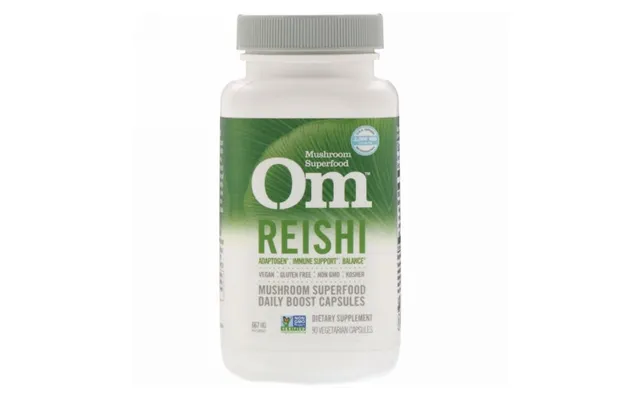
Om Mushrooms Reishi is listed as 90 vegetable capsules for $21.79 through herbsdaily. Its description presents it as an adaptogen and immunity-oriented supplement, with language about stress balance, energy, and cardiovascular support. Those statements come from the product listing and should not replace advice from a medical professional.
The description also includes preparation information for an organic mushroom nutrition powder, recommending 1 teaspoon, or 2 grams, mixed into tea, coffee, juice, or smoothies. However, the title identifies the offer as Reishi in vegetable capsules, so shoppers should confirm the current form, serving directions, and ingredient panel before purchasing or using it.
The listing advises people with a medical condition, as well as those who are pregnant or nursing, to consult a healthcare professional before use. That is a sensible precaution for any concentrated botanical or mushroom supplement. Food ingredients and supplements are not interchangeable, even when both come from mushrooms.
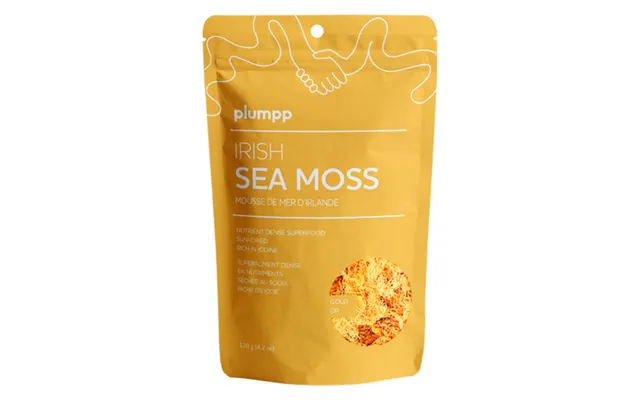
Plumpp Irish Sea Moss is listed as a 120-gram product for $32.78 through herbsdaily. Although sea moss may sound similar to dried sea vegetables used in cooking, this listing is presented with supplement-style product information and warnings. It should therefore be assessed as a supplement product rather than assumed to be a standard dried vegetable.
Read the ingredients, suggested use, serving information, and warnings carefully. The reference description includes a general disclaimer and advises consulting a physician before using the product. It also contains a California Proposition 65 warning. These details are important because they signal that shoppers should review the product information instead of relying on the ingredient name alone.
If you are comparing sea moss with dried kelp or nori, remember that the formats and intended uses may differ. Kelp and nori in the selection are described for food use, while the Plumpp listing is presented in a supplement context. The best choice depends on whether you want a recipe ingredient or a packaged wellness product.
The listed prices vary considerably. The lowest price shown is $4.10 for the 500-gram dried kelp silk listing, while Plumpp Irish Sea Moss is listed at $32.78 for 120 grams. Other examples include $8.00 for Chinese herbal yam, $16.90 for dried lion’s mane mushroom, $18.00 for dried nori, $21.79 for Om Mushrooms Reishi, $24.60 for Frontier Coop burdock root, and $33.33 for dried banana flower.
These figures are not directly comparable without considering format and intended use. A capsule product is measured differently from a bulk food ingredient, and a 1-pound bag provides a different shopping experience from a small supplement package. Before choosing, ask yourself three questions: How often will I use it? Will I cook with it or take it as directed? Do I need a small trial amount or a larger supply?
The reference data identifies herbsdaily and Alibaba as the stores associated with the offers. Some Alibaba titles use wholesale-style language, while the herbsdaily listings include branded products and supplement descriptions. Review the exact product title, package size, ingredients, and seller information shown at the time you compare options.
ZoneOffer helps you compare available listings; it does not function as the seller of these products. Prices can change, and the reference data does not establish shipping terms, delivery timing, stock status, or return conditions. Treat the listed price as a comparison point and verify the final details on the relevant seller’s page.
Good storage protects both flavor and texture. Keep dried vegetables, roots, mushrooms, and flowers in a cool, dry place away from direct sunlight. Moisture is the main enemy: once it enters a package, it can soften ingredients prematurely and reduce their quality.
After opening, reseal the package securely. If the original packaging is not suitable for repeated use, transfer the contents to a clean, airtight container and label it with the product name and opening date. Keep supplement capsules in accordance with their label instructions, since concentrated products may have different storage guidance.
A simple system makes specialty ingredients easier to use. Store everyday cooking items, such as kelp, nori, or yam slices, where you can see them. Keep tea herbs together, and separate supplement products from cooking ingredients so you do not confuse serving directions.
Try planning one recipe before opening a new package. A small plan prevents forgotten ingredients from sitting at the back of the cupboard. You might use kelp in a broth, yam in porridge, burdock root as a tea, or dried mushroom in a savory sauce.
For a simple pantry broth, use a small amount of dried kelp and remove it when the flavor and texture suit you. For a comforting breakfast, cook Chinese herbal yam slices in porridge until tender. Dried mushrooms can be rehydrated and added to a sauce or grain bowl, while nori or red algae can complement rice-based dishes when prepared according to the product directions.
Burdock root offers a different route: the reference data specifically provides a tea method using boiling water and a short steeping time. That makes it a good choice when you want a warm infusion rather than a full meal. Dried banana flower may work for more adventurous cooking, but its preparation should be guided by the seller’s information because the listing does not specify a method.
Choose dried kelp or nori if you want food-use sea vegetables. Consider Chinese herbal yam if porridge or soy milk is your focus. Frontier Coop burdock root may suit shoppers looking for a cut-and-sifted tea herb, while the dried lion’s mane mushroom listing may appeal to people seeking a specialty mushroom ingredient.
For supplement-style products, approach Plumpp Irish Sea Moss and Om Mushrooms Reishi differently. Check their labels, serving directions, warnings, and intended use before making a decision. The right product is not necessarily the most expensive or the most unusual; it is the one that matches your recipe, routine, and comfort level.
The dried vegetable category includes far more than dehydrated carrots or peas. This selection brings together sea vegetables, roots, flowers, mushrooms, herbal ingredients, and supplement-style products. By comparing package formats, intended uses, preparation guidance, and listed prices, you can build a pantry that feels practical rather than overwhelming. Take your time, read each listing carefully, and use ZoneOffer as a comparison resource while confirming final product details with the relevant seller.