

Tapioca Pearls price list
Last updated Saturday, Oct 17, 2026
| Tapioca Pearls | Price |
|---|---|
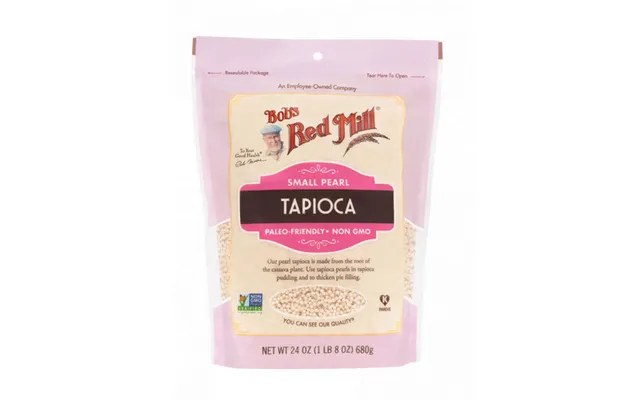
| Bobs Red Mill - Tapioca Small Pearl | $36.26 |




Loading...
Last updated Saturday, Oct 17, 2026
| Tapioca Pearls | Price |
|---|---|
| Bobs Red Mill - Tapioca Small Pearl | $36.26 |
Tapioca pearls are small, chewy ingredients that can turn an ordinary drink or dessert into something special. Whether you are preparing bubble tea at home, building a dessert topping, or experimenting with a new recipe, the right pearls can add texture and fun to every serving. If you are shopping in the United States, comparing pack sizes, brands, and prices can help you make a more confident choice.
ZoneOffer is a comparison site that helps shoppers review product information and available offers. It is not a store, and it does not sell or fulfill the products listed. In the reference data, one featured option is Bobs Red Mill Tapioca Small Pearl, shown as a 24-ounce case of 4 from Herbsdaily for $36.28. This article explores that offer, explains how tapioca pearls fit into everyday cooking, and shares practical ways to shop and store them.
Tapioca pearls are made from tapioca, a starch associated with the cassava root. Their appeal comes from their texture. Once prepared, many types become soft and pleasantly chewy, creating a contrast against smooth drinks, creamy puddings, and fruit-based desserts.
Think of them as tiny edible beads. On their own, they may seem simple, but they can completely change the experience of a recipe. A creamy dessert becomes more interesting, while a cold drink gains a satisfying bite. That texture is one reason tapioca pearls remain popular in home kitchens and beverage recipes.
The featured product is labeled “Tapioca Small Pearl.” Small pearls can be useful when you want the tapioca to blend naturally into a dish rather than dominate each spoonful. They may suit recipes where a more delicate size works better with pudding, fruit, or other soft ingredients.
Because the reference data identifies the product as small pearl tapioca, shoppers can use that description when comparing it with other pearl sizes. Size matters because it can influence cooking time, mouthfeel, and the overall appearance of a finished recipe. Always follow the preparation directions provided with the product you purchase.
The reference data lists Bobs Red Mill Tapioca Small Pearl in a 24-ounce case of 4. The listed store is herbsdaily, and the price shown is $36.28. These are the specific details available for this offer.
When reviewing the listing, pay attention to the wording “case of 4.” The reference data presents the item as a case, so shoppers should consider the full package configuration rather than viewing it as a single standalone bag. The listing does not provide a separate per-unit price, so it is best to use the displayed case price when comparing this offer.
The offer gives you several useful comparison points: the brand is Bobs Red Mill, the product is Tapioca Small Pearl, the listed size is 24 ounces, the package description says case of 4, and the displayed price is $36.28. Together, these details make it easier to compare the offer with other tapioca products that may use different package descriptions.
Do you see why package wording matters? A lower-looking price may represent a smaller quantity, while a case listing may offer more product at once. Comparing the brand, pearl type, stated size, and package count side by side gives you a clearer picture than looking at price alone.
Comparison shopping can help you avoid confusing package sizes and product descriptions. Tapioca pearls may be sold in different formats, and the same general ingredient can appear under different names. A careful review helps you understand exactly what a listing includes before you make a decision.
ZoneOffer provides a place to review comparison information, while the actual offer details come from the listed store information in the reference data. Since ZoneOffer is not a store, shoppers should distinguish between the comparison page and the retailer named in an offer.
A headline price is only one part of the decision. You should also look at the brand, product name, stated weight, package count, and any preparation information supplied by the listing. For the featured offer, the listed price is $36.28, with a description of a 24-ounce case of 4.
It can help to write down the information in a simple checklist. Ask yourself: Is this the pearl size I want? Does the package count fit my household? Is the stated weight clear? Does the offer match the kind of recipe I plan to prepare? These questions turn shopping from guesswork into a straightforward comparison.
Tapioca pearls are often associated with bubble tea, but their use can extend beyond drinks. They can add chewiness to desserts and bring a distinctive texture to sweet dishes. If you enjoy testing recipes, tapioca pearls can act like a blank canvas for different flavors.
You might pair prepared pearls with a creamy base, fresh fruit, or a chilled beverage. The best combination depends on the recipe and the type of pearl. Since the featured item is labeled small pearl, it may be worth considering for dishes where smaller pieces create a more balanced bite.
Bubble tea is one of the most recognizable uses for tapioca pearls. The pearls sit at the bottom of a drink and are usually enjoyed through a wide straw. Their chewy texture creates a playful contrast with tea, milk, or other drink ingredients.
If you are preparing a drink at home, remember that texture is central to the experience. The pearls should complement the drink rather than overwhelm it. Prepare them according to the package directions, allow them to reach the intended texture, and combine them with your chosen beverage.
Small tapioca pearls can also be considered for pudding-style desserts and sweet bowls. Their texture can add interest to smooth ingredients, much like small pieces of fruit or crunchy toppings change the feel of a dish.
Try thinking about balance. A soft base, a chewy element, and a flavorful topping can create a more layered dessert. Tapioca pearls do not need to be the only feature; they can simply provide the memorable texture that makes the dish stand out.
Preparation is important because tapioca pearls are valued for their final texture. Undercooked pearls may feel too firm, while overcooked pearls may lose the bite you want. The exact method depends on the product, so use the instructions supplied with the package as your main guide.
Start by gathering the ingredients and tools you need before cooking. A pot, water, a heat-safe spoon, and a bowl for the prepared pearls may be useful, depending on the recipe. Staying organized makes the process easier and helps you focus on timing.
Different tapioca products can have different preparation requirements. The reference data identifies the featured item as small pearl tapioca but does not provide cooking directions. For that reason, this article does not assign a specific cooking time or water ratio to the product.
Read the package instructions carefully before beginning. If the directions recommend rinsing, soaking, boiling, or resting, follow those steps as written. Treat the instructions like a map: skipping key turns can lead you away from the texture you want.
Texture is often the most useful visual and practical clue during preparation. Once the pearls have been cooked according to the package directions, check whether they have reached the consistency expected for your recipe.
For a drink, you may want a pleasant chew that holds together. For a dessert, you may prefer a softer texture that blends with the base. Your recipe and personal preference both matter, so take notes if you plan to prepare tapioca pearls regularly.
Proper storage helps you keep dry tapioca pearls organized and ready for future recipes. Store unopened product according to the package guidance. Keep the package in a clean, dry place and protect it from moisture.
Once a package is opened, resealing it can help maintain order in your pantry. If the original packaging does not close securely, place the contents in a suitable airtight container and label it with the product name. This simple step can prevent confusion when your pantry contains several baking ingredients.
If you purchase a case of 4, as described in the featured offer, organization becomes even more useful. You can keep one package in your active pantry area and place the remaining packages in a dry storage location. Grouping similar ingredients together makes meal planning faster.
It is also helpful to keep older packages toward the front and newer ones toward the back. This first-in, first-out approach encourages you to use products in a sensible order. Check the package information before use, especially if the product has been stored for a long time.
Your ideal package depends on how often you cook with tapioca pearls. Occasional users may prefer a smaller quantity, while regular bubble tea or dessert makers may appreciate having more available. The reference offer is described as a case of 4, so it may be worth considering whether that quantity matches your cooking habits.
Buying more at once can be practical when you already know you will use the ingredient. However, a larger package format also deserves a little planning. Consider your available storage space, your favorite recipes, and how frequently tapioca pearls appear on your menu.
Ask yourself a few simple questions before choosing an offer. Do you prepare tapioca drinks every week? Are you baking for several people? Do you enjoy keeping staple ingredients on hand? Your answers can help you decide whether a case format makes sense.
The goal is not to choose the biggest package automatically. It is to select a quantity that fits your routine. A good purchase should feel useful, not like a pantry puzzle you have to solve later.
The featured product is listed under the Bobs Red Mill brand. Brand information can help shoppers distinguish one product from another, especially when several listings use similar ingredient names.
Still, the product name and package details should remain part of your review. The listed brand is Bobs Red Mill, while the product is identified as Tapioca Small Pearl. Checking both details can help you avoid selecting a different tapioca format by mistake.
The reference data includes a product description and also contains general website language and a warning statement. This article does not add medical conclusions or make claims beyond the supplied information. If you have questions about ingredients, suitability, or warnings, review the product packaging and consult an appropriate professional when necessary.
Careful reading is especially important when you have dietary preferences or specific ingredient concerns. Product packaging is the best place to verify current information associated with the item you purchase.
To compare the featured offer with other tapioca pearl listings, create a short table with the product name, brand, pearl size, stated weight, package count, and price. For the reference offer, record Bobs Red Mill, Tapioca Small Pearl, 24 ounces, case of 4, and $36.28.
This method keeps your comparison focused. It also helps you spot differences that may be hidden in long product titles. One listing may emphasize its brand, another its quantity, and another its intended use. A simple table brings the important points into the same view.
Try to compare products with similar quantities and formats. Comparing a single package with a case can create a misleading impression. If the package sizes differ, note that difference clearly instead of assuming the lower price is the better value.
You can also consider how the pearl size fits your recipes. A product intended for a different preparation style may not provide the result you expect. Product labels, package directions, and stated descriptions should guide your decision.
Once you find a product that suits your needs, plan a few recipes around it. You could prepare a chilled drink one day and a dessert on another. Having a clear plan makes it easier to use pantry ingredients instead of letting them sit untouched.
Keep your first recipes simple. This gives you a chance to learn how the pearls behave during preparation. After that, you can experiment with different flavors and serving styles. Cooking is a little like tuning an instrument: small adjustments can make the final result feel just right.
Save the recipes you enjoy and record any adjustments you make. You may prefer a softer or firmer texture, a sweeter base, or a different serving temperature. Notes help you repeat successful results without having to start from scratch each time.
Over time, tapioca pearls can become more than a one-time purchase. They can become a dependable ingredient for drinks, desserts, and creative kitchen experiments.
Tapioca pearls bring a distinctive chewy texture to bubble tea, desserts, and other sweet creations. The reference offer features Bobs Red Mill Tapioca Small Pearl, listed as a 24-ounce case of 4 from herbsdaily for $36.28. When comparing this or any similar product, review the brand, pearl size, stated weight, package count, and price together. Follow the package directions, store the product carefully, and choose a quantity that fits your cooking routine. With a little planning, tapioca pearls can add a small but memorable twist to your favorite recipes.