

Baking Powder price list
Last updated Saturday, Oct 17, 2026
| Baking Powder | Price |
|---|---|
| High Quality Food Grade Additive Sodium Acid Pyrophosphate Sapp Powder | $4.50 |
| Bobs Red Mill - Baking Powder | $27.09 |
| Rumford - Baking Powder | $66.19 |




Loading...
Last updated Saturday, Oct 17, 2026
| Baking Powder | Price |
|---|---|
| High Quality Food Grade Additive Sodium Acid Pyrophosphate Sapp Powder | $4.50 |
| Bobs Red Mill - Baking Powder | $27.09 |
| Rumford - Baking Powder | $66.19 |
Baking powder may look like a small, ordinary ingredient, but it plays a huge role in the kitchen. It helps quick breads, biscuits, cakes, and other no-yeast recipes rise, giving them a lighter texture instead of leaving them dense and heavy. Think of it as the quiet engine behind many baked goods: you may not notice it when everything works, but you certainly notice when it is missing.
Because baking powder is used in relatively small amounts, one container can support several recipes. That makes package size, product format, and price important when you are comparing options. A single purchase may be suitable for occasional baking, while a case can make more sense for regular home bakers, community kitchens, or anyone who prefers to keep staple ingredients ready.
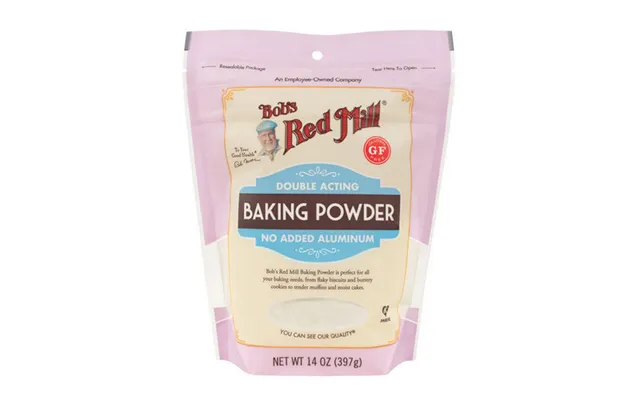
Baking powder is a leavener. According to the product information for Bob’s Red Mill Baking Powder, it releases carbon dioxide when exposed to moisture and heat. Those bubbles help expand the batter or dough as it cooks, creating lift and a softer crumb.
Many baking powders are double acting, meaning they are designed to react during more than one stage of the baking process. The Bob’s Red Mill listing describes its product as a double-acting baking powder. That feature can be useful because the leavening action is not limited to the moment when the ingredient first meets liquid.
Baking powder is not the same as baking soda or yeast. Baking soda generally needs an acidic ingredient in a recipe, while yeast is a living leavener commonly associated with longer rising times. Baking powder is often chosen for recipes designed to move from mixing bowl to oven without a yeast-based rise.
That distinction matters when you substitute ingredients. A recipe written for baking powder may not behave the same way if you replace it with baking soda alone. The balance of ingredients is like a recipe’s internal architecture: change one support, and the whole structure may shift.
The Bob’s Red Mill Baking Powder offer listed in the reference data includes a case of four containers, with each container holding 14 ounces. The listed price is $26.95 through Herbsdaily. This format may appeal to bakers who use baking powder regularly and want multiple containers available.
The product description identifies this baking powder as suitable for quick breads, biscuits, cakes, and other no-yeast baking recipes. It also states that the formula has no aluminum added and is intended to avoid a bitter or metallic aftertaste. These details may matter if flavor is a major part of your buying decision.
The listing also describes the product as vegan, kosher, keto friendly, and non-GMO. Since dietary preferences vary from household to household, checking the product information before ordering remains a sensible habit. Labels and formulas can change, so the current listing should always be your final reference.
With four 14-ounce containers in the case, the total amount is 56 ounces. At the listed price of $26.95, the approximate cost works out to about $0.48 per ounce. This calculation is based only on the listed package size and price and does not include any additional charges that may apply.
Looking at the cost per ounce can make comparisons easier. A larger package is not automatically the best value, but dividing the total price by the total ounces gives you a clearer lens. It is similar to comparing fuel costs by the gallon rather than judging two vehicles by the price shown on the windshield alone.
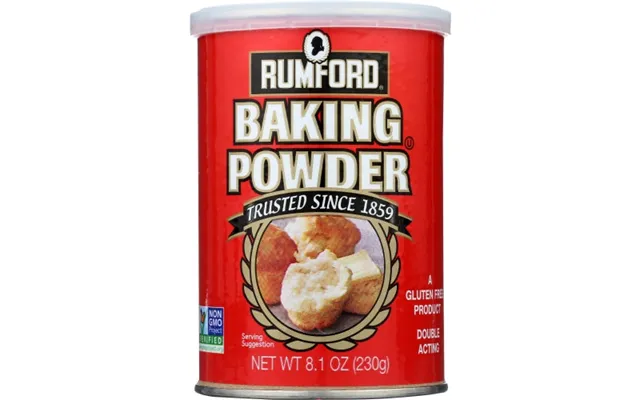
The Rumford Baking Powder offer includes a case of 12 containers, with each container holding 8.1 ounces. The listed price is $58.56 through herbsdaily. This is a larger case count than the Bob’s Red Mill option, although each individual container is smaller.
The reference data identifies the Rumford product with gluten-free and non-GMO claims. Those details may be useful for shoppers who are comparing products according to dietary preferences or ingredient considerations. As always, read the current package information carefully if a particular dietary requirement is important to you.
The Rumford case contains 97.2 ounces in total. Based on the listed price, the approximate cost is about $0.60 per ounce. This comparison does not account for shipping, taxes, or other possible charges because those details are not provided in the reference data.
The case size could suit a household that bakes often or prefers to buy pantry staples in quantity. On the other hand, occasional bakers may want to think about how quickly they will use nearly 100 ounces. Buying more can lower the need for repeat shopping, but unused baking ingredients can lose quality over time.
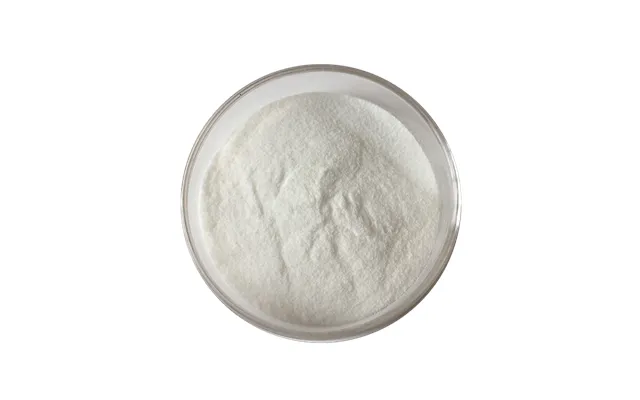
The reference data also lists a High Quality Food Grade Additive Sodium Acid Pyrophosphate SAPP Powder offer on Alibaba. The listed price is $4.50. Unlike the Bob’s Red Mill and Rumford entries, the listing does not provide a package weight, container count, or brand name.
Sodium acid pyrophosphate is identified in the Bob’s Red Mill ingredient information as one component of its baking powder formula. However, shoppers should not automatically treat a standalone additive listing as a direct replacement for a complete baking powder product. A baking powder blend may contain several ingredients that work together in a recipe.
Because the SAPP listing provides limited package information in the supplied data, it is not possible to calculate a cost per ounce or make a direct quantity comparison with the other offers. That is an important reminder: a low displayed price does not tell the whole story when the amount and format are unclear.
When you compare these products, start with the information that is actually available. Bob’s Red Mill is listed as a four-pack of 14-ounce containers for $26.95. Rumford is listed as a 12-pack of 8.1-ounce containers for $58.56. The SAPP powder listing shows a $4.50 price but does not include a stated package size or quantity in the reference data.
By total quantity, the Bob’s Red Mill case provides 56 ounces, while the Rumford case provides 97.2 ounces. By approximate cost per ounce, Bob’s Red Mill is lower based on the listed figures. Still, value is not only about arithmetic. Dietary claims, preferred brand, container size, intended use, and how quickly you bake can all influence the better fit.
Before choosing, ask yourself a few practical questions. How much baking powder do you normally use? Do you prefer a multi-pack of smaller containers or a case with more total ounces? Are claims such as vegan, gluten-free, kosher, keto friendly, or non-GMO relevant to your household? Does the listing provide enough information for you to understand what you are buying?
You can also compare the product type. A complete baking powder product is designed for direct use in recipes, while a standalone additive may require more knowledge about formulation and intended application. When in doubt, choose the format that matches your recipe needs and comfort level.
Start with your recipes. If you regularly make biscuits, cakes, pancakes, muffins, or quick breads, a standard baking powder product may be the most convenient option. If you bake only occasionally, a smaller amount may help you avoid holding more inventory than you can use.
Next, consider the label. The listed Bob’s Red Mill product is described as aluminum-free and double acting, while the Rumford listing includes gluten-free and non-GMO claims. These are different details, so compare the features that matter most to you rather than assuming one product is universally better.
Package design can also affect convenience. Several smaller containers may be easier to store and open over time than one large container. A larger case, however, may be useful if you bake for a crowd or want backup supplies. There is no single perfect package; the right choice should match your kitchen routine.
The Bob’s Red Mill listing names sodium acid pyrophosphate, sodium bicarbonate, cornstarch, and monocalcium phosphate among the ingredients. Ingredient information can help you understand what a product contains and whether it fits your preferences.
The same listing includes nutrition information for a one-quarter tablespoon serving and identifies sodium at 160 milligrams, or 7 percent of the daily value shown in the product data. If nutrition is important to you, review the package label and serving information rather than relying only on general assumptions about baking ingredients.
Good storage can help protect the quality of baking powder. Keep it in a cool, dry place and close the container securely after each use. Moisture is a baking powder’s enemy because the ingredient is designed to react when it meets moisture and heat. You want that reaction to happen in the oven, not inside the container.
Try not to store baking powder beside a steaming kettle, dishwasher vent, or sink. A dry pantry shelf is usually more sensible than a humid spot. Also, avoid using a wet measuring spoon. Even a small amount of moisture can introduce unwanted activity into the container.
If you buy a case, keep unopened containers together and mark the date you begin using each one. Rotate older containers forward so they are used first. This simple system works like a small pantry traffic signal: the products closest to the front get attention before newer supplies.
Large purchases can be practical, but only when your baking habits support them. Before choosing a 12-container case, estimate how often you bake and how much baking powder your recipes use. A bargain is less useful if most of the product sits unused.
Comparing unit cost is one of the clearest ways to look for value. For the listed Bob’s Red Mill offer, dividing $26.95 by 56 total ounces gives an approximate cost of $0.48 per ounce. For the listed Rumford offer, dividing $58.56 by 97.2 total ounces gives an approximate cost of $0.60 per ounce.
These figures are useful for comparing the supplied offers, but they are not a guarantee of final checkout cost. The reference data does not provide shipping charges, taxes, delivery timing, or additional store conditions. Treat the unit costs as a planning tool, then review the current listing before making a purchase.
You can also save by matching quantity to consumption. Regular bakers may benefit from buying a case, while occasional bakers may prefer a smaller commitment. Planning recipes around ingredients already in your pantry can help reduce waste, too. Sometimes the smartest saving strategy is not buying the largest package—it is using what you have efficiently.
Baking powder is commonly associated with quick breads, biscuits, and cakes, all of which are named in the Bob’s Red Mill product description. It can also appear in many other no-yeast recipes where a lighter texture is desired. Follow the recipe’s stated amount carefully, because too little may produce a dense result and too much can affect flavor and structure.
Measure with a dry measuring spoon and level the top for more consistent results. Baking is a little like following a map: small deviations may still get you somewhere, but accurate directions make the journey much more predictable. Mix the powder evenly with the dry ingredients so the leavening is distributed throughout the batter or dough.
If baked goods come out flat, first review the ingredient quantity, measuring technique, and storage conditions. Moisture exposure or an old container may affect performance. Also check whether the recipe calls for baking powder, baking soda, or another leavener. These ingredients are not interchangeable in every formula.
Remember that baking powder needs moisture and heat to release carbon dioxide, but the overall result also depends on the rest of the recipe. Oven temperature, mixing, pan size, and ingredient proportions can all influence the final texture. Treat the leavener as one part of the baking team, not the entire team.
ZoneOffer is a comparison site, not a store. Its role is to help you review product listings, prices, brands, package details, and sellers in one place. That makes it easier to compare the Bob’s Red Mill and Rumford case formats with the separately listed SAPP powder offer.
Since listings can change, use the comparison information as a starting point. Check the current product page for the latest package description and price before purchasing. The supplied data identifies herbsdaily for the Bob’s Red Mill and Rumford offers and Alibaba for the SAPP powder listing; those seller details should be reviewed alongside the product information.
The best baking powder choice depends on how you bake, which product features matter to you, and how much you can realistically use. The listed Bob’s Red Mill case contains four 14-ounce containers for $26.95, while the Rumford case contains twelve 8.1-ounce containers for $58.56. The SAPP powder listing shows a $4.50 price but does not include enough package information for a direct unit comparison. By checking ingredients, claims, quantity, storage needs, and approximate cost per ounce, you can choose with greater confidence and keep your baking pantry ready for the next batch.