

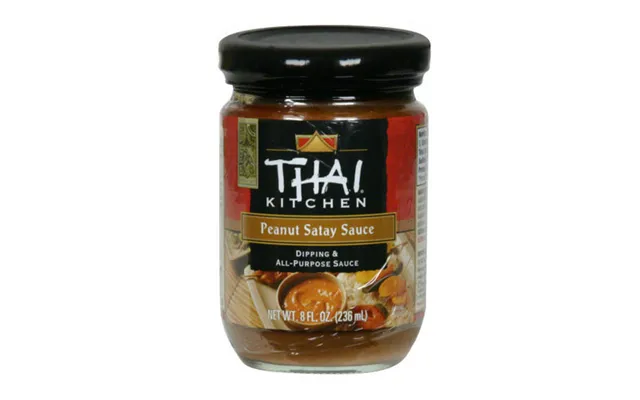
Satay Sauce price list
Last updated Sunday, Oct 18, 2026
| Satay Sauce | Price |
|---|---|
| Thai Kitchen - Peanut Satay Sauce | $90.84 |





Loading...
Last updated Sunday, Oct 18, 2026
| Satay Sauce | Price |
|---|---|
| Thai Kitchen - Peanut Satay Sauce | $90.84 |
Satay sauce brings together the rich taste of peanuts, the smoothness of coconut milk, and the lively character of spices. It can turn a plain bowl of noodles, a plate of vegetables, or a simple grilled dish into something far more exciting. If you enjoy sweet-and-savory flavors with a gentle kick, satay sauce deserves a regular place in your pantry.
This guide explores the available Thai Kitchen Peanut Satay Sauce listed in the reference data, along with practical ways to use satay sauce at home. You will learn what makes the flavor work, how to choose a jar or multipack, and how to build meals around its creamy texture. Think of it as a shortcut to a more adventurous dinner—one spoonful at a time.
Satay sauce is a savory condiment commonly associated with peanut-based sauces served alongside grilled foods and other dishes. Its familiar profile often combines roasted peanut flavor with sweet, salty, creamy, sour, and spicy notes. The result is a sauce that can act as a dip, cooking ingredient, noodle coating, or finishing touch.
Because satay sauce has a full flavor, you usually do not need much to make an impact. A small amount can add richness to a dish, while a larger spoonful creates a bold coating for noodles or vegetables. It is a bit like adding a colorful brushstroke to a blank canvas: the base meal stays recognizable, but the overall experience changes.
The referenced product is Thai Kitchen Peanut Satay Sauce. The listing describes it as an 8-ounce package sold in a case of 6. It is presented as a peanut satay sauce made with fresh-roasted peanuts simmered with coconut milk and spices, creating a sweet, earthy taste.
The product description also suggests two uses: serving it as a cooking sauce or tossing it with noodles for a stir-fry-style meal. That flexibility makes it appealing for cooks who want one condiment to serve several roles in the kitchen.
The listed brand is Thai Kitchen, and the store shown in the data is Herbsdaily. The listed price is $90.84 for the case of 6. ZoneOffer is a comparison site, not a store, so shoppers should use the listing as a comparison point and review the current offer details before making a purchase.
Each unit is listed as 8 ounces, with 6 units in the case. That format can be useful if you already use satay sauce often, cook for several people, or want to keep extra portions available for future meals. It may also suit households that enjoy experimenting with sauces instead of buying a single jar for occasional use.
Before choosing a multipack, ask yourself a simple question: how often will you use it? If satay sauce appears on your menu every week, a case may be practical. If you are trying the flavor for the first time, consider whether the total quantity fits your cooking habits and storage space.
The listed ingredients include water, coconut milk, sugar, soybean oil, peanut, sesame seed, spices including red chili pepper, tamarind, salt, modified tapioca starch, shallot, garlic, lemongrass, lime peel, citric acid, and turmeric. Together, these ingredients suggest a layered sauce rather than a one-note peanut spread.
Peanuts provide the central roasted, earthy character. Coconut milk contributes a creamy element, while sugar brings sweetness. Tamarind and lime peel can add a tangy contrast, helping keep the sauce from tasting too heavy. Garlic, shallot, lemongrass, chili pepper, and turmeric add aromatic and savory depth.
That balance is what makes satay sauce so versatile. Sweetness draws you in, peanut gives the sauce body, coconut milk smooths the texture, and spices keep each bite interesting. Instead of shouting one flavor, the ingredients work more like a small orchestra, with each note supporting the others.
Satay sauce can be used straight from the container as a dip, or it can become part of a larger recipe. The product description specifically mentions using it as a cooking sauce and tossing it with noodles. Those two methods alone can cover quick lunches, weeknight dinners, and casual sharing plates.
For an easy noodle meal, prepare your noodles and toss them with satay sauce while they are still warm. The heat helps the sauce spread across the noodles, creating a creamy coating. Add vegetables or another preferred ingredient for contrast in texture and color.
If the sauce feels too thick for your dish, you can loosen it with a small amount of cooking liquid. Add it gradually rather than all at once. This gives you more control over the final texture and helps the sauce cling to the noodles instead of pooling at the bottom of the bowl.
For a stir-fry-style meal, cook your main ingredients first, then add satay sauce near the end. Stir gently until everything is coated. Since the sauce already contains several seasonings, taste before adding extra salt or other strong flavors.
Satay sauce works naturally as a dip. Place it in a small bowl alongside vegetables, noodles, or other savory foods. Its thick, creamy consistency makes it easy to scoop or drizzle, while the peanut and spice profile gives simple appetizers a more distinctive character.
For a more varied spread, serve the sauce with fresh vegetables and another dip with a contrasting flavor. One sauce can provide richness, while the other brings freshness or acidity. This approach lets guests customize each bite without requiring a complicated recipe.
A drizzle of satay sauce can add personality to a wrap or grain bowl. Start with a modest amount, then add more if needed. The sauce is especially useful when the base ingredients are mild and need a strong finishing flavor.
You can also place the sauce in a small container for a packed lunch, provided the meal is stored safely according to your normal food-handling practices. Keeping the sauce separate helps preserve the texture of the other ingredients until you are ready to eat.
Satay sauce is already designed to deliver a mixture of flavors, but you can still adjust how it fits a particular dish. If a meal feels too rich, pair the sauce with fresh or crisp ingredients. If it tastes too mild for your preference, consider adding a spicy element separately rather than changing the entire batch.
Acidic flavors can help brighten a creamy sauce, while fresh herbs or crunchy vegetables can add contrast. You might also thin the sauce slightly when using it as a drizzle, or keep it thicker when serving it as a dip. The goal is not to overpower the sauce but to give it the right supporting cast.
Every palate is different. Some people enjoy a sweeter satay profile, while others prefer more heat or acidity. Since the referenced Thai Kitchen sauce includes sugar, red chili pepper, tamarind, and lime peel among its listed ingredients, it already offers several dimensions of flavor.
When serving a group, keep optional additions on the side. This lets each person customize their portion without changing the entire dish. It is a simple strategy, but it prevents one strong preference from taking over the meal.
When comparing satay sauces, begin with the ingredient list. Look for the flavor elements you enjoy, such as peanuts, coconut milk, chili, tamarind, garlic, lemongrass, or citrus. Ingredients can provide clues about whether a sauce may taste creamy, sweet, spicy, tangy, or aromatic.
Next, consider the package format. A single container may be suitable for occasional use, while a case can make more sense for frequent cooking. The referenced listing is a case of 6, with each container holding 8 ounces, so the total quantity should be part of your comparison.
Price is another important factor, but it should be considered alongside quantity. The listed price of $90.84 applies to the referenced case, not necessarily to an individual container. Dividing the case price by the number of units gives a simple comparison figure of $15.14 per 8-ounce container, based on the listed data.
Finally, review the current listing details before buying. Product information can change, and the reference data does not establish every possible purchasing detail. ZoneOffer helps shoppers compare information; it does not sell the product itself.
Use satay sauce thoughtfully rather than flooding the dish. Start with less than you think you need, mix thoroughly, and taste. You can always add more, but removing excess sauce is much harder.
Warm the sauce gently when you want it to coat noodles or cooked ingredients. Avoid treating it like a thin cooking liquid. A gradual approach helps preserve its creamy quality and makes it easier to control the consistency.
Keep textures in mind. A creamy sauce pairs well with crisp vegetables, tender noodles, and foods that can absorb flavor. Combining soft and crunchy elements makes the meal feel more complete and prevents every bite from having the same texture.
Prepared satay sauce can save time when you want a meal with a more complex flavor profile but do not want to measure several seasonings. The referenced product contains multiple aromatic and savory ingredients, including garlic, shallot, lemongrass, turmeric, and spices.
That does not mean every meal should taste the same. Change the base instead. Use the sauce with noodles one day, vegetables another day, and a different combination later in the week. The condiment stays familiar while the rest of the meal keeps moving in new directions.
The listed ingredients include peanut and sesame seed. Anyone managing food allergies or sensitivities should read the product label carefully and make decisions appropriate to their needs. Ingredient lists are the best starting point because they identify the components included in the referenced product.
The listing also includes a warning associated with California Proposition 65. Shoppers who have questions about the warning or the ingredients should review the product information and consult a qualified professional when appropriate. This article does not replace label guidance or personal medical advice.
It is also worth remembering that sauces can contain several flavor components at once. If you are preparing food for guests, sharing the ingredient information helps them decide whether the dish suits their requirements.
Satay sauce is useful because it bridges the gap between a condiment and a cooking ingredient. You can dip into it, stir it through a meal, or use it as a finishing drizzle. Few pantry items offer that many possibilities with so little preparation.
The Thai Kitchen Peanut Satay Sauce in the reference data emphasizes roasted peanuts, coconut milk, and spices. Those ingredients create a profile that can complement mild foods while adding sweetness, richness, and aromatic depth. Whether you are preparing a quick bowl of noodles or building a larger meal, the sauce gives you a dependable starting point.
Its case format also encourages planning. With 6 containers of 8 ounces each, you can keep the sauce available for repeated use, assuming that quantity matches your household’s needs. The key is to compare the full case price, package size, ingredients, and intended uses rather than judging the product by the sauce name alone.
Satay sauce is a simple way to bring creamy peanut flavor, coconut richness, sweetness, tang, and spice to everyday meals. The referenced Thai Kitchen Peanut Satay Sauce is listed in a case of 6, with 8 ounces per container, and is described for use as a cooking sauce or noodle coating. At the listed case price of $90.84, it offers a multipack option for shoppers who use satay sauce regularly. Compare the details carefully on ZoneOffer, remember that ZoneOffer is a comparison site rather than a store, and let your preferred ingredients and cooking habits guide your choice.