

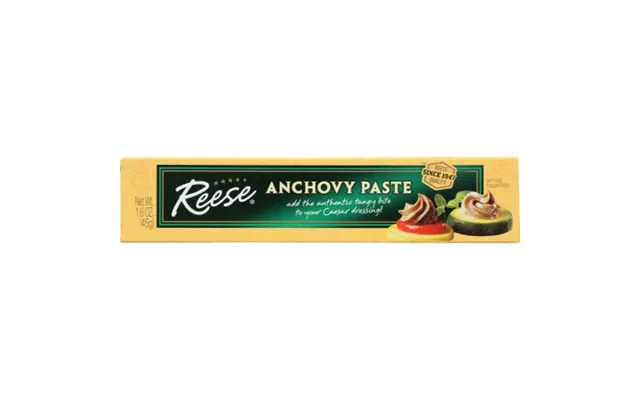
Fish Sauce price list
Last updated Sunday, Oct 18, 2026
| Fish Sauce | Price |
|---|---|
| Reese - Anchovy Paste | $34.93 |




Loading...
Last updated Sunday, Oct 18, 2026
| Fish Sauce | Price |
|---|---|
| Reese - Anchovy Paste | $34.93 |
Fish sauce is one of those pantry ingredients that can quietly transform a dish. A small amount can add depth, saltiness, and a rich savory character without making the meal taste strongly fishy when used carefully. If you enjoy exploring condiments and sauces, fish sauce and anchovy paste are useful ingredients to understand.
In the reference selection, ZoneOffer features Reese Anchovy Paste in a 1.6-ounce case of 10, listed through Herbsdaily for $34.93. ZoneOffer is a comparison site, so you can use the information to evaluate an offer rather than treating ZoneOffer as the seller.
Fish sauce is valued for its concentrated savory flavor. Think of it as a seasoning with the volume turned up: a little can help round out soups, sauces, marinades, dressings, and stir-fries. It can bring balance to sweet, sour, spicy, and salty ingredients.
Many home cooks use fish sauce when a dish tastes flat but does not necessarily need more table salt. Its character can add another layer, much like a deep bass note in music. The goal is not always to identify the ingredient; instead, the goal is to make the whole recipe taste more complete.
Fish sauce and anchovy paste are related in the sense that both provide a concentrated seafood-based savory flavor, but they are not identical products. Fish sauce is generally liquid, while anchovy paste has a thicker texture that can blend into warm sauces, spreads, and dressings.
Anchovy paste can be especially convenient when you want controlled portions and a texture that stays where you add it. It can melt into a pan sauce or combine with other ingredients without adding much liquid. Fish sauce, by contrast, is easy to stir into broths, dipping sauces, and marinades.
The listed product is Reese Anchovy Paste, supplied as a 1.6-ounce case of 10. The offer shows a price of $34.93 through herbsdaily. These details make the product relevant for shoppers who want a concentrated savory ingredient in a multi-unit format.
A case of 10 may appeal to cooks who regularly use anchovy paste or want to keep a supply available for future recipes. It may also suit people who prefer planning their pantry purchases instead of buying a single unit each time. Before purchasing, review the listing carefully for the information that matters most to you, including product details and current offer status.
A multi-unit format can make sense when an ingredient appears often in your cooking. If you use anchovy paste in sauces, dressings, pasta dishes, or savory spreads, having more than one unit available may make meal planning easier.
At the same time, concentrated ingredients are best approached with a little planning. Consider how often you cook with anchovy paste, how much storage space you have, and whether the listed quantity fits your needs. A case purchase is most useful when it matches your real cooking habits rather than becoming an impulse buy.
Anchovy paste can work behind the scenes in many recipes. Stir a small amount into a tomato-based sauce for added depth, or blend it into a vinaigrette with oil and an acidic ingredient. It can also help create a fuller flavor in soups, stews, and vegetable-based dishes.
The key is to start modestly. You can always add more, but removing an intense seasoning from a finished recipe is much harder. Treat the paste like a concentrated paint color: begin with a small brushstroke, taste, and build gradually.
Anchovy paste can add savory complexity to pasta sauces, particularly those built with tomatoes, garlic, olive oil, or vegetables. Stir it into the sauce while it is warm so the paste has time to disperse. This can create a more rounded flavor without leaving large pieces in the finished dish.
For a simple approach, combine the paste with other sauce ingredients and taste before adding additional salt. Because anchovy paste is concentrated, the final seasoning may need less salt than you first expect.
Salad dressings and dips are another natural match. Anchovy paste can blend with oil, vinegar, herbs, garlic, or creamy ingredients. Its smooth texture makes it convenient for recipes where you want the flavor distributed evenly.
Try mixing a small amount into a dressing, then adjust the balance with acidity or other ingredients. A bright acidic note can keep the result from tasting too heavy, while herbs can make the flavor feel fresher.
Warm, slow-cooked dishes often benefit from layered seasoning. A small quantity of anchovy paste can dissolve into a soup, stew, or braising liquid and support the other flavors. Since it blends into the cooking liquid, it can be a practical choice when you want savory depth without changing the texture.
When adding it to a large pot, begin with a conservative amount and taste as the dish develops. Long cooking can change how the seasoning comes across, so checking the flavor near the end is a smart habit.
Strong savory ingredients work best when balanced with other taste elements. If a dish seems too salty, consider whether it needs more unsalted ingredients rather than simply adding water. Depending on the recipe, acidity, sweetness, heat, or richness may help create a more harmonious result.
Imagine flavor as a set of dials on a mixing board. Anchovy paste increases the savory dial, but the best dish usually comes from adjusting several dials together. Garlic, herbs, citrus, vinegar, tomatoes, chili, and olive oil can all play supporting roles.
Because anchovy paste is concentrated, measured additions are helpful. Add a little, stir thoroughly, and taste. If the flavor is still too subtle, add another small amount. This method gives you control and helps prevent the paste from overpowering delicate ingredients.
This approach is useful whether you are preparing a quick dressing or a large batch of sauce. Recipe size matters, but so does the intensity of the other ingredients. A bold tomato sauce may handle more seasoning than a lightly dressed salad.
If your recipe includes olives, capers, cheese, broth, soy sauce, or fish sauce, remember that these ingredients may also contribute saltiness and savory flavor. Combining several of them can produce a delicious result, but the seasoning should be added thoughtfully.
One practical strategy is to delay final salting until after the anchovy paste and other concentrated ingredients have been incorporated. This gives you a clearer idea of the finished balance.
The best choice depends on the recipe and the texture you want. Fish sauce is convenient when you need a liquid seasoning that can disperse quickly. Anchovy paste is useful when you want a thicker ingredient that can blend into sauces, dressings, and warm dishes.
Do you want a few drops stirred into a broth or dipping sauce? Fish sauce may be the more natural fit. Do you want a concentrated paste to fold into a sauce or dressing? Anchovy paste may be more practical.
Anchovy paste can be a helpful pantry option for cooks who prepare savory recipes regularly. Its concentrated form means a small portion can contribute noticeable depth. The Reese product listed in the reference data is offered in a case of 10, which may suit shoppers looking for a multi-unit purchase.
As with any packaged food item, read the product listing and ingredient information available from the seller before buying. The reference data identifies the product as Reese Anchovy Paste but does not provide a complete ingredient panel or detailed nutrition information.
The Reese Anchovy Paste offer is listed at $34.93 for a 1.6-ounce case of 10 through herbsdaily. That gives shoppers a clear starting point for comparing the offer with their intended pantry needs. Since prices and listing conditions can change, check the current information before completing a purchase.
When evaluating a multi-unit food offer, look beyond the headline price. Consider the total quantity, the number of units, how frequently you use the product, and whether the format works for your cooking routine. A lower cost per unit is only valuable when the product is something you will actually use.
First, ask whether you already have recipes that call for anchovy paste. If not, think about whether you are comfortable experimenting with sauces, dressings, soups, and pasta dishes. Next, consider whether a case of 10 is appropriate for your household.
You may also want to review the listing for product information, seller details, and any available purchase terms. ZoneOffer helps compare shopping information, but it is not the store and does not itself fulfill the order.
If you are new to anchovy paste, start with familiar dishes. Add a small amount to a tomato sauce, whisk it into a vinaigrette, or blend it into a savory dip. These recipes give you a chance to learn how the flavor behaves without redesigning an entire meal.
You can also use it as part of a marinade or seasoning mixture. Pair it with ingredients that already have strong culinary connections, such as garlic, olive oil, herbs, tomatoes, vinegar, or citrus. Taste as you go and keep the rest of the seasoning measured.
For a simple starting point, combine anchovy paste with a fat, an acidic ingredient, and aromatic seasonings. Olive oil can provide richness, vinegar or lemon can add brightness, and garlic or herbs can create a familiar savory profile.
There is no need to make the paste the star of the dish. In many recipes, it works more like a supporting actor: important to the overall performance but not meant to dominate every scene.
The reference data does not provide specific storage instructions for the Reese product, so follow the directions shown on the product packaging or current listing. General pantry planning still matters: keep track of how many units you have and organize them so older products are used before newer ones when appropriate.
If you purchase a case, choose a storage location that keeps the units easy to see and reach. Good organization can prevent duplicate purchases and make it simpler to remember the ingredient when you are planning meals.
Some cooks prepare elaborate sauces every week, while others want quick ingredients for occasional meals. Anchovy paste can fit either style, but the value of a multi-unit offer depends on your habits. Consider your typical recipes, household size, and cooking frequency before deciding.
Use the listed Reese offer as a comparison point rather than an assumption that the product suits every kitchen. The right pantry purchase is the one that supports the meals you genuinely enjoy preparing.
Fish sauce and anchovy paste can give everyday cooking a deeper, more satisfying flavor. While they are different formats, both can help build savory complexity when used with care. The featured Reese Anchovy Paste is listed as a 1.6-ounce case of 10 for $34.93 through herbsdaily, offering a multi-unit option for shoppers who regularly use concentrated seafood-based seasoning. Compare the details, think about your recipes, and start with small amounts to create balanced results.