

Monoculars price list
Last updated Monday, Nov 9, 2026




View 9 Offers
Loading...
Last updated Monday, Nov 9, 2026
A monocular can feel like a pocket-sized window into the distance. Unlike binoculars, it uses one optical tube, making it compact, lightweight, and easy to carry. Whether you want to identify a bird, follow outdoor activity, read small details, or explore after dark, the right model can make distant scenes more accessible.
The reference listings cover a broad range of options, from a simple 3x magnifying light to thermal imaging equipment and digital night vision devices. Prices range from $19.80 for a foldable periscope monocular to $6,999 for the HT-C18 thermal monocular. That wide spread shows why comparing specifications matters before you buy.
ZoneOffer is a comparison site that helps you review products and listings from different sellers. It is not a store, and the listed prices, product details, and availability should be checked on the relevant seller page before making a purchase.
Start with one simple question: what do you want to see, and when do you want to see it? A daytime viewing monocular is usually designed around magnification, portability, and optical clarity. A night vision model adds an electronic sensor, infrared illumination, a screen, or recording features. A thermal monocular works differently by displaying heat differences rather than ordinary visible light.
Magnification is important, but bigger is not automatically better. Very high magnification can make hand shake more noticeable and may require careful focusing. For casual viewing, a moderate magnification may feel easier to use. For long-range observation, a model with electronic zoom or interchangeable focus options may be more suitable.
If you plan to carry your monocular on hikes, trips, or sporting outings, size and weight matter. The Chanarily 40x60 monocular weighs about 12 ounces, while the ESSLNB night vision monocular weighs about 6 ounces. A compact model is easier to keep within reach, because an optic left at home cannot help you see anything.
Look for features that support comfortable use, such as a hand strap, carrying bag, protective case, or compact construction. Several listings include accessories such as cleaning cloths, straps, cases, or user manuals, but the included items vary by product.
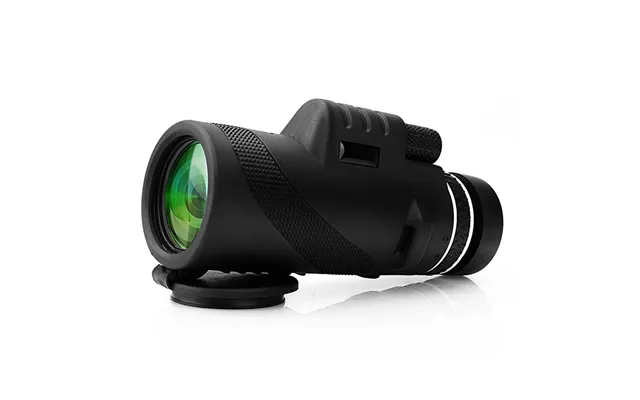
For everyday tasks, you may not need a sophisticated camera or thermal sensor. A simple optical monocular can be useful for viewing distant details, reading signs, observing scenery, or carrying on a walk. The Chanarily 40x60 Outdoor Camping Telescope offers 40x magnification, a 60-millimeter objective lens, a 7-degree field of view, and a roof prism system. It is listed at $29.99 from Banggood.com.
The same listing describes fully optical glass and an FMC green film intended to help gather light. It includes a carrying bag, hand strap, lens cloth, and user manual. Its listed black body and approximately 12-ounce weight make it a practical-looking option for outdoor use, though the best choice depends on how steady you can hold high magnification.
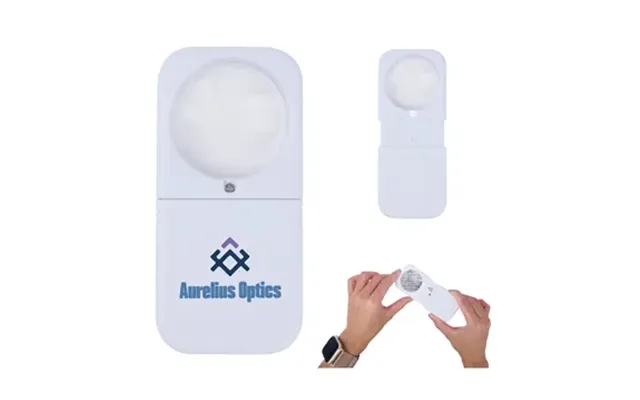
The 150 Custom Luma Magnifier and Light is different from a traditional long-distance monocular. It provides 3x magnification and includes a built-in LED light that turns on when the device is extended and off when it is closed. The listing says it includes two CR1220 lithium batteries.
This type of magnifier may suit close-up tasks such as reading labels, menus, or small print. It is compact and portable, so it may appeal to users who want a small illuminated viewing aid rather than a long-range outdoor optic. The listed price is $526.66 from AmberPromos, so comparing the product’s intended use with other options is especially important.
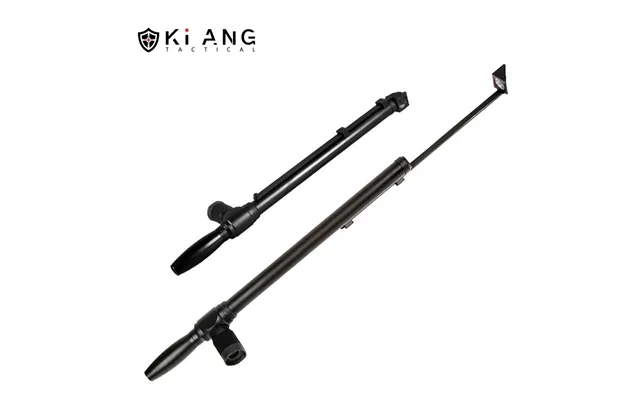
The Kiang Wholesale 5x Magnification Lightweight Aluminum Height Adjustable Foldable Periscope Monocular offers 5x magnification and a foldable design. Its aluminum construction and height-adjustable format may appeal to users who prioritize portability and a distinctive periscope-style viewing experience.
The listed price is $19.80 from Alibaba. The supplied data does not provide a detailed field of view, objective lens size, or accessory list for this model, so shoppers should review the seller’s full specifications before deciding whether it meets their expectations.
Why might a foldable design matter? Think of it like a collapsible camp chair: the main advantage is convenience when stored or carried. If you need a quick, simple viewing tool for travel or outdoor use, a compact format can be more valuable than a long specification sheet.
Night vision monoculars use electronics to help you view scenes in darkness or low light. They may include infrared illumination, digital zoom, a display, image capture, and rechargeable or replaceable batteries. These features make them more versatile than basic optical monoculars, but they also add controls and power requirements.
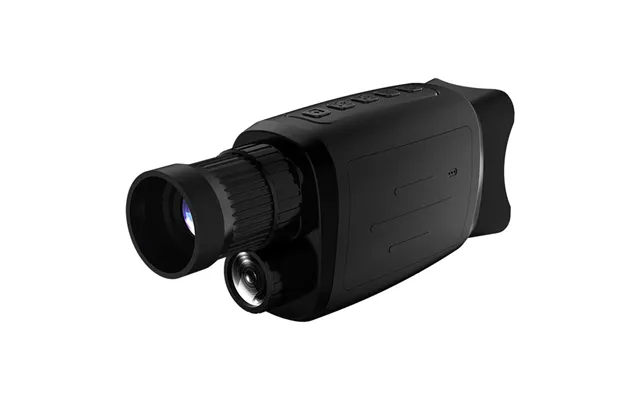
The IPRee Monocular Night Vision Device includes a 2-inch TFT screen, 16x digital zoom, a rechargeable 2,000mAh battery, and 1080p or 720p video options. Its listing also states that still-image resolutions include 3MP, 8MP, 12MP, and 48MP settings. It is listed at $55.99 from Banggood.com.
The IPRee model includes a USB power connection and a charging cable. It also lists loop recording options of 3, 5, and 10 minutes, along with a camera timer, time marker, volume settings, and adjustable time controls. These functions could be useful if you want more than live viewing and prefer to save observations for later.
The listing identifies a working temperature range of 20°F to 149°F and working humidity of up to 85 percent. Since electronic equipment can vary in real-world performance, these figures should be treated as the supplied specifications rather than a guarantee of results in every environment.
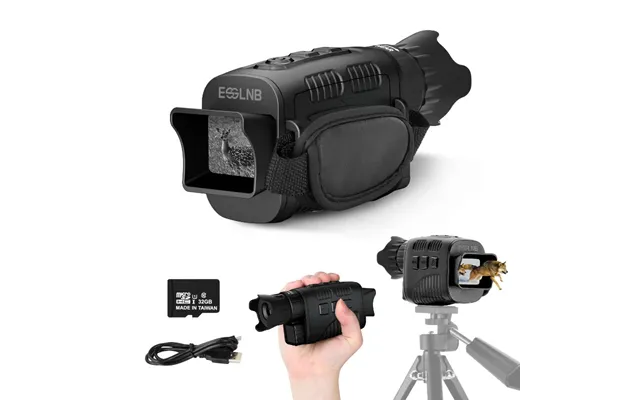
The ESSLNB 960p 4x Infrared Digital Night Vision Monocular Goggles combine optical and digital magnification. The listing states 10x optical magnification, 4x digital magnification, an 850nm infrared wavelength, and a 1280-by-960 resolution. It also includes a 1.5-inch TFT LCD inner screen and a 32GB TF card.
This model is listed at $91.99 from Banggood.com. It is described as suitable for viewing in complete darkness, with a stated viewing distance of up to 656 feet. The listing also gives a weak-light or daytime viewing range from about 10 feet to infinity.
The ESSLNB listing says the device can record and play back content, store about five hours of video or 30,000 photos on the included 32GB card, and provide seven levels of infrared brightness. It also includes a USB cable, strap, cleaning cloth, and instruction manual.
Its stated IP56 protection level, sealed and nitrogen-filled construction, and tripod mount may interest outdoor users. The listing notes that the tripod itself is not included. It also says the device uses five AA batteries, which are not included. That detail is easy to overlook, so check your power requirements before planning a night outing.
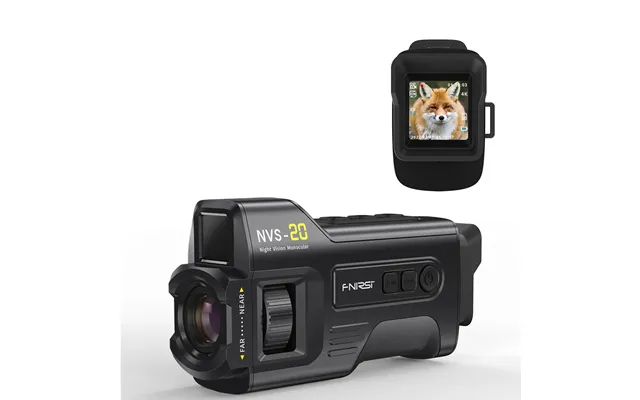
The FNIRSI NVS-20 4K HD Monocular Night Vision Device is designed for day-and-night use and offers infrared viewing with 6x digital zoom. Its listing states a 25-millimeter objective lens and an observation distance of up to about 984 feet in full darkness, with a stated distance of about 6.5 feet in low light or daytime conditions.
It is listed at $79.99 from Banggood.com. The device supports recording from 4K to QVGA and offers camera resolution up to 36MP, according to the supplied data. It also includes adjustable LCD brightness, which may help you adapt the display to different viewing conditions.
The NVS-20 may be worth considering if you want a digital night vision device that also supports high-resolution recording. Outdoor explorers, wildlife observers, and users interested in documenting what they see may appreciate that combination. Still, the product’s performance will depend on conditions, settings, and the user’s ability to hold and focus the device steadily.
The listing gives an operating temperature range from 41°F to 104°F. That specification is narrower than the ranges stated for some other night vision products in the reference data, so environment should be part of your comparison process.
Thermal imaging is not the same as ordinary night vision. Instead of relying on visible light or an infrared illuminator to produce a conventional-looking image, thermal equipment detects differences in heat and displays them visually. This can make it useful for specialized observation, but it is usually more expensive than standard optical or digital night vision equipment.
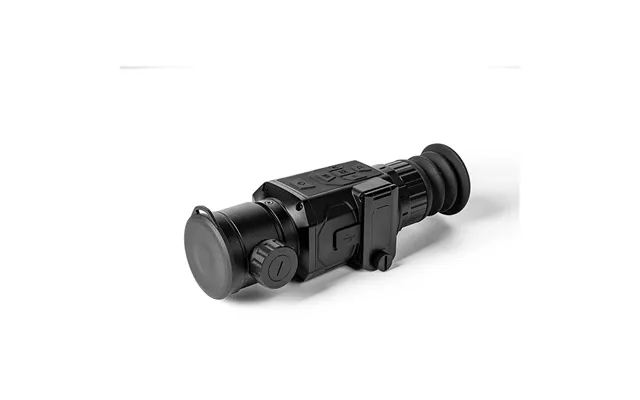
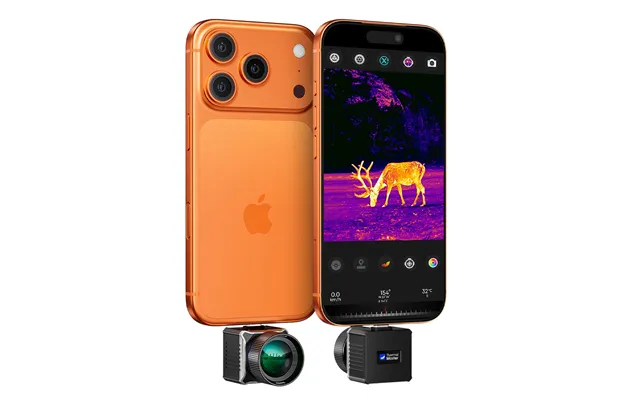
The HT-C18 Thermal Monocular is listed at $6,999 from Banggood.com under the HTI brand. It offers 384-by-288 thermal resolution, a 12-micrometer pixel size, an OLED display with 1440-by-1080 resolution, and electronic zoom levels of 1x, 2x, 4x, and 8x.
The HT-C18 listing describes interchangeable focal lengths of 25mm, 35mm, 54mm, and 75mm. It also states that the device has built-in 16GB eMMC storage, with about 13.8GB usable, and supports JPG images and MP4 video.
The device uses two detachable rechargeable 1,400mAh lithium batteries and is listed with up to five hours of endurance. It also carries an IP66 protection rating, impact resistance up to 1,000g, and an operating temperature range from -4°F to 140°F. Its listed weight is about 20.5 ounces, converted from the supplied specification.
These capabilities may appeal to users who need thermal imaging rather than ordinary magnification. However, the price and advanced specifications place it in a very different category from the $29.99 Chanarily optical monocular or the $55.99 IPRee digital night vision device.
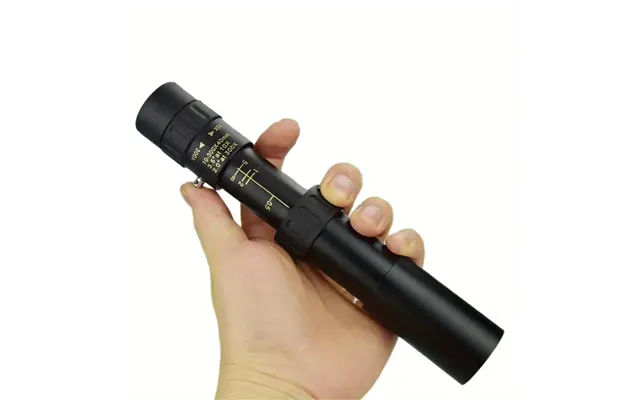
The Moge 10-300x Zoom Mini Extendable HD Portable Monocular advertises a very broad zoom range, manual focus, a 40-millimeter objective lens, and long-range viewing. It is listed at $25.99 from Banggood.com and includes a protective case, cleaning cloth, and user manual.
A claimed range from 10x to 300x sounds dramatic, but high zoom requires realistic expectations. At the upper end, image shake can become more visible, and the scene may be harder to locate or keep centered. Manual focus gives you control, but it also means you must spend time adjusting the image.
This model may suit shoppers who want an inexpensive, compact, extendable monocular with a wide advertised zoom range. Before purchasing, compare the practical details, such as field of view, focusing distance, and how the device is intended to be stabilized. The reference data does not provide those additional specifications.
The products in this selection cover a wide price spectrum. The Kiang Wholesale foldable periscope monocular is listed at $19.80, while the Moge high-zoom model is listed at $25.99. The Chanarily 40x60 monocular is listed at $29.99, making these three among the lower-priced options in the supplied listings.
For digital night vision, the IPRee is listed at $55.99, the FNIRSI NVS-20 at $79.99, and the ESSLNB model at $91.99. The HT-C18 thermal monocular is listed at $6,999, while the Luma Magnifier and Light is listed at $526.66. These prices are provided for comparison and may change on the seller’s site.
Rather than choosing by price alone, match the feature set to your purpose. Paying for thermal imaging makes little sense if you only need to view distant scenery during the day. Conversely, a simple optical monocular may not meet your needs if you require infrared viewing or video recording.
When reviewing a listing, examine magnification, objective lens size, display type, focus method, power source, storage, protection rating, and included accessories. Magnification tells you how much larger a distant subject may appear, while the objective lens can affect how much light the optic gathers.
For digital models, also check image and video resolution, zoom type, infrared features, screen size, battery capacity, and whether storage is included. Optical zoom and digital zoom are not identical, so read the wording carefully. Digital zoom enlarges captured or displayed information electronically, while optical magnification is produced through the lens system.
Will you use the monocular in daylight, weak light, complete darkness, or changing weather? A basic optical model may be enough for daytime observation. Night vision adds electronic support in darkness, while thermal imaging provides a different way to detect heat patterns.
Weather protection can also matter. The ESSLNB listing gives an IP56 protection level, while the HT-C18 lists IP66. These ratings are supplied product specifications, not a reason to ignore the manufacturer’s usage guidance. Always consider moisture, dust, temperature, and impact when choosing outdoor equipment.
For affordable daytime outdoor viewing, the Chanarily 40x60 model offers 40x magnification and a set of basic accessories. For a compact foldable design, the Kiang Wholesale model provides 5x magnification. For close reading or small-print tasks, the Luma Magnifier and Light offers 3x magnification with an automatic LED light.
For an entry-level digital night vision format, the IPRee offers a rechargeable battery, 2-inch screen, digital zoom, and video recording. The ESSLNB adds a 32GB card, infrared brightness levels, and a stated long-distance dark viewing capability. The FNIRSI NVS-20 stands out for its stated 4K recording support, 36MP camera resolution, and day-and-night design.
For thermal imaging and advanced specifications, the HT-C18 is the specialist option in this selection. Its price is substantially higher, but it also provides thermal resolution, multiple focal lengths, electronic zoom, onboard storage, and ruggedness specifications that are not listed for the simpler models.
The best monocular is the one that matches your viewing goal, comfort preferences, and budget. Basic optical models can keep daytime observation simple, digital night vision devices add recording and infrared functions, and thermal monoculars serve a more specialized purpose. Use the reference specifications as a starting point, compare the listed options on ZoneOffer, and confirm the latest product details and price with the seller before purchasing.