

Satellite LNBs price list
Last updated Saturday, Oct 24, 2026
| Satellite LNBs | Price |
|---|---|
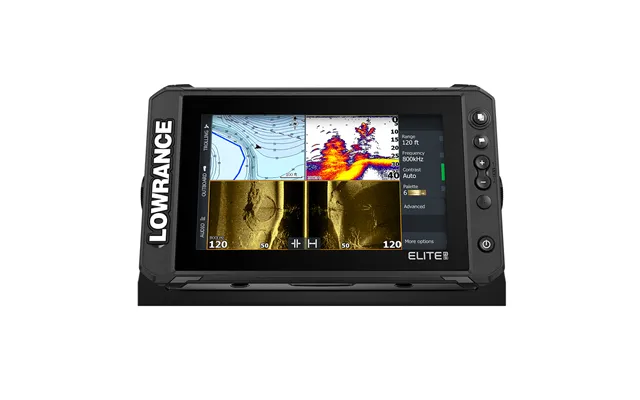
| Lowrance 000-15692-001 Elite Fs 9 Combo With 3-in-1 Active Imaging Tm | $1,099.00 |





Loading...
Last updated Saturday, Oct 24, 2026
| Satellite LNBs | Price |
|---|---|
| Lowrance 000-15692-001 Elite Fs 9 Combo With 3-in-1 Active Imaging Tm | $1,099.00 |
Shopping for satellite equipment can feel like assembling a puzzle with a few missing pieces. You may see dishes, receivers, cables, switches, and LNBs listed together, yet each part performs a different job. If you are searching specifically for satellite LNBs, understanding those differences can help you avoid buying an accessory that does not match your setup.
ZoneOffer is a comparison site that helps shoppers review listed products and prices. It is not a store, and it does not sell products directly. The available reference listing includes one product from The Twister Group: the LOWRANCE 000-15692-001 Elite Fs 9 Combo with 3-in-1 Active Imaging TM, priced at $1,099. The listing also states that free ground shipping is included. However, this product is presented as a Lowrance marine electronics combo rather than a satellite LNB, so shoppers should confirm that it fits their intended use before making a decision.
A satellite LNB, or low-noise block, is an antenna accessory used with satellite television and communication systems. It is normally positioned at the end of a satellite dish arm, where it receives signals reflected from the dish. The LNB then converts those signals into a form that connected equipment can use.
Think of the dish as a large ear and the LNB as the part that interprets what the ear hears. Without the right LNB, a dish may not work correctly with a receiver, tuner, or other satellite equipment. The correct match depends on the system design, signal type, connectors, and the number of devices that need access to the signal.
Even when a satellite dish looks properly aligned, the wrong LNB can create problems. A mismatch may lead to weak reception, missing channels, interference, or no usable signal at all. That is why choosing an LNB should involve more than selecting the lowest listed price.
Before buying, consider the equipment already installed at your home or site. What type of dish do you have? How many receivers are connected? Are you replacing an existing LNB or building a new system? These questions act like a roadmap and can prevent an expensive wrong turn.
The reference data contains one offer under a category labeled Satellite LNBs. The listed product is the LOWRANCE 000-15692-001 Elite Fs 9 Combo with 3-in-1 Active Imaging TM. It is identified with the LOWRANCE brand and is listed by The Twister Group.
The listed price is $1,099, and the offer description states that free ground shipping is available. The reference data does not provide a regular price, rating, stock status, warranty information, installation instructions, or technical specifications for a satellite LNB. Because of that, those details should not be assumed.
The product title does not identify the item as a satellite LNB. Instead, it describes an Elite Fs 9 combo with 3-in-1 Active Imaging TM, which suggests a different type of electronics product. Shoppers interested in satellite antenna accessories should therefore examine the full listing and verify the product category before purchasing.
This is a useful reminder when comparing online deals: a product can appear near a category without being the exact accessory you need. It is similar to looking for a light bulb and finding a lamp in the same aisle. The lamp may be valuable, but it does not replace the bulb.
When comparing satellite LNBs generally, start with compatibility. The LNB must work with your satellite dish and the equipment connected to it. Check the specifications of your receiver, tuner, or multiswitch, then compare them with the LNB documentation.
Connection design is another important consideration. Different systems may use different connector arrangements or cable requirements. If the connection does not match your existing setup, you may need additional components. Those extra parts can affect the overall cost and make a seemingly attractive deal less convenient.
LNBs are available in different output configurations. A single-output design may suit a basic setup with one connected receiver. A twin or multiple-output option may be more appropriate when several receivers or tuners need signals independently.
There is no universally best configuration. The right choice depends on how many devices you use and how your satellite system is wired. Buying more outputs than you need may add unnecessary expense, while buying too few can limit your setup later.
Satellite systems can use different signal standards and frequency ranges. The LNB must be suitable for the signal environment it is intended to receive. Manufacturer documentation is the safest source for confirming compatibility because product names alone may not tell the complete story.
Pay attention to the exact model number rather than relying only on a product photograph. Similar-looking antenna accessories can perform very different functions. The model number is often the clearest way to distinguish one component from another.
A good deal is more than a low number on a screen. Start by asking whether the product is actually an LNB. Then review the brand, model number, included components, seller information, shipping terms, and compatibility details. If an important specification is missing, treat that absence as a reason to investigate further.
For the reference listing, the stated price is $1,099 and free ground shipping is mentioned. Those are the supported offer details. The available data does not confirm that the item is a satellite LNB, so it should not be treated as a direct LNB recommendation without additional verification.
The purchase price is only one part of the value equation. You may also need cables, mounting hardware, adapters, switches, or professional installation. These additions are not specified in the reference data, so they should not be treated as included with the listed product.
Ask yourself what happens after checkout. Will the product connect to your current system? Do you already have the required cables? Is the installation straightforward for your setup? A lower initial price can become less attractive if several extra components are needed.
The reference offer identifies The Twister Group as the store or seller associated with the listing. ZoneOffer displays comparison information; it is not the seller of the product. For the most accurate details, shoppers should review the current product page connected to the offer before committing to a purchase.
Check the item title carefully, especially when the category and product name seem inconsistent. Read the description, verify the model number, and look for technical information relevant to your system. A few minutes of careful comparison can save you from ordering equipment that cannot perform the job.
Installing or replacing an LNB often involves working near a satellite dish, connecting coaxial cables, and checking signal performance. The exact process depends on the dish, mounting position, existing equipment, and replacement part. Always follow the manufacturer’s instructions for the specific model.
Alignment matters because the dish and LNB work together. If the dish moves or the LNB is positioned incorrectly, reception may suffer. Weather, obstructions, and cable condition can also influence the result. If you are not comfortable working at height or handling the equipment, consider using a qualified installer.
Before removing an existing component, take a clear look at the current arrangement. Note how many cables are attached, where they lead, and how the LNB is mounted. A quick photo can help you remember the original configuration while comparing replacement options.
Also inspect the cables and connectors for visible wear. Replacing an LNB may not solve the problem if the real issue lies elsewhere in the system. Troubleshooting is a little like following a trail: check each link before deciding which part needs replacement.
One common mistake is assuming that every antenna accessory is interchangeable. LNBs, signal switches, receivers, transducers, and display units can look related because they belong to the broader electronics market. Their purposes, however, are not the same.
Another mistake is relying on a product image without reading the title and specifications. Images may be incomplete or shared across related products. The model number and written description should carry more weight than appearance alone.
The available reference data demonstrates why category checking matters. Although the offer appears under Satellite LNBs, the product title identifies a LOWRANCE Elite Fs 9 combo with 3-in-1 Active Imaging TM. The listing does not state that it is an LNB. That difference should prompt careful verification rather than an automatic purchase.
If you need a satellite LNB, search for listings that clearly identify the item as an LNB and provide compatible technical specifications. If you are interested in the Lowrance product listed here, evaluate it according to its stated function instead of assuming it replaces a satellite antenna accessory.
The reference data identifies the offer as a LOWRANCE 000-15692-001 Elite Fs 9 Combo with 3-in-1 Active Imaging TM. It is priced at $1,099 and includes free ground shipping according to the listing description. These details may be relevant to shoppers researching that particular Lowrance product.
However, the reference information does not explain its complete specifications, intended installation, screen size, included accessories, or compatibility with any particular satellite system. It would be inappropriate to claim that it is suitable for satellite reception without supporting information.
If the Lowrance listing interests you, compare the exact model number with your intended use. Confirm what the combo includes, whether it matches your existing equipment, and whether the product category is correct. The best buying decision is the one that answers those questions before payment, not after the package arrives.
Start with your system requirements and work outward. Write down the dish type, number of connected devices, cable arrangement, and receiver information. Then search for an LNB that matches those requirements. This approach is more reliable than browsing by price alone.
Next, compare several listings where possible. Look at product names, model numbers, seller information, shipping statements, and available specifications. ZoneOffer can serve as a comparison resource, but shoppers should review the linked seller’s current information before making a final decision.
Finally, keep your expectations realistic. A deal is only useful when the product solves your problem. The cheapest option is not necessarily the best option, and a high-priced electronics product is not automatically a satellite LNB. Match the product to the task, and the rest becomes much easier.
Choosing the right satellite LNB requires careful attention to compatibility, output design, connections, and the exact product description. The reference listing includes a LOWRANCE 000-15692-001 Elite Fs 9 Combo with 3-in-1 Active Imaging TM from The Twister Group for $1,099, with free ground shipping stated in the offer. Because the listing does not identify the product as a satellite LNB, shoppers should verify its purpose before purchasing. Use ZoneOffer as a comparison site, check the seller’s current details, and let your satellite system’s requirements guide your decision.