


Touch Table Computers price list
Last updated Wednesday, Nov 4, 2026
| Touch Table Computers | Price |
|---|---|
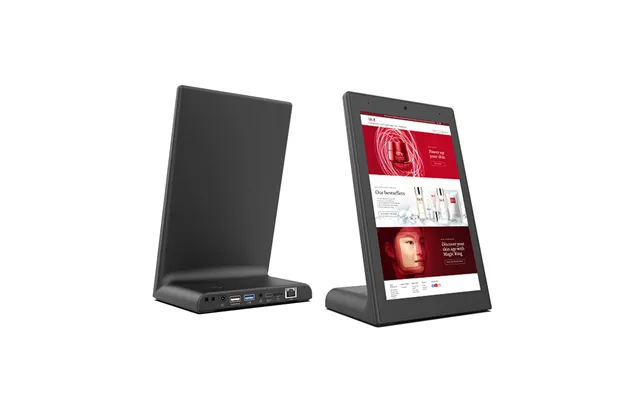
| Mwe Ltype Android Tablet With Multi-touch Display Table Top Digital Advertising For Retail Store Restaurants For Shoppin | $159.00 |




Loading...
Last updated Wednesday, Nov 4, 2026
| Touch Table Computers | Price |
|---|---|
| Mwe Ltype Android Tablet With Multi-touch Display Table Top Digital Advertising For Retail Store Restaurants For Shoppin | $159.00 |
Touch table computers bring digital interaction directly to the tabletop. Instead of asking customers to browse a poster, wait for an employee, or search through printed menus, businesses can use a touch-enabled surface to create a more engaging experience. In retail stores, restaurants, and shopping environments, this type of technology can act like a digital assistant that invites people to explore at their own pace.
The reference listing features the Mwe Ltype Android Tablet With Multi-touch Display Table Top Digital Advertising system. It is listed for $159 on Alibaba and is described for use in retail stores, restaurants, and shopping settings. The listing also mentions exclusive perks of up to $500 off. Because prices and promotional terms can change, it is smart to review the current comparison information before making a purchase decision.
A touch table computer combines a tabletop format with an interactive digital display. You can think of it as a large digital window placed where customers naturally look, browse, and make decisions. Rather than using a standard monitor with a separate mouse or keyboard, users interact directly with the display.
The Mwe Ltype product is presented as an Android tablet with a multi-touch display and tabletop digital advertising purpose. That combination points toward hands-on use, where more than one touch action can be supported. Depending on the software and setup, users may be able to tap, browse, and interact with visual content in a more direct way than they could with a traditional advertising screen.
Multi-touch technology can make a digital display feel more natural. Most people already understand how to tap and navigate a touchscreen, so the learning curve can be short. A customer might explore product information, move through a digital menu, or browse promotional content without needing detailed instructions.
Multi-touch can also make the experience more collaborative. Two or more people may be able to interact with content together, depending on the product’s software and configuration. Imagine a group comparing options around a table rather than passing one small device from person to person. That shared interaction can make a display feel less like a sign and more like a conversation starter.
Touch interfaces are especially useful when customers need to explore several choices. A static sign can show one message, but an interactive display can organize more information in layers. Shoppers may be able to move from a main screen to categories, product details, or promotional content.
The reference data does not specify the exact applications, screen size, operating version, software features, or supported touch points for the Mwe Ltype model. For that reason, those details should be confirmed in the current listing before you rely on them for a particular business project.
The featured product is titled the Mwe Ltype Android Tablet With Multi-touch Display Table Top Digital Advertising system. Its title connects several important ideas: Android-based operation, multi-touch interaction, a tabletop design, and digital advertising use.
These features suggest a product category aimed at businesses that want to place digital content directly in front of customers. Rather than treating the screen as a background display, a business can use a tabletop format to encourage active browsing. That may be useful when the goal is to help visitors discover information instead of simply viewing a passing advertisement.
The product is listed under the touch table computers category and appears on Alibaba. The listed price is $159. The reference data does not provide a regular price, so there is no supported before-and-after price comparison. It also does not provide a rating, inventory status, shipping information, warranty information, or technical specifications beyond the title and description.
The listing description mentions “1M new products” and exclusive perks of up to $500 off. Since this wording may represent marketplace promotional language rather than a guaranteed discount on this individual item, shoppers should check the live offer details carefully. A comparison site helps you review available information, but the final terms come from the listed marketplace and seller.
Retail stores often need to present a lot of information in a limited space. A tabletop computer can give customers another way to browse without adding stacks of printed materials. It can be positioned near a product display, at a service counter, or in another area where shoppers naturally pause.
For example, an interactive display could support digital advertising content related to products in the surrounding area. It could help turn a quiet section of a store into an active discovery point. The product reference specifically describes the Mwe Ltype system for retail store use, but it does not identify a particular retailer, campaign, or software package.
Good retail advertising works like a helpful guide rather than a loud announcement. A touch display can invite customers to take the next step by tapping and exploring. That small action may create a stronger sense of involvement than simply walking past a printed sign.
Businesses should still plan the content carefully. A touchscreen is only as useful as the information placed on it. Clear categories, readable text, and simple navigation can make the experience easier. Confusing menus or crowded visuals may turn the display into an obstacle instead of an assistant.
The reference listing also identifies restaurants as a target setting. In a restaurant environment, a tabletop digital display could support interactive advertising or customer-facing content. The exact restaurant functions are not specified in the reference data, so buyers should not assume that the product automatically includes ordering, payment, menu management, or reservation features.
Still, the tabletop format can fit naturally into a dining environment. Customers are already seated at tables, which creates an opportunity for content to appear within their normal field of attention. Digital advertising could be presented while people browse, wait, or enjoy their meal, provided the display is configured for that purpose.
A restaurant using interactive technology should keep the experience simple and unobtrusive. Nobody wants to wrestle with a complicated screen while trying to relax. Short messages, clear images, and easy touch actions can help the technology blend into the setting rather than dominate it.
The product’s suitability for a specific restaurant depends on details that are not included in the supplied data, such as its dimensions, mounting method, power requirements, brightness, durability, and software compatibility. Those points deserve attention before purchase, especially if the display will be used throughout a busy dining area.
Tabletop advertising changes the relationship between a customer and a message. A wall-mounted sign is usually viewed from a distance. A tabletop display is closer, more personal, and potentially interactive. It can act like a small stage where customers choose what to view next.
The Mwe Ltype listing specifically describes table-top digital advertising. That makes it relevant for businesses seeking an interactive alternative to conventional signage. However, the reference data does not confirm the advertising software, content management tools, network functions, or remote update capabilities. Those features should be checked separately.
Think of the hardware as the canvas and the advertising content as the artwork. A high-quality canvas cannot fix an unclear message. Businesses should decide what users need to see first, what action they should take, and how quickly they can find it.
Simple navigation may work best for public displays. A clear starting screen, recognizable buttons, and concise product information can reduce friction. If customers need to hunt for basic details, the display may lose their attention before it delivers its message.
The featured product is described as an Android tablet. Android is widely associated with touchscreen devices and app-based interaction, which may make the concept familiar to users. A familiar interface can help customers feel comfortable approaching the display.
The reference data does not identify the Android version, available applications, update support, storage capacity, processor, memory, or connectivity options. Those specifications can affect how well a device handles interactive advertising, so they should be verified in the current product information.
Before choosing a touch table computer, consider how you plan to use it. Will it show simple advertising, or will users browse several layers of content? Will it sit on a counter, a dining table, or a dedicated display area? Will employees manage the content, or will an outside system handle updates?
You should also check the screen dimensions, power setup, operating system details, touch performance, viewing angle, and compatibility with your intended applications. None of these specifications are supplied for the Mwe Ltype product in the reference data, so they should not be assumed.
The Mwe Ltype product is listed at $159. That price gives shoppers a clear starting point when comparing touch table computers. Price, however, is only one part of the value equation. The right choice depends on whether the device supports the display size, software, interaction style, and business environment you have in mind.
A lower listed price can be attractive, but a device that lacks a needed feature may cost more in the long run if it requires additional equipment or replacement. On the other hand, a straightforward digital advertising setup may not require advanced functions. The best approach is to match the product’s confirmed capabilities with your actual goals.
The reference listing mentions exclusive perks of up to $500 off. That wording should be treated as promotional information rather than a guaranteed reduction to the displayed $159 price. “Up to” offers can depend on conditions, qualifying products, order details, or current marketplace terms.
When reviewing the offer, look for the final item price and any applicable conditions shown in the active listing. ZoneOffer is a comparison site, not a store, so it does not set the price or independently guarantee promotional terms.
Start with the customer experience. Ask what you want visitors to do when they approach the display. If the answer is simply “look at an advertisement,” a basic digital screen may be enough. If you want customers to browse, compare, or interact with multiple pieces of content, multi-touch functionality may be more relevant.
Next, consider the physical environment. A retail counter, restaurant table, and shopping display may each create different demands. The supplied data confirms that the featured model is described for retail stores, restaurants, and shopping, but it does not state how it performs in a specific environment.
Finally, verify the practical details before committing. Check the current technical specifications, software support, power requirements, screen measurements, and seller information. A few minutes of careful comparison can prevent an attractive-looking product from becoming a poor fit.
The most effective touch table computer should feel easy to use. Place it where people can comfortably reach the screen. Keep the first screen uncluttered. Use familiar labels and provide a clear path back to the beginning. These small choices matter because customers rarely spend much time learning a public interface.
Businesses should also think about maintenance and content updates. The reference data does not describe maintenance requirements or content-management options for the Mwe Ltype model. Those details should be confirmed before deployment, particularly when the screen will be used for changing campaigns or frequently updated information.
A touch display should support employees, not necessarily replace them. In a store or restaurant, staff members remain important when customers have questions or need personal assistance. The screen can handle browsing and visual information while employees focus on service.
That balance is often the sweet spot. Technology handles repeatable information, while people handle judgment, empathy, and unusual requests. Used together, the two can create a smoother experience than either one could provide alone.
Comparing offers helps you see more than a product name and a price. It encourages you to review the intended use, available specifications, seller details, and promotional wording before deciding. For the Mwe Ltype listing, the confirmed information includes its Android tablet description, multi-touch display, tabletop digital advertising purpose, Alibaba listing, and $159 price.
A comparison approach is especially helpful when marketplace information is limited. You can identify which details are confirmed and which questions still need answers. That distinction keeps expectations realistic and supports a more confident purchase decision.
The Mwe Ltype Android Tablet With Multi-touch Display Table Top Digital Advertising system is a featured touch table computer listed for $159 on Alibaba. Its description connects Android operation, multi-touch interaction, and tabletop digital advertising for retail stores, restaurants, and shopping environments. If you want to explore interactive customer-facing technology, it may be worth reviewing alongside other options. Just remember to verify technical specifications, promotional conditions, and current listing details before buying.