


Money Handling - Other price list
Last updated Tuesday, Nov 17, 2026

View 3 Offers
Loading...
Last updated Tuesday, Nov 17, 2026
When a scene calls for cash, appearance matters. A wallet opening, a busy register, a tabletop exchange, or a close-up of bills can all become more convincing when the money looks naturally circulated rather than freshly printed. For filmmakers, photographers, music-video producers, and content creators, realistic prop money can help create a believable visual without relying on real currency during production.
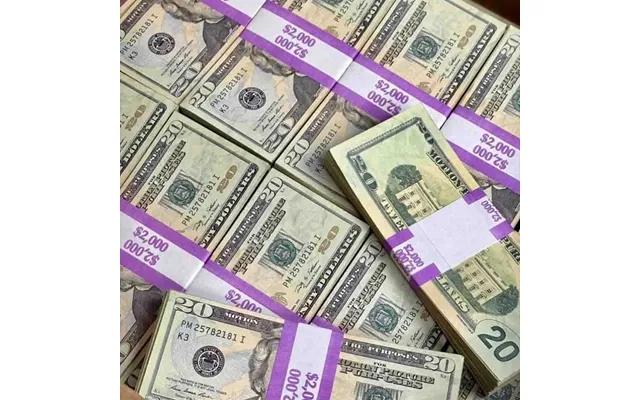
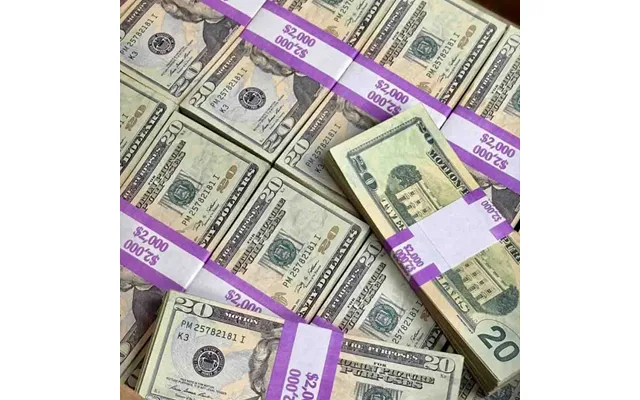
The reference data features two options from Prop Money Inc.: realaged full-print new series $20 bills in packs of 50 or 100. Both products are designed for visual scenes and share several details, including double-sided printing, a non-glossy finish, and an aged appearance. ZoneOffer is a comparison site, so it helps shoppers review the listed options rather than acting as the store or seller.
Money often appears in the foreground of a scene. If the bills look too bright, too flat, or obviously artificial, viewers may notice the prop instead of following the story. Realistic-looking bills work like set dressing: they support the scene quietly, adding texture and context without stealing attention.
That visual role is especially useful when a production includes cash registers, wallets, tips, counters, exchanges, or everyday retail-style moments. The featured $20 denomination is positioned in the reference data as a familiar choice for ordinary cash scenes, making it a practical format for productions that need money to look naturally present.
The listed bills are described as suitable for retail transactions, cash registers, wallets, tips, counters, exchanges, and general money-handling scenes. These uses cover a wide range of visual setups. Whether a character counts money at a counter or a camera catches a quick wallet close-up, a realistic prop can make the action easier to stage.
Because the bills are intended for visual production, they can be considered when the goal is atmosphere and appearance. They are not presented in the reference data as spendable currency or as a substitute for real money. Their role is to support creative scenes where viewers need to see convincing-looking cash.
The 50-bill option includes 50 realaged full-print new series $20 bills and is listed with a prop value of $1,000. The reference data gives this pack a price of $12.99 and a regular price of $24.99. It is offered by Prop Money Inc. and carries the Prop Money Inc. brand.
This smaller pack may suit a project that needs a focused amount of cash for a wallet, tabletop arrangement, register scene, or a limited number of shots. A 50-bill bundle can also be useful when you want a compact prop supply without choosing the larger quantity listed in the same product range.
The pack uses full-print, double-sided bills with a non-glossy realistic finish. Those details are important when a bill may be turned over, spread across a surface, or captured in a closer frame. A glossy surface can reflect light and draw attention, while a non-glossy finish is described as being intended to create a more natural on-camera appearance.
The product description also highlights a proprietary realaged aging process. In practical terms, the design aims to make the bills resemble naturally circulated currency rather than freshly produced notes. That can help a production build a more lived-in visual style, particularly in scenes involving wallets, counters, or everyday exchanges.
The larger option includes 100 realaged full-print new series $20 bills with a prop value of $2,000. The listed price is $18.99, compared with a regular price of $39.99 in the reference data. Like the 50-bill option, it is associated with Prop Money Inc. and described as a full-print, double-sided product with a non-glossy finish.
A 100-bill pack can be a useful match for productions that need more cash visible at once. It may work well for broader counter displays, multiple scenes, larger spreads of bills, or projects where several performers and production areas need access to the same type of prop.
Think of the quantity as visual coverage. A smaller pack may cover one compact setup, while a larger pack gives a production more material to arrange across a wider frame. More bills can also make it easier to create layered stacks, spread-out displays, or repeated money moments without constantly reusing the same small group of notes.
The larger pack is not automatically the right choice for every project. If your scene only needs a wallet insert or a small handoff, 50 bills may be enough. If you are planning repeated takes, multiple locations, or expansive cash arrangements, the 100-bill option offers the higher listed quantity.
The two listed products belong to the same realaged full-print new series $20 range. Their main differences are quantity, prop value, and listed price. The 50-bill pack contains $1,000 in prop value and is listed at $12.99, while the 100-bill pack contains $2,000 in prop value and is listed at $18.99.
Both products have regular prices shown in the reference data. The 50-bill option lists a regular price of $24.99, and the 100-bill option lists a regular price of $39.99. Since ZoneOffer is a comparison site, shoppers should use the displayed information to compare the options and confirm current details with the listed seller before making a decision.
The 50-bill pack: 50 realaged new series $20 bills, $1,000 prop value, listed price of $12.99, and regular price of $24.99.
The 100-bill pack: 100 realaged new series $20 bills, $2,000 prop value, listed price of $18.99, and regular price of $39.99.
Both packs: Prop Money Inc. brand, full-print design, double-sided bills, non-glossy realistic finish, and an appearance intended for film, television, photography, music videos, and social media content.
Start with the scene rather than the pack. How many bills need to appear in the frame? Will the camera move from a wide shot to a close-up? Will several people handle the props? These questions can help you estimate whether a 50-bill or 100-bill pack better matches your production needs.
For a small product shoot or a simple wallet scene, the 50-bill quantity may provide a practical starting point. For a production with several cash-heavy scenes, the 100-bill quantity may offer more flexibility. The best choice depends on the scale of your project, the number of visible bills, and how often the props will be rearranged between takes.
A close-up usually requires fewer bills than a wide shot showing a full counter or table. In a tight frame, a handful of carefully positioned notes may create the desired effect. In a wider composition, a larger quantity can help fill empty space and make the money feel integrated into the environment.
It can help to think in layers. Use some bills in the foreground, some in the hands of performers, and others in the background. The 100-bill pack provides more pieces for this type of arrangement, while the 50-bill pack can work for more contained scenes.
The reference data emphasizes several features that matter when money appears on screen. Full-print coverage is intended to create a detailed look. Double-sided printing means both sides are designed for visual use. The non-glossy finish is described as supporting a realistic appearance, especially when lighting is close to the bills.
The realaged treatment is another key feature. New-looking bills can sometimes appear too clean for a scene meant to represent everyday use. An aged appearance can add visual variation and help the props blend into settings such as cash registers, wallets, counters, or hands.
Lighting can reveal small inconsistencies. A strong reflection may make a prop look less natural, while missing detail on the reverse side may become visible when a performer flips a bill. The listed finish and double-sided construction address those visual considerations for productions that require money to appear from different angles.
These features may be particularly relevant for close-up scenes. Photography, music videos, and social media content often use tight framing, quick camera movement, or deliberate detail shots. In those situations, the appearance of the prop can influence how polished the final image feels.
The product descriptions identify a broad set of creative applications. Film and television productions can use the bills in scripted cash exchanges or background scenes. Photographers may include them in editorial, commercial, or conceptual compositions. Music-video and social-media creators can use them when a scene calls for a recognizable cash visual.
They can also support general production design. A wallet with visible bills, a register drawer, a stack on a desk, or a tip placed on a counter can all communicate a setting quickly. Sometimes a few carefully placed details say more than a long explanation, and cash is one of those instantly recognizable visual cues.
For a wallet scene, place several bills so the edges remain visible without overcrowding the frame. For a counter scene, spread or stack the bills to create depth. For a handoff, prepare multiple takes with the props arranged consistently. For photography, experiment with flat layouts, overlapping layers, or close-up compositions.
If you create social-media content, consider how quickly the audience sees the prop. A non-glossy finish and full-print design may help the bills remain visually convincing during movement, but the exact result will depend on the camera, lighting, distance, and editing style used in your production.
ZoneOffer is a comparison site, not a store. Its role is to present product information so shoppers can review available options in one place. In this case, the comparison centers on two quantities of realaged full-print new series $20 prop bills from Prop Money Inc.
Comparing the packs side by side makes the decision simpler. You can look at the number of bills, the listed prop value, the listed price, and the shared design features. Instead of treating one pack as universally better, consider which option fits your scene size and production plan.
Check the quantity first. Then compare the listed price and regular price shown for each option. Review the product description for the features that matter to your camera work, including full-print detail, double-sided construction, realaged appearance, and non-glossy finish.
Because product information can change, it is sensible to verify the current listing details with the named seller before completing a purchase. The reference data identifies Prop Money Inc. as both the store and brand for these offers, while ZoneOffer remains the comparison platform.
Realistic props are only one part of a convincing setup. Composition, lighting, wardrobe, performance, and camera distance all work together. A few bills placed thoughtfully can feel more natural than a large pile arranged without a clear purpose. Ask yourself what the viewer should notice first, then position the money to support that focus.
Consistency also matters. If a scene includes multiple takes, keep the arrangement similar unless a change is part of the action. Photographing the setup before filming can help you recreate the placement. For group productions, sharing a simple reference image can keep the prop layout aligned across shots.
Cash should support the story, not overwhelm it. If the scene is about a transaction, show enough detail to make the exchange clear. If the money is background atmosphere, avoid arranging it so prominently that it competes with the subject. The right amount is the amount that makes the scene feel complete.
The two featured packs give creators a choice between a more compact supply and a larger one. With either quantity, thoughtful placement can turn simple bills into effective production design. The props become part of the visual language, much like a lamp, desk, or storefront sign.
The Prop Money Inc. realaged full-print new series $20 bills offer two listed quantity choices for creators who need realistic-looking cash props. The 50-bill pack provides a $1,000 prop value at a listed price of $12.99, while the 100-bill pack provides a $2,000 prop value at a listed price of $18.99. Both feature full-print, double-sided bills with a non-glossy finish and an aged appearance designed for visual production. By comparing quantity, price, and intended use, you can choose the option that best supports your film, photography, music-video, or social-media project.