
Surgical Gowns price list
Last updated Saturday, Sep 26, 2026
| Surgical Gowns | Price |
|---|---|
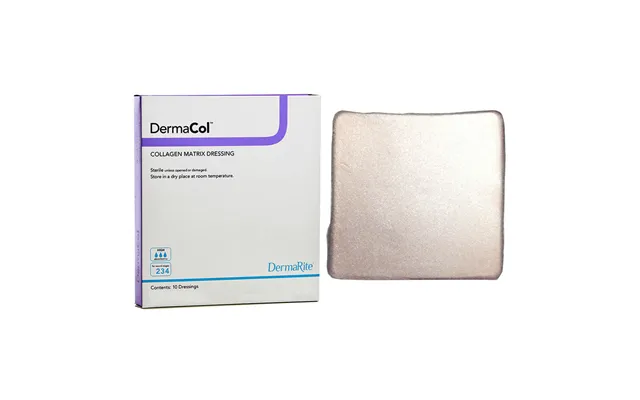
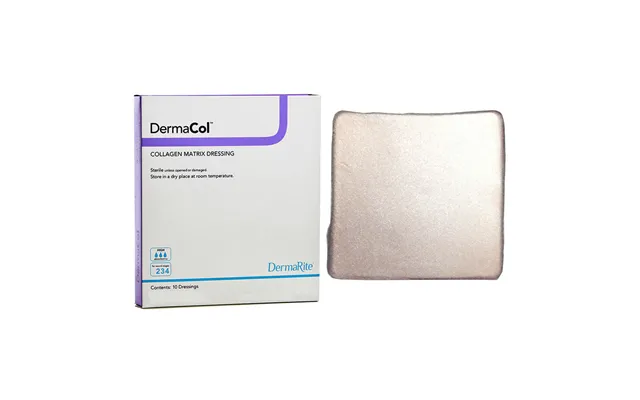
| Dermacol Collagen Matrix Wound Dressing - 2 X 2 | $8.99 |
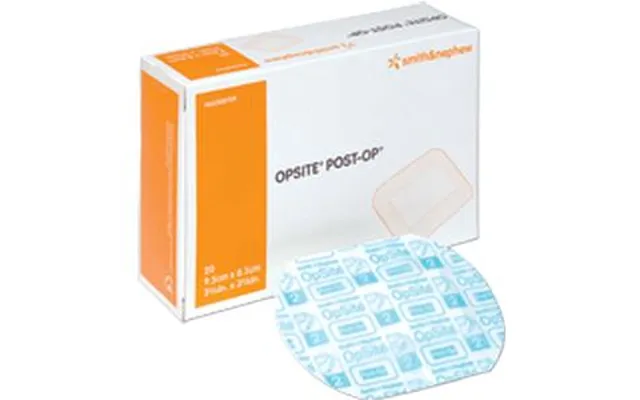
| Opsite Post-op Transparent Waterproof Dressing 8 X 4 | $33.25 |



View 5 Offers
Loading...
Last updated Saturday, Sep 26, 2026
| Surgical Gowns | Price |
|---|---|
| Dermacol Collagen Matrix Wound Dressing - 2 X 2 | $8.99 |
| Opsite Post-op Transparent Waterproof Dressing 8 X 4 | $33.25 |
Choosing the right protective apparel and wound-care supplies is an important part of maintaining a safe, organized medical environment. Surgical gowns, isolation gowns, procedure gowns, and protective dressings each serve a different purpose, so comparing their features before buying can make a real difference. Whether you are preparing a clinical supply cabinet or reviewing options for a healthcare facility, it helps to look beyond the product name and consider protection, comfort, sizing, sterility, and intended use.
ZoneOffer is a comparison site that helps shoppers review available product listings from online sellers. It is not a store, and the listings shown can include different package formats, sizes, brands, and prices. In the reference selection, shoppers can compare products from brands such as Dynarex, 3M, Opsite, Mepore, Dermacol, Coversite, and Zenimedical. The range includes surgical and isolation gowns as well as dressings designed to support post-procedure and wound-care needs.
A surgical gown is designed for use during procedures where maintaining a controlled barrier matters. The level of coverage and construction can vary, so product details deserve close attention. The reference listings include a fabric-reinforced sterile-back surgical gown in a large size. It is described as disposable, latex-free, and sold as a 20-case format.
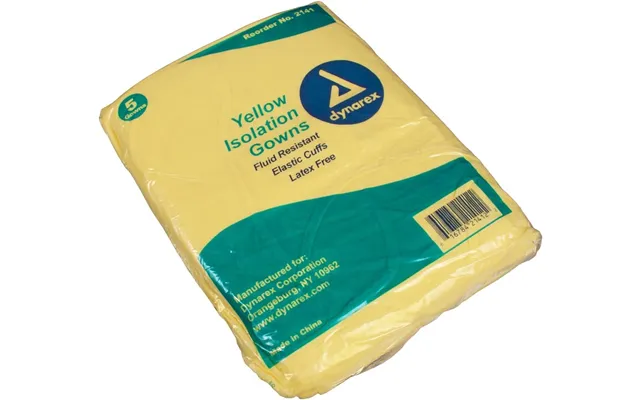
An isolation gown serves a broader protective role. It can help reduce exposure to germs and cross-contamination in clinical settings, depending on the product’s design and the facility’s protocols. The Dynarex isolation gown listing is described as yellow, large, disposable, fluid-resistant, impervious, and universally sized. It also features elastic cuffs, sewn seams, and extra-long waist ties.
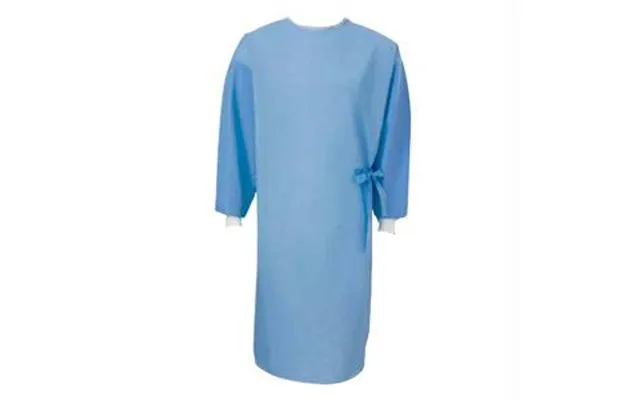
Then there is the procedure gown. The listed universal blue procedure gown is non-sterile and sold in a package format. This type of gown may be useful when a sterile surgical gown is not required, but the wearer still needs an extra layer of coverage during a procedure or examination. Think of these categories as different tools in the same toolbox: each one is built for a particular level of protection and use.
The fabric-reinforced sterile-back surgical gown is listed in a large size and described as disposable and latex-free. The listing also identifies a 20-case format. These details may appeal to facilities that prefer to keep individually designated surgical apparel ready for procedural use.
When reviewing this type of listing, check whether the size and case quantity match your facility’s requirements. A case format can be convenient for stocking, but it may not be the best choice for occasional use. It is also wise to confirm the product description and package details before purchase, since the reference data does not provide every specification that a facility may need.
The Dynarex isolation gown is listed in yellow and large, with a disposable design. Its description highlights full coverage, a lightweight and breathable material, fluid resistance, sewn seams, elastic cuffs, and extra-long waist ties that can be secured at the front of the body.
Those construction details can affect daily usability. Elastic cuffs may help create a closer fit around the wrists, while longer waist ties can make fastening easier. The lightweight material may also be preferable when staff need to wear protective apparel for extended periods. As always, the appropriate gown depends on the task, the environment, and the protection level required by the facility.
The universal blue procedure gown is identified as non-sterile and disposable. Its universal sizing may be practical for environments that need a simple gown option for routine procedures or examinations. The listing does not describe it as sterile, so buyers should distinguish it clearly from sterile surgical apparel.
Color can also help with quick visual organization. A blue procedure gown and a yellow isolation gown may be easier to separate in a busy supply area, especially when a facility uses color cues for different tasks. However, the product’s written specifications should always take priority over color when selecting protective equipment.
A gown that fits poorly can become a distraction at the worst possible moment. If the sleeves are too short, the ties are difficult to secure, or the torso does not provide enough coverage, the wearer may spend more time adjusting the garment than focusing on the patient or procedure.
The listings include different sizing approaches. The fabric-reinforced surgical gown is listed as large, while the Dynarex gown is listed as large and universally sized. The procedure gown is identified as universal. These terms are not necessarily interchangeable, so compare them carefully. A universal design may suit many users, but it does not guarantee the same fit for everyone.
Consider who will wear the gowns, what clothing may be worn underneath, and how much movement is required. Staff who bend, reach, or work around equipment may value a design with practical ties and comfortable sleeves. A gown should act like a reliable shield, not feel like a stiff curtain that limits movement.
The gown listings in the reference data are disposable. Disposable gowns can simplify workflow because they are designed for single-use handling rather than laundering and redistribution. They may also be useful when a facility wants to reduce the steps involved in collecting and processing used garments.
However, disposable does not mean every gown serves the same purpose. A sterile-back surgical gown, a non-sterile procedure gown, and an isolation gown can have different intended applications. Review the product title and description together instead of relying on the word “gown” alone.
Stock planning is another consideration. The fabric-reinforced surgical gown is listed in a 20-case format, while the procedure gown is listed as a package and the Dynarex gown as a box of five. These package descriptions can help buyers think about volume, storage space, and replacement frequency. Before ordering, verify the exact quantity associated with the listing.
The comparison data also includes a broad selection of protective dressings. These products are not surgical gowns, but they are relevant to the wider workflow surrounding procedures and wound care. Options include transparent waterproof dressings, film dressings with non-adherent pads, composite dressings, collagen matrix dressings, and absorbent acrylic dressings.
For example, Opsite Post-op transparent waterproof dressings are listed in several sizes, including 3-3/4 x 3-3/8 inches, 4-3/4 x 4 inches, 6-1/8 x 3-3/8 inches, 8 x 4 inches, 10 x 4 inches, and 11-3/4 x 4 inches. The descriptions identify them as low-adherence, latex-free, and waterproof. One listing explains that the clear film can allow wound drainage to be monitored.
3M Tegaderm options include film dressings with non-adherent pads. The reference data describes sterile and waterproof versions in several formats, including a 2 x 2-3/4-inch option, a 3-1/2 x 10-inch option, and a 3-1/2 x 13-3/4-inch option. A separate Tegaderm Plus listing includes a 3-1/2 x 4-inch dressing with a 1-3/4 x 2-3/8-inch non-adherent pad.
Transparent dressings can be useful when visibility matters. The clear film used in the listed Opsite Post-op products is described as supporting wound observation while providing a waterproof barrier. This can make it easier for clinical staff to check the covered area without immediately removing the dressing, subject to professional judgment and care protocols.
Some products combine a protective film with an absorbent or non-adherent pad. The Tegaderm clear absorbent acrylic dressing is listed in a large oval format measuring 5-3/5 x 6-1/4 inches, with a 3-2/5 x 4-1/4-inch pad size. Other Tegaderm listings include non-adherent pads in different dimensions.
A non-adherent contact surface may be important when gentle dressing changes are a priority. The right choice still depends on the wound, drainage level, skin condition, and instructions from a qualified healthcare professional. Product names alone cannot determine clinical suitability.
Coversite Plus composite dressings are listed in 4 x 4-inch and 6 x 6-inch formats. The descriptions identify them as waterproof and suitable as primary or secondary dressings in the management of acute or chronic wounds. The 6 x 6-inch listing specifies a 4 x 4-inch pad.
The Zenimedical Zenipad Plus composite dressing is listed with a 6 x 6-inch overall size and a 4 x 4-inch pad. Its description mentions a four-layer waterproof dressing, adhesive border, conformable tape border, non-adherent contact layer, polyurethane film, and rounded corners. These details give shoppers a clearer picture of how the dressing is constructed.
Dermacol collagen matrix wound dressings appear in 2 x 2-inch formats, while Dermacol Ag collagen matrix wound dressings with silver are listed in both 2 x 2-inch and 4 x 4-inch sizes. The presence of silver and the difference in dimensions are important distinctions when comparing products.
Because collagen matrix dressings and silver-containing products may be selected for specific clinical situations, buyers should use professional guidance when deciding which option is appropriate. The reference data provides product descriptions and listing information, but it does not establish that one dressing is suitable for every wound.
When reviewing the listings, start with the product title. Look for the product category, size, sterility information, and whether the listing is for an individual item, box, pack, or case. Similar products can appear more than once with different package labels, so careful reading matters.
Next, compare the description. Words such as “waterproof,” “latex-free,” “non-sterile,” “sterile,” “disposable,” “low adherence,” and “fluid-resistant” can help you narrow the selection. These terms are not decorative details; they are clues about how the product is presented and what features the listing emphasizes.
Finally, examine the listed price and regular price when both are provided. Some reference entries show a regular price of $0.00, which means a comparison against a regular price is not available in that listing. A listed price should be treated as the information shown in the comparison data, and buyers should review the current seller page for final details before making a purchase.
Package format can dramatically affect how a listing appears in a comparison table. For instance, Mepore Pro dressings are shown in individual and box listings, while certain Opsite and Dermacol products also appear in both formats. A low-looking price may represent one item, whereas another listing may represent a box or case.
The reference data includes Mepore Pro dressings in 3.6 x 4-inch, 3.6 x 6-inch, 3.6 x 8-inch, and 3.6 x 12-inch sizes. Their descriptions highlight a bacteria-proof, waterproof, and highly breathable design, along with absorption and adhesion features. When comparing these entries, confirm both the dimensions and the package type.
It is similar to comparing coffee by price without checking the cup size. The number alone does not tell the whole story. Dimensions, count, and packaging all help reveal the real value of a listing.
Protective apparel and dressings should be selected according to the procedure, exposure risk, wound condition, and facility protocol. A non-sterile procedure gown should not automatically be treated as an alternative to sterile surgical apparel. Likewise, a waterproof dressing is not automatically the right choice for every wound.
Check for allergies and material sensitivities, especially when latex information is important. Several listings specifically identify products as latex-free, including the fabric-reinforced surgical gown and Opsite Post-op dressings. Other listings may not provide the same information, so do not assume that an unspecified product has a particular material profile.
Storage is worth considering as well. Gowns and dressings should be kept according to the manufacturer’s instructions, with packaging protected from damage and contamination. Before use, inspect packaging and product condition. If the packaging appears compromised, follow the relevant facility procedure rather than using the item automatically.
A balanced supply list may include more than one gown type. A facility could compare a sterile-back surgical gown for procedural use, a universal blue procedure gown for non-sterile tasks, and a disposable isolation gown for situations requiring broader coverage. The exact combination depends on the facility’s operations.
Dressings can be organized by purpose and size. Transparent waterproof options may be useful for situations where visibility and a protective film are emphasized in the product description. Composite dressings may offer layered construction, while collagen matrix products and silver-containing options represent different categories that should be evaluated with clinical guidance.
Keeping a simple inventory record can prevent confusion. Note the product name, size, package format, and quantity on hand. This small habit can reduce the chance of reaching for a 2 x 2-inch dressing when a larger 4 x 4-inch option is needed, or mistaking an individual listing for a box.
The reference selection brings together disposable surgical gowns, isolation gowns, procedure gowns, and a wide range of protective dressings. The fabric-reinforced sterile-back surgical gown, Dynarex isolation gown, and universal blue procedure gown each offer different stated features and use categories. Alongside them, products from 3M, Opsite, Mepore, Dermacol, Coversite, and Zenimedical provide multiple dressing formats and dimensions to compare. By checking sterility, fit, materials, package size, dimensions, and listed pricing, you can make a more informed choice. ZoneOffer helps you compare these options, while the final selection should always match professional advice and the requirements of your clinical setting.