
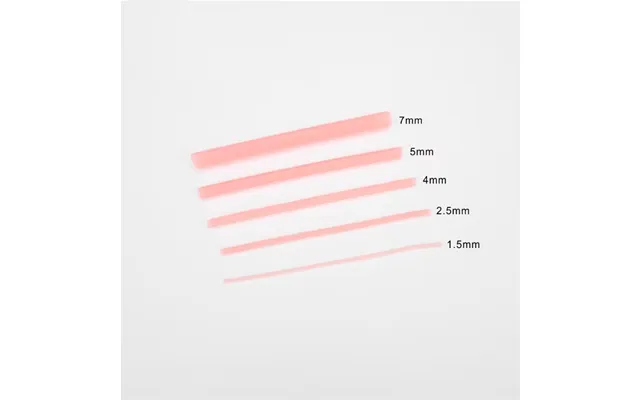
Medical Teaching Equipment price list
Last updated Sunday, Sep 27, 2026
| Medical Teaching Equipment | Price |
|---|---|
| Medical Surgery Silicone Simulated Blood Vessel Vascular Anastomosis Suturing Practice | $8.00 |




Loading...
Last updated Sunday, Sep 27, 2026
| Medical Teaching Equipment | Price |
|---|---|
| Medical Surgery Silicone Simulated Blood Vessel Vascular Anastomosis Suturing Practice | $8.00 |
Medical teaching equipment helps turn theory into practical skill. In healthcare education, learners need more than diagrams and lectures. They need opportunities to observe techniques, repeat movements, correct mistakes, and build confidence before applying their knowledge in a clinical setting. Simulation tools can provide that practice in a controlled learning environment.
One product featured in the reference data is the Medical Surgery Silicone Simulated Blood Vessel Vascular Anastomosis Suturing Practice model. Listed through Alibaba and shown on ZoneOffer, this item is designed around vascular anastomosis suturing practice. Its silicone construction provides a physical surface for learners to work with while developing technique and hand coordination.
ZoneOffer is a comparison site, not a store. Its role is to help shoppers review available product information and compare offers. The reference listing shows a price of $8 for this simulated blood vessel practice product. It also includes a promotional description mentioning exclusive perks of up to $500 off, although shoppers should review the current offer details shown through the comparison results before making a decision.
Vascular anastomosis refers to joining blood vessels through a surgical technique. In a teaching environment, practice models give students and trainees a way to focus on the physical motions involved in suturing without working directly on a patient. Think of the model as a rehearsal stage: the learner can repeat the performance until each movement becomes more controlled.
Vascular suturing requires attention to detail. A learner may need to work on needle handling, suture placement, tension, spacing, and overall steadiness. A simulated vessel can support practice with these movements while instructors observe and provide feedback. The model does not replace clinical education, supervision, or professional training, but it can complement those activities.
Simulation allows learners to make mistakes in a learning-focused setting. That matters because complex physical skills often improve through repetition. Instead of trying to understand every movement during a high-pressure situation, a student can practice individual steps, pause, ask questions, and try again.
Hands-on learning can also make lessons more memorable. Reading about a technique explains the concept, while physically practicing it adds another layer of understanding. For many learners, that combination works like a map and a compass: the information shows the route, while the practical activity helps them navigate it.
The product title identifies several central characteristics: it is intended for medical surgery practice, it uses a silicone simulated blood vessel, and it focuses on vascular anastomosis suturing. These details make it relevant to educators and learners looking for a dedicated model for vessel-related stitching exercises.
Silicone is commonly used in simulation products because it can provide a flexible, touch-based practice surface. For this listing, the reference data specifically identifies the product as a silicone simulated blood vessel. It does not provide additional technical information about firmness, internal structure, durability, accessories, or dimensions, so shoppers should avoid assuming features that are not stated.
A focused practice model can be useful when a lesson has a specific objective. Rather than using a broad training kit for every possible procedure, an instructor may choose a model that keeps attention on one skill area. In this case, the product is centered on vascular anastomosis suturing practice.
That focused design can help structure a lesson. An instructor might introduce the procedure, demonstrate the intended technique, allow learners to practice, and then review their work. The model can serve as the physical centerpiece of that activity, giving learners something tangible to handle as they develop precision.
The product may be relevant to organizations and individuals involved in medical skills education. Potential users could include training institutions, simulation programs, teaching laboratories, and learners studying surgical techniques. Because the reference data does not specify a particular educational level or professional group, the most accurate description is that it is intended for medical surgery and vascular anastomosis suturing practice.
Educators can use dedicated simulation equipment to add variety to a course. A lesson that combines explanation, demonstration, and practice may feel more engaging than a lecture alone. Learners can also use practice sessions to identify which parts of a technique feel difficult, then discuss those challenges with an instructor.
For instructors, a model like this can support demonstrations and supervised exercises. It may help make a technique easier to show because learners can observe the physical process at close range. The instructor can also pause at important moments and explain why positioning, movement, or consistency matters.
Training programs may also appreciate equipment that supports repeatable lessons. When the same type of model is used across multiple sessions, instructors can create a familiar practice format. However, the reference data does not state how many units are included, how long the product lasts, or whether it comes with instructional materials. Those details should be checked before purchase.
Students can benefit from having a physical target for practice. Suturing involves more than memorizing a sequence. It requires coordination between the hands and eyes, careful control of tools, and an understanding of how movement affects the simulated tissue. Practice can make those concepts feel less abstract.
Repeated work may also help learners build confidence. A student who feels uncertain at the beginning of a session can focus on one step at a time. With instructor feedback and continued practice, the process may become easier to understand. As with all medical skills, training should follow appropriate supervision and educational guidance.
The best results from simulation usually come from structured practice rather than simply handling the model without a plan. Before beginning, learners should understand the goal of the session. Is the focus on needle control, stitch placement, spacing, tension, or the sequence of the anastomosis? A clear objective keeps practice purposeful.
An instructor can begin with a demonstration and explain the main stages in simple language. Learners can then try the technique while receiving feedback. Afterward, the group can review what worked and what needs improvement. This process turns the model into more than a product; it becomes part of a complete teaching method.
Speed can be tempting, especially when learners compare themselves with experienced practitioners. However, early practice should focus on control and consistency. It is similar to learning a musical instrument: playing quickly does not help if each note is inaccurate. Controlled movements provide a stronger foundation.
Once the learner understands the basic process, the instructor can introduce additional goals. These might include smoother handling or more consistent placement, depending on the lesson plan. The reference data does not define a specific curriculum, so educators should align use of the model with their own training standards.
Feedback is one of the most valuable parts of simulation. Learners may not notice every issue while concentrating on the procedure. An instructor can point out movement patterns, positioning concerns, or areas where the learner can become more consistent.
Constructive feedback should be specific and actionable. Instead of saying that a technique is “not right,” an instructor can identify the step that needs attention and explain what the learner should try next. This approach helps turn each attempt into a useful learning opportunity.
The reference listing identifies silicone as the material used for the simulated blood vessel. For a product intended for suturing practice, the material is an important part of the learning experience because the learner interacts directly with it. The model gives the hands a surface to work on while the eyes follow the procedure.
A silicone practice model can also help separate technical learning from patient care. Learners can concentrate on the mechanics of suturing without the additional pressure associated with a real clinical situation. That separation may make it easier to repeat a movement, discuss an error, and try again under supervision.
Still, simulation has limits. A practice model is not a living patient and cannot reproduce every clinical factor. The product should therefore be viewed as a training aid for a specific skill area, not as a complete substitute for clinical education, professional assessment, or supervised experience.
When reviewing medical teaching equipment, start with the stated purpose. This product is described as a medical surgery silicone simulated blood vessel for vascular anastomosis suturing practice. If that matches your training objective, it may be worth closer consideration. If your program needs other procedures or broader simulation functions, you may need to compare additional equipment types.
Next, review the listing information carefully. The reference data identifies Alibaba as the store associated with the offer, a price of $8, and a description mentioning exclusive perks of up to $500 off. Promotional language can change, so confirm the current terms and final cost shown in the relevant comparison results.
Before purchasing, consider questions about the number of models required, the intended users, classroom setup, training objectives, and instructor preferences. The supplied data does not specify packaging, included accessories, dimensions, or availability. Those details should be verified from the current product information rather than assumed.
It is also sensible to compare the product with your existing equipment. If your program already uses other suturing models, ask whether this simulated blood vessel adds a distinct practice opportunity. If your students need an introductory tool focused on vascular anastomosis, the product’s specific purpose may be more relevant than a general-purpose training model.
The reference data lists the product at $8, with a regular price recorded as $0. Because the regular-price field does not provide a usable comparison figure, shoppers should focus on the listed offer price rather than calculating a percentage reduction. The description also refers to exclusive perks of up to $500 off, but the data does not explain the eligibility requirements or exact application of that promotion.
This is where comparison shopping becomes useful. ZoneOffer can help present product information in one place, but it does not sell the equipment or set the seller’s terms. Before completing a purchase, review the offer details, confirm the total shown by the seller, and check whether the promotion applies to the specific product or order.
Dedicated simulation tools can make practical lessons easier to organize. They give instructors a concrete object for demonstrations and give learners a repeatable surface for practice. In a busy educational environment, that clarity can be valuable because everyone understands what the session is designed to accomplish.
These tools may also encourage active participation. Instead of watching a demonstration from a distance, learners can engage directly with the technique. That active role can lead to better questions, more focused discussion, and a clearer sense of which skills require additional work.
Confidence grows when learners know what to expect. A familiar practice model lets them repeat a process and observe their own progress. Each attempt becomes another step toward greater control, much like tracing the same path until the route feels natural.
Confidence should always be paired with competence and supervision. The purpose of a simulation model is to support learning, not to encourage unsupervised clinical activity. Educators should decide how the product fits into their broader instruction and assessment process.
The Medical Surgery Silicone Simulated Blood Vessel Vascular Anastomosis Suturing Practice model has a clear, specialized focus. It may be a suitable comparison option for buyers seeking a silicone model for vascular suturing exercises. Its listed price of $8 makes it a low-cost item to investigate, while the promotional description may provide another reason to review the current offer carefully.
At the same time, a smart buying decision depends on matching the product to the learning goal. Consider who will use it, how it will be incorporated into lessons, and what information is still missing from the listing. A low price can be attractive, but educational value comes from the relationship between the product, the instructor, and the training plan.
The silicone simulated blood vessel listed for vascular anastomosis suturing practice offers a focused way to support hands-on medical education. It can help learners practice physical technique in a controlled setting while giving instructors a practical tool for demonstrations and feedback. The reference listing shows the product on Alibaba at $8 and mentions exclusive perks of up to $500 off. Because ZoneOffer is a comparison site rather than a store, shoppers should use the available information as a starting point and verify current offer details before purchasing.