

Patient Lifts price list
Last updated Friday, Oct 2, 2026



View 5 Offers
Loading...
Last updated Friday, Oct 2, 2026
Choosing patient transfer equipment is an important decision for caregivers, healthcare professionals, and families. The right combination of lift and sling can make transfers more controlled while helping reduce the physical effort involved in raising or repositioning a person. In the reference data, the main options include a McKesson manual hydraulic patient lift and several McKesson full-body slings in different sizes and materials.
ZoneOffer is a comparison site, not a store. Its role is to help you review listed products, compare prices, and understand the features shown in the available data. The offers covered here are listed through herbsdaily, and the prices shown are the amounts provided in the reference data. Before choosing equipment, consider the user’s size, support needs, transfer routine, and compatibility requirements.
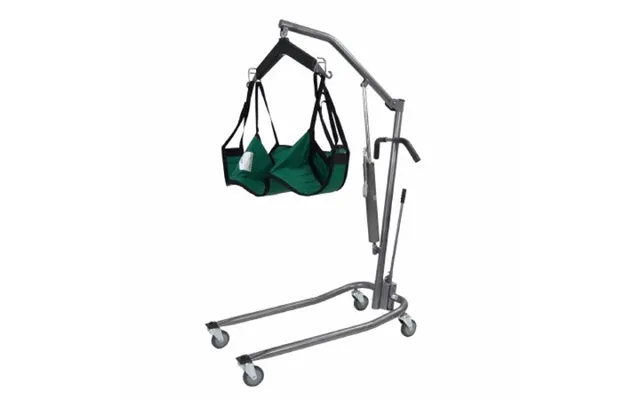
The McKesson manual hydraulic patient lift is designed for raising and lowering individuals with a maximum listed weight capacity of 450 pounds. Its hydraulic operation is intended to reduce the physical effort needed from the attendant during a lift. Rather than relying on a powered motor, the caregiver operates the pump handle manually.
The lift features silver vein steel construction and a six-point cradle design. The cradle can accommodate two or four sling straps along with two chain connections, while the reference data states that two sling chains are included. The sling itself is sold separately, so buyers should consider the lift and compatible sling as related parts of the overall transfer setup.
A manual hydraulic mechanism can offer gradual movement when used correctly. The McKesson lift’s description highlights controlled raising and lowering, which may be useful when an attendant needs a steady transfer path. The pump handle can rotate from side to side, giving the caregiver more flexibility when positioning themselves beside the equipment.
The lift also uses an offset mast and boom design. According to the product information, this arrangement is intended to improve the lift path and maximize the available travel range. Think of the boom as the arm that creates the bridge between the base and the person being transferred; its shape affects how that bridge moves through space.
The listed patient lift has an adjustable-width base. This allows the base to be adapted for a suitable fit around furniture or other equipment, although the reference data does not specify exact width measurements. A properly positioned base is an important part of setting up a transfer area, so caregivers should follow the manufacturer’s instructions and professional guidance.
The lift includes standard 5-inch casters. The casters are described as offset for greater stability and smooth operation, and the equipment includes caster brakes for additional security. Brakes should be engaged whenever the lift is stationary and the manufacturer’s instructions call for it.
The mast and base are described as interchangeable and able to lock together. They can also be separated for travel and storage. This may be helpful for users who need to move or store the equipment, but the reference data does not provide the lift’s assembled weight, folded dimensions, or portability rating.
When preparing the lift for storage, keep the components in a dry, suitable area and inspect the locking points before the next use. If any part appears damaged, loose, or difficult to connect, the equipment should not be used until it has been assessed by an appropriate professional.
The McKesson hydraulic patient lift has a listed capacity of 450 pounds. That figure should never be treated as a suggestion to exceed the limit. It represents the maximum capacity stated for the lift in the provided product information, and the total user weight should remain within the manufacturer’s specified limit.
It is also important to distinguish the lift’s capacity from the sling’s capacity. The full-body slings listed in the reference data have a capacity of up to 600 pounds, while the lift itself is listed at 450 pounds. In practical terms, the complete setup must be evaluated as a whole. A higher-capacity sling does not increase the capacity of a lift.
A sling is more than a fabric accessory. It supports the body during the transfer and connects to the lift’s cradle points. The selected sling must be the right size, properly positioned, and compatible with the lift configuration. Caregivers should also check the sling’s attachment points, fabric, stitching, and labels before each use.
The reference data states that the McKesson full-body slings are designed for use with floor-style lifts and can work with four- or six-cradle-point compatibility. The lift description also refers to a six-point swivel bar. Even when the connection appears straightforward, users should receive proper training rather than relying only on visual inspection.
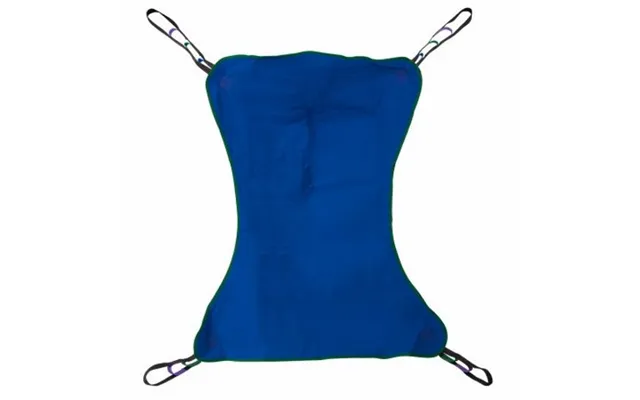
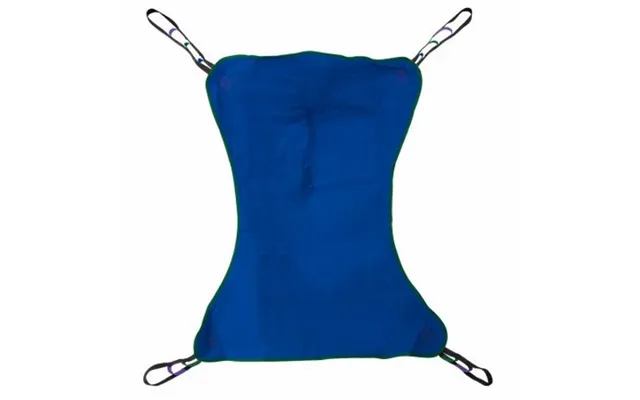
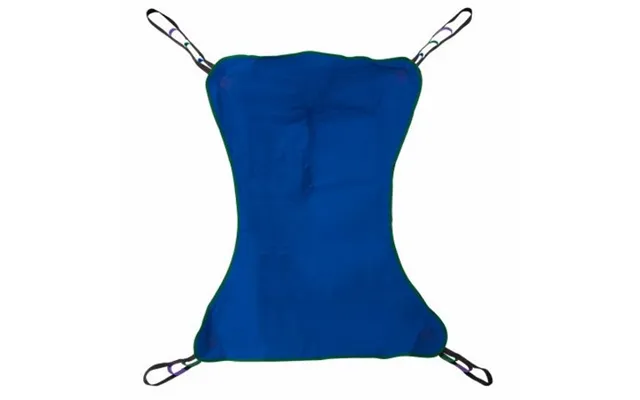
The listed McKesson full-body slings are intended to support a person during lifting and transfer procedures. The options include solid polyester and mesh polyester designs, with medium, large, and extra-large sizing shown in the available offers. Each listed sling has a maximum capacity of 600 pounds.
The slings include reinforced attachment points and four sling points for compatibility with four- or six-cradle-point setups. The reference data also states that an optional chain strap is not required. This may simplify the connection process for compatible equipment, but the exact attachment method should always follow the product instructions.
The medium solid full-body sling is listed at $84.19, while the extra-large solid full-body sling is listed at $84.24. Both are described as polyester models with reinforced attachment points, a high back section, and a padded under-thigh section.
The high back section is intended to provide additional support around the head and neck. The padded under-thigh area is designed with comfort in mind during a transfer. The outer side includes a handle that can assist with positioning the person in a wheelchair, commode, or similar setting.
The extra-large model is identified as a 600-pound-capacity sling without head support. The wording may seem surprising because the description mentions a high back section, so buyers should review the product labeling and sizing information carefully before ordering. The reference data does not provide exact body measurements for the medium or extra-large versions.
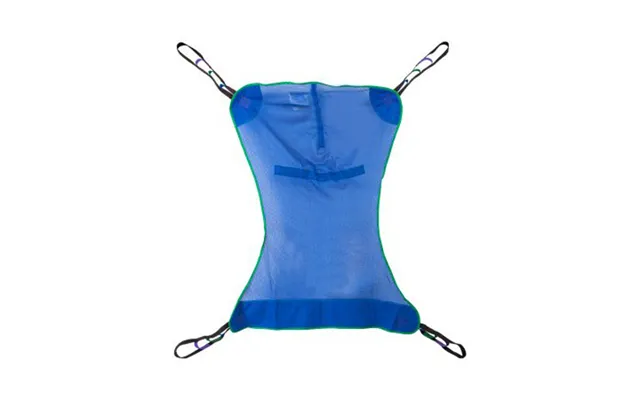
The large mesh full-body sling is listed at $73.34. Like the other listed full-body slings, it has a 600-pound capacity, four sling points, reinforced attachment areas, a high back section, a padded under-thigh section, and a positioning handle.
Mesh can be a useful material in situations where caregivers prefer a more open fabric design. However, the reference data does not state that the mesh sling is intended for bathing or provide any water-related performance claim. It is best to rely only on the stated features rather than assuming a particular use.
The listed full-body slings are machine-washable in warm or cold water. Their fabric is described as resistant to deterioration from exposure to moisture and laundering. This can make routine cleaning more manageable, especially when equipment is used regularly.
Cleaning instructions should still be followed carefully. Washing temperatures, detergents, drying methods, and inspection requirements can affect the life of a sling. After laundering, examine the fabric and attachment points for fraying, stretching, broken stitching, or other signs of wear.
Before every transfer, look over the sling from top to bottom. Check the attachment loops, reinforced areas, seams, fabric, and positioning handle. A sling may look acceptable at a glance but still have a damaged attachment point, so a deliberate inspection is worthwhile.
Do not use a sling if it shows damage or if its size and fit are uncertain. A loose or poorly fitted sling can affect positioning and support. When in doubt, ask a qualified healthcare professional, therapist, or equipment specialist to help select the correct model.
The McKesson hydraulic patient lift is listed at $557.91. The full-body sling prices range from $73.34 to $97.08 in the available data. Specifically, the large mesh sling is listed at $73.34, the medium solid sling at $84.19, the extra-large solid sling at $84.24, and another McKesson full-body sling is listed at $97.08.
These prices can help shoppers compare the listed options, but they should not be treated as a complete equipment budget. The lift listing states that the sling is sold separately, meaning a buyer may need to account for both the lift and an appropriate sling. The reference data does not provide additional costs, discounts, shipping details, or availability information.
The lowest listed price is not automatically the best choice. The large mesh sling has the lowest price among the clearly described sling options, but the correct selection depends on size, material preference, support needs, and compatibility. A slightly higher-priced sling may be more suitable if its size and construction better match the user.
Use price as one piece of the puzzle, not the entire picture. A patient lift is a safety-focused product, and fit matters much like the right shoe: the number on the tag is useful, but comfort and suitability determine whether it works well.
The reference data lists medium, large, and extra-large sling options, but it does not provide detailed body-measurement charts. Because of that, shoppers should not select a size based on weight capacity alone. Two people may weigh similar amounts while having different heights, body shapes, and support requirements.
Look for the manufacturer’s sizing guidance and compare it with the user’s measurements. Consider the person’s trunk, hips, thighs, and head and neck support needs. The sling should provide stable support without creating unnecessary pressure or leaving the user poorly positioned.
The listed full-body slings have a high back section and padded under-thigh section. These features may help provide broader support during a transfer, but the correct positioning still matters. The outer handle can assist an attendant with positioning in a wheelchair or commode, yet it should not replace appropriate caregiver technique.
Transfers should be performed by trained caregivers who understand how to attach and position the sling. If the person has complex mobility, balance, or medical needs, professional advice is especially important.
Before operating the lift, confirm that the lift, sling, cradle, straps, chains, and casters are in suitable condition. Make sure the sling’s capacity is adequate and that the lift’s 450-pound capacity is not exceeded. Confirm that the selected sling is the correct size and that all attachment points are connected as instructed.
Position the lift on a stable surface and use the caster brakes when appropriate. Keep the path clear of obstacles, furniture, cords, and other hazards. Move slowly and communicate with the person being transferred. Sudden movements can increase anxiety and make repositioning more difficult.
A patient lift should not be treated like ordinary household equipment. The product description provides useful features, but it does not replace hands-on instruction. A trained caregiver can demonstrate how to place the sling, connect the attachment points, operate the hydraulic pump, and respond if the person becomes uncomfortable.
Ask a qualified professional for guidance if you are unsure how to use the equipment. The safest transfer is a planned transfer, with the right equipment, the right fit, and a clear understanding of each step.
The hydraulic patient lift may suit a setting that needs a manual floor-style lift with a 450-pound capacity, adjustable base, six-point cradle, and removable mast and base components. Its manual design may appeal to users who prefer a hydraulic operation rather than a powered lift, although the reference data does not describe the effort required for every individual caregiver.
The medium and extra-large solid polyester slings may be worth comparing when a solid fabric design, reinforced attachment points, high back support, and padded under-thigh area are priorities. The large mesh sling offers a different material option while retaining the listed 600-pound capacity and full-body design.
The additional McKesson full-body sling listed at $97.08 has limited descriptive information in the reference data. Since its size, material, and other specifications are not provided, shoppers should review the complete product listing before making a decision.
The McKesson patient lift and full-body slings in this comparison provide several features to consider, including a 450-pound hydraulic lift capacity, adjustable base, six-point cradle, 5-inch casters, and full-body slings rated up to 600 pounds. The sling options differ by size, material, and listed price, with solid polyester and mesh polyester models available in the reference data. Compare the products carefully on ZoneOffer, remember that ZoneOffer is a comparison site rather than a store, and prioritize compatibility, correct sizing, inspection, and professional training before use.