

Law Enforcement price list
Last updated Sunday, Oct 25, 2026



View 2 Offers
Loading...
Last updated Sunday, Oct 25, 2026
Choosing the right equipment is easier when you can compare specifications, features, and supplier information in one place. In the law enforcement category, the reference data includes two very different products: a wired wind sensor from B&G and a KAIWEETS metal detector designed for outdoor detection. Each serves a distinct purpose, so understanding the differences matters before you make a decision.
ZoneOffer is a comparison site, not a store. Its role is to help you review listed products and compare the information provided by suppliers. That means you can look at the product type, brand, listed price, technical details, and included accessories without treating ZoneOffer as the seller.
The available offers cover two equipment categories. The B&G 000-14382001 WS310 is a wired wind sensor package with a 20-meter cable, equivalent to approximately 65.6 feet. The KAIWEETS Explorer X II is a metal detector with an enhanced LCD screen, four detection modes, an adjustable stem, and an IP68 waterproof rating.
These products are not interchangeable. One gathers wind information, while the other is intended to help locate metal objects. Think of them as two different tools in an equipment kit: one observes the environment, and the other searches beneath or around it.
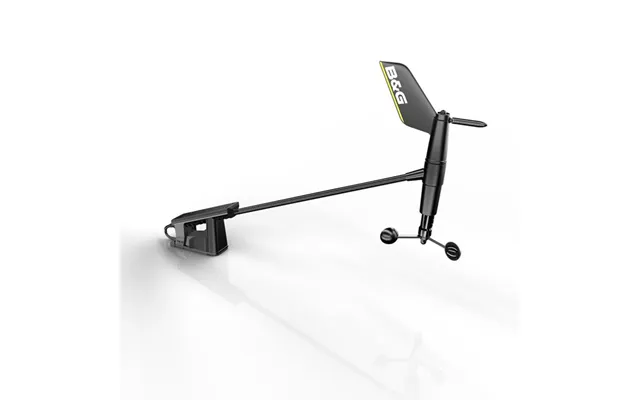
The B&G 000-14382001 WS310 wired wind sensor is listed as a three-cup sensor designed to provide accurate and fast wind data. Its black housing and wired design make it a specialized monitoring device rather than a general-purpose piece of field equipment.
The package includes a 20-meter cable, or roughly 65.6 feet, giving users flexibility when positioning the sensor away from connected equipment. A wired connection can be useful when a fixed installation or dependable cable route suits the setup better than a wireless arrangement.
The listing specifies a 12-volt DC supply voltage and 15 milliampere power consumption. It also identifies the sensor as IPX6 and IPX7 waterproof. Those ratings are part of the provided product information and may be relevant when equipment is expected to operate in wet outdoor conditions.
The B&G wind sensor may appeal to buyers who need wind data as part of a broader monitoring setup. Because the product is specialized, it is worth checking how its wiring, power requirements, and connection format fit your existing equipment before comparing it with unrelated products.
This is not a metal detector or a handheld search device. Instead, it belongs to the environmental sensing side of the law enforcement and business equipment category. If wind conditions are part of your operational planning, the sensor’s long cable and stated waterproof ratings may deserve attention.
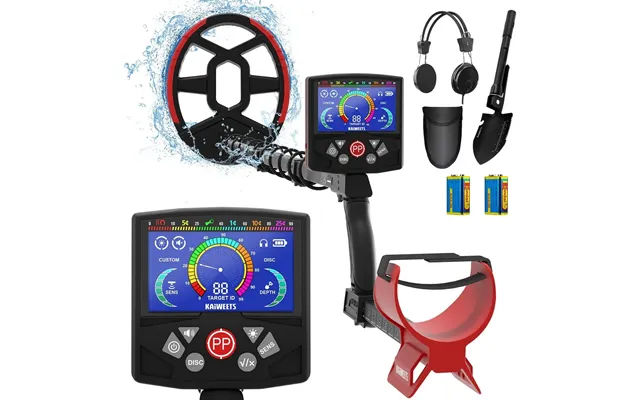
The KAIWEETS Explorer X II metal detector features an enhanced LCD screen designed for easier reading. The listing highlights a high-contrast display that remains visible in direct sunlight, while a backlight supports use in lower-light conditions.
A readable display can make outdoor searching feel less like decoding a tiny dashboard and more like following a clear map. When you are moving across uneven ground or checking multiple areas, visibility can help you monitor the detector’s readings without unnecessary interruptions.
The KAIWEETS detector includes four detection modes: All Metal, Disc, Notch, and Pinpoint. Each mode approaches searching differently, giving users more control over how the detector responds to targets.
All Metal mode is listed for detecting different types of metal. Disc mode is intended to eliminate unwanted targets. Notch mode allows customized target elimination, while Pinpoint mode helps with precise target location. Together, these options provide a more flexible experience than a detector with only one basic setting.
Which mode should you use? That depends on the search. You might prefer broad detection when you do not want to overlook possible targets, then switch to a more selective setting when unwanted signals become distracting.
The detector has an adjustable stem listed from 29 to 41. This range is designed to accommodate adults and children, according to the product information. Its armrest is intended to improve comfort during longer searches, while the foldable structure supports transportation and storage.
Portability can make a major difference. Equipment that folds down more easily is simpler to carry between search areas and less awkward to store between uses. The adjustable design also means the detector can be configured for different users rather than locked into one fixed position.
The KAIWEETS Explorer X II is listed with an IP68 waterproof rating, while the B&G wind sensor is identified as IPX6 and IPX7 waterproof. These are different ratings, so they should not be treated as identical. Buyers should review the manufacturer’s guidance for the exact conditions and components covered.
Water resistance is especially important for outdoor equipment because weather can change quickly. A clear afternoon can become a wet search environment in minutes. Still, a waterproof rating does not remove the need to understand proper use, cleaning, storage, and any limits described by the manufacturer.
The KAIWEETS detector uses an upgraded DSP chip, according to the listing, to improve sensitivity. It is described as suitable for detecting both coin-sized and larger metal objects. The product also includes a ground-balancing device intended to reduce the effects of mineralized soil.
Ground conditions can influence detector performance. Mineralized soil may create interference or make signals harder to interpret. A ground-balancing feature works like tuning an instrument before a performance: it helps the detector respond more clearly to the environment around it.
While the listed features are promising for users seeking adjustable detection, results can depend on the search location, target size, soil conditions, user settings, and technique. The reference data does not provide a guaranteed detection depth, so buyers should avoid assuming a specific performance range.
The KAIWEETS package includes professional headphones and a shovel. These accessories make the product a more complete starting set for people who want to begin searching without immediately purchasing basic add-ons.
Headphones may help users focus on audio signals in busy outdoor surroundings, while a shovel can support target recovery after a promising reading. The listing describes the set as suitable for hobbyists and professionals and presents it as an option for outdoor activities and gifting.
The package is listed as including one metal detector, one pair of professional headphones, and one shovel. If you are comparing bundles, pay attention to what is included rather than looking only at the detector name or headline price.
The B&G WS310 wind sensor is listed at $734.00 from The Twister Group. The KAIWEETS Explorer X II metal detector is listed at $199.00 from Banggood.com. The reference data does not provide regular prices for either offer, so no discount percentage or savings amount should be assumed.
Price alone does not tell the whole story. These products serve different purposes, so comparing them as though one were a cheaper version of the other would be misleading. Instead, consider whether you need environmental wind data or a portable metal detection tool.
Prices and product information can change. Before making a purchasing decision, review the current offer details on the supplier’s listing and confirm that the specifications match your intended use.
The B&G offer states that free ground shipping is available. This shipping detail is specifically provided for that listing. The reference data does not state a shipping offer for the KAIWEETS detector, so no shipping benefit should be assumed for that product.
ZoneOffer provides comparison information rather than fulfilling orders. Shipping terms, delivery estimates, and other transaction details should be checked directly in the relevant supplier listing before checkout.
Start with the job you need to complete. If you need wind information, the B&G WS310 is the relevant product in this comparison. If you want to search for metal objects outdoors, the KAIWEETS Explorer X II is the more relevant option.
This sounds obvious, but it is an important first step. A product can have impressive specifications and still be the wrong choice if it does not solve your actual problem. Match the tool to the task before weighing price, portability, or accessories.
The B&G sensor uses a wired design and includes a long cable. That may suit a planned installation, but you should consider where the sensor will be positioned and how the cable will connect to the rest of your equipment.
The KAIWEETS detector is designed around handheld outdoor use. Its adjustable stem, foldable structure, headphones, and shovel suggest a more mobile setup. If you expect to move between locations, portability may be more important than cable length or fixed positioning.
For the KAIWEETS detector, the adjustable stem and armrest are central comfort features. The four detection modes also give users control over how they search. These details may matter during extended sessions, especially when you want to adjust the detector to suit different users.
For the B&G sensor, comfort is less relevant than installation and compatibility. Buyers should focus on the stated power consumption, supply voltage, cable length, and waterproof ratings. In other words, compare the features that affect operation, not just the features that sound most impressive.
When comparing law enforcement and business equipment, create a short checklist. Note the product’s purpose, brand, supplier, listed price, power or operating requirements, included accessories, and any stated protection rating. This keeps the process organized and helps prevent important details from getting lost.
It is also useful to separate confirmed information from assumptions. The reference data confirms the B&G price, KAIWEETS price, listed brands, supplier names, product features, and specific shipping statement. It does not confirm ratings, delivery times, return terms, or a discount amount.
Ask yourself a few practical questions: Will the equipment be used indoors or outdoors? Does it need to be portable? Is a wired connection acceptable? Do you need adjustable settings? Which included accessories would otherwise cost extra? These questions can narrow the choice quickly.
Specifications are more than technical decoration. They help you predict whether a product will fit your workflow. The B&G sensor’s cable, voltage, power consumption, and waterproof ratings describe how it may fit into a monitoring setup. The KAIWEETS detector’s display, modes, stem adjustment, ground balancing, and accessories describe how it may fit into an outdoor search routine.
Think of specifications as the product’s instruction label before you buy it. They do not guarantee that every user will have the same experience, but they give you a clearer starting point for comparison.
The listed products represent two very different approaches to equipment: the B&G WS310 focuses on wired wind sensing, while the KAIWEETS Explorer X II focuses on portable metal detection. The B&G offer is listed at $734.00 and includes free ground shipping, while the KAIWEETS offer is listed at $199.00 and includes headphones and a shovel. Since the products have different purposes, the best choice depends on your operational needs rather than price alone. Use ZoneOffer as a comparison resource, verify current details with the supplier, and choose the equipment that fits the job you actually need to do.