
Livestock Feeders & Waterers price list
Last updated Thursday, Sep 24, 2026




View 6 Offers

Loading...
Last updated Thursday, Sep 24, 2026
Choosing the right livestock feeder or waterer can make daily animal care feel less like a chore and more like a well-oiled routine. The right equipment helps keep feed elevated, organize different feed types, reduce unnecessary waste, and make refill checks easier. Whether you care for poultry, backyard hens, or other farm animals, a dependable setup gives you one less problem to solve each morning.
ZoneOffer is a comparison site that helps you review available products from different sellers. It is not a store, and product prices or availability can change. In this guide, we focus on the feeders, water-related equipment, and dosing products included in the supplied listings, while also explaining what to look for before you choose.
Animals need consistent access to food and water, but simply placing a container on the ground is rarely the most practical approach. Ground-level feeding can expose feed to moisture, dirt, and animal traffic. A raised or enclosed design can help create a cleaner feeding area and may make it easier to monitor consumption.
Think of a feeder as a small supply station. When it holds enough feed for your setup and delivers it steadily, you spend less time topping it off. A well-designed waterer or dosing system can offer similar convenience by supporting a more controlled way to provide liquids.
The reference listings include several useful categories: gravity feeders, galvanized metal flock feeders, a feeder lid accessory, a poultry drinker, and an automatic liquid dosing injector. These products serve different purposes, so the best option depends on your animals, space, refill schedule, and preferred material.
Some products are designed for simple feed storage and access. Others focus on weather resistance, feed organization, or liquid management. Comparing those functions is more valuable than choosing a product based on appearance alone.
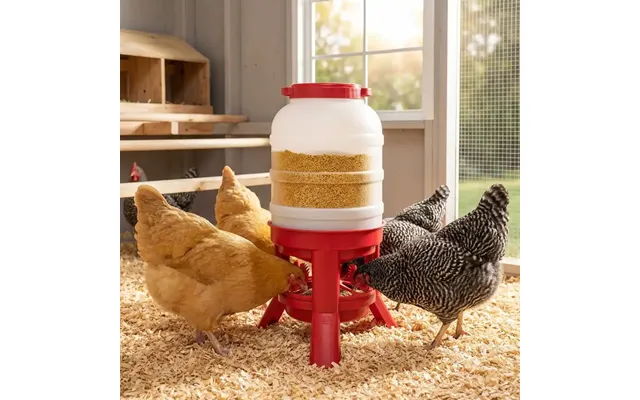
The Quictent Plastic Dome Gravity Feeder uses a top-fill, gravity-fed design. Its container holds up to 60 pounds of feed, which can reduce how often you need to refill it. The clear plastic feed jar also lets you view the remaining level without opening the unit.
The feeder has overall dimensions of 30.75 inches long by 18.25 inches wide by 18.25 inches high. Three raised legs keep it off the ground, while a removable feed saver ring is designed to help reduce waste. The base can be assembled and disassembled without tools, which may be helpful when cleaning or moving the feeder.
Its heavy-duty plastic construction is described as weather-resistant and intended to resist cracking in hot and cold conditions. If you want a straightforward feeder with a generous capacity and visible feed levels, this listing is one of the more versatile options in the selection.
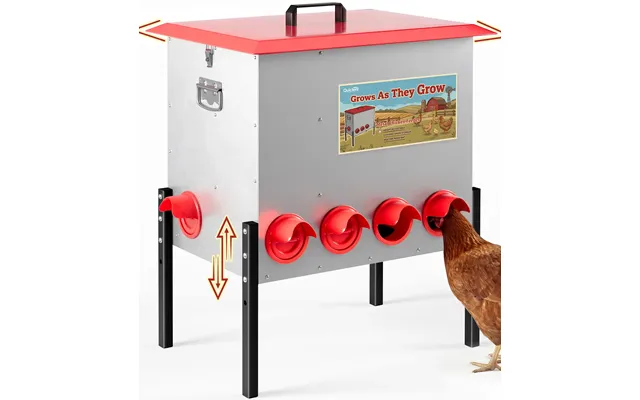
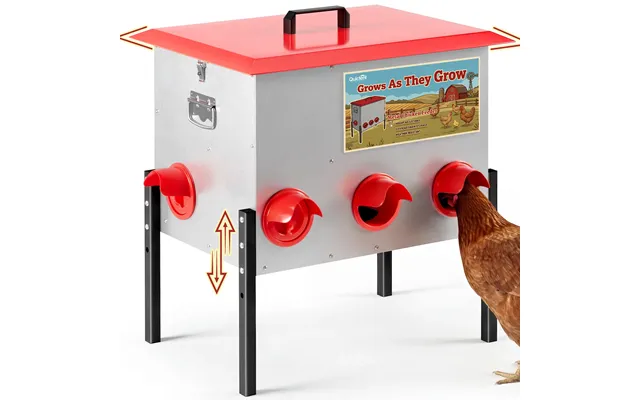
The Quictent Galvanized Metal Backyard Flock Feeder is available in two capacity ranges: 50–80 pounds and 100–140 pounds. Both listings describe a three-zone layout for separating grain, oyster shell, and treats or grit. That arrangement can make the feeding area more organized and prevent different materials from being mixed together.
The adjustable legs are designed to fit different growth stages, from small chicks to full-grown hens. Raising the feeding ports can help keep them away from mud, droppings, and moisture. The sloped bottom uses gravity to move feed toward the ports, while internal baffles and rain hoods are designed to help limit scratching and spillage.
A secure lock latch is included in the described design. The feeder is made from galvanized metal, which the listing identifies as rust-proof and resistant to chewing by pests. These features may appeal to flock owners who want a sturdier, more structured feeding station.
The 50–80-pound model is listed at $79.99, while the 100–140-pound model is listed at $99.98. The larger version may suit a bigger flock or a caretaker who prefers longer intervals between refills. The smaller option may be more practical when space is limited or when a smaller flock does not need as much storage.
Capacity is not the only factor. Consider how much room you have, how often you check the animals, and whether the feeder will be moved. A large feeder can be useful, but only if its footprint and weight work comfortably in your enclosure.
Both listings mention 365-day parts support. This detail comes from the supplied product descriptions; buyers should review the current listing information before making a purchase.
Plastic and galvanized metal each offer a different feel and function. The Quictent plastic dome feeder emphasizes visibility, tool-free setup, and a weather-resistant feed container. You can see the feed level through the clear jar, almost like checking the fuel gauge on a vehicle.
The galvanized metal flock feeders emphasize compartmentalized storage, adjustable height, locking access, and multiple feeding ports. Their design is more structured and specifically described for backyard flocks. If separating grain, oyster shell, and treats matters to you, the three-zone layout may be especially appealing.
Before deciding, think about your cleaning routine and the environment where the feeder will sit. A product that looks ideal on paper still needs to fit your animals, enclosure, and daily schedule.
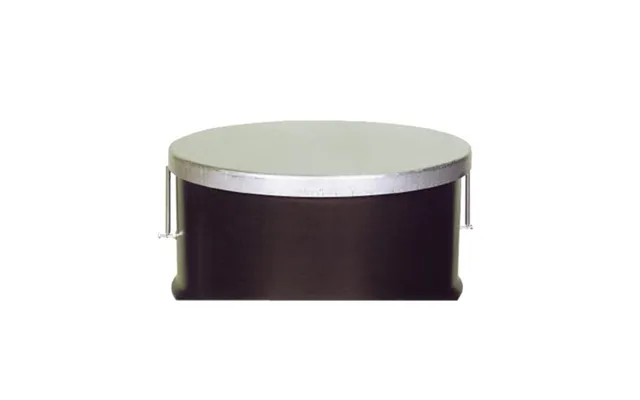
The American Hunter AH-L55 Easy Open Lid is an accessory for a 55-gallon feeder. Its design is described as helping eliminate standing water on top of the lid and making the lid easier to open. It also holds itself to the side when opened, which can make access more convenient during refilling.
The listed dimensions are 24 inches long by 3 inches wide by 24 inches high, and the listed weight is 5 pounds. The product is identified as an accessory and comes in a retail box according to the provided data. The description also lists a 90-day warranty.
This type of accessory can be useful when the lid itself becomes an everyday frustration. A feeder may have plenty of capacity, but if opening it is awkward, even a simple refill can feel like wrestling with a stubborn gate.
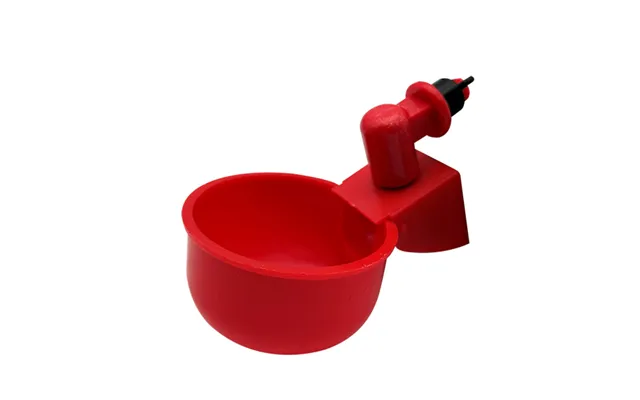
The reference data includes an Automatic Plastic Chick Drinker listed under poultry equipment. The listing title identifies it as a chicken water drinker, but the supplied description provides limited product specifications. Because of that, it is best to review the seller’s current information for details such as capacity, dimensions, installation requirements, and included components.
When comparing poultry drinkers, look for information about how water is replenished, how easily the unit can be cleaned, and whether its design suits the age and number of birds. A waterer should be convenient for the caretaker while remaining accessible to the animals.
The listed price for this product is $0.10 through Alibaba. That unusually low displayed price should be treated as a listing detail rather than a guarantee of the final purchase cost. Buyers should confirm current pricing, minimum order quantities, shipping, and product specifications directly through the listing.
The reference selection also includes a 0.2–2% Water Driven Proportional Fertilizer Dosing Injector Automatic Intelligent Liquid Doser Pump. Its title identifies it as equipment for proportional liquid dosing and mentions poultry farm and vehicle applications.
The listed price is $60.00 through Alibaba. However, the supplied data does not provide details such as flow rate, connection size, power requirements, installation instructions, or the exact contents of the package. Those points are important when deciding whether a dosing injector will work with your existing water system.
Use the product title as a starting point, not as a substitute for technical documentation. A dosing device is a little like adding a measuring spoon to a recipe: accuracy and compatibility matter just as much as the basic idea.
Capacity should reflect your animals and your schedule. The plastic gravity feeder holds up to 60 pounds, while the galvanized metal models are listed in 50–80-pound and 100–140-pound ranges. More capacity can mean fewer refills, but it can also mean a larger and heavier unit.
Ask yourself a few simple questions. How many animals will use the feeder? How often can you check it? Will the unit stay in one place? Do you need separate compartments? Your answers will narrow the field quickly.
If you prefer frequent checks and have limited space, a smaller design may be easier to manage. If you want the feeder to support the flock for longer periods between visits, a larger capacity could be more suitable, provided the design fits your enclosure.
Feed waste can accumulate quietly. A little spilled feed each day is like a slow leak in a bucket: easy to ignore at first, but meaningful over time. The reference products include several features intended to keep feed in the feeder rather than on the ground.
The Quictent plastic model includes a removable feed saver ring. The galvanized metal feeders are described with rain hoods, internal baffles, sloped bottoms, and six feeding ports. These features are intended to support cleaner access and reduce scratching or scattering.
No feeder can replace regular observation. Check whether animals are reaching the ports comfortably, whether feed is moving as expected, and whether moisture or debris is entering the container.
Placement affects how well any feeder or waterer performs. Raised designs should sit on stable ground, away from areas that collect standing water. Keep enough room around the unit for animals to approach without crowding and for you to refill it safely.
Inspect the feeder regularly for moisture, clumping, blocked openings, and damaged parts. Clear feed ports and check lids or latches as part of your normal routine. For water-related equipment, pay close attention to cleanliness and flow, especially when the product will be used continuously.
The supplied descriptions do not provide universal cleaning instructions, so follow the current manufacturer guidance for each product. Care routines may differ between plastic feeders, galvanized metal units, drinkers, and dosing equipment.
The American Hunter AH-L55 Easy Open Lid is listed at $33.12. The Quictent Plastic Dome Gravity Feeder is listed at $199.99. The Quictent 50–80-pound galvanized metal feeder is listed at $79.99, and the 100–140-pound model is listed at $99.98.
The Automatic Plastic Chick Drinker is listed at $0.10, and the proportional liquid dosing injector is listed at $60.00. These are the prices shown in the supplied comparison data and may change. The reference data does not provide regular prices for comparison, verified discounts, or confirmed availability.
Start with purpose. Are you storing dry feed, separating multiple feed types, providing poultry water, or managing liquid dosing? Then compare capacity, material, dimensions, access, and the features that matter most in your environment.
Next, review the seller information carefully. Some listings contain detailed specifications, while others provide only a short title and promotional text. Confirm measurements, ordering requirements, shipping information, and current availability before committing to a purchase.
Finally, consider the total practicality of the equipment. The cheapest listing is not automatically the best value, and the largest feeder is not always the most convenient. The right choice should make your routine simpler, cleaner, and more predictable.
The reference selection includes options for different farm and flock routines, from the 60-pound Quictent plastic gravity feeder to Quictent galvanized metal feeders with separate zones and larger capacities. The American Hunter easy-open lid adds convenience to a compatible 55-gallon feeder, while the poultry drinker and proportional dosing injector address liquid-management needs. Compare each product’s intended use, capacity, construction, and available specifications, then verify current listing details through the seller before deciding.