

Animal Husbandry - Other price list
Last updated Saturday, Oct 3, 2026




View 17 Offers


Loading...
Last updated Saturday, Oct 3, 2026
Animal husbandry covers far more than feeding livestock. A productive setup may include poultry housing, chicken warming equipment, beekeeping tools, aquaculture systems, cattle care products, and specialized farm machinery. Choosing the right equipment can feel like assembling a puzzle, but the process becomes easier when you match each product to a clear task.
The reference selection includes tools and equipment for chickens, bees, cattle, fish, pigs, and general farm operations. It also includes two animal-themed digital products for ranch simulation games. Prices shown in this guide are the listed prices in the reference data, and ZoneOffer is a comparison site rather than a store. That means you can use the selection to compare options and decide which type of product best fits your needs.
Start with the animal, the job, and the environment. A chicken coop needs different equipment from a fish pond, while a beehive requires tools designed for careful hive work. Think of your operation as a small system: housing supports animal comfort, equipment supports daily routines, and maintenance keeps everything working together.
Space is another important factor. The Quictent three-compartment nesting box is listed at 33.6 inches by 13.7 inches by 13 inches, while the Quictent multi-level roost is listed at 55 inches long by 40 inches wide. Comparing measurements before choosing can help prevent overcrowding or an awkward fit inside your existing setup.
Ask yourself how often the equipment will be used. A nesting box may support everyday egg laying, while a honey extractor may be used during specific processing periods. A heating product may be needed during colder conditions, and a cow body brush can support regular livestock care. Products that save repeated effort can be especially useful when several animals depend on the same routine.
You should also consider cleaning and upkeep. Smooth surfaces, stable construction, clear assembly instructions, and durable materials can make a product easier to manage over time. These details may seem small, but small improvements add up when you repeat the same task every day.
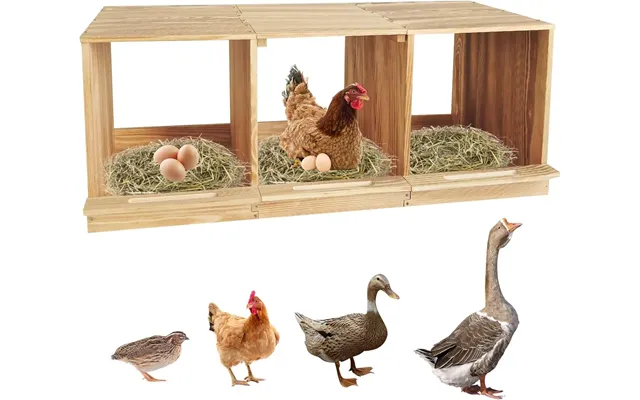
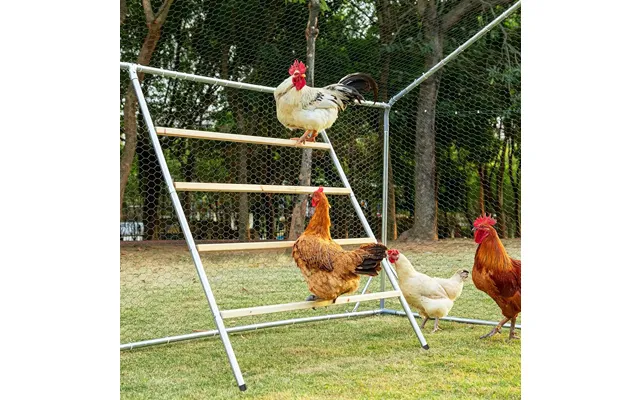
Chicken housing works best when it gives birds dedicated areas for laying, resting, and moving. Two products in the selection focus directly on these needs: the Quictent 3 Compartments Wood Nesting Boxes for Chickens and the Quictent Chickens Roosting Perch for Coop.
The Quictent nesting box uses natural solid wood and provides three individual nesting areas. Its roomy layout is designed to give hens a comfortable place to lay eggs, while the enclosed structure helps protect eggs from disturbance. The product description also highlights internal baffles and perches intended to help keep straw in place and reduce the chance of eggs rolling out.
Wood can offer a different environment from metal because it may provide better insulation. The description specifically presents the structure as helping keep the interior cooler in hot weather and warmer during colder seasons. For a poultry keeper, that makes temperature behavior worth considering alongside size and placement.
The listed price for this Quictent nesting box is $299.99. Before comparing it with other options, consider whether three compartments suit your flock and whether the 33.6-inch by 13.7-inch by 13-inch design fits the coop.
The Quictent roosting perch is designed around stable, multi-level use. Its square-shaped bars are intended to resist unwanted rotation, while the widened flat surfaces are described as helping reduce foot strain. A four-tier layout provides multiple areas for chickens to perch, move, and rest.
The construction combines galvanized iron pipes with solid wood. The product description emphasizes resistance to rust and corrosion, along with smoothly sanded wooden perches designed to help prevent splinters. The smooth surfaces are also described as easy to clean, which is useful when routine maintenance is part of your daily schedule.
This roost is listed at 55 inches long by 40 inches wide and is priced at $199.99 in the reference data. Its compact footprint may appeal to keepers trying to add vertical activity space without filling the entire coop floor.
Temperature management is a major consideration for young or vulnerable animals. The selection includes several heating-related products, including a 100-watt chicken heat bulb, a piglet heating lamp cover, and an electric brooder heater for a chicken coop or greenhouse poultry farm setup.
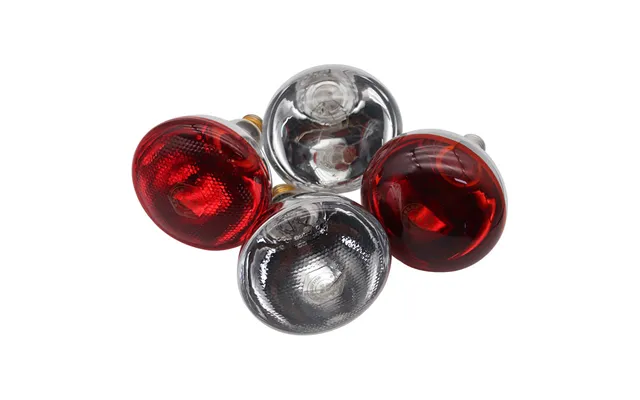
The Smooth Surface 100 W Chicken Heat Bulb is described as an infrared, waterproof heating bulb for poultry. Its listed price is $0.69. When comparing a bulb like this, check that its power rating and physical design suit your intended fixture and animal housing setup.
A heat bulb is only one part of a safe warming arrangement. Placement, protection, ventilation, and monitoring all matter. The reference data does not provide additional operating instructions, so buyers should review the product information available from the listed source before use.
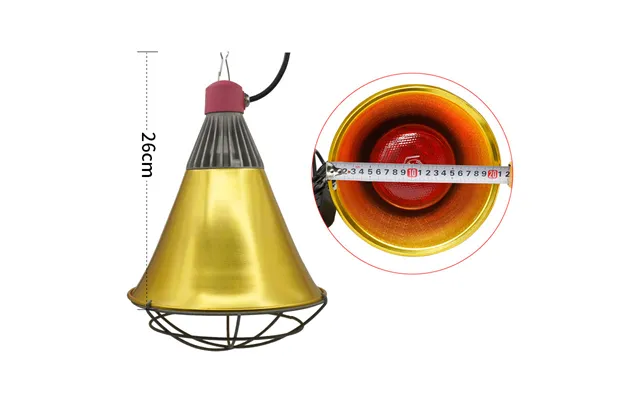
The Aluminium Waterproof Lamp Housing Piglet Heating Lamp Cover 21 is listed at $4.30. Its description identifies an aluminum, waterproof lamp housing intended for piglet heating lamp use. A protective housing can be relevant where lighting and heating equipment must be positioned around animals, bedding, and farm activity.
Compare the lamp cover’s dimensions and compatibility with the heating equipment you already use. The reference data identifies the product and material but does not specify every fitting detail, so checking the listing information is an important part of the selection process.
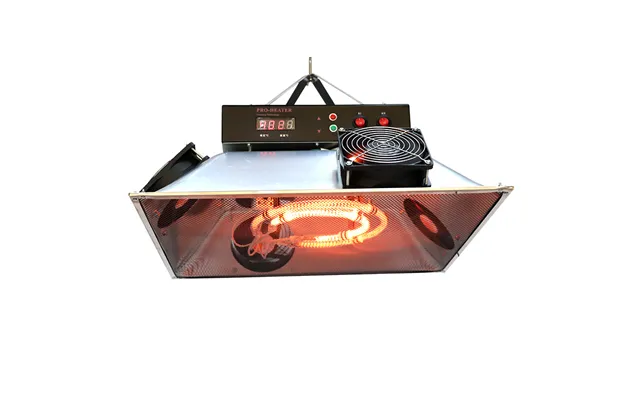
The Greenhouse Poultry Farm Heating Equipment Electric Brooder Heater is listed for chicken coop house use and has a listed price of $95. It may be worth comparing with a heat bulb when you are planning a brooding area and want to evaluate different equipment formats.
Think about the size of the area you need to warm, how the heater will be positioned, and how easily you can inspect the birds. The best choice is not always the most powerful-looking product; it is the option that fits the space and supports a manageable routine.
Beekeeping requires tools for hive maintenance, wax preparation, honey extraction, and storage. The reference selection includes a wooden Langstroth beehive kit, a hive tool, a silicone beeswax mold, a manual six-frame honey extractor, and a stainless steel honey storage heating barrel.
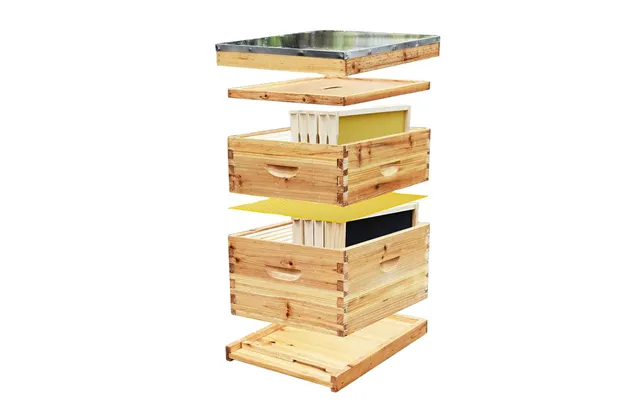
The Wholesale Hive Tool Langstroth Wooden Bee Hives Beehive Kit is listed at $49. The product title identifies a wooden Langstroth-style hive kit, making it a starting point for shoppers comparing hive equipment.
A hive tool is one of the basic accessories used in beekeeping work. The reference data groups the hive tool with the wooden beehive kit, so review the specific listing carefully to confirm what is included. Product titles can describe a collection, but the full listing is the best place to check the exact contents.
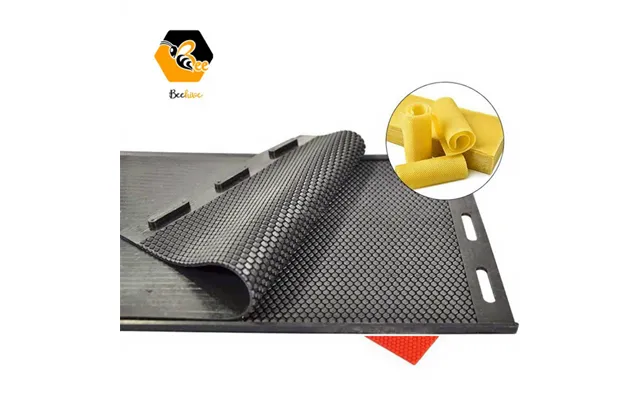
The Beekeeping Silicone Beeswax Honeycomb Mold is listed at $12.30. It is described as a flexible mold for beeswax honeycomb and wax foundation sheets, with an embosser-style design for beekeeping use.
Silicone is often selected for flexible molding tasks because the material can make removal easier than a rigid form. However, the reference data does not provide additional details about dimensions or capacity. Compare those specifications before deciding whether the mold fits your preferred foundation-making process.
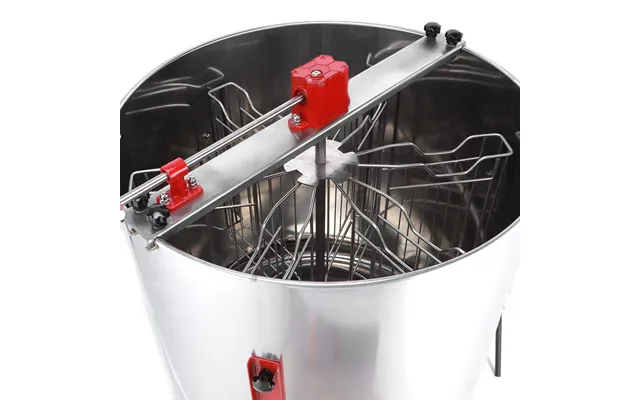
The Beestar six-frame manual reversible radial bee honey processing machine is listed at $177. The title identifies a manual extractor designed for six frames and honey processing. For beekeepers, frame capacity is an important comparison point because it helps define how much can be processed in each cycle.
A manual extractor may appeal to users who prefer a straightforward, non-electric process. Consider the available workspace, the number of frames you typically handle, and how you plan to clean the equipment after use. The reference data does not state additional capacity or construction details beyond the product title, so check the listing before purchase.
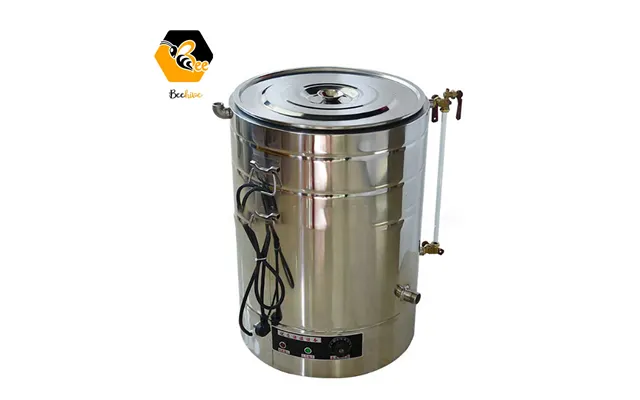
The Factory Hot Sales Beekeeping Equipment Honey Storage Heating Barrel is described as a 304 stainless steel heating and storage barrel for honey. Its listed price is $189. Stainless steel construction may be a useful feature to compare when storage and warming are part of your honey-processing workflow.
Heating equipment should be selected with careful attention to the product’s specifications and intended use. The reference data does not state the barrel’s capacity, temperature range, or control system, so those details should be verified in the source listing.
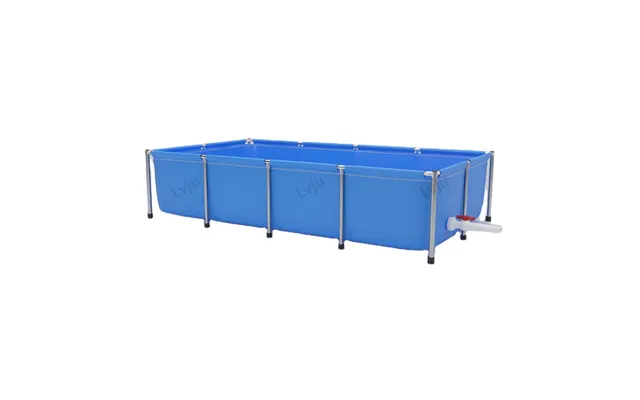
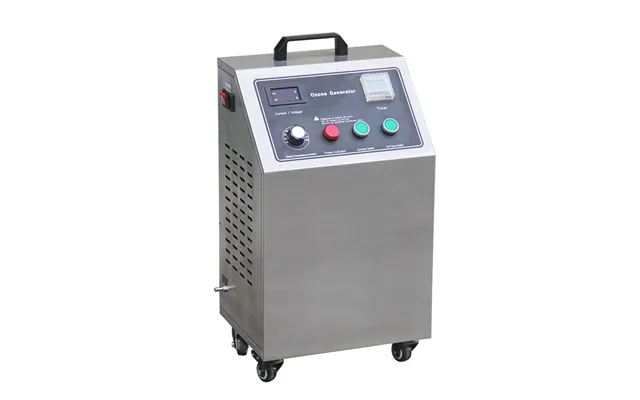
Aquaculture equipment must support the particular environment of fish or shrimp. The selection includes the Lvju metal tank and a Cowater industrial ozone generator. These products serve different purposes, so comparing them starts with identifying whether you need a container, water-treatment equipment, or both.
The Lvju metal tank is listed as a 396-gallon fish tank and shrimp pond. Its stated dimensions are 6.6 feet by 4.9 feet by 1.6 feet, and the reference data also identifies a 1,500-liter capacity. Because this article uses imperial units, the key comparison figures are the 396-gallon capacity and the dimensions in feet.
The tank may be relevant for shoppers planning a fish or shrimp setup that needs a dedicated enclosure. Before choosing it, consider available floor space, water access, drainage, and the surrounding surface. A large tank is like the foundation of a small aquatic system: if the location is wrong, every later step becomes harder.
The Cowater 10g Industrial Ozone Generator is listed for aquaculture and fish farming. Its description identifies stainless steel construction and a concentration of 2–3 mg/L. The listed price is $150.
Ozone equipment is a specialized purchase, so buyers should review operating requirements, compatibility, and safety information before use. The reference data does not explain installation or treatment procedures. Compare the generator’s listed specifications with your system rather than assuming that every aquaculture setup needs the same type of equipment.
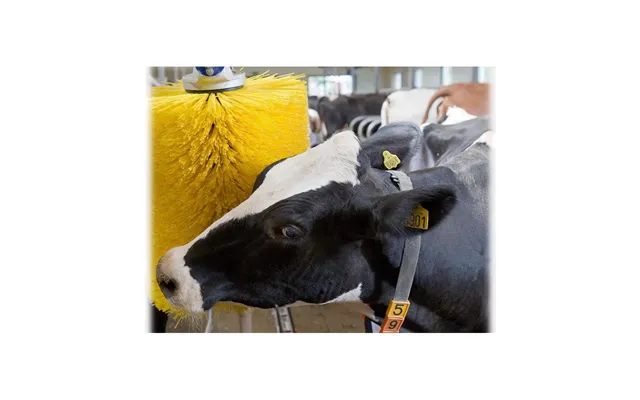
Animal husbandry also includes practical tools that support livestock comfort and daily handling. The New Hot Selling Zhenda Unpowered Electric Cow Body Brush is listed at $240 and features a 600-millimeter roller made from PP and PA materials. Converted to imperial units, the roller is approximately 23.6 inches.
The product is described as durable and easy to use, and its unpowered design distinguishes it from motorized grooming equipment. A body brush can give cattle an opportunity to rub and groom themselves, while also providing an activity within the housing area.
When comparing cattle-care equipment, think about installation location, animal access, stability, and cleaning. A brush placed where cattle cannot reach it will not contribute much to the routine. As with any livestock tool, practical placement is just as important as the product itself.
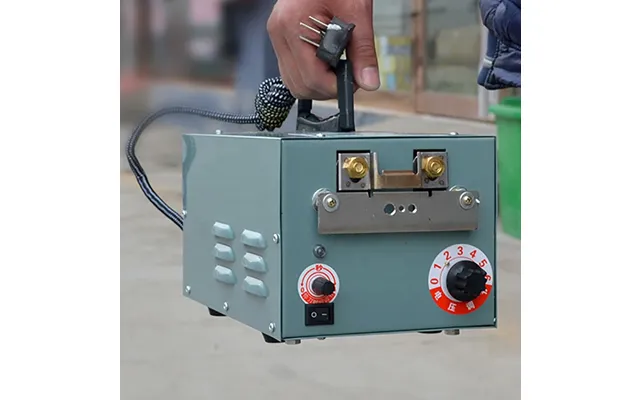
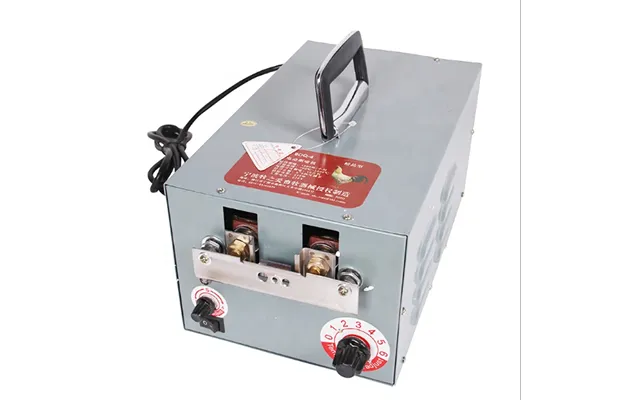
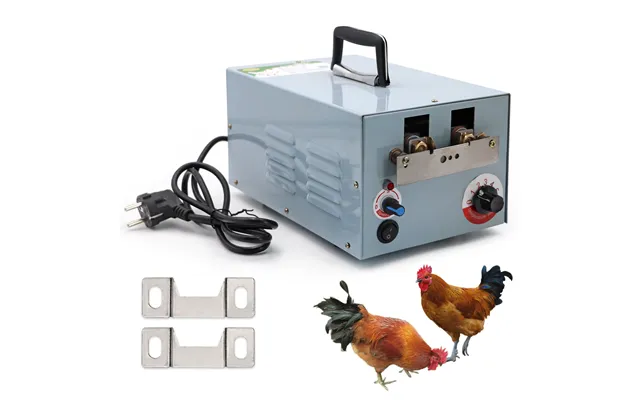
The reference data includes several electric poultry debeaking machines. Two products are listed at $77: the Save Time Fully Automatic Poultry Debeaker Machine and the Chicken Debeaking Machine Chick Poultry Automatic Debeaker. A third Poultry Farm Equipment Automatic Poultry Chicken Debeaker is listed at $50.
The descriptions identify these as machines for chicken or poultry beak cutting, with electric operation. One product title specifies 220 V, another identifies a counter, and the third includes 220/110 V in its title. Those electrical details are important comparison points, but they should be verified in the individual listing before purchase.
Look closely at automation, voltage, counting features, intended bird type, and adjustment options. A machine with a counter may support a different workflow from a basic electric model. Price alone does not explain which option fits your operation, so consider how frequently the equipment will be used and how many birds the process involves.
Debeaking is a specialized animal-handling task. Anyone considering this equipment should follow applicable welfare requirements, professional guidance, and safe operating procedures. The reference data lists products but does not provide animal-care instructions or regulatory guidance.
The listed prices span a wide range. The Smooth Surface 100 W Chicken Heat Bulb is listed at $0.69, while the Quictent nesting box is listed at $299.99. Other examples include the $199.99 Quictent roost, the $189 honey heating barrel, the $177 Beestar extractor, the $150 Cowater ozone generator, and the $127.50 Lvju metal tank.
Lower-priced products may be useful for small accessories or replacement components, while larger equipment naturally represents a bigger purchase. Still, price should be treated as one piece of the puzzle. Construction, dimensions, capacity, compatibility, and maintenance can matter just as much.
Before choosing, write down the animal type, intended task, available space, required capacity, material preferences, power requirements, and cleaning needs. Then compare listings side by side. This approach is more reliable than choosing the first product that looks suitable because it turns a vague shopping task into a clear checklist.
Remember that the offers in the reference data come from different stores, including Quictent, Alibaba, and Yuplay. ZoneOffer brings comparison information together; it is not the seller of these products. Check the individual offer for the latest product details before making a decision.
Not every animal husbandry product in the selection is physical equipment. The Ranch Simulator Highland Cows Pack is a digital add-on described as bringing Highland cows into a ranch simulator. Its listed price is $2.52, and the store shown in the reference data is Yuplay.
The Mr. Prepper - Animal Farm DLC is another digital product. It is described as a game expansion focused on getting a farm back in shape and caring for animals. Its listed price is $1.72, with Yuplay shown as the store.
These products may suit someone interested in virtual ranch or farm management rather than real-world livestock equipment. Separating digital content from physical farm tools helps prevent confusion when comparing the selection.
The strongest setup is rarely built from one product alone. A poultry system may combine nesting boxes, roosting space, and heating equipment. A beekeeping operation may need hive equipment, wax tools, extraction machinery, and storage equipment. An aquaculture project may begin with a tank and later add water-treatment tools.
Try to build in stages. First, solve the basic housing or containment need. Next, add equipment that supports animal comfort and daily work. Finally, consider specialized machinery that saves time or expands capacity. This staged approach can make your spending easier to manage and help you identify what your operation truly needs.
The reference selection includes a broad mix of animal husbandry products, from Quictent chicken coop equipment and poultry heaters to beekeeping tools, aquaculture tanks, cattle brushes, debeaking machines, and digital farm simulations. The right choice depends on the animals you care for, the task you need to complete, the space available, and the specifications that matter most. Compare dimensions, materials, capacity, voltage, construction, and listed prices carefully, and use ZoneOffer as a comparison site to explore the available options without treating it as a store.