


xbloom price list
Last updated Wednesday, Oct 14, 2026





| Store | Status | today | distance |
|---|
Loading...
Loading...
Last updated Wednesday, Oct 14, 2026
xbloom is not a traditional coffee shop, supermarket brand, or old-fashioned appliance company. In the United States, it has built its name around a simple but ambitious idea: make excellent coffee easier to brew at home without removing the craft from the process. Its products combine a coffee machine, fresh beans, digital control, and a growing network of coffee partners. That mix has helped xBloom stand out in a crowded American market.
The company entered a US coffee scene that was already changing quickly. Americans were buying better beans, learning about pour-over methods, and spending more on equipment. At the same time, many people wanted convenience. They liked the taste of specialty coffee, but they did not always want to measure water, grind beans, adjust a dripper, and clean several tools before work. xBloom positioned itself between those two needs. It aimed to offer the control of manual brewing with the ease of an automatic machine.
That position explains much of the brand’s appeal. xBloom does not ask coffee drinkers to choose between speed and quality. Instead, it presents the machine as a kind of digital barista. You can let it automate the brew, or you can adjust the recipe and explore coffee in a more personal way. For American consumers who enjoy smart home products, this idea feels familiar. The machine becomes more than an appliance. It becomes part of a connected coffee routine.
xBloom emerged from the technology and product design world rather than from a long-established US coffee chain. The company focused on creating a new type of countertop coffee system, one that could manage key brewing steps with precision. Its development reflected a wider trend in consumer technology: products were becoming more connected, more automated, and more personalized.
The early vision centered on fresh, bean-to-cup brewing. That phrase matters because coffee quality begins long before the water reaches the grounds. Beans lose aroma after grinding, and pre-ground coffee can become flat over time. By placing grinding inside the machine, xBloom could help users brew with freshly ground coffee while reducing the work involved.
The brand also wanted to connect coffee drinkers with specialty roasters. This was a smart move in the US market. Independent roasters had earned strong reputations for unusual origins, careful processing, and transparent sourcing, but their products could be intimidating for beginners. A machine that made discovery easier could act as a bridge between the expert coffee world and the everyday home kitchen.
xBloom’s story is closely linked to its use of technology. The company developed a system designed to control several parts of brewing, including grinding, water delivery, temperature, and recipe timing. These details can sound technical, but the goal is practical. A user should be able to place coffee in the machine, select a recipe, and receive a repeatable cup.
That does not mean every cup tastes the same. Coffee beans vary dramatically. A light-roasted Ethiopian coffee may need a different approach from a chocolate-heavy Brazilian bean. xBloom’s system is built around the idea that recipes can change with the coffee. The machine can therefore support consistency without making coffee boring.
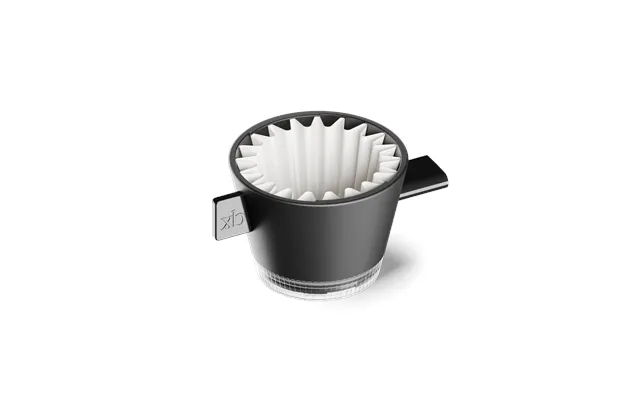
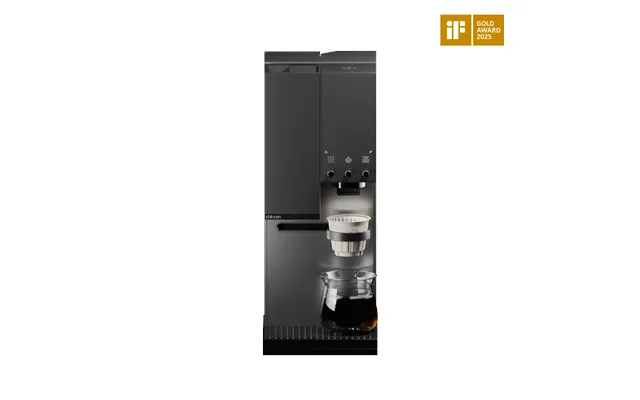
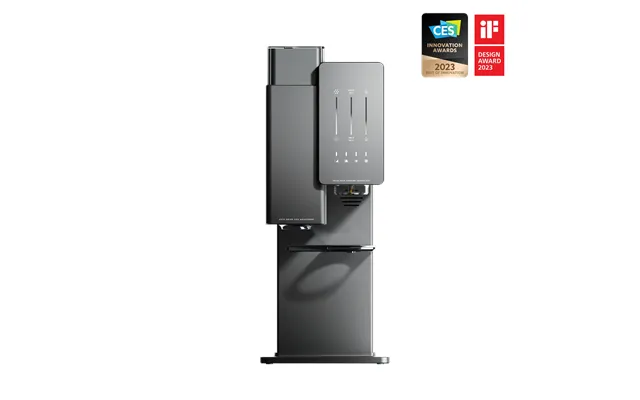
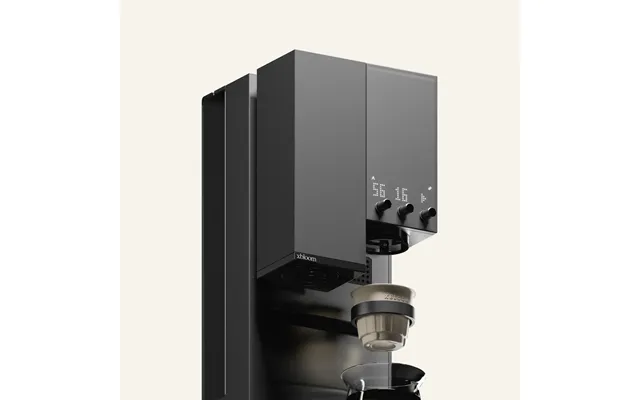
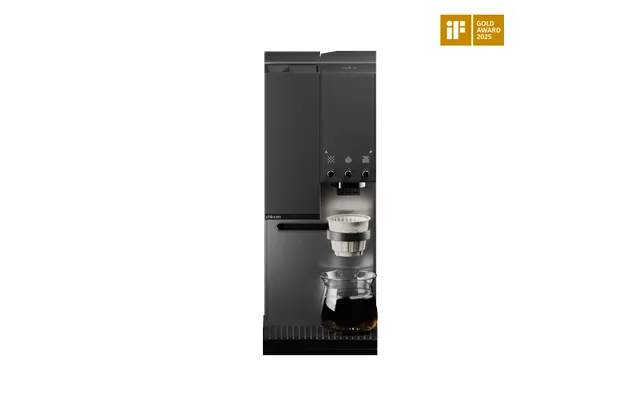
xBloom gained attention in the US through its original all-in-one coffee machine, which brought together a grinder, brewer, and digital controls. The product was aimed at people who wanted specialty coffee at home but did not want a kitchen covered with separate equipment. Instead of buying a grinder, scale, kettle, dripper, and brewing timer, customers could use one coordinated device.
The launch arrived at an interesting time. Home coffee had already grown before the pandemic, but lockdowns accelerated the habit. People who once relied on cafés began experimenting with brewing in their kitchens. Some bought entry-level equipment. Others wanted something more refined and less demanding. xBloom entered this second group, offering a premium product for consumers who saw coffee as both a daily drink and a hobby.
The US was a natural target market. Americans have a large specialty coffee sector, a strong culture of online shopping, and a growing interest in connected appliances. Consumers were already comfortable controlling lights, speakers, thermostats, and kitchen products through mobile devices. A smart coffee machine did not seem like science fiction. It seemed like the next step.
xBloom gradually presented itself as more than a single product. Its vision included compatible coffee pods, digital recipes, fresh beans, and relationships with specialty roasters. This ecosystem helped separate the company from basic automatic coffee makers. The machine was only one part of the experience.
The company’s coffee pods are designed to hold whole beans for individual brewing. This approach gives users a convenient way to store and use freshly roasted coffee without opening a large bag every time. It also supports variety. Instead of drinking one blend for weeks, a customer can try different roasters, regions, and roast styles.
For coffee fans, that variety can feel like a tasting flight. For beginners, it removes some of the pressure. They do not need to understand every detail about grind size or extraction before trying a new coffee. The system gives them a guided entry point, while more experienced users can still adjust their brew.
The original xBloom machine established the central concept, but the company continued refining its product line. Later models focused on improving accessibility, design, brewing control, and price positioning. This matters because premium home coffee equipment can become difficult to sell if it serves only experts.
A major challenge for xBloom was balancing automation with involvement. Too much automation can make a coffee machine feel limited. Too much manual control can defeat the reason many people buy an automatic brewer. xBloom’s response was to offer both paths. Users could follow a ready-made recipe, or they could explore settings and create a more customized brew.
This flexibility gives xBloom a wider audience. A busy professional might want one-touch brewing in the morning. On a quiet weekend, that same person might enjoy testing a different recipe. The machine can fit both moods. That is an important advantage in a market where consumers do not want to be locked into one style of brewing.
Design has played a major role in xBloom’s US identity. The machines use a modern, Minimal look that fits the style of contemporary kitchens. They appear closer to premium technology products than to bulky commercial coffee equipment. That visual language helps the brand attract people who care about how an appliance looks on the counter.
Good design also reduces friction. A clean interface, clear controls, and a simple workflow can make a complicated brewing process feel manageable. Think of it like driving a modern car. The engine may be highly advanced, but the driver does not need to understand every mechanical detail to use it. xBloom applies a similar principle to coffee.
Nespresso is one of xBloom’s most obvious competitors because both brands focus on convenient, premium coffee at home. Nespresso has a much longer history, a larger retail presence, and strong consumer recognition. Its capsule systems are fast, consistent, and easy to use. For shoppers who want coffee with almost no preparation, Nespresso remains a powerful choice.
xBloom takes a different route. Nespresso generally uses sealed capsules filled with ground coffee, while xBloom emphasizes whole-bean brewing. That difference affects freshness, customization, and the overall experience. xBloom users can engage more directly with specialty coffee and adjust recipes. Nespresso users usually gain speed and simplicity.
Cost also works differently. Nespresso machines may have a lower entry price across parts of the product range, although capsule expenses can add up over time. xBloom typically asks for a larger initial investment, especially for premium models. In return, it offers a more open and exploratory approach to coffee. Which is better? It depends on whether you want a quick espresso-style drink or a more flexible brewed coffee ritual.
Keurig dominates the American single-serve market and is deeply familiar to US households. Its biggest strength is convenience. Users can make a cup quickly, choose from a wide range of branded pods, and find machines in many stores. Keurig is practical, accessible, and easy to understand.
xBloom competes at a different quality level. While Keurig is designed around speed and mass-market choice, xBloom focuses on fresh beans, specialty brewing, and control. The xBloom experience requires more attention, even when the machine automates the main steps. That extra attention may appeal to people who want to taste more detail in their coffee.
The two brands also differ in their environmental conversation. Single-use pods have faced criticism because of packaging waste, although manufacturers have introduced recycling programs and different materials. xBloom’s individual coffee containers still involve packaging, so it is not completely free from that concern. However, its use of whole beans and its premium specialty focus give it a different sustainability discussion from traditional pod systems.
Breville is a major competitor for serious home coffee drinkers. Its machines cover espresso, drip coffee, grinding, and manual brewing. Breville customers often want strong control and are willing to learn. The brand is known for feature-rich products and a broad range of equipment.
Compared with Breville, xBloom often feels more guided and connected. A Breville setup may include several separate machines and tools, each performing one job. That arrangement can produce excellent coffee, but it also takes counter space, practice, and cleaning. xBloom combines more functions in one system and makes recipe management easier for less experienced users.
Breville may be the better choice for someone who wants to become deeply involved in espresso or manual brewing. xBloom may suit someone who wants high-quality brewed coffee with less effort. Neither approach is automatically superior. They represent two different ideas of home coffee: one is closer to a workshop, while the other is closer to a smart appliance.
Fellow has earned a strong US following through products such as kettles, grinders, drippers, and other carefully designed coffee tools. Its brand speaks to people who appreciate both function and appearance. Fellow products often encourage a hands-on brewing style, although the company also sells more automated equipment.
xBloom overlaps with Fellow in its modern design and specialty coffee audience, but the brands create different levels of involvement. Fellow gives users individual tools and room to build a personal setup. xBloom bundles the process into a connected system. A Fellow customer may enjoy weighing beans and pouring water by hand. An xBloom customer may prefer to save time while keeping access to fresh coffee and adjustable recipes.
In the US market, this makes the brands complementary as much as competitive. A coffee enthusiast could own a Fellow kettle for manual brewing and use xBloom for weekday convenience. The choice depends on how much control and effort the user wants at a particular moment.
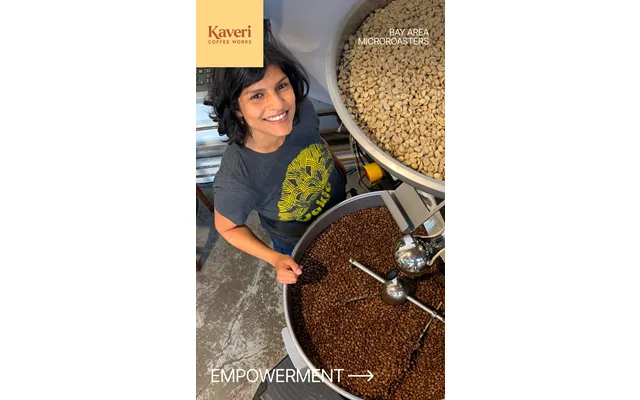
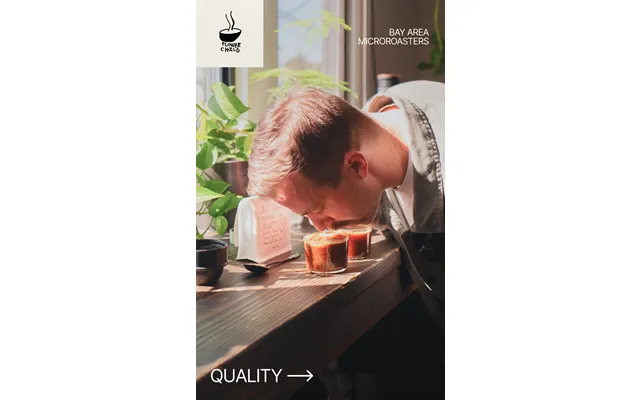
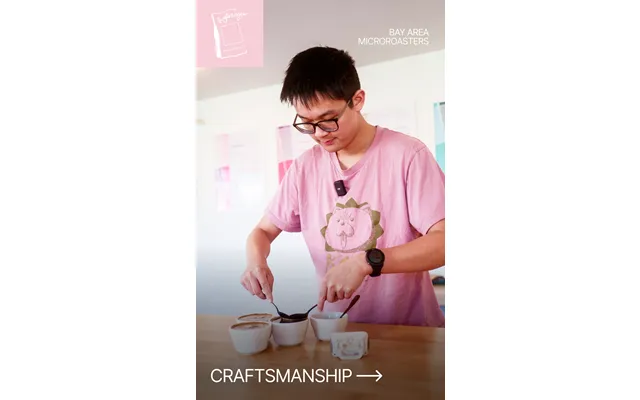
One of xBloom’s most important US strategies has been its connection with specialty roasters. Coffee is not only about the machine. The beans determine much of the flavor, aroma, and personality of the cup. By featuring coffee from different roasters, xBloom can keep the experience fresh and encourage customers to explore.
This approach also helps smaller roasters reach curious consumers. A person who normally buys a familiar supermarket blend may try a coffee from a respected independent roaster through the xBloom system. That first experience can lead to more interest in origin, processing, altitude, and roast style.
The relationship works both ways. Roasters gain another channel for presenting their coffee, while xBloom gains credibility through association with coffee professionals. The machine becomes a meeting point between technology and craft. That combination is central to the company’s identity in the United States.
xBloom’s guided recipes can also educate users without making them read a long manual. A recipe can show how a particular bean performs with a certain water temperature, grind setting, and brewing pattern. Users learn through repetition. They taste the result, make a change, and begin to understand why the change matters.
This kind of learning feels more natural than memorizing coffee terms. You do not need to become a barista overnight. You only need curiosity. Over time, the machine can help transform a routine cup into a small daily experiment.
xBloom operates in an attractive market, but it also faces serious challenges. Premium coffee appliances are discretionary purchases. When household budgets tighten, consumers may delay buying an expensive machine. Many people can still make coffee with a low-cost brewer, a basic grinder, or a pod machine.
The company must also explain its value clearly. Smart features sound appealing, but customers want to know whether those features improve the coffee and the daily experience. If the message becomes too technical, casual shoppers may lose interest. If the message becomes too simple, experienced coffee drinkers may question the machine’s depth.
After-sales support is another important issue. Connected appliances need reliable software, replacement parts, cleaning guidance, and customer service. Coffee machines face heat, water, oils, and regular use. A premium brand must support the customer long after the first purchase. Trust is built one successful brew at a time.
xBloom also has to justify the total cost of ownership. The initial machine price is only part of the calculation. Customers may also buy coffee pods, beans, accessories, filters, and cleaning supplies. The company must show why this system offers lasting value compared with a traditional brewer and grinder.
Packaging is another area that deserves attention. Individual coffee containers are convenient, but consumers increasingly ask how much waste a product creates. A strong future strategy could include clearer recycling guidance, reduced materials, refill options, and transparent sourcing information. Modern US shoppers want good coffee, but many also want responsible choices.
xBloom represents a wider shift in how Americans think about home coffee. The old choice was often simple: buy a cheap automatic machine for convenience or learn manual brewing for better control. Connected coffee products challenge that division. They try to bring precision, freshness, and ease into the same routine.
The brand also shows how technology can support craftsmanship rather than replace it. A recipe does not make the coffee meaningful by itself. The quality still depends on the beans, the water, the roast, and the person drinking the cup. Technology simply lowers the barrier between the customer and those details.
That is why xBloom has attracted attention beyond the appliance category. It belongs to a new group of products that combine software, design, food culture, and personal taste. In the United States, where convenience often drives buying decisions, xBloom asks a more interesting question: can convenience help people care more about what they consume?
The next stage of xBloom’s history will depend on how well it expands without losing its central purpose. The company may continue improving machine design, app features, coffee discovery, and compatibility with different brewing styles. It may also face pressure to serve a broader audience with more affordable products.
Growth will require balance. If xBloom becomes too exclusive, it may remain a niche product for dedicated coffee fans. If it becomes too simplified, it may lose the premium identity that makes it special. The strongest path is likely to keep the core experience refined while making the system easier for first-time users.
Its future may also be shaped by the larger smart-home industry. Consumers are becoming used to products that learn preferences, remember settings, and connect with mobile apps. Coffee could become more personalized, with machines recommending recipes based on taste, roast level, or past choices. Still, the human part will remain important. Coffee is a sensory experience, not just a data set.
xBloom’s history in the US is the story of a young brand entering a mature but restless market. It challenged the idea that automatic coffee must be ordinary and that specialty coffee must be difficult. Compared with Nespresso and Keurig, it offers more attention to fresh brewing and specialty beans. Compared with Breville and Fellow, it offers a more integrated and guided experience. That middle ground is its strongest point.
The store and brand will not replace every coffee maker, nor should it. Some people want a fast capsule. Others want a manual pour-over or a full espresso setup. xBloom appeals to the drinker who wants quality, discovery, and control without turning every morning into a technical project. If the company keeps improving its products, supporting its customers, and building responsible relationships with roasters, it could remain an influential name in the next chapter of American home coffee.