



Vatrer price list
Last updated Wednesday, Nov 4, 2026





| Store | Status | today | distance |
|---|
Loading...
Loading...
Last updated Wednesday, Nov 4, 2026
Choosing a battery for an RV, solar system, cabin, or home backup setup can feel like putting together a puzzle. Voltage, capacity, battery chemistry, charging temperature, monitoring tools, and installation space all matter. Vatrer focuses on this part of the puzzle with a range of lithium iron phosphate, or LiFePO4, batteries designed for high-capacity energy storage.
Its listed products cover several common power needs in the US market. These include 12V 600Ah batteries for RV and off-grid systems, along with 48V 100Ah server rack batteries for solar storage and home backup applications. Some models include self-heating, Bluetooth, Wi-Fi, touchscreens, or rack-mount designs. Pack sizes also vary from one battery to larger multi-battery bundles.
This guide looks at what Vatrer offers based on the available product data. It explains the main battery types, key features, prices shown in the reference listings, and the points buyers should check before ordering. It also places Vatrer in the wider US energy-storage market without making unsupported claims about competitors, customer ratings, or store policies.
Vatrer is a battery brand with products aimed at portable power, RV use, solar storage, and off-grid energy systems. The available listings are associated with the domain vatrerpower.com and show a product range centered on LiFePO4 batteries.
The brand’s catalog is not limited to one type of buyer. An RV owner may look for a 12V battery with a large reserve and high current output. A homeowner may prefer a 48V server rack battery that can sit alongside an inverter and solar equipment. Someone in a cold region may place more value on built-in heating and low-temperature charging protection.
That broad focus makes Vatrer relevant to several US audiences. Still, a battery is not a universal replacement part. The correct choice depends on the voltage of the existing system, the inverter, the charger, the available space, and the loads you want to run.
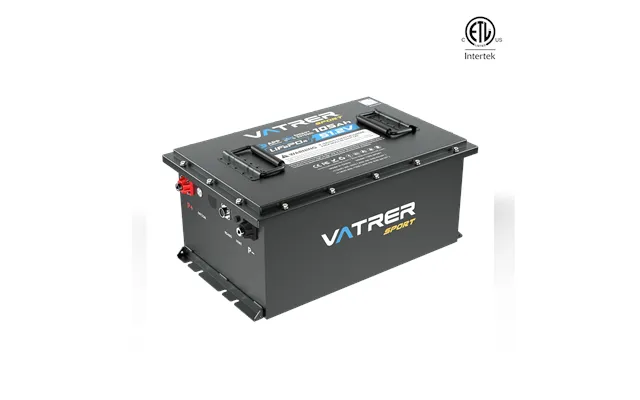
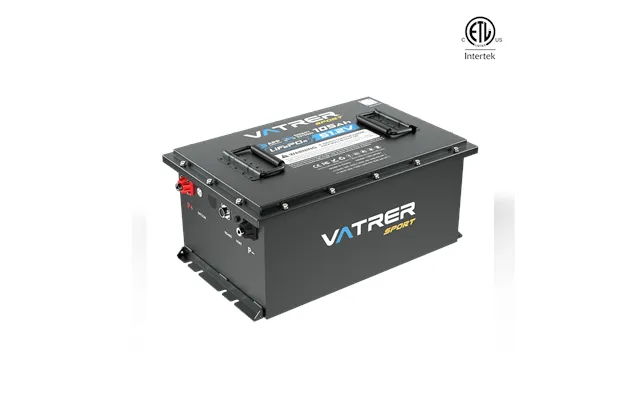
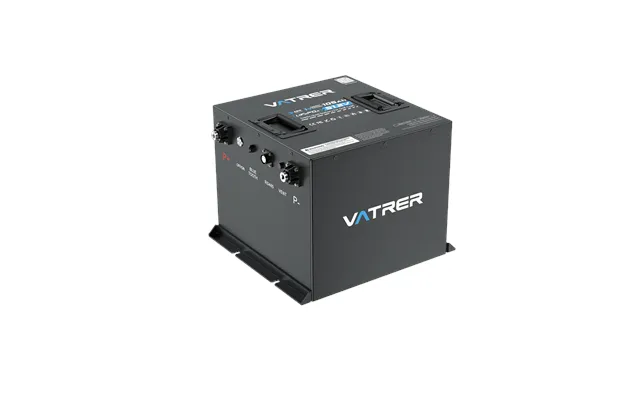
The most prominent Vatrer products in the reference data are 12V 600Ah lithium batteries. Each listed battery stores 7,680Wh, also described as 7.68kWh. That is a substantial amount of energy for a 12V platform and is intended for demanding applications rather than small electronic devices.
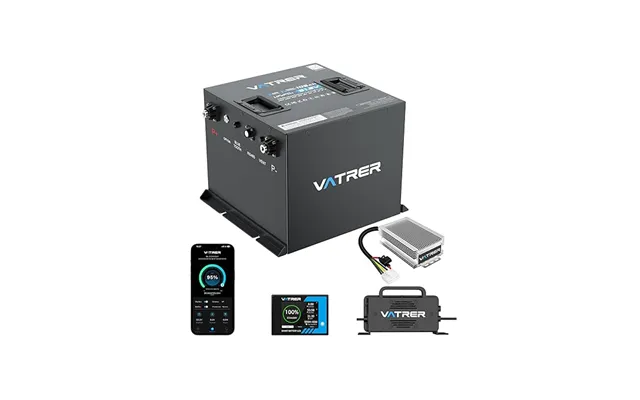
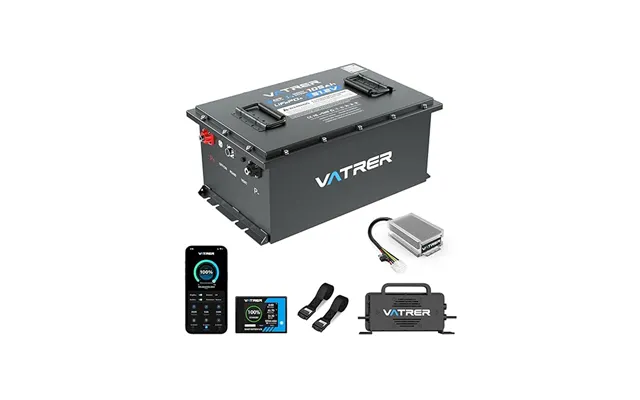
These batteries are presented for RVs, off-grid cabins, home backup systems, and other 12V installations. Depending on the version, the listings describe a 300A battery management system, Bluetooth monitoring, self-heating, or a combination of these features.
A large 12V battery can simplify a system because it may reduce the need to connect several smaller batteries in parallel. Fewer battery units can mean fewer battery-to-battery connections. However, the installation still needs suitable cables, fuses, charging equipment, ventilation planning, and an inverter that matches the system.
Vatrer also lists 48V or 51.2V 100Ah server rack batteries. These products provide 5,120Wh, or 5.12kWh, of energy storage per battery. They are described for solar systems, home backup, cabins, and off-grid power setups.
The server rack format gives these batteries a different role from the 12V RV products. Rather than fitting into a traditional 12V vehicle system, they are designed around a higher-voltage energy-storage setup. The listings mention rack-mount construction, smart battery management, and the ability to expand some systems with additional matching batteries.
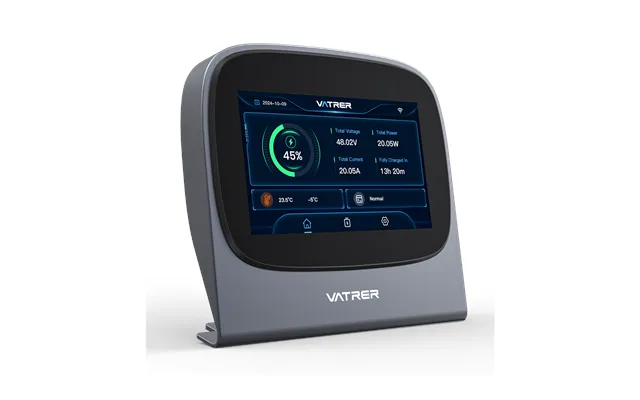
Several versions include Wi-Fi and Bluetooth monitoring. Some also mention a touchscreen, remote access, and over-the-air firmware updates. These tools can make it easier to view battery status, but compatibility with the rest of the power system remains essential.
Cold-weather charging is one of the clearest themes across many Vatrer listings. Lithium batteries generally need protection when charging at freezing temperatures. The listed self-heating models are designed to manage this issue automatically.
For the 12V 600Ah self-heating battery, the reference data says charging stops below 32 degrees Fahrenheit. When a charger is connected and the battery is below that temperature, the battery uses incoming charging power to warm itself. Charging can resume after the battery reaches 41 degrees Fahrenheit.
The same listings describe discharge protection below minus 4 degrees Fahrenheit, a charging upper limit of 167 degrees Fahrenheit, and a storage range from 14 to 122 degrees Fahrenheit. These details are important because they show that “cold-weather ready” does not mean the battery can operate without temperature limits.
The heated 48V server rack batteries follow a similar idea. When charging power is connected at 32 degrees Fahrenheit or below, incoming energy is directed toward heating first. Once the battery reaches 41 degrees Fahrenheit, normal charging begins. This may be useful in an unheated garage, shed, cabin, or other location where winter temperatures are difficult to control.
Even with built-in heating, buyers should check the installation environment and the manufacturer’s current instructions. A battery’s temperature protection system is one layer of safety, not a substitute for correct wiring and system design.
A battery management system, commonly called a BMS, monitors and controls important battery conditions. Vatrer listings describe protection against overcharge, over-discharge, over-current, short circuits, and abnormal temperatures.
The listed 12V 600Ah models include a 300A BMS. Some product descriptions say this supports up to 3,840W of load power, while other listings describe up to 300A continuous discharge. The exact performance depends on the specific model and system conditions, so buyers should match the product details to the intended inverter and load.
The 48V 100Ah products are commonly described with a 100A smart BMS. This is designed to monitor voltage, current, and temperature while managing charging and discharging. Some versions also include cell balancing, which helps keep the internal cells operating more evenly.
Vatrer’s listed batteries use LiFePO4 chemistry. The product descriptions refer to grade-A or EV-grade LiFePO4 cells and emphasize regular cycling, stable output, and long-term energy storage.
Some 48V server rack listings state a cycle life of more than 5,000 cycles, including versions described as supporting 5,000 cycles at 100% depth of discharge. A separate 12V Bluetooth listing refers to more than 5,000 cycles at 80% depth of discharge. These are product-description claims tied to particular listings, so buyers should read the specifications for the exact battery they select.
LiFePO4 batteries are often chosen for systems that cycle regularly. Compared with older lead-acid designs, the appeal is usually a combination of usable capacity, stable voltage, and reduced routine maintenance. Still, lithium batteries can cost more at the time of purchase, and the system needs compatible charging equipment.
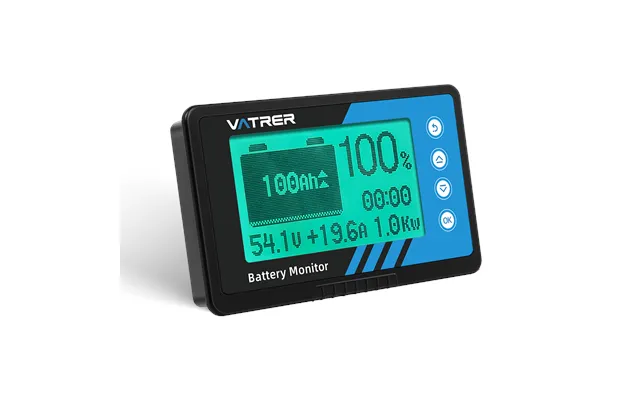
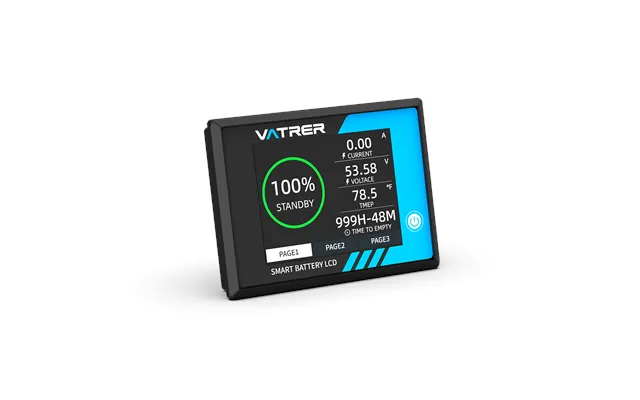
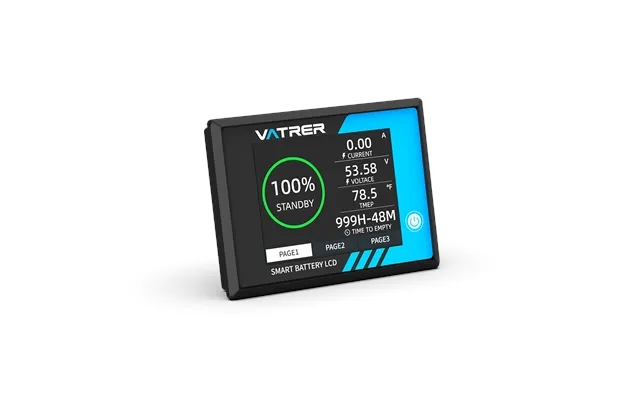
Monitoring is another major part of the Vatrer range. Bluetooth-equipped batteries can let users check information locally from a phone or app. The reference descriptions mention data such as state of charge, temperature, cell voltage, and BMS status for certain 12V models.
Some 48V server rack batteries add Wi-Fi access. The listings describe remote viewing, so a user may be able to check battery information without standing beside the rack. Selected models also include a touchscreen and support over-the-air firmware updates.
These features are useful when the battery is installed in a garage, utility room, or off-grid building. You can think of them as a dashboard for the power system. However, connectivity should not be the main reason to buy a battery. Capacity, voltage, current limits, charging compatibility, and physical fit should come first.
The reference data shows a wide price range because the listings cover different battery types, pack sizes, regions, and product configurations. The prices below are the listed figures in the supplied data and may not represent a current final price on the manufacturer’s website.
One listed 12V 600Ah Bluetooth lithium RV battery is priced at $1,149.99 for a one-pack option. Another 12V 600Ah Bluetooth version is listed at $1,256.99 for one pack. A self-heating 12V 600Ah model appears at $1,201.36 for one pack, while another self-heating listing shows $1,347.99 for one pack.
For 48V 100Ah server rack batteries, the data includes one-pack prices such as $883.79 for a Wi-Fi and Bluetooth model, $869.99 for a UL 1973-listed server rack model with monitoring features, and $1,049.99 for a heated server rack battery with Wi-Fi. These are separate listings, so their specifications should not be treated as identical.
Multi-pack listings are also available. The data includes two-pack, four-pack, six-pack, and ten-pack options for several product families. Some listings state that a server rack is included with selected larger packs. The exact bundle contents vary, so buyers should confirm what is included before placing an order.
There are no regular prices, confirmed discounts, or shipping charges supplied in the reference data. It would therefore be unsafe to describe any listed price as a sale price or to promise free delivery. Buyers should verify the current price, taxes, shipping, delivery time, and return terms at checkout.
Vatrer operates in a busy US market that includes specialist lithium battery brands, solar equipment suppliers, RV power retailers, and broader online marketplaces. At a general level, shoppers comparing these options usually look at the same core points: battery chemistry, energy capacity, output current, temperature protection, monitoring, warranty terms, certifications, and total system cost.
Vatrer’s listed range stands out for its combination of very high-capacity 12V batteries and modular 48V server rack products. That gives buyers options for both mobile power systems and fixed energy storage. The catalog also places noticeable emphasis on self-heating, app monitoring, and multi-battery expansion.
Other stores in the US market may offer different product sizes, installation services, or broader ranges of inverters and solar panels. The supplied data does not provide enough information to compare Vatrer with named competitors on price, warranty, service quality, ratings, or shipping. A fair comparison should therefore focus on specifications rather than unsupported rankings.
When comparing Vatrer with another seller, place each battery on the same checklist. Compare usable energy rather than only amp-hours, check continuous discharge limits, review cold-weather charging rules, confirm communication protocols, and calculate the cost of the full system. The battery price is only one piece of the final picture.
Vatrer may interest RV owners who want more energy storage in a 12V system. The listed 12V 600Ah batteries are aimed at running loads such as refrigerators, lights, fans, electronics, and other appliances. Some descriptions also mention support for high-demand loads through a 300A BMS.
Off-grid users may also find the range relevant. Solar panels, an MPPT controller, a LiFePO4 charger, or a generator can be part of a wider setup, depending on the battery model and system design. The 48V server rack products are positioned for solar storage, home backup, and cabin systems where a rack-mounted format makes sense.
Cold-climate users should pay close attention to the heated models. Automatic heating may help manage charging in freezing conditions, especially in an unheated structure. It does not remove the need to check temperature limits, charger settings, cable sizing, and local installation requirements.
These batteries may be less suitable for someone seeking a small, simple portable power pack. The listed capacities are large, and many products are designed for integrated systems rather than casual plug-and-play use.
Start with voltage. A 12V battery belongs in a different type of system from a 48V or 51.2V server rack battery. Never choose based on capacity alone. Confirm that the battery matches the inverter, charger, solar controller, and wiring plan.
List the appliances you want to run and identify their starting and running power. Refrigerators, air conditioners, microwaves, pumps, and other motor-driven or heating appliances can create high demand. The battery’s continuous and peak output must suit the inverter and the loads.
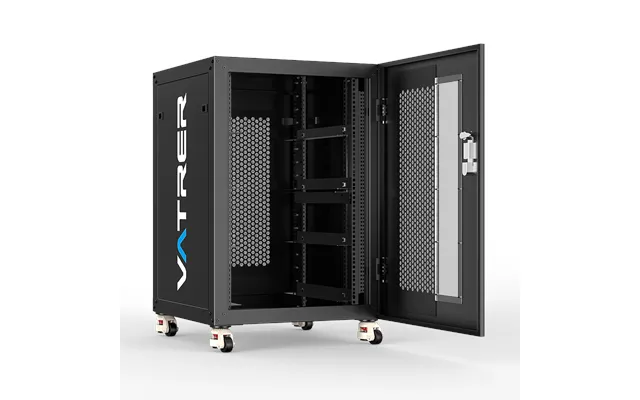
Measure the available space before ordering. Server rack batteries need a suitable rack or cabinet arrangement, while RV batteries must fit the battery compartment. Leave room for cables, connectors, service access, and any required protection equipment.
If you want app monitoring or remote access, check whether the specific model supports Bluetooth, Wi-Fi, or another communication method. For a multi-battery system, confirm that the batteries are designed for parallel expansion and that the installation follows the manufacturer’s instructions.
ZoneOffer is a comparison site, not a store. Its role is to help shoppers review available offers and compare products. It does not replace the manufacturer’s product page, checkout information, installation guide, or customer support.
When using a comparison site, treat the listed price and product information as a starting point. Open the seller’s page to check current specifications, stock status, shipping charges, taxes, warranty details, and return conditions. This is especially important for batteries because similar product names can describe different versions or regional listings.
Vatrer’s US-facing product range is built around large LiFePO4 batteries for RV travel, solar storage, backup power, and off-grid use. The key choices are between the high-capacity 12V 600Ah models and the 48V 100Ah server rack batteries. Self-heating, Bluetooth, Wi-Fi, smart BMS protection, and modular pack options add flexibility for different installations.
The right battery is not simply the one with the biggest number on the label. It is the one that matches your system voltage, load profile, climate, available space, charging equipment, and expansion plans. Compare those details carefully, verify the current offer before buying, and Vatrer can be considered as one option within the wider US lithium battery market.