

Star Naming price list
Last updated Wednesday, Sep 2, 2026
| Star Naming | Price |
|---|---|
| Name A Star - Silvernova | $34.90 |
| Name A Star - Supernova | $49.90 |


| Store | Status | today | distance |
|---|
Loading...
Loading...
Last updated Wednesday, Sep 2, 2026
| Star Naming | Price |
|---|---|
| Name A Star - Silvernova | $34.90 |
| Name A Star - Supernova | $49.90 |
Buying a star name sounds like something from a storybook. You choose a name, dedicate it to someone special, and receive a certificate that connects that person with the night sky. In the United States, Star Naming has helped turn that idea into a gift people can hold, frame, and share. But what is the history behind the store called Star Naming, how does its service work, and how does it compare with other star registry companies on the American market?
The answer is more interesting than a simple online purchase. Star naming sits at the meeting point of astronomy, emotion, technology, and gift giving. It uses the wonder of the stars, yet it also depends on digital ordering, printed materials, mobile-friendly websites, and customer support. The result is a symbolic product rather than a scientific one. That distinction matters, and a trustworthy store should explain it clearly.
This article explores the development of Star Naming in the United States, the wider history of commercial star registries, the experience customers can expect, and the main differences between Star Naming and similar stores. If you are thinking about naming a star for a birthday, wedding, memorial, anniversary, or holiday, this guide will help you make a more informed choice.
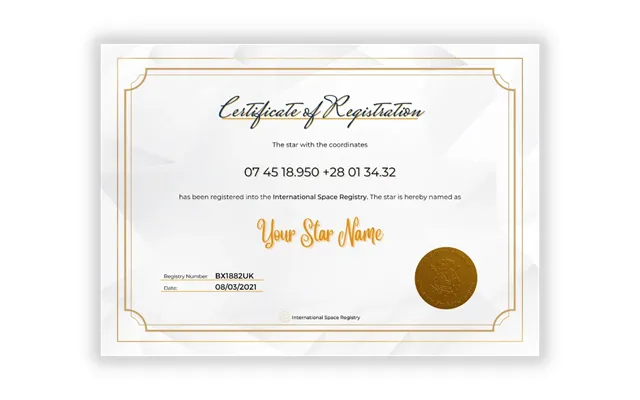
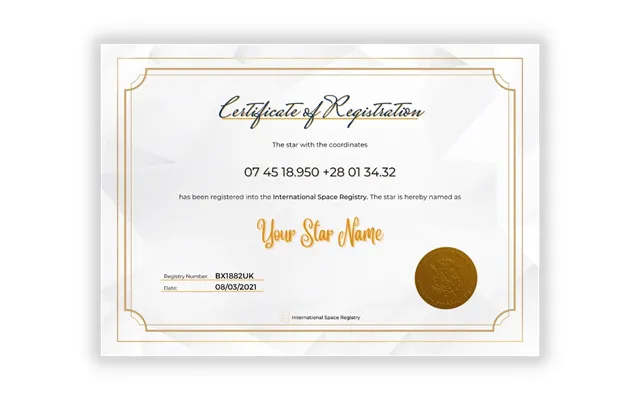
Star Naming is a commercial service that lets customers assign a personal name to a star through a private registry. The purchase usually includes a certificate, a star map, registration details, and some form of presentation material. Depending on the package, customers may also receive a digital record, a gift box, a booklet, or access to an online page.
The word “name” can be confusing. A star-naming company does not normally give a star an official scientific name. Official star names and astronomical designations are handled through professional scientific systems, including the International Astronomical Union. A commercial registry creates a personal dedication that exists within the company’s own database.
That does not make the experience meaningless. A wedding ring is not valuable because a government agency declares that two people love each other. It matters because of the meaning attached to it. Star naming works in a similar way. The certificate is a symbolic keepsake, while the sky provides the emotional setting.
Star Naming appeals to people who want to give something lasting and unusual. Flowers fade, chocolates disappear, and many digital gifts are forgotten within weeks. A star certificate can feel more permanent. It gives the recipient a story to keep and, in some cases, a star to locate in the night sky.
The best customer experience comes from understanding the promise. You are not purchasing ownership of a star. You are not changing a star catalogue used by astronomers. You are buying a private dedication and a themed gift package. Clear wording protects customers from disappointment and helps the emotional value shine through.
The idea of naming stars for personal reasons became popular in the late twentieth century. Before online shopping changed the gift industry, companies sold star-naming packages through mail orders, printed advertisements, and telephone services. Customers filled out forms, selected a dedication, and received a certificate in the post.
These early registries appeared during a period when people were becoming more comfortable buying unusual experience gifts. The space race had made astronomy part of popular culture. Science museums, planetariums, and television programs brought images of planets and galaxies into ordinary homes. A personal star dedication offered a way to take that grand subject and connect it with one individual.
The concept gained special attention around romantic occasions. Couples bought star packages for engagements and anniversaries. Families used them to remember relatives who had died. Parents selected them for children who loved space. The product was simple, but the possible stories were endless.
The growth of the internet changed star naming in a major way. Customers no longer had to wait for a printed catalogue or speak with a telephone operator. They could compare packages, enter a dedication, choose delivery options, and order from home. A product that once felt niche became easier to discover through search engines and online gift websites.
Digital ordering also made personalization faster. Many services began offering downloadable certificates, online lookup pages, printable star maps, and customized messages. Some introduced gift boxes and upgraded delivery choices for shoppers who needed a present quickly. The basic idea stayed the same, but the buying experience became smoother and more visual.
Star Naming developed within this wider shift toward personalized online gifts. Its appeal is easy to understand: the customer does not simply select an item from a shelf. The customer creates a small symbolic event. A name, date, message, and recipient all become part of the order.
Public information about the private corporate history of Star Naming may be less extensive than the history of famous retail brands. That is common in the personalized gift industry. Many companies operate mainly online, use partner fulfilment networks, or serve customers under related brand names. As a result, a precise founding timeline may not be widely documented in newspapers or business archives.
What can be understood is the business model and its place in the American market. Star Naming represents the modern form of the star registry: a web-based service focused on personal dedication, attractive presentation, and gift-ready convenience. Rather than relying on local stores, the company can reach buyers across the United States through its website and online marketing.
This national reach is important. A customer in California can order a memorial star for a family in Maine. Someone living in Texas can send a birthday package to New York. The store does not need a physical branch in every city. Its storefront is the website, and its delivery network acts like a virtual chain of shops.
The United States has a strong culture of personalized gifts. Consumers often look for products that feel custom-made, especially during Christmas, Valentine’s Day, Mother’s Day, graduations, weddings, and milestone birthdays. Star naming fits this habit because the buyer can create a dedication that no ordinary department-store product can fully copy.
American shoppers also value convenience. They expect clear product pages, secure checkout, delivery choices, and customer service. A modern star registry must therefore do more than offer a poetic idea. It must provide a reliable shopping process. If the certificate arrives late, the name is misspelled, or the star map is difficult to understand, the magic quickly loses its glow.
The ordering process usually begins when a customer chooses a package. Basic options may include a digital certificate and registry entry. More complete packages can contain a printed certificate, a star chart, a presentation folder, a gift box, or an information booklet. Package names and features can change, so shoppers should read the current product description before paying.
Next, the customer provides the chosen star name and a dedication. This could be a person’s name, a couple’s name, a family phrase, or a memorial title. Some buyers add a date, short message, or reason for the dedication. The wording should be checked carefully because personalization errors can be difficult to correct after production.
The store then assigns a star or celestial object within its registry system. The customer receives documentation showing the registry reference and, usually, a map or coordinates. The map is designed to help locate the star, although seeing it may require suitable weather, a dark location, and sometimes binoculars or a telescope.
Star naming works particularly well when the gift needs emotional weight. For a memorial, the message can focus on remembrance and continuing light. For a wedding, the dedication can celebrate a shared future. For a child, it can encourage curiosity about space. For a long-distance relationship, it can act as a reminder that both people look at the same sky.
Still, the gift does not need a dramatic occasion. A star can mark a friendship, retirement, recovery, graduation, or personal achievement. Why wait for a major holiday when an ordinary day can become memorable? The strongest gifts often match the recipient’s personality rather than following a fixed calendar.
The emotional appeal is the main reason people buy from Star Naming. The product gives form to a feeling. Love, gratitude, pride, and remembrance can be difficult to package, but a star certificate gives those emotions a visible symbol. The night sky becomes a kind of natural frame.
Another advantage is flexibility. A customer can choose the tone of the dedication, select a delivery format, and often decide whether the gift should arrive digitally or physically. This makes the product useful for last-minute shoppers as well as careful planners. A digital certificate may arrive quickly, while a printed presentation can create a stronger unboxing moment.
The product is also easy to explain. You do not need to know advanced astronomy to understand the basic idea. A person receives a name, a reference, and a story. That simplicity helps the gift appeal to grandparents, partners, friends, colleagues, and children.
In the personalized gift market, packaging can shape the entire experience. A plain email may feel underwhelming if the buyer expected a ceremonial present. A well-designed certificate, clear star map, and thoughtful message can make the same symbolic service feel much more special.
Star Naming competes not only on the registry entry but also on design, delivery, print quality, and customer support. Think of it like a theatre performance. The star dedication is the script, but the certificate and packaging are the stage. Both need to work together.
Star Naming is part of a competitive market that includes well-known names such as International Star Registry, Star Register, Name a Star, and other online providers. These companies share a central idea, but their packages and customer experiences may differ. Customers should compare the details rather than choosing only by the headline price.
International Star Registry is one of the best-known brands in the commercial star-naming category. Its long presence has helped make the concept familiar to shoppers. It often emphasizes certificates, registration, gift presentation, and the tradition of dedicating stars for special occasions.
Star Naming may appeal to buyers who prefer a modern online shopping experience or a package built around straightforward personalization. International Star Registry may appeal to customers who value brand recognition and a long-established presence. The right choice depends on the current package contents, shipping terms, customer reviews, and the style of certificate offered.
Neither service should be treated as an official astronomical naming authority. Both operate in the symbolic registry market. The important comparison is practical: What documentation is included? Is the order searchable online? How quickly can it be delivered? What happens if the customer enters an incorrect name?
Star Register is another recognizable competitor that offers star dedication packages for gifts and memorials. Like Star Naming, it generally focuses on personalization and presentation. Customers may find differences in the number of available packages, the visual design, international delivery options, and the amount of educational information provided.
Star Naming can be a strong option for shoppers who want a simple US-focused ordering experience. Star Register may attract buyers who want a broad international brand or a particular style of digital and printed documentation. Before ordering, compare the final checkout price rather than the advertised starting price. Shipping, upgrades, taxes, and framing can change the total.
The phrase “name a star” is also used by many smaller online stores. Some are independent brands, while others may sell similar packages through fulfilment partners. Their prices can look attractive, but the quality may vary. A low-cost package might include only a printable certificate, while a higher-priced option includes professional printing and delivery.
Star Naming may stand out when it offers clear product information, accessible support, and a well-organized presentation. Smaller competitors may win on price or personalization choices. The buyer should check the company’s contact details, refund policy, delivery estimate, privacy terms, and explanation of the registry system. A polished homepage is not enough; trust is built through useful information.
Start with the legal and scientific explanation. A responsible store should state that its star name is symbolic and not recognized as an official astronomical designation. This language is not a weakness. In fact, honesty makes the emotional product more credible.
Next, examine what the package actually includes. Does it contain a printed certificate, or only a digital file? Is the star map personalized? Are coordinates supplied? Can the recipient look up the dedication online? Are there extra charges for printing, framing, or urgent delivery?
Delivery is another key issue. Personalized goods may take longer to produce than standard products. If the gift is for a birthday or ceremony, order early. Read the estimated processing time and shipping method. A digital copy may be useful as a backup, but it cannot always replace a physical gift presentation.
Customer reviews can reveal patterns that product pages do not show. Look for comments about spelling accuracy, delivery speed, packaging, customer service, and refund handling. One unhappy review does not automatically prove that a store is poor. Several similar complaints, however, deserve attention.
Also read the refund policy before placing a personalized order. Some companies restrict returns because the product is made for one customer. Check whether corrections are possible, whether cancellation is allowed before printing, and how the company handles damaged packages. A few minutes of research can prevent a stressful surprise later.
For the right recipient, yes. It is especially effective when the person enjoys sentimental gifts, astronomy, poetry, or meaningful keepsakes. It can also suit someone who has everything. After all, most people already own enough mugs, socks, and gift cards. A symbolic star offers a different kind of value.
However, it is not the best choice for everyone. A science-minded recipient may expect an official astronomical designation and feel disappointed if the difference is not explained. The buyer should present the gift honestly: this is a personal dedication in a private registry, not legal ownership or a scientific renaming.
The gift becomes stronger when paired with a personal message. Explain why that particular person was chosen. Mention a shared memory. Include the date and place of the occasion. The star is the image, but your words are the heart of the present.
Star naming is likely to remain part of the personalized gift market because its central idea is timeless. People will continue to look for ways to honor relationships, remember loved ones, and celebrate important changes. The technology may evolve, but the emotional appeal will stay familiar.
Future services may offer more interactive star maps, mobile viewing tools, augmented reality features, and improved digital certificates. Customers might be able to point a phone at the sky and receive guidance about the registered location. These tools could make the experience more engaging while still keeping the dedication symbolic.
Competition will also push companies to improve transparency. Buyers increasingly want to know who operates a store, where products are produced, how personal information is used, and what the price includes. Star Naming and its competitors will need to combine romance with clear business practices. In this market, trust is not decoration; it is part of the product.
Star Naming has grown within the American tradition of turning personal stories into memorable gifts. Its service does not alter official astronomy, but it creates a private connection between a person and the sky. Compared with International Star Registry, Star Register, and smaller “name a star” stores, its value depends on the details: package quality, customer support, delivery, personalization, and honest explanations. If you choose carefully and add a meaningful message, a star dedication can become more than a certificate. It can become a small, lasting reminder that some memories are meant to keep shining.