


Soocas price list
Last updated Wednesday, Oct 14, 2026




| Store | Status | today | distance |
|---|
Loading...
Loading...
Last updated Wednesday, Oct 14, 2026
Soocas has become a recognizable name in the modern personal-care market, especially among shoppers looking for electric toothbrushes, water flossers, hair dryers, and other smart grooming devices. The brand is best known for combining clean design, useful technology, and fairly accessible prices. In the United States, Soocas competes in a crowded field that includes Philips Sonicare, Oral-B, Waterpik, Quip, Burst, Oclean, and many private-label sellers on Amazon.
Yet Soocas is not simply another online toothbrush shop. Its story is connected to the rapid rise of Chinese consumer technology, the Xiaomi ecosystem, cross-border e-commerce, and the growing global interest in affordable smart-home products. The brand entered a market where customers wanted more than a basic manual brush, but did not always want to pay premium prices for a luxury device.
This article explores the history of Soocas in the United States, explains how its store and product strategy developed, and compares the brand with similar stores and manufacturers. If you are deciding whether Soocas deserves a place in your bathroom, this guide will help you look beyond bright packaging and catchy claims.
Soocas emerged in China during a period when technology companies were bringing digital features into everyday products. Smartphones, smart speakers, fitness trackers, and connected appliances had already changed consumer expectations. Personal care was the next logical step. A toothbrush no longer had to be a simple plastic handle with replaceable bristles. It could include sonic vibration, charging docks, multiple cleaning modes, and battery indicators.
The brand became associated with the Xiaomi ecosystem, a business network known for supporting a wide range of technology and lifestyle products. This connection helped Soocas gain attention outside China. Xiaomi’s reputation for attractive design and value gave consumers a reason to look at products from related brands, even when those products were sold separately.
Soocas focused on practical innovation. Instead of treating an electric toothbrush as a luxury item, the company presented it as a daily tool that could be stylish, portable, and relatively affordable. That position made sense in a market where many shoppers wanted to upgrade from a manual brush without spending the same amount as they would on a high-end electronic device.
The Xiaomi relationship gave Soocas an early advantage in brand visibility. Xiaomi had already built a large international following through phones, smart bands, headphones, and home products. Shoppers who trusted the wider ecosystem were more willing to consider an electric toothbrush from a connected partner.
Still, it is important to make a distinction. Soocas is not simply the same company as Xiaomi, and its products should not automatically be treated as official Xiaomi products. Brand relationships can change over time, and product availability can differ by country. American shoppers should check the current seller, warranty terms, and manufacturer information before placing an order.
Soocas reached American consumers mainly through online retail and cross-border e-commerce. Rather than beginning with a large chain of physical stores, the brand used digital marketplaces, independent websites, social media, and technology-focused product coverage. This approach allowed Soocas to test demand without the cost of building a nationwide retail network.
The United States was an attractive market for several reasons. Americans already had strong interest in electric toothbrushes, oral hygiene products, and subscription replacement heads. They were also comfortable buying electronics online. A product that could be demonstrated through videos, reviews, product pages, and customer photos had a clear path to market.
Online selling also made it easier for Soocas to compete on price. Traditional brands often pay for large retail displays, sales staff, national advertising, and shelf placement. A digital-first company can direct more of its budget toward product development, packaging, logistics, and online promotion. The result is not always better, but it can be more affordable.
Amazon played an important role in introducing many international personal-care brands to US shoppers. On the platform, customers can compare prices, read reviews, watch demonstrations, and order products with familiar shipping options. Soocas products have appeared through marketplace listings and authorized or independent sellers, depending on the model and period.
This model brings both benefits and risks. A marketplace makes discovery easy, but it can also create confusion. Different sellers may offer different warranty support, replacement heads, shipping speeds, or return policies. Before buying a Soocas toothbrush in the US, check whether the listing is managed by the brand, an authorized distributor, or a third-party seller.
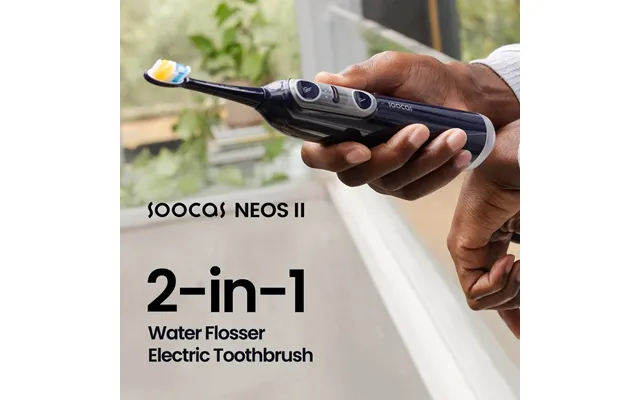
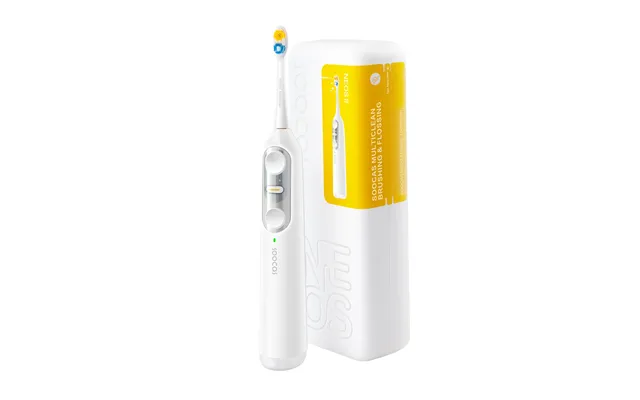
Soocas is most closely associated with electric toothbrushes. Its models typically use sonic vibration, a rechargeable battery, and several brushing modes. Depending on the product, features may include a timer, pressure guidance, a travel case, a USB charging system, or an application that tracks brushing behavior.
The company has also offered water flossers and other oral-care devices. These products target consumers who want a broader home routine rather than a single toothbrush. A water flosser can be helpful for cleaning between teeth, around braces, and near dental work, although it does not replace professional advice or regular dental visits.
Beyond oral care, Soocas has been linked with personal grooming and beauty technology. Hair dryers, styling tools, and compact devices fit the same basic brand idea: modern design, useful features, rechargeable power, and a price that sits below many traditional premium products.
Soocas understands that bathroom products are visible every day. Its devices often use smooth lines, simple controls, and a restrained color palette. That design language appeals to shoppers who dislike bulky appliances covered with unnecessary buttons.
Good design is more than appearance, of course. The handle should feel comfortable, the power button should be easy to press, and the charging method should suit your routine. A beautiful toothbrush that is difficult to clean or awkward to charge will quickly lose its charm. The best Soocas products balance appearance with ordinary daily convenience.
Soocas entered the American market at a useful moment. Consumers were becoming more interested in direct-to-consumer brands, online reviews, and connected health products. They were also questioning why a toothbrush had to cost a large amount simply because it carried a famous name.
The brand’s value proposition is easy to understand: modern features without the highest price. This message helps Soocas attract students, travelers, first-time electric toothbrush buyers, and technology fans. It also appeals to families who want several devices but do not want to pay premium prices for every handle.
Product presentation has been another part of the strategy. A successful online listing must explain the cleaning modes, battery life, replacement-head system, water resistance, and warranty in plain language. Demonstration images matter too. Buyers want to know how the device fits in a hand, how it sits on a counter, and whether it can survive a busy morning.
Online reviews have helped Soocas compete with much larger brands. A positive review can show a customer the real size of the device, the sound level, and the quality of the travel case. A negative review can reveal problems that product photography hides, such as weak customer support or hard-to-find replacement heads.
This makes customer service part of the brand experience. A toothbrush is not a one-time purchase if the head needs replacement every few months. Buyers need continued access to compatible heads, clear instructions, and a dependable return process. A low opening price means little if keeping the product working becomes difficult.
Philips Sonicare is one of Soocas’s most direct competitors in the United States. Sonicare has strong brand recognition, a long presence in American stores, and a wide range of electric toothbrushes. Its products are sold through major retailers, pharmacies, dental offices, and online channels.
Sonicare generally offers a more established support network. Replacement brush heads are easier to find, and many dental professionals are familiar with the brand. Higher-end models may provide advanced pressure sensors, app features, multiple modes, and detailed brushing feedback.
Soocas often competes by offering a lower entry price and a simpler technology package. That can be attractive if you want a sonic toothbrush without a large investment. However, Philips may be the safer choice for shoppers who value broad retail availability, long-term product continuity, and easy access to replacement parts.
Choose Soocas if you enjoy trying newer technology, want a modern design, and prefer to control your budget. Choose Sonicare if you want a widely recognized brand, extensive head availability, and a larger US service footprint. Neither choice is automatically right for everyone. The better option depends on how much you value price, support, features, and convenience.
Oral-B takes a different technical approach in many of its best-known models. While Soocas commonly emphasizes sonic vibration, Oral-B is famous for oscillating and rotating round brush heads. The brush head moves around each tooth, creating a different cleaning sensation from a long sonic brush head.
Oral-B has a powerful presence in American retail. Consumers can find its products in supermarkets, drugstores, electronics shops, warehouse clubs, and online stores. Replacement heads are widely available, and the company offers models across a broad range of prices.
Soocas may look more minimalist and may offer longer advertised battery life on some models. Oral-B, however, often provides stronger market familiarity and easier access to accessories. Shoppers who prefer a round head and a more active mechanical brushing feel may favor Oral-B, while those who want quiet sonic movement and a sleek handle may prefer Soocas.
Waterpik is best known for water flossers, so the comparison depends on the Soocas product you are considering. If you are looking at a Soocas water flosser, Waterpik remains a major rival with a deep history in the US oral-care market.
Waterpik offers countertop and cordless models, multiple tips, replacement parts, and a broad support system. Its name is closely associated with water flossing, which gives it an advantage in trust and recognition. Dental professionals often know the product line well, although individual recommendations can vary.
Soocas may appeal to shoppers who want a compact device with a lower price or a more contemporary design. Its products can be attractive for travel and small bathrooms. The trade-off may involve fewer local buying options or less certainty about long-term accessories. Compare tank size, pressure settings, battery life, tip availability, and warranty coverage before deciding.
Quip competes through simplicity, design, subscriptions, and direct-to-consumer marketing. Its toothbrushes are often slim and easy to store. Quip has also built a strong lifestyle brand around regular replacement heads and convenient delivery. For shoppers who want a basic electric brushing experience with a clean look, Quip is a serious alternative.
Burst has positioned itself around attractive design, sonic brushing, online sales, and influencer-style promotion. It has appealed to younger consumers who want a device that feels modern rather than clinical. In that sense, Burst and Soocas share some visual and digital strengths.
Soocas can stand out with a broader technology identity and, in some cases, a lower price. Quip may offer a smoother subscription experience, while Burst may provide stronger US-focused branding. The important question is not which logo looks best. Ask whether replacement heads are easy to buy, whether the warranty is clear, and whether the brush feels comfortable after several weeks.
Oclean is perhaps one of the closest comparisons because it also offers smart sonic toothbrushes, modern design, long battery claims, and international online distribution. Both brands speak to consumers who enjoy technology but do not necessarily want the most expensive products from the biggest Western brands.
Oclean models may emphasize high-frequency motor performance, app connectivity, color displays, or detailed brushing information. Soocas products can offer a similarly modern experience, depending on the model. Pricing often changes during online promotions, so a direct comparison should be made on the same day rather than based on a general reputation.
Other competitors include lesser-known marketplace brands. Some sell surprisingly capable devices at very low prices. The problem is consistency. A small seller may disappear, change its product name, or stop offering replacement heads. Soocas has greater recognition than many generic listings, but shoppers should still confirm support details before purchasing.
The first major advantage is value. Soocas often gives customers access to electric cleaning technology at a price below many flagship models. This makes it easier to upgrade from a manual brush or purchase additional devices for family members.
The second advantage is design. Soocas products tend to look at home in a modern bathroom, office bag, or travel case. They are usually created with portability in mind, which matters to people who move between home, work, school, and travel.
The third advantage is choice. The brand has not limited itself to one style of toothbrush. Depending on availability, shoppers may find basic models, connected models, water flossers, and related grooming devices. A wider product family gives customers more ways to stay within one brand.
The largest concern is support consistency. Some US buyers may find replacement heads less convenient to locate than Oral-B or Sonicare heads. Product availability can change quickly when a brand relies heavily on online channels and international distribution.
Warranty language also deserves attention. A product purchased from an unofficial seller may not receive the same support as one bought through a recognized channel. Keep your receipt, read the return window, and confirm where service requests must be submitted.
App features can be another mixed area. A connected toothbrush may sound impressive, but many people stop using the app after the novelty fades. If the core brush works well without a phone, that is a strength. If important functions depend on an application that is difficult to install or maintain, the experience may become frustrating.
Start with replacement heads. Find out how often they should be changed, what they cost, and whether they are sold through a dependable US channel. This simple step can prevent a cheap purchase from becoming an inconvenient one.
Next, examine battery performance. Advertised battery life is usually measured under controlled conditions. Your results may differ if you use a stronger mode, share the handle, or leave the device in a cold or hot environment. A travel-friendly battery is useful, but a reliable charging system matters just as much.
Look at water resistance and cleaning instructions. An electric toothbrush should be rinsed properly, dried when appropriate, and stored in a way that allows airflow. Do not assume that a water-resistant device can be submerged indefinitely. Follow the manual.
Finally, consider comfort. The strongest motor is not automatically the best motor. If the vibration feels harsh, the handle is too heavy, or the brush head is uncomfortable, you may use the device less often. Oral care works through consistency. A comfortable brush that you use twice a day beats an advanced brush that stays in a drawer.
Soocas has room to grow in the American market, but growth will depend on more than attractive devices. The brand needs dependable distribution, clear customer support, stable replacement-head availability, and product information written for US consumers.
Smart personal care will likely continue to expand. Consumers are becoming comfortable with sensors, app feedback, personalized routines, and rechargeable products. At the same time, many buyers are tired of unnecessary complexity. The winning brands will be the ones that use technology to solve real problems instead of adding features simply because they can.
Environmental concerns may also shape the next phase. Electric toothbrushes create electronic waste, while replacement heads create ongoing plastic waste. Brands that improve repair options, reduce packaging, offer recycling guidance, and design longer-lasting products could earn greater trust.
Soocas is well placed to benefit from these changes because it already operates at the intersection of technology and daily care. Its challenge is to turn online curiosity into lasting customer loyalty. That means proving that the product remains useful long after the unboxing video ends.
Soocas has built its US presence through smart design, digital commerce, and a value-focused approach to personal care. Its connection to the wider Xiaomi technology world helped create early interest, while online retail made the brand accessible to American shoppers. Compared with Philips Sonicare, Oral-B, Waterpik, Quip, Burst, and Oclean, Soocas offers a compelling mix of modern features and moderate pricing. Its main weaknesses involve support, accessory availability, and the changing nature of marketplace sales. If you verify the seller, warranty, replacement heads, and product fit before buying, Soocas can be a practical alternative in the crowded US oral-care market.