


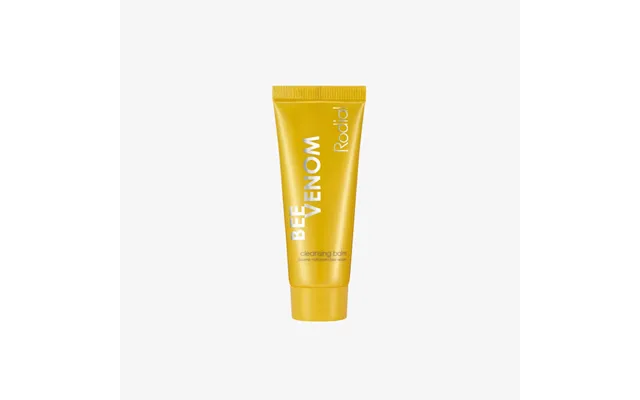
Rodial price list
Last updated Tuesday, Sep 22, 2026



| Store | Status | today | distance |
|---|
Loading...
Loading...
Last updated Tuesday, Sep 22, 2026
Rodial is a beauty brand known for bold skincare, distinctive packaging, and products inspired by powerful cosmetic ingredients. Its name often appears beside luxury and prestige beauty labels in the United States, yet the company began far from the busy shopping streets of New York or Los Angeles. Rodial was founded in London in 1999 by Maria Hatzistefanis, a former beauty executive who saw an opportunity to make skincare more exciting, more focused, and easier to understand.
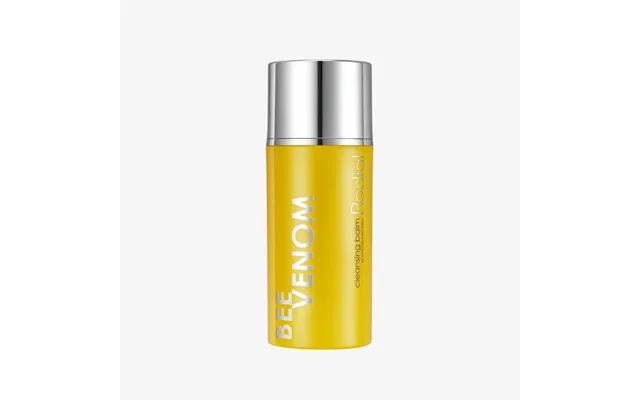
From the beginning, Rodial aimed to create products that felt active and results-driven. Instead of presenting an endless list of ordinary creams, the brand built its identity around memorable ingredients and strong product names. Snake, dragon’s blood, bee venom, pink diamond, and vitamin C became part of the Rodial vocabulary. These names helped the products stand out in a crowded market where many beauty brands sounded almost identical.
Although Rodial is a British company, the United States became an important market for its growth. American shoppers are often willing to explore international beauty brands, especially when those brands offer a clear story and a premium experience. Rodial entered this market as a specialist label rather than a mass-market chain. Its products appealed to customers looking for something between traditional luxury cosmetics and modern, ingredient-led skincare.
Maria Hatzistefanis created Rodial after noticing a gap in the beauty industry. Many skincare products were presented as gentle and pleasant, but they did not always communicate what made them different. Hatzistefanis wanted to build a brand with more energy. She focused on formulas that used recognizable actives and packaging that made each product easy to identify.
The early Rodial range was not designed to be a huge department-store collection. It was more selective. Each product had a specific purpose, and the brand used unusual names to make that purpose memorable. In a sense, Rodial treated skincare like fashion. A customer could choose a product because of its function, but also because it felt modern, stylish, and slightly daring.
This approach helped Rodial gain attention in the United Kingdom and later in other countries. The company grew through a mixture of retail partnerships, press coverage, product innovation, and direct contact with customers. The founder also became part of the public face of the business. Her personal story gave Rodial a human angle at a time when many established beauty companies appeared distant and corporate.
Rodial’s identity developed around three ideas: visible results, premium presentation, and memorable ingredients. Its products were designed to feel more targeted than basic skincare. A customer might shop for a product aimed at lines, dullness, puffiness, or uneven texture rather than simply searching for a general face cream.
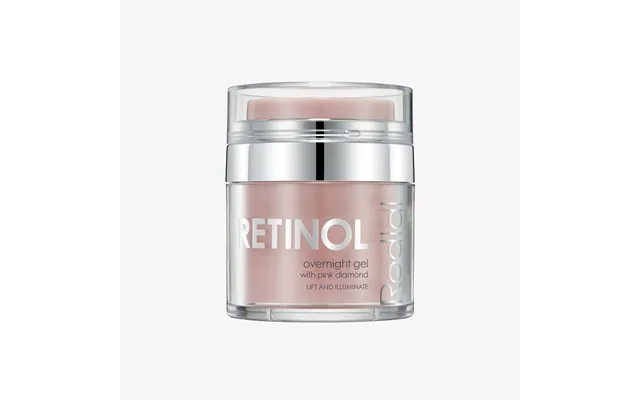
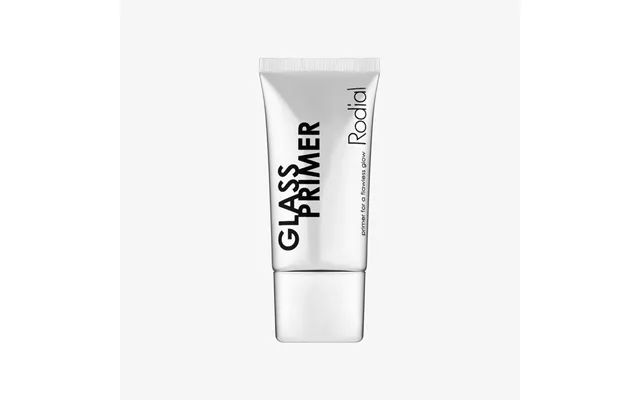
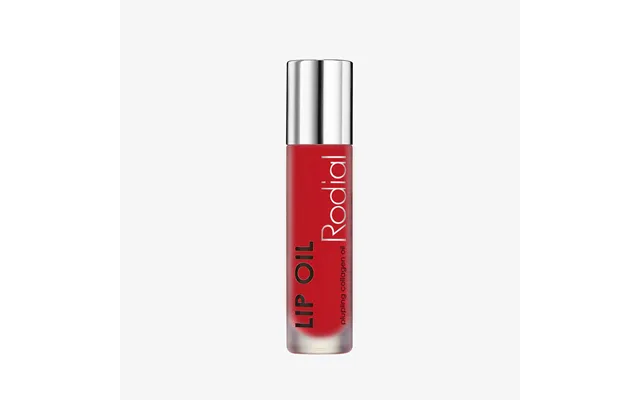
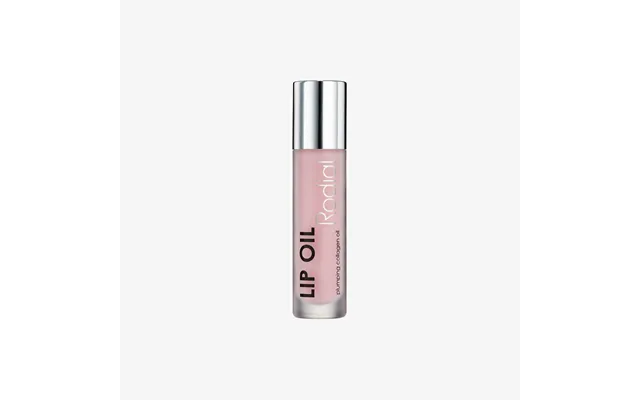
The brand also used color and design to create a strong shelf presence. Many Rodial products feature sleek containers, metallic details, and packaging that looks more like a luxury accessory than a pharmacy item. This visual style became especially useful in the United States, where shoppers encounter thousands of beauty products online and in stores. A product must often catch the eye before a customer reads the label.
Rodial’s US story is best understood as an expansion of a British prestige brand rather than the history of a large American store chain. The company built visibility through beauty retailers, online shopping platforms, department-store distribution, and its own digital presence. This model allowed Rodial to reach American customers without opening a large network of traditional stores.
The United States offers a huge audience, but it is also one of the most competitive beauty markets in the world. American shoppers can compare luxury skincare, dermatologist-led formulas, clean beauty products, celebrity brands, and affordable drugstore alternatives in minutes. Rodial had to compete not only on formula but also on storytelling. Its unusual product names and founder-led image helped the brand create a recognizable voice.
Online retail played a major role in Rodial’s US growth. A digital store can explain how a product works, show the full range, publish customer reviews, and reach shoppers in states where no physical stockist exists. This matters for a specialist brand. Someone in Texas, Oregon, or Florida can discover the same product line as a customer in New York or California.
US beauty shoppers often enjoy trying products from overseas. British beauty brands can suggest heritage, careful formulation, and a sense of discovery. Rodial benefited from that interest while still speaking the language of modern American skincare: active ingredients, focused routines, visible skin concerns, and high-performance claims.
The brand’s compact product categories also suited online shopping. A customer does not need to walk through a large store to understand the range. They can search for a serum, mask, eye product, or moisturizer and then read about its main ingredients. This direct journey is especially helpful for people who prefer a planned purchase instead of browsing several aisles.
Rodial does not position itself as a plain, clinical skincare company. It combines active beauty formulas with glamour. That balance is central to its appeal. The products are intended to feel serious enough for a focused routine, yet attractive enough to make the routine enjoyable.
Some Rodial collections center on ingredients linked with a particular skin benefit. Vitamin C products, for example, are generally associated with brightness and antioxidant care. Snake-inspired products are presented around the idea of smoothing the look of lines. Dragon’s blood products are linked with soothing and skin comfort. The ingredient stories give shoppers a simple way to navigate the range.
However, customers should remember that a dramatic ingredient name does not automatically guarantee a dramatic result. Skincare performance depends on the full formula, the concentration of active ingredients, packaging, regular use, and individual skin type. Rodial’s best appeal lies in the total experience: a focused formula, a polished design, and a clear beauty message.
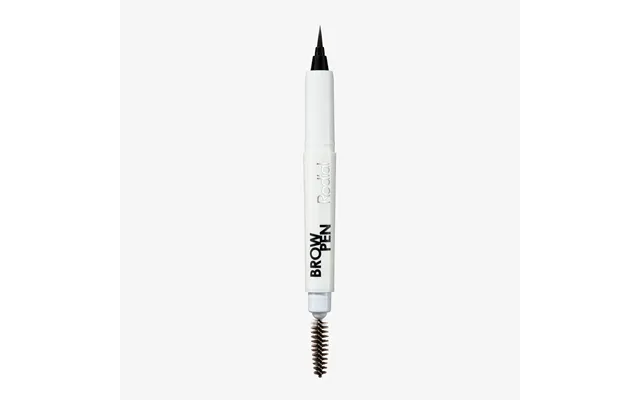
Rodial expanded beyond facial skincare into makeup and beauty tools. This allowed the company to become part of a wider routine rather than a single-product purchase. Makeup products can introduce new customers to the brand, while skincare can encourage existing shoppers to return.
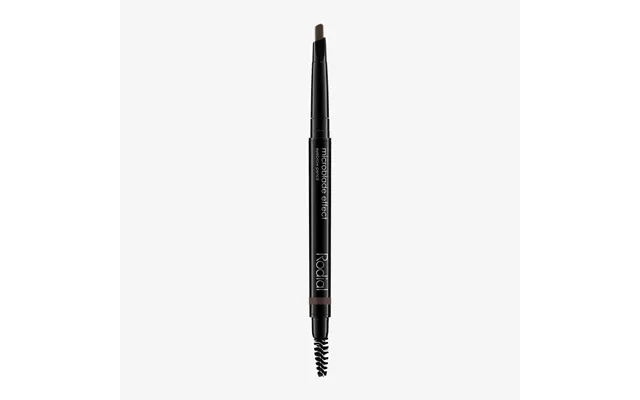
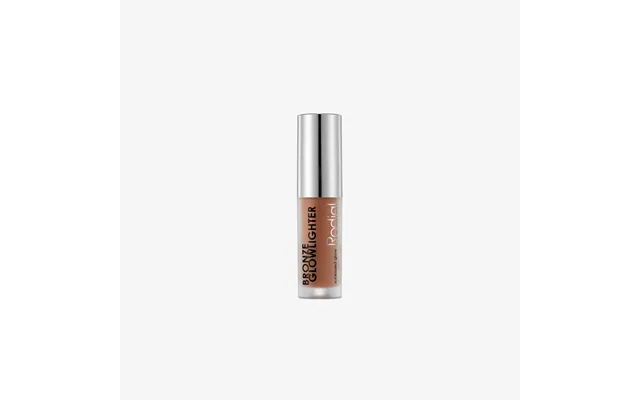
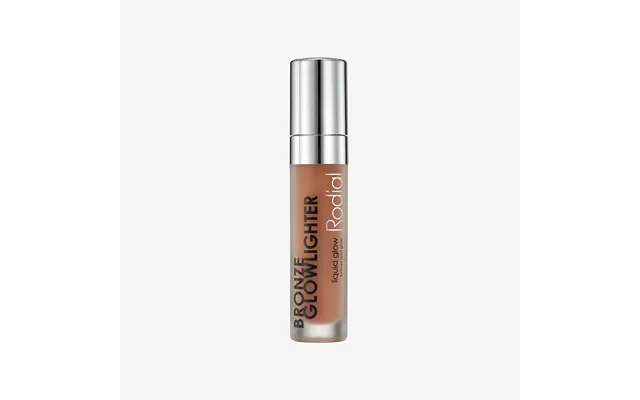
The brand has become associated with complexion products, sculpting products, eye makeup, and other items designed to create a polished look. Rodial’s makeup image often focuses on definition and refinement. The aim is not necessarily a dramatic transformation. Instead, the brand presents beauty as a process of enhancing shape, tone, and radiance.
Sephora is a major beauty retailer with a very different business model. It sells many brands, while Rodial primarily promotes its own collections. Sephora gives shoppers breadth. A customer can compare dozens of moisturizers, foundations, or serums in one place. Rodial offers a narrower path, which can make the shopping experience less overwhelming.
If you enjoy testing new labels and comparing prices, Sephora may be the better destination. It provides a wide range of options, including prestige brands, independent companies, and affordable lines. If you already like Rodial’s ingredient stories and want a coordinated routine, the Rodial store is more direct.
Sephora also has a strong physical-store presence in the US. Customers can often see products, ask staff questions, and test shades. Rodial relies more heavily on online discovery and selected retail partners. That makes Rodial feel more exclusive, but it may be less convenient for shoppers who want to try before buying.
Ulta Beauty competes across almost every price level. Its stores commonly include drugstore products, salon brands, prestige cosmetics, hair care, fragrance, and skincare. Rodial sits closer to the premium end of this broad spectrum.
Ulta’s greatest strength is convenience. A shopper might buy shampoo, mascara, sunscreen, and a luxury serum during one visit. The company also uses loyalty rewards and frequent promotions to attract repeat customers. Rodial, by contrast, sells a more edited brand experience. Its products may appeal to customers who want luxury presentation and a focused skincare identity rather than a one-stop beauty warehouse.
Price is another difference. Ulta gives shoppers several ways to control spending. Rodial products are usually priced as premium or prestige items. A customer may pay more for packaging, brand design, specialist positioning, and selected ingredients. Whether that extra cost feels worthwhile depends on personal results and expectations.
Estée Lauder is an established American prestige beauty company with decades of history, global recognition, and a broad product portfolio. Its image is rooted in luxury, research, and traditional department-store beauty. Rodial feels younger, more focused, and more willing to use unusual language.
Estée Lauder often appeals to customers who trust a familiar luxury name and want a complete range of skincare and makeup. Rodial attracts shoppers who enjoy a more distinctive identity and a narrower product story. The two brands may compete for the same premium customer, but they create different emotional experiences.
Rodial’s founder-led story can make the brand feel personal and entrepreneurial. Estée Lauder’s legacy creates a sense of authority and continuity. One feels like a modern specialist boutique; the other feels like a famous beauty institution.
Drunk Elephant became popular in the US through colorful packaging, ingredient education, and a modern approach to skincare. Like Rodial, it presents products as purposeful and active. Both brands encourage customers to think about ingredients and skin concerns instead of choosing products only by fragrance or appearance.
The tone is different, however. Drunk Elephant uses a playful, clean, and highly recognizable visual style. Rodial leans toward glamour, luxury, and drama. Drunk Elephant often speaks to customers who want a simplified routine built around ingredient compatibility. Rodial speaks to customers who enjoy a more decorative and indulgent beauty experience.
Neither brand is automatically right for every skin type. Customers should check ingredient lists, consider sensitivity, and introduce active products slowly. A stylish package can invite you into a routine, but careful use is what keeps the routine comfortable.
SkinCeuticals is strongly associated with professional skincare, antioxidant science, and dermatologist offices. Its US reputation is more clinical. Rodial has a more fashion-driven personality, even when it uses active ingredients and targeted formulas.
Someone seeking a medical or practitioner-led skincare experience may prefer SkinCeuticals. Someone seeking a premium product with a bold identity may prefer Rodial. The difference is not simply about quality. It is about how each brand communicates expertise. SkinCeuticals emphasizes research and professional credibility, while Rodial blends ingredient stories with beauty culture and luxury design.
American customers can encounter Rodial through the brand’s online channels and selected retail partners. Availability may change by product, region, and retailer, so shoppers should check current listings before planning a purchase. Some products may be easier to find online than in a physical store.
Online shopping makes it important to read product details carefully. Look at the intended use, texture, size, and active ingredients. Check whether the product is suitable for your skin concerns. If you are buying a serum with exfoliating acids, retinoid-related ingredients, or other strong actives, consider how it will fit with the rest of your routine.
Price comparisons are also worthwhile. Premium beauty products may appear in seasonal promotions, gift sets, or retailer events. A set can offer a lower cost per item, but only if you will use every product. A discounted product is not a bargain if it remains unopened in a bathroom cabinet.
Rodial offers a curated experience. Instead of asking you to choose from hundreds of unrelated brands, it guides you through a particular point of view. The brand wants you to connect a name, an ingredient, and a beauty goal. That makes the range easier to remember.
The experience is also aspirational. Rodial packaging suggests a dressing table in a luxury hotel rather than a crowded medicine cabinet. For many customers, this matters. Skincare is practical, but it can also be a small daily ritual. Why should a useful product not feel special?
Rodial helped show how a beauty company could build attention through a strong personality. Before social media became central to retail, the brand already understood the value of memorable names and visual distinction. As digital beauty content expanded, that strategy became even more useful.
The company’s founder also used books, interviews, and business storytelling to discuss entrepreneurship and brand building. This added another layer to the Rodial identity. Customers were not only buying a cream or serum. They were encountering the story of a woman who built a global beauty company from a clear idea.
Like many modern beauty brands, Rodial has operated in a market shaped by fast change. Consumers now ask more questions about ingredients, testing, sustainability, packaging, value, and evidence. A premium beauty company must work harder to explain its claims. It must also keep products relevant while protecting the identity that made it successful.
Rodial’s main strengths include strong branding, memorable product names, premium packaging, and a focused approach to beauty concerns. The products feel easy to recognize, and the collections create a sense of continuity. Customers who enjoy luxury skincare often appreciate that combination of function and theater.
The brand also offers a useful middle ground. It is more distinctive than a basic drugstore label but less traditional than some long-established department-store brands. It can feel modern without abandoning the pleasure associated with luxury beauty.
Rodial’s premium pricing may not suit every budget. Some customers may find similar ingredient categories at lower prices from other brands. Others may prefer clinical labels that publish more technical information or are recommended by skincare professionals.
There is also the question of expectations. Product names can sound powerful, but skincare changes usually take time. A serum cannot replace sleep, sun protection, a balanced routine, or professional advice when a skin problem is persistent. Rodial can be an appealing part of a routine, but it should not be treated as magic in a jar.
Rodial’s future in the United States will depend on how well it balances luxury appeal with modern consumer demands. American shoppers want attractive products, but they also want clarity. They look for ingredient details, realistic claims, responsible packaging, and value for money.
The brand has several advantages. It has a recognizable name, a founder with a strong story, and a product language that is easy to distinguish from competitors. Its challenge is to remain fresh without chasing every short-lived beauty trend. The strongest brands evolve, but they do not lose their central character.
Digital commerce will likely remain important. Rodial can reach customers directly, educate them through content, and build loyalty without relying only on department-store shelves. Social platforms may also help the company demonstrate textures, routines, and results in a way that static packaging cannot.
In the crowded US beauty market, Rodial is unlikely to win by being the cheapest or the broadest. Its opportunity is to remain memorable. It can serve shoppers who want a polished, high-end routine with a little more personality than conventional luxury skincare provides.
Rodial’s history is the story of a British beauty idea that found room to grow in America. Founded by Maria Hatzistefanis in 1999, the brand built recognition through focused formulas, striking names, and a clear luxury image. In the US, it competes with giants such as Sephora, Ulta Beauty, Estée Lauder, Drunk Elephant, and SkinCeuticals, but it occupies its own space between glamour and ingredient-led skincare. For shoppers, Rodial is less about endless choice and more about a carefully shaped experience. If you want beauty products that feel targeted, stylish, and distinctive, the brand remains worth exploring.