


OutIn price list
Last updated Saturday, Oct 17, 2026





| Store | Status | today | distance |
|---|
Loading...
Loading...
Last updated Saturday, Oct 17, 2026
OutIn has become a familiar name among people who want good coffee without being tied to a kitchen, café, or office machine. In the United States, the brand is best known for compact portable coffee makers, especially the OutIn Nano. The company sells directly to shoppers online and competes in a fast-growing market filled with travel brewers, capsule machines, espresso makers, and outdoor coffee gear.
But how did OutIn become part of the American coffee conversation? What makes the store different from larger brands such as Nespresso, AeroPress, Wacaco, and Handpresso? And is OutIn a serious coffee tool or simply another clever gadget? The answer sits somewhere in the middle. OutIn has built its identity around convenience, portability, and simple design, while targeting a lifestyle that is increasingly mobile.
This article explores the history of OutIn in the US, explains its product strategy, and compares the brand with similar stores and coffee equipment companies on the American market. Whether you are a camper, commuter, road-tripper, student, or coffee lover with limited space, OutIn offers an interesting case study in how a small appliance brand can stand out in a crowded field.
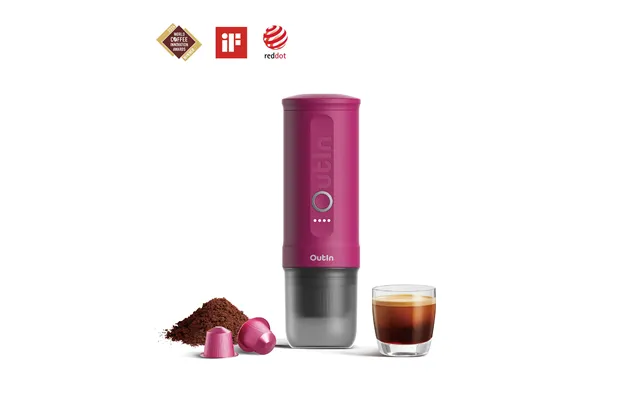
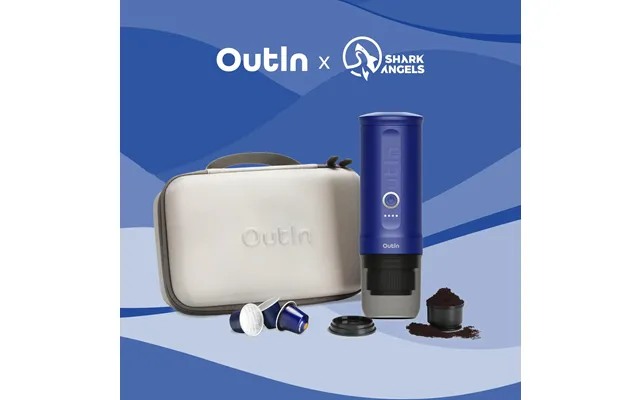
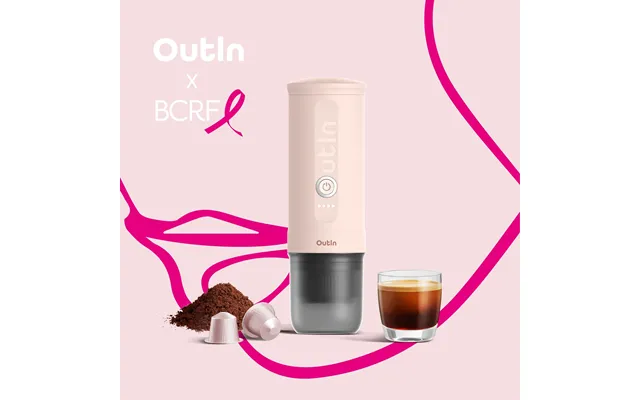
OutIn is a coffee equipment brand focused on portable brewing. Its best-known product is the OutIn Nano, a compact espresso maker designed to work with ground coffee and many popular coffee capsules. Unlike a traditional espresso machine, it does not require a permanent countertop setup. Users can charge the device, add water, insert coffee, and brew a cup away from home.
The name itself suggests the brand’s central idea: bringing coffee out into the world. OutIn is aimed at people who do not want to choose between convenience and a fresh coffee experience. The device can fit into a travel bag, car, camper, office drawer, or hiking kit. It is not built to replace a café or a professional espresso station. Instead, it fills the gap between instant coffee and a larger home machine.
In the United States, OutIn mainly reaches customers through online retail. Its digital store allows the company to explain the product, show demonstrations, offer accessories, and sell replacement parts. This direct approach is important because portable coffee makers often need visual explanation. A short video can show the product’s size and operation more clearly than a shelf label can.
OutIn emerged during a period when consumers began to expect more from everyday products. A phone became a camera, a map, a payment tool, and a work device. In the same way, coffee equipment started moving away from fixed kitchen appliances. Small brewers, battery-powered machines, and capsule systems became more attractive to people with active schedules.
The brand’s development appears to have been shaped by a simple frustration: quality coffee is often hard to access when people are traveling. Airport coffee can be expensive. Gas station coffee can be inconsistent. Hotel rooms may offer only a basic drip machine. Outdoor trips create an even bigger challenge. You might have clean water and coffee, but no practical way to create pressure for espresso-style brewing.
OutIn responded to that problem with a small electric brewer. Rather than asking customers to carry a separate kettle, hand pump, and brewing device, the company placed several functions into one compact product. That approach helped the brand attract attention online, where portability and product demonstrations perform well.
The company entered the US market at a useful time. Remote work, van travel, weekend camping, and outdoor recreation were all gaining popularity. At the same time, specialty coffee had moved beyond cafés. More Americans were buying grinders, pour-over tools, espresso machines, and premium beans for home use. OutIn connected these two trends: better coffee and more flexible movement.
OutIn’s US growth has been closely linked to e-commerce. Online shopping gives a specialist brand access to customers across the country without requiring a large chain of physical stores. Instead of paying for hundreds of retail locations, the company can focus on product design, digital marketing, shipping, and customer support.
Social media has also played a major role in the brand’s visibility. Portable coffee equipment is highly visual. A video showing a brewer working inside a car, at a campsite, or beside a mountain trail can communicate the product’s purpose in seconds. This kind of content is more engaging than a traditional advertisement because it presents the device in real-life situations.
American shoppers often discover OutIn through search engines, short videos, coffee communities, travel content, and product reviews. Search terms such as “portable espresso maker,” “best travel coffee maker,” and “battery operated espresso machine” place the brand in front of people who already have a clear need. This is a strong position for a smaller company because it reaches buyers at the moment they are researching a purchase.
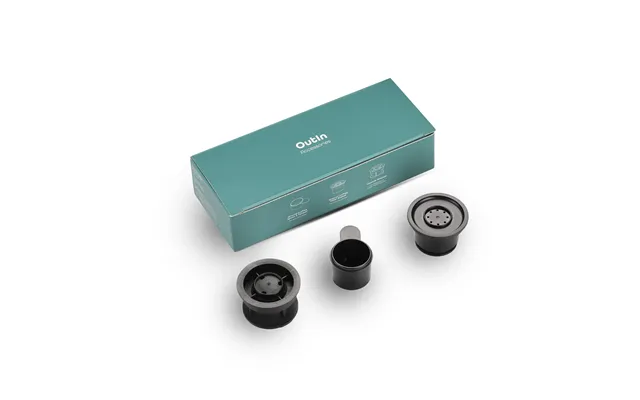
The store has also benefited from the growing popularity of accessories. A coffee maker can attract the first sale, but practical extras help build a wider product ecosystem. Travel cases, charging equipment, cleaning tools, filters, and replacement components give customers reasons to return. This model is common in consumer electronics, and OutIn applies it to coffee gear.
The OutIn Nano is central to the company’s identity. Its appeal comes from a balance of size and function. It is small enough for travel, yet it aims to produce a concentrated coffee drink with the feel of espresso. The unit can heat water internally, which means users do not always need to carry hot water before brewing.
That feature matters in the US market. Many portable brewers depend on boiling water from a kettle or camp stove. This adds time and equipment. OutIn’s heated system makes the process more self-contained. A traveler can use cold or room-temperature water and let the machine handle the heating stage, depending on the model’s operating limits and instructions.
The Nano also supports more than one coffee format. Users can often brew with ground coffee or compatible capsules. This flexibility broadens the audience. A coffee enthusiast may prefer fresh grounds, while a busy traveler may choose a capsule for speed and clean-up. Offering both options gives OutIn a wider appeal than a single-format brewer.
OutIn sells more than a coffee machine. It sells a sense of freedom. The message is easy to understand: you should not have to give up your coffee routine simply because you leave home. That idea speaks to commuters, campers, truck drivers, road travelers, office workers, and people who spend long days away from a kitchen.
The brand also fits the modern preference for compact products. American homes and apartments are not always large. A full espresso machine may cost hundreds or thousands of dollars, take up valuable counter space, and demand regular cleaning. A portable brewer offers a lighter commitment. It is easier to store, easier to carry, and usually less intimidating for a new user.
OutIn’s design language supports this appeal. The products tend to look clean, modern, and practical. They resemble a piece of travel technology rather than a traditional coffee appliance. That visual style helps the brand reach younger shoppers who discover products through phones and social platforms.
Still, convenience comes with trade-offs. A compact device cannot provide the same speed, water capacity, pressure control, or milk-steaming ability as a large espresso machine. OutIn’s strongest advantage is mobility, not café-level versatility. Customers who understand that difference are more likely to be satisfied.
Nespresso is one of the strongest comparison points for OutIn. The Swiss-based company has a large presence in the United States, a broad capsule range, and a well-developed retail system. Nespresso machines are designed primarily for home and office use. Many models offer fast brewing, consistent results, and a polished experience.
OutIn has a different strength. Its products are designed to travel. A Nespresso machine usually needs a power outlet, a stable surface, and a larger amount of space. OutIn is aimed at situations where those conditions may not exist. It can be placed in a backpack or car, making it more suitable for camping, road trips, and outdoor work.
Nespresso has the advantage in brand recognition, capsule variety, store presence, and long-term market experience. It also provides a smoother experience for customers who want to press a button at home and move on with their morning. OutIn, however, offers more freedom of location and often supports both capsules and ground coffee.
Cost is another difference. Nespresso buyers pay for the machine and an ongoing supply of proprietary or compatible capsules. OutIn users may have more choice, especially when using ground coffee. However, portable machines may require more hands-on preparation. The buyer must add water, load coffee, and clean the device after use.
AeroPress is one of the most respected portable coffee brands in America. Its brewers are lightweight, durable, affordable, and popular among campers and specialty coffee fans. The AeroPress uses manual pressure rather than a battery-powered heating system. Users must provide hot water separately.
OutIn is more convenient when heating water is difficult. Its internal heating function reduces the number of tools needed. This can be a major benefit in a vehicle, hotel room, or location without a kettle. AeroPress, by contrast, is lighter and simpler. It has fewer electronic parts, does not need charging, and can be used for years with basic care.
The coffee style also differs. AeroPress can create a smooth, rich drink that sits somewhere between filter coffee and concentrated coffee. OutIn is marketed more directly toward espresso-style brewing. Neither product is automatically better. The right option depends on whether the customer values a lighter kit or a more self-contained brewing process.
AeroPress has built strong trust through its simple design and enthusiastic user community. OutIn competes by offering modern convenience. Think of AeroPress as a reliable camping tool and OutIn as a compact coffee appliance. Both are portable, but they solve the problem in different ways.
Wacaco is another major name in portable coffee. The company sells manual espresso makers such as the popular Nanopresso and Picopresso. These devices are compact and well known among travelers, hikers, and coffee hobbyists. Wacaco has developed a strong reputation for creating small brewers that can produce concentrated coffee without electricity.
OutIn’s clearest advantage over Wacaco is automatic heating. With a Wacaco brewer, users typically need hot water. That is not a serious problem for someone carrying a thermos, but it can be inconvenient when traveling light. OutIn combines water heating and brewing in one unit, making the preparation process more direct.
Wacaco’s advantage is weight, mechanical simplicity, and battery-free operation. A manual brewer can be useful in remote areas where charging is impossible. It also gives users more control over the brewing process. Coffee enthusiasts may enjoy adjusting grind size, dose, and pressure by hand.
In practical terms, OutIn fits customers who want “press and brew” convenience, while Wacaco suits people who are comfortable managing more of the process themselves. The choice is similar to choosing between an electric bicycle and a regular bicycle. One gives you extra assistance; the other gives you simplicity and control.
Handpresso has also served the portable espresso market, particularly among drivers and travelers. Its products have traditionally focused on compact brewing for use outside the home. Handpresso devices may appeal to people who want espresso in a car, during travel, or in places where countertop equipment is unavailable.
OutIn competes with a more modern all-in-one format. Battery operation and built-in heating make the product easier for many casual users. Handpresso’s manual or vehicle-oriented approach can still appeal to a specific audience, especially drivers who want equipment designed around car use.
The two brands share a common promise: coffee should move with you. Their differences come down to operation, energy use, size, and coffee compatibility. Customers should consider how often they travel, whether they can charge a device, and how much effort they want to spend before each cup.
It may seem unusual to compare OutIn with stores such as Starbucks, Dunkin’, Peet’s Coffee, or local independent cafés. These businesses do not sell the same type of product. Yet they compete for the same morning coffee budget. Every time a customer brews a cup with OutIn, that person may skip a café purchase.
Cafés provide speed, social atmosphere, professional preparation, and drinks that are difficult to make at home. They also offer fresh milk, flavored syrups, food, and human interaction. OutIn cannot replace that complete experience. Its role is different. It gives customers control when a café is too far away, too expensive, or simply unavailable.
Over time, a portable brewer may save money for frequent coffee buyers. The owner pays for beans or capsules rather than a daily prepared drink. Still, the savings depend on usage, maintenance, and the quality of ingredients. A cheap capsule used in a poorly cleaned device will not create the same result as fresh coffee prepared carefully.
OutIn’s biggest strength is clear positioning. The store does not try to be everything to everyone. It focuses on portable coffee and communicates that purpose through product design, lifestyle images, and online demonstrations. This clarity helps shoppers understand why the product exists.
Portability is another strong point. The compact design can fit many travel situations, from a long drive to a weekend campsite. Built-in heating reduces the need for extra gear. Compatibility with different coffee formats may also help users adapt the brewer to their habits.
The brand benefits from a modern direct-to-consumer model. Online sales can make specialist equipment easier to find, especially for shoppers who do not live near a large coffee retailer. Product pages, reviews, videos, and customer questions can all support the buying decision.
OutIn is not the best choice for every coffee drinker. The device may be less suitable for households that prepare several drinks at once. Its water capacity and battery require attention, and users must remember to charge it. Cleaning is also important because coffee oils and mineral deposits can affect performance.
Some customers may expect a portable device to produce exactly the same drink as a commercial espresso machine. That expectation can lead to disappointment. OutIn is built around convenience and mobility. It can produce an enjoyable concentrated coffee, but it does not offer every feature found on a full-size machine.
Online-first shopping can create another concern: customers cannot always handle the product before buying it. Clear instructions, responsive support, fair warranty terms, and easy access to replacement parts are therefore essential. These details often separate a trusted specialist store from a short-lived gadget brand.
OutIn is a strong fit for people who travel often and care about coffee quality. It is especially useful for campers, van owners, commuters, field workers, students, hotel guests, and remote employees. It can also help coffee drinkers who have small kitchens or do not want to invest in a large machine.
The product may be less attractive to someone who already owns a reliable espresso setup at home. It may also be unnecessary for people who prefer a simple pour-over, French press, or instant coffee. The best buyer is not someone looking for the most advanced machine. It is someone looking for a practical machine that can go almost anywhere.
Before purchasing, think about your routine. Will you use the brewer several times a week? Can you charge it regularly? Do you prefer coffee grounds or capsules? Are you willing to clean it after use? These questions matter more than a dramatic product photo or a short social media clip.
The US market for portable coffee equipment is likely to remain active. Consumers continue to travel, work from different locations, and search for products that save space. Battery-powered appliances are becoming more common, while specialty coffee remains popular. These trends give OutIn room to grow.
Future success will depend on more than selling a compact brewer. The brand will need to maintain product quality, improve battery performance, support customers, and make replacement parts easy to obtain. It may also expand into grinders, travel storage, brewing accessories, or other small coffee tools.
Sustainability could become an important issue as well. Reusable components, repair options, recyclable packaging, and reduced reliance on single-use capsules may influence American buyers. Portable products are convenient, but customers increasingly want to know what happens when a battery or internal part reaches the end of its life.
OutIn also faces strong competition. Wacaco, AeroPress, Nespresso, Handpresso, and newer online brands will continue to attract shoppers. The company must keep showing why its particular combination of heating, portability, and simple operation is worth choosing.
OutIn’s story in the United States reflects a wider shift in consumer habits. People want products that follow their routines instead of forcing them to stay in one place. The brand has used that idea to build a recognizable position in portable coffee. Compared with Nespresso, it is more mobile. Compared with AeroPress and Wacaco, it is more automated. Compared with cafés, it offers more control and potential savings, though it cannot recreate the entire café experience. For travelers and busy coffee lovers, that balance can be compelling. OutIn may be small in size, but it speaks to a large desire: a better cup of coffee, wherever the day happens to lead you.