


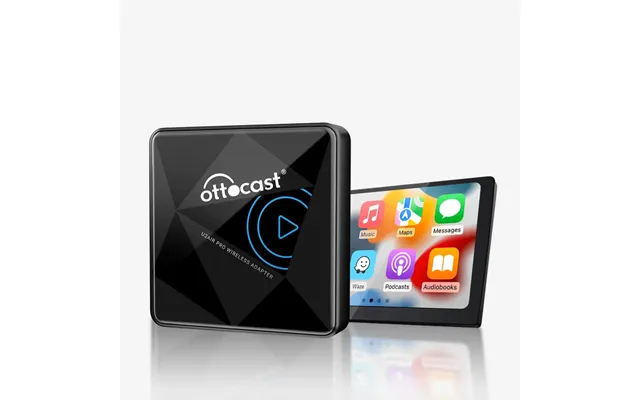
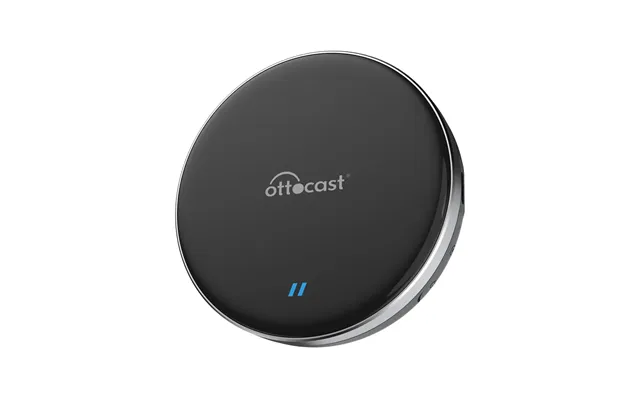
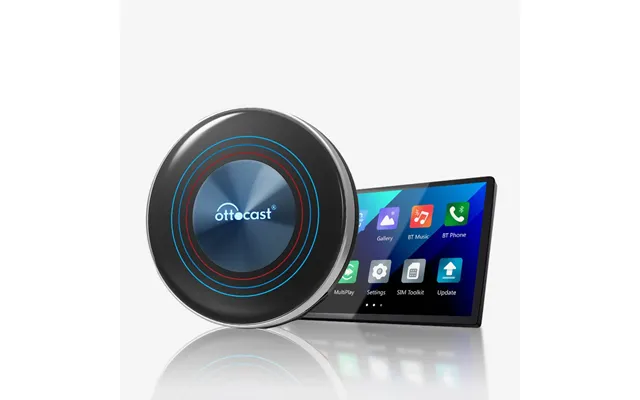
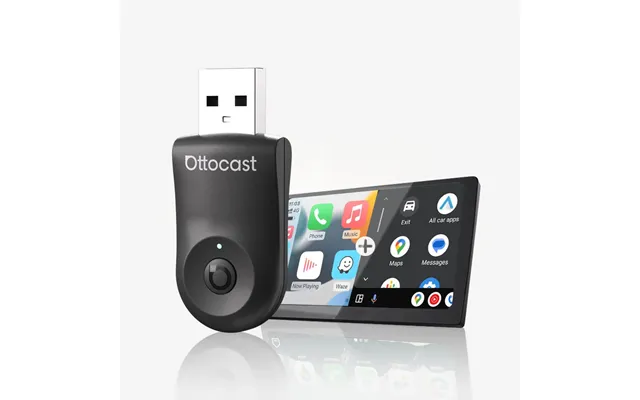
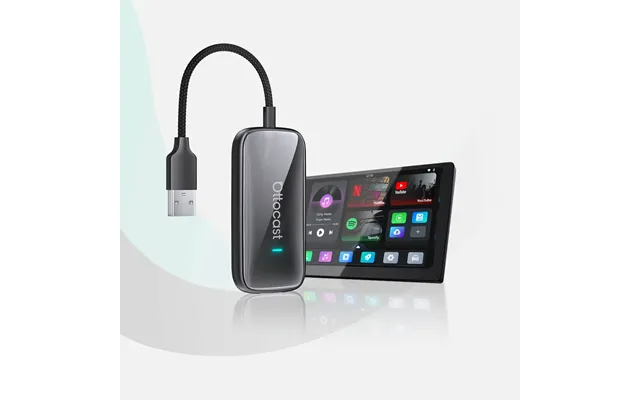
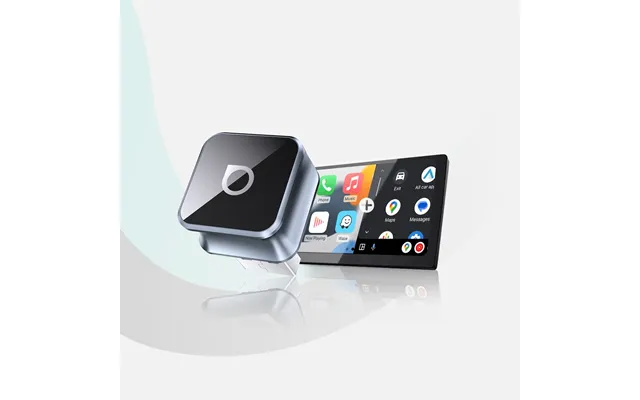
Ottocast price list
Last updated Wednesday, Oct 14, 2026
| Ottocast | Price |
|---|---|
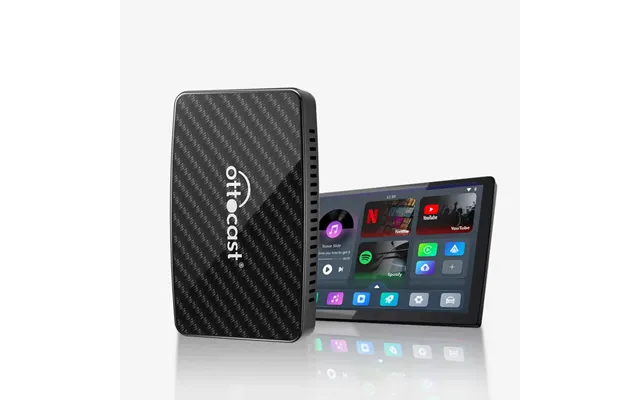
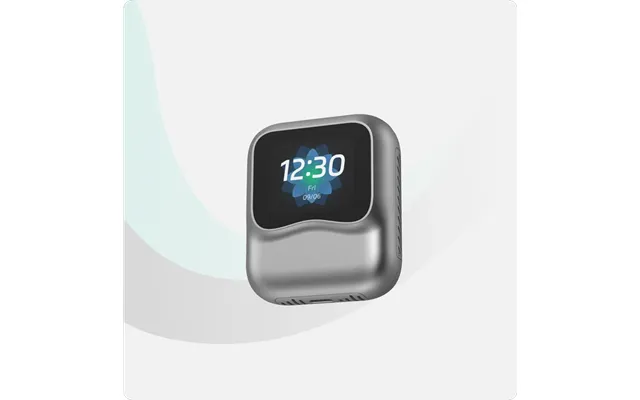
| Play2video Ultra | $179.00 |
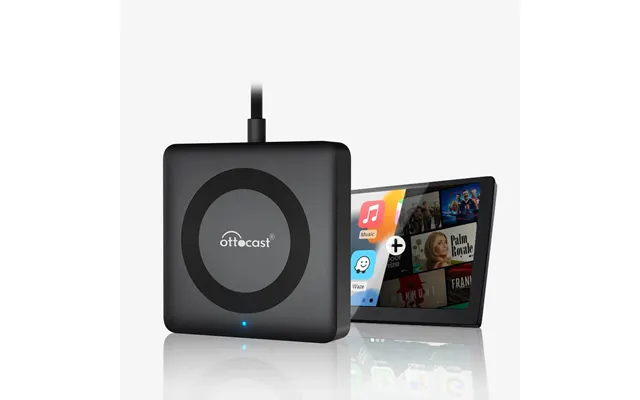
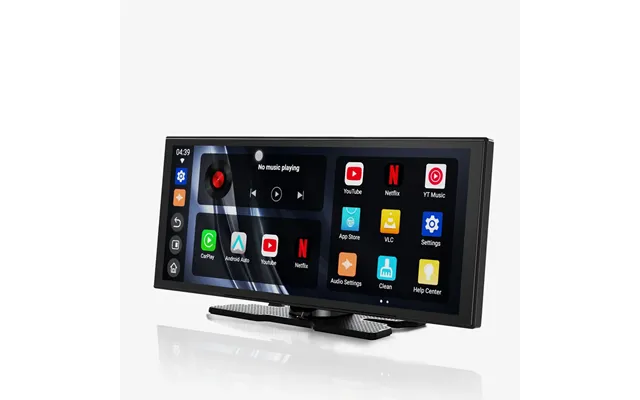
| Screenflow Portable Car Display Screen | $230.00 |
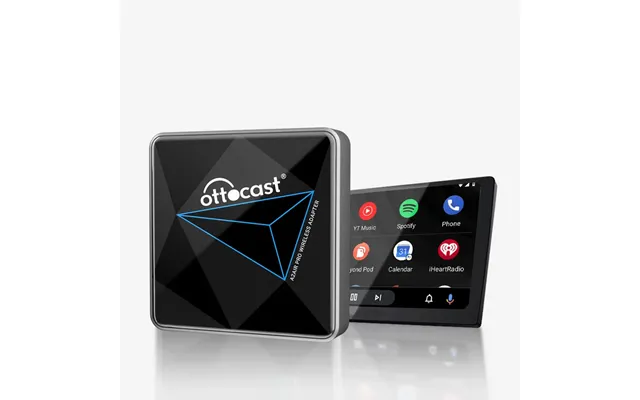
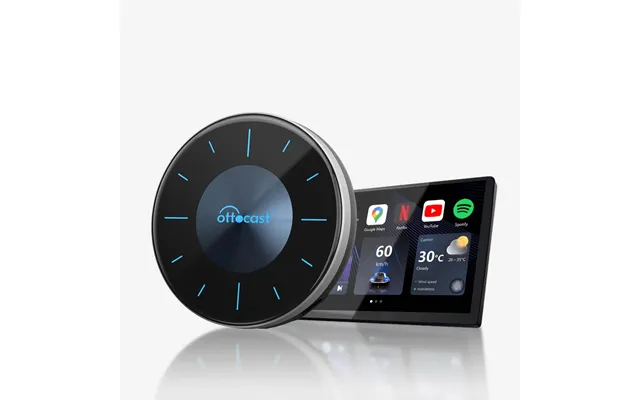
| Ottoaibox P3 Lite | $239.00 |




| Store | Status | today | distance |
|---|
Loading...
Loading...
Last updated Wednesday, Oct 14, 2026
| Ottocast | Price |
|---|---|
| Play2video Ultra | $179.00 |
| Screenflow Portable Car Display Screen | $230.00 |
| Ottoaibox P3 Lite | $239.00 |
Ottocast has become a familiar name for drivers who want to upgrade their vehicle’s infotainment system without replacing the factory stereo. Its product range focuses on wireless Apple CarPlay adapters, Android Auto solutions, multimedia boxes, and related car technology. For many US drivers, the appeal is simple: keep the original dashboard, avoid a costly installation, and add modern features with a small device.
But where did Ottocast come from, and how did it become part of the growing US car-tech market? The story is closely linked to a major change in the way people use their vehicles. A car is no longer only a machine for travel. It is also a mobile office, a music player, a navigation tool, and a place where drivers expect seamless access to their phones.
This article explores the development of Ottocast in the United States, its main products, its online retail approach, and its position against competitors such as Carlinkit, Motorola MA1, AAWireless, and aftermarket electronics retailers. If you are considering an Ottocast device, this guide will help you understand the brand and decide whether it fits your needs.
To understand Ottocast’s rise, it helps to look at the technology problem it aimed to solve. Apple CarPlay and Android Auto changed the driving experience by bringing phone-based navigation, music, calls, and messages to the vehicle screen. At first, however, many cars required a wired USB connection.
That cable was not a disaster, but it was inconvenient. Drivers had to find the right port, connect the phone each time, and deal with cables sliding around the center console. Wireless CarPlay adapters appeared as a bridge between older wired systems and the more convenient wireless experience found in newer vehicles.
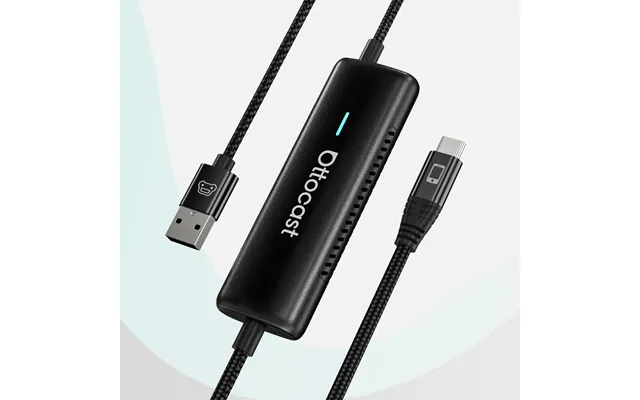
Ottocast entered this space with products designed to connect to a compatible factory infotainment system and then communicate wirelessly with a smartphone. The device acts like a translator. The vehicle still believes it is using a wired CarPlay or Android Auto connection, while the driver connects through Bluetooth and Wi-Fi.
This was a smart idea because it avoided a full stereo replacement. Instead of removing the dashboard or paying for professional installation, a driver could often plug in a compact adapter and start using the system within minutes.
Ottocast grew during a period when online shopping became the main way many consumers purchased car accessories. Rather than relying only on physical electronics stores, the brand used online product pages, demonstration videos, support content, and direct sales to reach drivers across the United States.
The company’s identity became strongly connected to plug-and-play car technology. Its catalog expanded beyond one simple adapter. Depending on the market and product generation, Ottocast has offered wireless CarPlay adapters, Android Auto adapters, all-in-one multimedia boxes, video-focused devices, and accessories for different vehicle systems.
That wider range helped the store appeal to several types of customers. One buyer might want only wireless phone mirroring. Another might want to run extra applications through a compatible vehicle screen. A third might be looking for a more advanced solution that adds streaming or navigation functions to an older car.
The US market also helped shape the brand’s product strategy. American drivers often keep vehicles for many years, even as smartphone technology changes quickly. A reliable adapter can extend the useful life of a factory infotainment system. In that sense, Ottocast sells more than a gadget. It sells a small upgrade for an existing investment.
The timing mattered. New vehicles increasingly included wireless smartphone integration, but millions of older cars still depended on wired connections. Replacing a car is expensive. Replacing an entire head unit can also be expensive, especially when the vehicle includes steering-wheel controls, backup cameras, factory amplifiers, or other integrated features.
Ottocast offered a middle path. Drivers could keep the original system while removing one of its most annoying limits. The product category was easy to explain, easy to demonstrate, and easy to compare online. A short video showing a phone connecting without a cable could communicate the value immediately.
There was also a psychological advantage. Many vehicle owners do not want to alter the factory dashboard. A small adapter feels safer than a major modification. It is like adding a smart lock to an existing door instead of rebuilding the entire entrance.
The core purpose of an Ottocast wireless adapter is to convert a compatible wired connection into a wireless one. The adapter usually plugs into the car’s USB data port. After the first setup, the driver pairs a smartphone with the adapter. On later trips, the connection may happen automatically, although the exact experience depends on the vehicle, phone, software, and adapter model.
Wireless CarPlay products are mainly designed for iPhone users. Android-focused products support Android Auto, while some models are marketed as dual-system solutions. Buyers should read the compatibility details carefully because not every vehicle with a USB port supports wired CarPlay or wired Android Auto.
Ottocast also became known for more advanced multimedia products. Some devices are designed to provide broader access to apps or video functions through the vehicle screen. These products can attract passengers who want entertainment during a parked break or a long journey. However, drivers must always follow local laws and safety rules. Video playback should never distract the person behind the wheel.
Many disappointing purchases happen because a buyer checks the phone but not the car. Having a recent iPhone or Android phone does not automatically mean an adapter will work. The vehicle usually needs a factory system that already supports the relevant wired platform.
Before ordering, check the vehicle year, make, model, infotainment version, USB port type, and smartphone operating system. Some adapters also have different requirements for Android phones. A car with a USB port used only for charging may not support data communication at all.
This is where Ottocast’s online store, product descriptions, compatibility lists, and support materials matter. A good product page should make the limits clear. Buyers should be cautious when a listing promises universal compatibility without explaining the conditions.
Ottocast’s US store model reflects modern direct-to-consumer retail. Customers can browse products, compare features, read setup information, and place an order without visiting a physical shop. The store also uses product videos and visual demonstrations to show how the adapters work in real vehicles.
This approach has clear benefits. Online shopping offers a broad selection and allows a specialist brand to reach customers in every state. It also lets the company update product information quickly as new phone models and vehicle systems appear.
Still, online buying requires more responsibility from the customer. In a physical electronics store, a sales associate might ask about the car and phone before recommending a product. Online, the buyer must do that research alone. The best way to shop is to treat compatibility as a checklist rather than a guess.
Customer support is another major part of the store experience. Wireless adapters depend on software, firmware, Bluetooth pairing, Wi-Fi communication, and vehicle-specific behavior. Even a good product may need troubleshooting after a phone update or a change in vehicle settings.
Drivers often ask whether the adapter connects instantly, whether the sound quality changes, and whether the device drains the phone battery. In normal use, the adapter is intended to make startup automatic after the initial pairing. However, no wireless system is perfect in every vehicle.
Connection speed can vary. Some cars wake up quickly, while others take longer to activate the infotainment system. Interference, phone settings, software updates, and weak vehicle USB power can also affect performance. Restarting the phone, deleting an old pairing, updating firmware, or changing the USB cable may solve certain problems.
A wireless adapter uses the phone’s Bluetooth and Wi-Fi functions, so battery use may be higher than when the phone is sitting idle. Many drivers solve this by placing the phone on a wireless charging pad or using a charging cable when needed.
Carlinkit is one of Ottocast’s closest competitors. Both brands focus heavily on wireless CarPlay and Android Auto adapters, and both sell products through online channels. Their goal is similar: provide a relatively simple way to modernize a compatible factory infotainment system.
Carlinkit often attracts customers who want a wide product selection and a lower-cost entry point. The company has offered multiple generations of adapters and more advanced multimedia boxes. Ottocast, meanwhile, is frequently chosen by buyers who prefer its product design, interface, advertising, or specific features.
Neither brand automatically wins for every driver. The better choice depends on the exact vehicle and phone. One model may work smoothly in a particular car while another model from the same category may be less stable. Reviews can help, but compatibility information should come first.
Price is also worth comparing. Discounts change often, especially during major shopping seasons. A cheaper adapter may be attractive, but a slightly more expensive product could provide better documentation, firmware support, or customer service. The lowest price is not always the lowest total cost if setup becomes difficult.
The Motorola MA1 is a well-known wireless Android Auto adapter. Its main appeal is brand recognition and a focused purpose. It is designed primarily for Android Auto users who want a simple wireless connection in a vehicle that already supports wired Android Auto.
Compared with Motorola’s focused approach, Ottocast offers a broader range of products. Its catalog may appeal to both iPhone and Android users, as well as customers interested in additional multimedia features. This creates more choice, but it also means buyers need to understand the differences between product models.
Motorola’s name can provide confidence for customers who want a straightforward accessory from a familiar electronics brand. Ottocast may be more attractive to shoppers who want a specialized car-tech store with more options. The right decision depends on whether you value simplicity, brand familiarity, features, or price.
AAWireless has built a strong reputation among Android Auto users. Its products focus on making Android Auto wireless, and the brand is known for software controls and community discussion. Android users who like adjusting settings may find this approach appealing.
Ottocast has a broader appeal because it serves different platforms and sells several types of car multimedia products. AAWireless may be a natural choice for someone who uses Android Auto and wants a focused device. Ottocast may be better for a household with both iPhone and Android users or for a buyer seeking more than a basic wireless connection.
Again, phone and vehicle compatibility should guide the purchase. Features that look impressive on a product page mean little if the adapter does not communicate properly with the car’s factory system.
Large retailers such as Best Buy, Crutchfield, Walmart, and Amazon offer competing solutions. These marketplaces may sell Ottocast products alongside other brands, which makes price comparison easy. They can also provide customer reviews, delivery options, and different return policies.
Traditional aftermarket stereo retailers take a different route. Companies that sell Pioneer, Kenwood, Sony, Alpine, and similar head units may recommend a complete stereo replacement instead of a small adapter. A new head unit can offer a larger display, stronger audio controls, improved cameras, and more features. It may also require professional installation and cost much more.
Ottocast is strongest when the vehicle owner wants a quick, low-disruption upgrade. A full aftermarket stereo is stronger when the factory system is outdated, damaged, or missing important functions. Think of the difference between renovating a room and adding a useful piece of furniture. Both improve the space, but they solve different problems.
Buying from the official Ottocast store may provide access to the complete catalog, current product information, and brand-specific support channels. Marketplace shopping may offer faster delivery, familiar payment options, and an easier return process. The best choice depends on the seller, warranty terms, and product availability.
Always check whether the listing is sold by the brand, an authorized seller, or an unrelated third party. Confirm the model number, included accessories, return window, and warranty conditions. A genuine product from an unclear listing can still create confusion if support is limited.
Ottocast’s main strength is convenience. Its products target a clear problem and usually require less effort than a full infotainment replacement. The store also offers several product categories, giving customers room to choose a basic or more advanced solution.
Another strength is market awareness. Ottocast understands that many drivers want newer features without giving up their factory screen. Its products fit the growing demand for connected cars, but they do so at a smaller price and with less installation work than a complete upgrade.
The main weakness is that wireless connectivity can never be judged by the adapter alone. A vehicle’s infotainment system may behave differently from another vehicle. Phone updates can create unexpected changes. Some users may also experience slower startup, occasional disconnections, or the need for firmware updates.
The product range can create another challenge. Several adapters may appear similar while supporting different functions. Customers must avoid buying based only on appearance or price. Read the specifications, identify the correct platform, and verify the car before placing the order.
Start with the vehicle. Find out whether it supports wired Apple CarPlay, wired Android Auto, or neither. If the factory system does not support the desired platform, a basic wireless adapter may not solve the problem.
Next, check the smartphone. An iPhone user should look for Apple CarPlay support. An Android user should confirm Android Auto requirements. If two people regularly use the car, consider whether the device supports both platforms and how easily it switches between phones.
Then decide what you actually need. If your only goal is to remove the cable, choose a focused wireless adapter. If you want broader multimedia functions, study the restrictions and setup requirements of a more advanced device. Extra features can be useful, but they may also bring more complexity.
Finally, compare the total ownership experience. Look at the price, warranty, support, firmware process, return policy, and user feedback from drivers with the same vehicle. A few minutes of research can prevent hours of frustration later.
The market for wireless car accessories is likely to remain active as smartphone software and vehicle technology continue to develop. More new cars now include wireless connectivity from the factory, but older cars will remain on the road for many years. That creates a long-term audience for retrofit products.
Future adapters may become faster, smaller, and easier to update. Better switching between multiple phones could improve family use. More reliable firmware may reduce connection problems. The distinction between a simple phone adapter and a complete smart multimedia box may also become less clear.
Ottocast’s future success will depend on more than releasing new hardware. The brand must keep compatibility information accurate, respond to software changes, and provide useful customer support. In connected car technology, trust is part of the product. A sleek adapter is helpful, but dependable performance is what brings customers back.
Ottocast has earned attention in the US by focusing on a practical need: giving drivers a wireless, modern connection while allowing them to keep the vehicle they already own. Its history reflects the rise of direct online retail, smartphone-centered driving, and affordable car upgrades. Compared with Carlinkit, Motorola MA1, AAWireless, and larger electronics retailers, Ottocast stands out for its broad selection and specialist focus. It is not the perfect choice for every vehicle, but for a compatible system, it can act like a small bridge between an older dashboard and a newer digital lifestyle. Check compatibility first, compare support and price, and choose the product that solves your actual problem rather than simply offering the longest feature list.