





Kixies price list
Last updated Wednesday, Sep 2, 2026


| Store | Status | today | distance |
|---|
Loading...
Loading...
Last updated Wednesday, Sep 2, 2026
Fashion trends come and go, but some clothing problems never seem to disappear. One of them is the struggle to find thigh-high stockings that stay up, feel comfortable, and fit more than one narrow body type. Kixies built its name around solving that exact problem. The US brand became known for thigh-high socks designed to remain in place without the need for garter belts, sticky tape, or constant adjustment.
The story of Kixies is more than a simple tale about socks. It reflects a wider shift in American retail. Shoppers began looking for small, clever products that made daily life easier. They also wanted brands with a clear voice, a strong online presence, and products made for real bodies. Kixies entered that space with a focused idea: create thigh-highs that look stylish but work in ordinary life.
Today, Kixies competes with large hosiery companies, lingerie labels, department-store brands, and independent online shops. Its challenge is not only to sell socks. It must also prove that a specialist brand can offer better fit, comfort, and personality than a mass-market alternative. So, how did Kixies develop, and where does it stand among similar stores in the United States?
Kixies grew from a common fashion frustration. Many women liked the look of thigh-high stockings but disliked how quickly traditional styles slipped down. A garter belt could help, but it added another layer of clothing. Adhesive products could hold a stocking in place, yet they were not always comfortable or reliable. Some shoppers also found that standard thigh-highs were too tight at the top or too short for their legs.
The founders of Kixies saw an opportunity in that gap. Instead of treating thigh-high socks as a costume item or a special-occasion accessory, the brand approached them as a useful part of a modern wardrobe. The goal was simple: make a fashionable product that a customer could put on quickly and trust throughout the day.
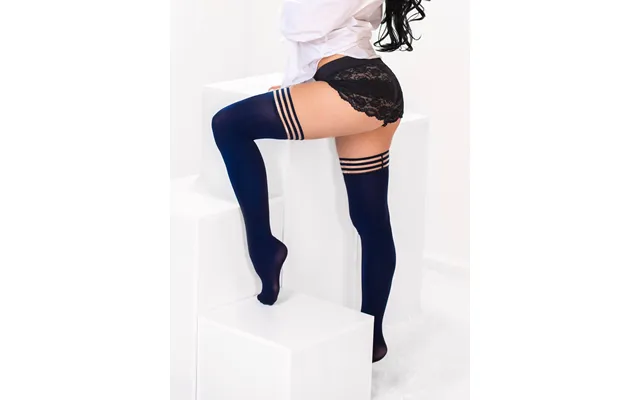
Kixies focused on thigh-high socks with a wider, stay-up band. That band became one of the product’s most important features. It was designed to provide grip while reducing the need for extra support. The company also paid attention to stretch, fabric feel, colors, patterns, and sizing. Those details helped Kixies stand apart from basic hosiery sold in multipacks.
Strong brands often begin with a narrow problem. Kixies did not try to become every type of apparel company at once. It concentrated on one product category and worked to make that category more appealing. This focus gave the brand a clear identity.
That identity also made Kixies easy to explain. A customer could understand the product after one short sentence: these are thigh-highs designed to stay up. In a crowded fashion market, clarity matters. People do not want to decode a complicated brand message before they buy a pair of socks.
Kixies developed during a period when many American brands began selling directly to shoppers online. Instead of relying only on department stores or large retail chains, smaller companies could build an audience through websites, social media, email, and digital advertising.
This direct-to-consumer model suited Kixies well. Thigh-high socks are compact, easy to ship, and simple to display online. The company could show product photos, explain sizing, share styling ideas, and communicate with customers without depending entirely on a traditional store shelf.
Online retail also allowed Kixies to present its products in a more personal way. Shoppers could see different colors, prints, and outfit combinations. They could read fit information before purchasing. This was important because hosiery is a highly personal product. A customer wants to know how a sock feels, how high it reaches, and whether the top band will work on her legs.
The brand’s online presence helped it reach customers across the US. Someone in a major city and someone in a smaller town could browse the same collection. That national reach would have been much harder for a small specialty hosiery brand in the pre-internet retail era.
Thigh-high socks are visual products, so social media gave Kixies a natural marketing advantage. Images could show how the socks looked with skirts, dresses, shorts, boots, and casual outfits. The company could also use short videos to demonstrate how the socks were worn and how they stayed in place.
More importantly, social media helped move thigh-high socks away from a narrow stereotype. The product could appear playful, practical, bold, romantic, or everyday. That variety widened its appeal. A shopper did not have to buy Kixies for one specific reason. She could choose them for warmth, style, confidence, or convenience.
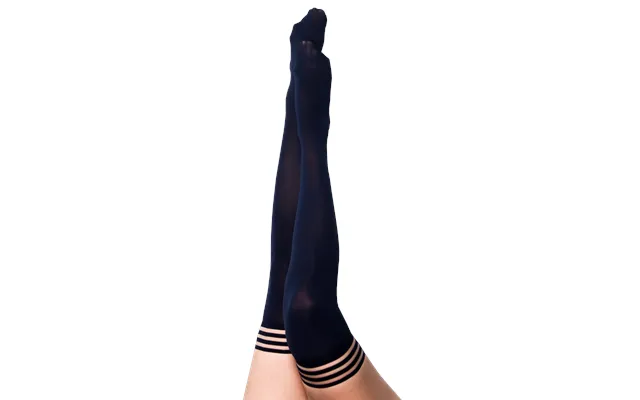
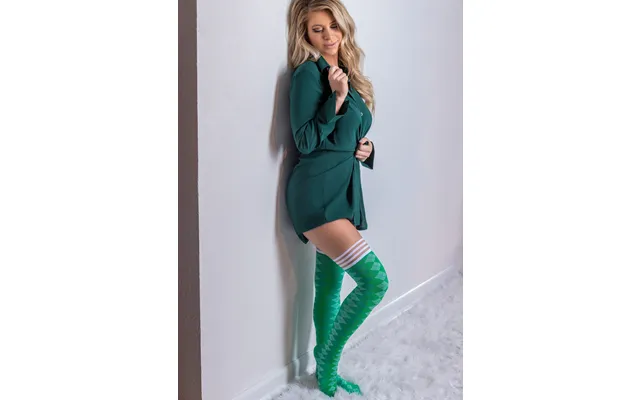
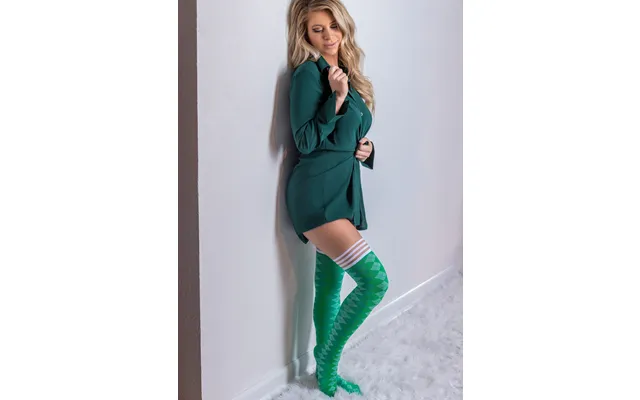
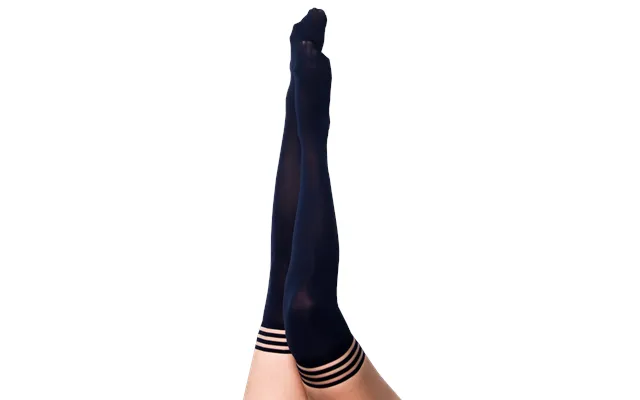
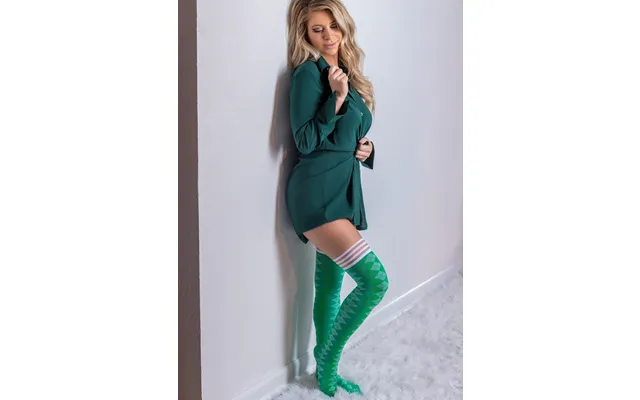
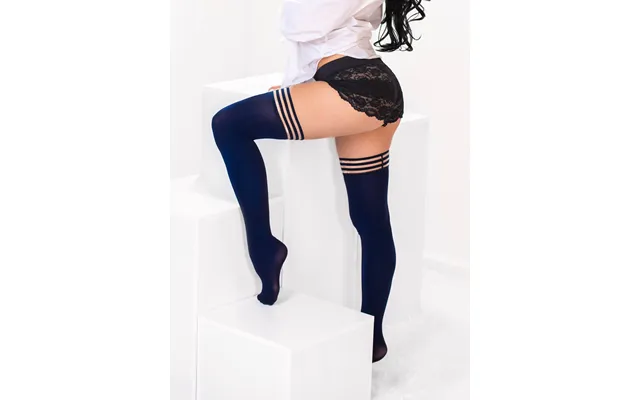
Kixies became recognized for a broad selection of thigh-high stockings and socks. The collection has included solid colors, sheer designs, fishnet styles, patterned pairs, lace-trim options, and seasonal looks. This range gives the customer room to experiment.
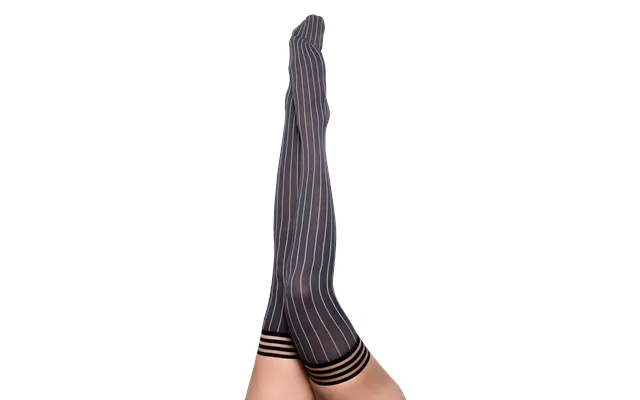
Basic black thigh-highs remain a key wardrobe choice. They can add polish to a dress or create a sharper look with boots. Nude and neutral shades offer a softer appearance. Bright colors and patterns create a stronger statement. Fishnet and lace styles appeal to shoppers looking for a more dramatic outfit.
The brand’s variety matters because fit alone does not create repeat customers. A shopper may first discover Kixies while searching for practical black thigh-highs. She may return later for a striped pair, a holiday design, or a different color. Each new style creates another reason to visit the store.
Kixies also benefits from the emotional side of fashion. Socks are affordable compared with a coat, handbag, or pair of designer shoes. That makes them an easy way to refresh an outfit. A customer can change the mood of a familiar dress simply by changing her hosiery.
The main selling point of Kixies is the effort to combine comfort with security. The top band needs enough grip to hold the sock in place, but it should not feel painfully tight. The fabric must stretch across different leg shapes without becoming baggy or losing its form.
Fit can vary from person to person. Height, thigh circumference, skin sensitivity, and personal preference all affect the experience. That is why customers should review the current Kixies size chart before ordering. A product that works perfectly for one shopper may feel different on another body.
The stay-up design is useful, but no thigh-high can respond identically to every movement or every body shape. Moisture, lotions, fabric texture, and the position of the band can affect performance. Kixies’ appeal comes from reducing the problem, not pretending that clothing physics no longer exists.
Hanes is one of the best-known hosiery names in the United States. Its major advantage is scale. The company offers tights, pantyhose, socks, shapewear, underwear, and other basics through department stores, supermarkets, pharmacies, and online retailers.
Compared with Hanes, Kixies has a narrower and more specialized identity. Hanes is a practical basics brand with wide availability. Kixies is a focused thigh-high brand with a more fashion-led personality. If you need a quick, inexpensive pair of standard hosiery from a nearby store, Hanes may be easier to find. If you want a larger choice of thigh-high designs and a dedicated stay-up concept, Kixies may feel more relevant.
Price can also differ. Large companies often benefit from huge production volumes, which can keep prices low. A specialist brand may charge more because it offers smaller collections, distinctive designs, and a more focused product experience. The shopper must decide whether those added details are worth the difference.
Wolford occupies a more premium position in the US hosiery market. The brand is associated with luxury clothing, refined materials, elegant construction, and a high price point. Its products often appeal to shoppers who care deeply about finish, texture, and designer presentation.
Kixies and Wolford can both attract customers seeking stylish hosiery, but they serve different buying moods. Wolford feels like a luxury purchase. Kixies feels more playful, accessible, and solution-focused. A shopper might choose Wolford for a polished wardrobe investment and Kixies for a colorful pair of thigh-highs that brings energy to an outfit.
Wolford’s strength is its luxury reputation and sophisticated design language. Kixies’ strength is its clear focus on thigh-high comfort, variety, and everyday wearability. Neither brand is automatically better. The right choice depends on whether the customer values prestige and premium finish or a more specialized, approachable product.
Sock Dreams is an online retailer known for an extensive range of socks, legwear, tights, and alternative hosiery. It appeals to shoppers who enjoy browsing unusual designs and discovering independent or niche brands.
Compared with Sock Dreams, Kixies offers a more controlled brand experience. A shopper visiting Kixies is mainly there for the company’s own vision and products. Sock Dreams provides a broader marketplace-style selection, which can be exciting but may also require more time to compare materials, sizes, and construction.
Kixies is a strong option for a customer who already knows she wants stay-up thigh-highs from a specialist label. Sock Dreams may suit someone who wants to explore many silhouettes, from over-the-knee socks to novelty legwear and alternative patterns.
Threddies is another name associated with thigh-high hosiery designed to remain up. Its products have attracted attention because they focus on grip technology and a practical answer to slipping socks. That makes Threddies one of the closer comparisons to Kixies.
The two brands share a similar core promise, but their visual styles and collections can differ. Kixies often places strong emphasis on playful colors, prints, fashion styling, and a broad lifestyle image. Threddies may appeal more directly to shoppers who prioritize the technical side of staying up.
When comparing them, customers should look at the exact fabric blend, band construction, available sizes, washing instructions, and return rules. Product names alone do not tell the entire story. A close comparison of measurements is more useful than choosing based only on a photograph.
Kixies’ biggest difference is its combination of specialty focus and approachable fashion. It is not trying to be a giant basics company, and it does not depend entirely on luxury status. Instead, it occupies the middle ground: distinctive enough to feel special, but practical enough for regular use.
The company also benefits from its strong product story. “Stay-up thigh-highs” is a direct answer to a real need. That message is easy to remember and easy to share. Customers can recommend the brand to friends without explaining a complicated technical system.
Another advantage is the emotional tone of the category. Kixies can talk about confidence and self-expression while still discussing comfort and function. That balance gives the brand more depth than a plain package of socks. The product can be useful and fun at the same time.
Modern shoppers often want to know what a brand stands for. They look at images, captions, packaging, customer reviews, and the way a company responds to questions. Kixies has an opportunity to build loyalty through a warm, body-aware, and inclusive voice.
That connection matters especially in hosiery. Customers may feel uncertain about sizing or worry that a product will not suit their body. Clear information and honest presentation can reduce that anxiety. The more confident a shopper feels before checkout, the more likely she is to return.
Kixies gained broader public attention after appearing on the television program Shark Tank. Exposure on a major US business show can change the path of a small brand. Millions of viewers may discover the product in one evening, and that attention can lead to new website visits, social media followers, press coverage, and sales.
A television appearance also gives shoppers a behind-the-scenes view of the business. They see the founder explain the product, discuss sales, and defend the company’s potential. That human story can make a brand feel more memorable than a standard online advertisement.
Public exposure brings pressure as well. A sudden increase in demand can test inventory, customer service, shipping systems, and production schedules. A small business must turn attention into lasting trust. A television moment may start the conversation, but product quality and customer experience determine whether the conversation continues.
US customers can generally explore Kixies through its online storefront and other digital retail channels, depending on current availability. Online shopping gives the widest access to colors, patterns, and sizes. It also lets customers read product details before making a choice.
Before ordering, check the size chart rather than relying on a usual clothing size. Thigh-high fit depends heavily on leg measurements. Review the fabric content, care instructions, and return policy. If you have sensitive skin, pay attention to the material and consider how the top band may feel during long wear.
Customer reviews can provide useful clues, but they should not be treated as universal truth. One person may praise a band for staying secure while another may find it too firm. Look for repeated comments about sizing, length, comfort, and durability. Patterns in reviews are usually more valuable than one dramatic opinion.
Start with clean, dry skin. Body lotion or oil can reduce grip. Put the stocking on slowly and smooth the material from the foot upward. Do not yank the top band, since excessive pulling can place stress on the fabric.
Wash thigh-highs according to the care instructions. A gentle wash and careful drying can help preserve elasticity. Avoid rough surfaces, sharp jewelry, and long fingernails when dressing. These small habits can make a noticeable difference in the life of delicate hosiery.
The US fashion market continues to move toward comfort, choice, and personal expression. That trend creates room for brands such as Kixies. Shoppers no longer expect every product to follow one narrow idea of beauty or fit. They want clothing that works with their bodies and their lifestyles.
Kixies can grow by continuing to improve size options, fabric performance, and product information. It may also benefit from expanding seasonal collections, collaborating with creators, and showing more customers wearing the products in real settings. Transparency will matter too. Shoppers increasingly ask where products are made, how materials are chosen, and how companies handle quality concerns.
The challenge is to grow without losing the focus that made the brand memorable. If Kixies becomes too broad, it could lose its specialist advantage. If it remains too narrow, competitors may catch up. The strongest path may be careful expansion: more useful options, better fit education, and the same clear promise at the center.
Kixies has earned attention by turning an everyday fashion annoyance into a recognizable product idea. Its history reflects the growth of online retail, the power of founder-led brands, and the demand for hosiery that does more than look attractive on a package. Compared with Hanes, it is more specialized. Compared with Wolford, it is more accessible and playful. Compared with Sock Dreams and Threddies, it offers its own balance of product focus, style, and brand personality. For US shoppers who want thigh-high socks that combine fashion with function, Kixies remains a memorable option—and a useful example of how one clear idea can build a business.