


Eonon price list
Last updated Tuesday, Oct 20, 2026






| Store | Status | today | distance |
|---|
Loading...
Loading...
Last updated Tuesday, Oct 20, 2026
Buying a new car stereo used to mean visiting a local electronics shop, comparing a few familiar brands, and paying for professional installation. Today, drivers have far more choices. A quick search can bring up touchscreen receivers, wireless smartphone systems, backup cameras, speakers, amplifiers, and complete dashboard packages from stores around the world. Eonon has become one of the names many American drivers notice in that crowded market.
The Eonon store focuses on aftermarket car electronics, especially touchscreen head units designed for older vehicles. Its products commonly target drivers who want modern features without replacing their entire car. Apple CarPlay, Android Auto, navigation, Bluetooth, hands-free calling, camera support, and larger displays are central to the brand’s appeal. But where did Eonon come from, and how does it compare with better-known US retailers and electronics brands?
This article explores the history and development of Eonon in the US market. It also looks at the store’s product strategy, customer experience, strengths, limitations, and position beside competitors such as Crutchfield, Best Buy, Walmart, Amazon, Pioneer, Kenwood, and Sony. If you are considering an Eonon upgrade, the goal is simple: help you decide whether the brand fits your vehicle, budget, and expectations.
Eonon emerged as an automotive electronics brand during a major shift in the car stereo industry. For decades, aftermarket audio was built around simple radios, CD players, amplifiers, and speakers. Then digital music, smartphones, GPS navigation, and video displays changed what drivers expected from a dashboard. A car stereo was no longer only a source of sound. It became a control center.
The Eonon name is associated with vehicle-specific multimedia systems and Android-based head units. Like many modern electronics brands, it developed in the international manufacturing and online retail environment rather than through a large chain of American storefronts. Its products have been sold to customers in different countries, including the United States, through online channels.
Public information about the company’s earliest milestones is less detailed than the history published by major US corporations. That matters because consumers should separate a brand’s visible product history from assumptions about its exact founding date, ownership, or manufacturing structure. Eonon is best understood as a specialist aftermarket electronics brand that grew with online shopping and the demand for affordable dashboard technology.
Eonon entered a market that was ready for a fresh approach. Factory infotainment systems were becoming more advanced, but they were also becoming harder to replace. Drivers with older cars often felt stuck with small displays, outdated maps, weak Bluetooth connections, or no smartphone integration at all.
That created an opening. Instead of asking customers to buy a newer vehicle, Eonon offered a bridge between an older dashboard and current technology. The idea was similar to upgrading an old laptop with a modern operating system: keep the useful machine, but give it a new interface and more useful tools.
Online sales also helped brands like Eonon reach customers directly. A traditional store must pay for floor space, staff, inventory, and local advertising. An online specialist can show a wide catalog without building hundreds of locations. The result is often a lower listed price, although the customer may need to do more research before ordering.
Eonon’s growth in the United States has been closely connected to ecommerce. American buyers can typically research vehicle compatibility, read product descriptions, watch installation videos, and place orders online. This approach suits drivers who enjoy comparing specifications and handling some of the installation process themselves.
The US market is especially attractive for aftermarket car electronics because it contains a huge number of older vehicles. Many owners keep their cars for years. A 10-year-old vehicle may still run well, but its factory radio can feel ancient beside a modern phone. Eonon’s vehicle-focused systems appeal to people who want to extend the useful life of that car.
The brand has also benefited from the popularity of large displays. A factory radio with physical buttons may still work perfectly, yet a wide touchscreen can make the cabin feel dramatically newer. It can add access to maps, music apps, voice control, and parking-camera views. For many owners, that visual transformation is one of the strongest reasons to consider an aftermarket system.
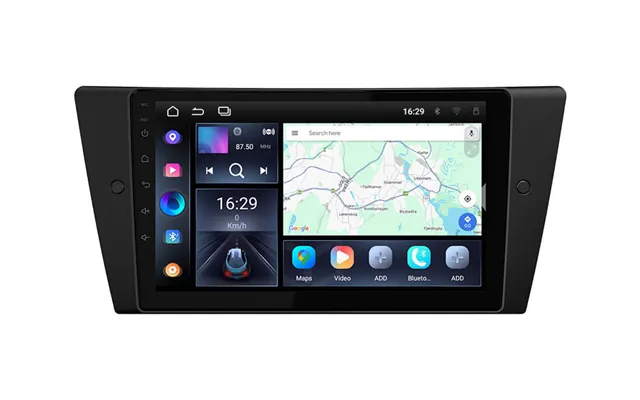
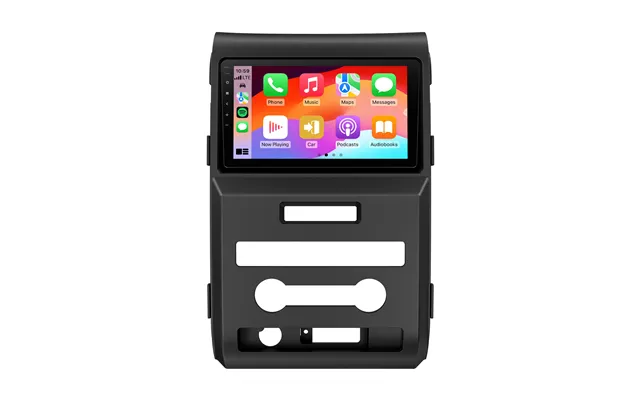
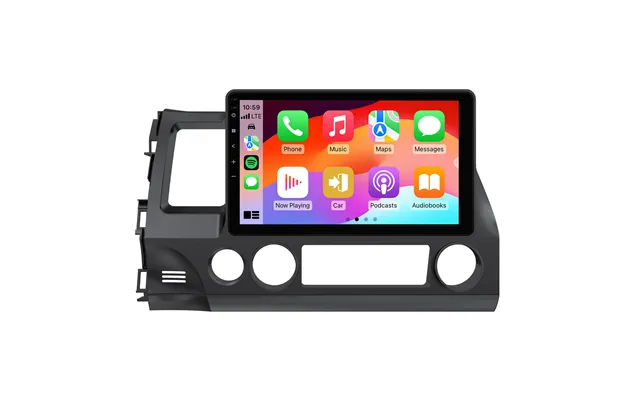
One of Eonon’s most important strategies is offering units for particular makes and models. A vehicle-specific radio may be shaped to fit the dashboard more neatly than a universal receiver. It may also include a matching trim panel, steering-wheel control support, or connections designed around the vehicle’s existing wiring.
This approach reduces some of the fear surrounding installation. A universal stereo can be powerful, but the buyer may need extra brackets, wiring adapters, or a dash kit. With a vehicle-specific Eonon model, the package is often intended to create a more integrated appearance.
Still, “vehicle-specific” does not always mean “plug and play for every car.” Trim levels, factory amplifiers, premium sound packages, screen sizes, and production years can change compatibility. A careful buyer should check the exact model year, dashboard layout, factory features, and connector type before ordering.
Eonon is mainly known for touchscreen car stereos, but its catalog can include more than head units. Depending on the market and product generation, shoppers may find systems with built-in navigation, wireless or wired smartphone integration, Bluetooth, digital radio support, audio equalizers, camera inputs, and Android functionality.
Some units are designed as direct replacements for specific dashboards. Others follow more universal dimensions and can fit a broader group of cars with the correct installation accessories. The range often includes different screen sizes and performance levels. That gives buyers flexibility, but it also means the product names and specifications deserve close attention.
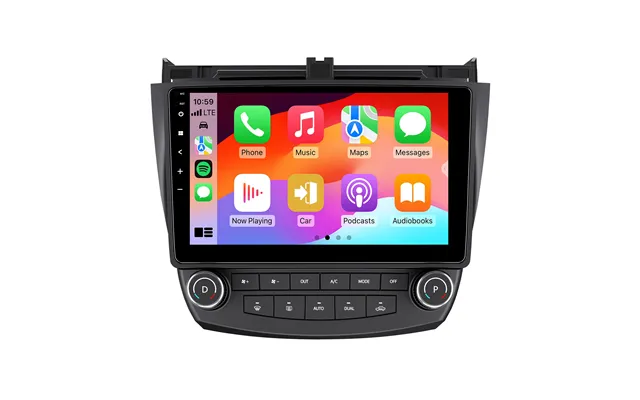
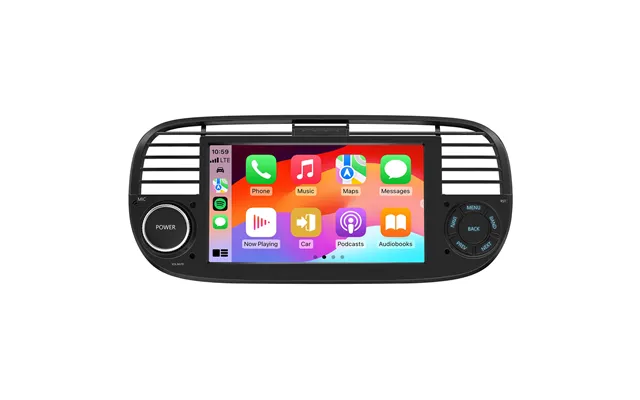
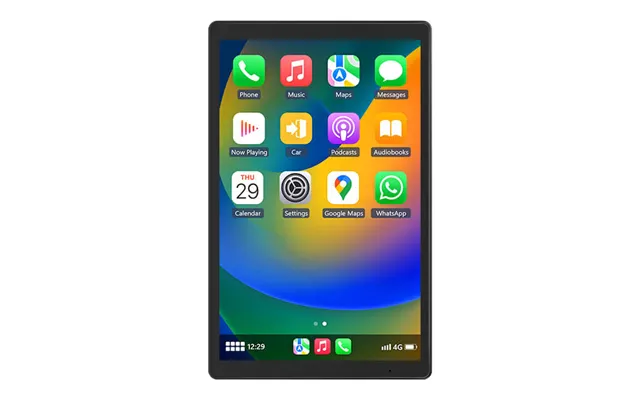
The touchscreen receiver is the heart of Eonon’s store. These devices replace the original radio and combine music, calls, navigation, and camera viewing in one display. Some models are based on an Android operating system, which can provide a familiar app-style interface and additional customization.
Android-based systems can be appealing because they offer more freedom than a basic receiver. You may be able to install applications, adjust the interface, and use online services when the unit has a suitable internet connection. The trade-off is that software quality can vary more than it does with a tightly controlled platform.
Apple CarPlay and Android Auto are among the most important features for US buyers. They place compatible phone apps on the dashboard in a simplified format. Drivers can access supported music, messages, calls, podcasts, and navigation tools without handling the phone as often.
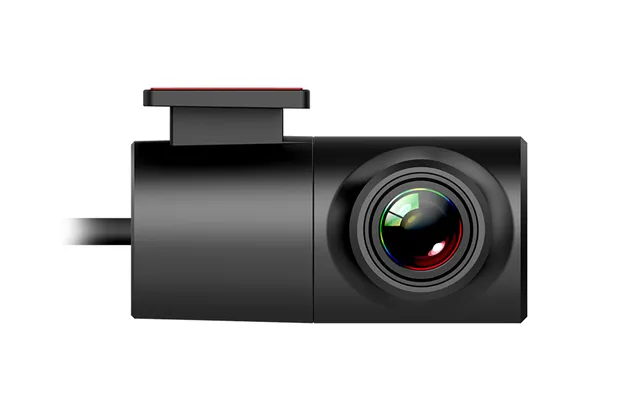
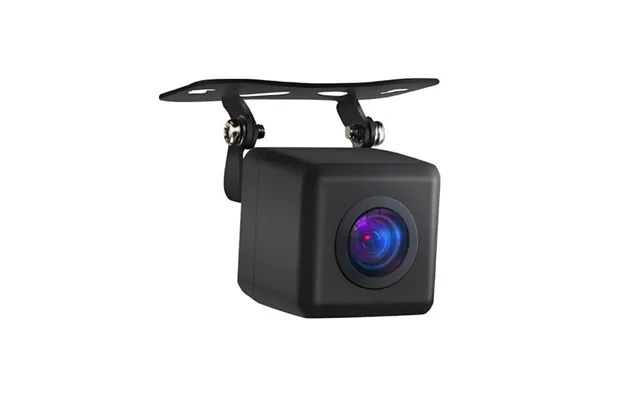
Backup-camera compatibility is another major reason people upgrade. A camera does not replace careful driving, but it can improve visibility behind the vehicle. Some Eonon systems can also support additional cameras or recording equipment, depending on the model.
These features sound impressive, but the experience depends on more than the screen. Microphone placement affects call quality. The vehicle’s speakers affect sound. The phone, cable, wireless connection, and software version can all influence performance. A good specification list is only the starting point.
Crutchfield is one of the strongest comparison points for Eonon in the United States. The company has built its reputation around car audio, detailed fitment information, installation guidance, and customer support. Its website is designed to help shoppers identify products that fit their vehicles and understand which accessories they may need.
Eonon often competes with a lower-price, feature-heavy approach. A buyer may find a large screen and many functions for less money than a premium receiver from a major brand. Crutchfield, by contrast, may offer more established brands and a broader range of installation support. Its product selection commonly includes Pioneer, Kenwood, Sony, Alpine, JVC, and other well-known names.
Eonon can be attractive when you want a modern-looking, vehicle-specific dashboard at a controlled price. Its systems may offer a large screen, Android features, camera support, and smartphone integration in one package. For an older vehicle, that can feel like a major upgrade without the price of a high-end factory retrofit.
Crutchfield is often the safer choice for buyers who want strong compatibility guidance and a well-established support process. Its installation information is a major advantage. If you have never replaced a car stereo, that guidance can save time and prevent costly mistakes. You may pay more, but the extra help can be worth it.
Best Buy occupies a different position because it combines online shopping with physical stores and installation services. Its car electronics department includes mainstream brands, universal receivers, speakers, cameras, and accessories. Customers can often schedule installation through the retailer’s automotive service network.
Eonon has an advantage in specialization. Its online catalog may offer more vehicle-specific Android-style systems than a local Best Buy store. The brand also speaks directly to shoppers who want a particular dashboard design rather than a standard rectangular receiver.
Best Buy’s advantage is convenience for people who prefer in-person service. You can discuss installation, return to a store with questions, and potentially have the system installed by a technician. However, product availability and service quality can vary by location. The total price may also rise after installation, parts, and labor are included.
Amazon and Walmart are major online marketplaces rather than single specialist car audio brands. They offer enormous choice, which can be helpful and confusing at the same time. A search may show Eonon products beside lesser-known brands, refurbished units, universal radios, and premium receivers.
The main strength of these marketplaces is convenience. Buyers can compare prices quickly, check delivery options, and read many customer reviews. Some products may also qualify for familiar payment, shipping, or return programs.
The weakness is consistency. Marketplace listings can change, sellers may differ, and product descriptions are not always equally detailed. A low price does not guarantee good vehicle compatibility or long-term support. When shopping for an Eonon unit through a marketplace, check who is selling it, who handles the warranty, and whether the return policy covers installed electronics.
Reviews can reveal patterns that a product page hides. Look for comments about boot time, wireless connection stability, microphone performance, screen brightness, audio quality, installation fit, and customer support. One unhappy review may reflect an unusual problem. Repeated complaints deserve more attention.
Reviews should also be read in context. A person who expected a premium factory-level system may rate an affordable unit harshly. Another buyer may be delighted because the same unit replaced a decade-old radio. Your expectations matter.
It is useful to compare Eonon with established electronics manufacturers rather than only with online stores. Pioneer, Kenwood, Sony, and Alpine have long histories in car audio. Their products are widely sold through retailers and installers, and many professional technicians know their systems well.
These established brands often emphasize dependable core performance, refined software, clear manuals, audio tuning, and broad installer familiarity. Their premium receivers can deliver strong sound quality and reliable smartphone integration. They may also have more predictable product support across the US market.
Eonon’s appeal is different. It often emphasizes screen size, dashboard integration, built-in Android functions, and a competitive feature list. In simple terms, the major brands may behave like carefully engineered appliances, while Eonon can feel more like a flexible technology platform.
Sound quality depends on the receiver, speakers, amplifier, vehicle cabin, and installation. Eonon systems can work well for everyday listening, especially when paired with decent factory speakers. Yet serious audio enthusiasts may prefer a premium receiver with more advanced digital signal processing, cleaner preamp performance, or deeper tuning controls.
If you listen casually during commuting, Eonon may provide everything you need. If you are building a competition-level system, examine the audio specifications closely. Look for preamp voltage, equalizer bands, crossover controls, time alignment, amplifier integration, and compatibility with your planned speakers.
The strongest benefit is value. Eonon gives budget-conscious drivers a way to add modern functions without immediately moving into premium pricing. A large display, smartphone integration, hands-free calling, and camera support can make an older vehicle feel much more useful.
Another benefit is design choice. A vehicle-specific unit may look cleaner than a universal radio fitted with a generic trim plate. For owners who care about the appearance of the dashboard, this matters. The stereo should look as though it belongs there, not as though it was dropped into place afterward.
Online shopping also gives you time to research. You can compare models at night, read installation notes, watch demonstrations, and ask questions before spending money. There is no pressure from a salesperson standing beside you.
The biggest concern is compatibility. A product can be advertised for a vehicle family yet fail to support a special factory system or unusual trim level. Check every detail before ordering. If the listing is unclear, contact the seller and keep a record of the answer.
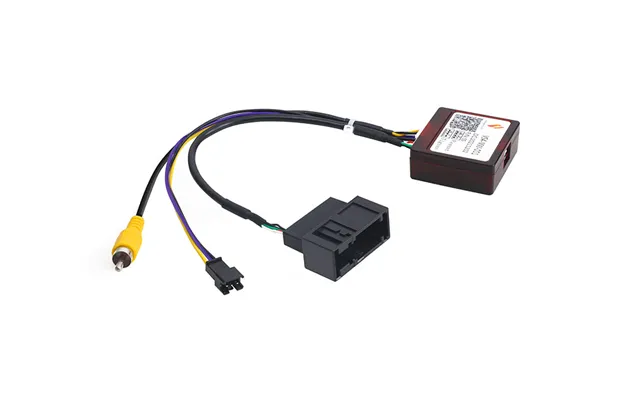
Installation can also be more complicated than expected. You may need an antenna adapter, steering-wheel control interface, amplifier retention module, dash trim, USB extension, or camera adapter. Some vehicles contain factory settings that are controlled through the original radio. Replacing it may affect those functions.
Software is another consideration. Android-style systems can offer broad capability, but updates, app compatibility, startup speed, and occasional bugs may vary. A system that works beautifully on one phone may behave differently with another. This does not make the product unusable; it simply means you should expect a little more involvement than with a tightly managed premium receiver.
Before buying, study the warranty terms and support process. Find out how long coverage lasts, what counts as a defect, and whether return shipping is included. Ask how the company handles units that need troubleshooting. Car electronics are difficult to test after installation, so a clear support policy is valuable.
Keep the box, cables, brackets, and documentation until you are fully satisfied. Take photographs of the original installation and wiring if you do the work yourself. These small steps can make a return or technical support conversation much easier.
Eonon can be a good choice for drivers who want a feature-rich touchscreen at a reasonable price and who are willing to research compatibility. It is particularly interesting for owners of older cars, trucks, and sport utility vehicles with outdated factory radios. The brand offers a practical way to bring a familiar smartphone-centered experience into the dashboard.
It may not be the ideal choice for everyone. If you want a local installer to manage everything, a Best Buy service department or independent specialist may be more convenient. If you want the strongest possible support network and detailed fitment guidance, Crutchfield may be a better route. If sound quality and long-term brand history come first, Pioneer, Kenwood, Sony, or Alpine deserve close attention.
The right question is not simply, “Is Eonon good?” Ask instead, “Is this Eonon model right for my vehicle and my priorities?” That change in wording leads to a smarter purchase. Check the fit, confirm the features you will actually use, compare the complete installed cost, and read reviews from owners of the same vehicle.
Start with the vehicle’s exact year, make, model, trim, and factory audio package. Then confirm the screen shape, wiring, amplifier arrangement, steering-wheel controls, USB connections, and camera requirements. Do not rely only on a vehicle name because one model can use several different dashboard systems across different years.
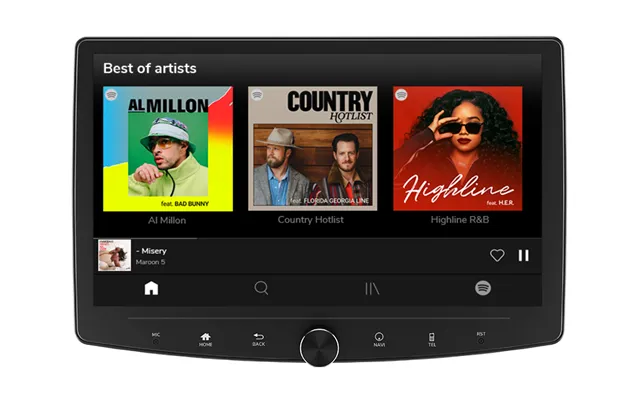
Next, decide which features matter. Do you need wireless smartphone integration, built-in navigation, a high-resolution display, multiple camera inputs, strong audio controls, or a physical volume knob? Extra features sound attractive, but they can raise complexity. Choose the functions you will use every week.
Finally, calculate the real cost. Include installation parts, labor, a backup camera, an amplifier interface, shipping, taxes, and possible return expenses. A cheap head unit can become a costly project if the required accessories are discovered too late.
Eonon’s story reflects the wider transformation of the US car audio market. The brand grew in an age when drivers expected smartphone features in every vehicle, while online commerce made international specialist brands easier to find. Its focus on large screens, vehicle-specific designs, and generous features has helped it attract budget-minded shoppers who want an older car to feel newer.
Compared with Crutchfield, Eonon often competes on price and integrated design rather than support depth. Compared with Best Buy, it offers a more specialized online catalog but less local service. Compared with Amazon and Walmart, it provides a clearer identity, although marketplace buying can sometimes add uncertainty. And beside Pioneer, Kenwood, Sony, and Alpine, it offers flexibility and value while facing a tougher test in brand history, software polish, and installer familiarity.
For the right driver, Eonon can be more than a low-cost radio. It can be a bridge between an aging dashboard and modern connected driving. Just do your homework first. A few minutes spent checking fitment, support, and total cost can turn a risky upgrade into a genuinely satisfying one.