




EightVape price list
Last updated Saturday, Oct 17, 2026






| Store | Status | today | distance |
|---|
Loading...
Loading...
Last updated Saturday, Oct 17, 2026
EightVape has become a familiar name in the US vaping market, especially among shoppers looking for a broad online selection of e-liquids, pod systems, disposable vapes, coils, tanks, and accessories. The company’s story reflects a larger shift in retail. Vape shoppers once depended mainly on local smoke shops and specialist stores. Then online retailers changed the experience by adding wider choice, price comparisons, product reviews, and home delivery.
But EightVape’s history is not only a story about products. It is also a story about regulation, changing technology, supply chains, and consumer habits. The store grew in an industry that moves quickly. New devices appear, rules change, and customers expect faster service every year. That mix makes EightVape an interesting case study when comparing online vape stores in the United States.
This article looks at the development of EightVape, the way its business model works, and how it compares with similar US retailers. It also considers the practical questions shoppers often ask about pricing, selection, shipping, customer support, and compliance. Because vaping laws vary across the country, customers should always check local rules and purchase only if they meet the legal age requirement.
EightVape emerged during the rapid expansion of online vaping retail in the United States. By the mid-to-late 2010s, vaping had moved beyond a small hobbyist community. More adult consumers were using refillable devices, pod systems, and flavored e-liquids. At the same time, online shopping was becoming a normal part of everyday life. Those two trends created a natural opening for specialized internet stores.
Like many retailers in this space, EightVape built its identity around variety. Instead of focusing on one device brand or a narrow product category, the store developed a catalog covering several parts of the vaping market. That approach made it possible for a customer to buy a starter device, replacement pods, e-liquid, batteries, and accessories in one order.
The company became known primarily as an online retailer rather than a traditional chain of walk-in stores. This distinction matters. A physical shop competes through location, personal service, and immediate pickup. An online store competes through product range, search tools, pricing, shipping, and the convenience of browsing from home.
Online vape retail solved a basic problem for many adult consumers: access. A local shop might carry a few popular brands, while an online store could list hundreds or thousands of products. A shopper in a smaller town could compare the same type of pod system or e-liquid available to someone in a large city.
The online model also lowered some operating costs. A retailer does not need a premium storefront in every market. It can centralize inventory and serve customers across multiple states, subject to applicable laws. Those savings may support competitive prices, although shipping charges, taxes, discounts, and product availability still affect the final cost.
EightVape’s growth therefore followed a familiar digital-retail formula: offer breadth, attract shoppers through search engines and promotions, and make repeat purchases easy. The formula sounds simple, but execution is harder. Customers want accurate product pages, reliable stock information, secure payments, fast fulfillment, and clear policies. A single weak link can damage trust.
The vaping market changed dramatically during EightVape’s development. Early electronic cigarettes often looked like traditional cigarettes and used small disposable cartridges. Later, refillable vape pens, box-style devices, pod systems, and compact disposable products became more common.
Each new product generation changed what customers expected from a retailer. A store had to explain wattage, coil resistance, pod compatibility, battery safety, charging methods, and e-liquid strengths. Product choice became both a benefit and a challenge. More options can feel like a well-stocked supermarket, but without clear guidance, the same selection can overwhelm new shoppers.
EightVape’s catalog has generally reflected this broad market. Its product categories have included hardware, nicotine products, e-liquids, replacement parts, and vaping accessories. The range has helped the store appeal to several groups: experienced users seeking specific components, adult smokers exploring alternatives, and returning customers replacing familiar products.
One of the biggest changes in the industry was the rise of pod-based devices. Pods are usually smaller and simpler than advanced box mods. Many use prefilled cartridges, while others accept refillable pods. Their compact design attracted customers who wanted convenience without learning every technical detail of a larger device.
Disposable vapes created another major shift. These products are ready to use and designed for a limited lifespan. They can be convenient, but they also raise concerns about waste, battery disposal, youth access, and changing legal restrictions. Retailers such as EightVape have had to adjust their catalogs as regulators and manufacturers respond to those concerns.
The result is a market that no longer has one dominant format. Some customers still prefer rebuildable devices and customizable settings. Others want a small pod system. Some choose prefilled products for convenience. A successful online store must serve these different preferences without making product information confusing.
No discussion of EightVape’s history is complete without mentioning regulation. The US vaping industry operates under federal, state, and sometimes local rules. Requirements can cover product authorization, labeling, manufacturing, taxes, shipping, age verification, advertising, and sales restrictions.
Federal oversight has increased over time, while states have introduced their own policies. Certain states restrict flavored products. Others apply special excise taxes or limit online sales. Some local governments impose rules that are stricter than state requirements. The legal situation can change, so a product available in one location may be restricted in another.
Online retailers must also address age verification. Responsible stores use systems designed to confirm that customers meet the legal purchase age. In the United States, federal law generally requires customers to be at least 21 to purchase tobacco products, including many electronic nicotine products. Customers should provide accurate information and understand that age checks may occur both at checkout and during delivery.
Shipping has become one of the most complicated parts of online vape retail. Federal shipping rules, carrier policies, state laws, and local restrictions can affect whether an order can be delivered. Some carriers do not accept certain vaping products. Others require special handling or identity checks.
For shoppers, this means a store’s delivery policy matters as much as its product catalog. Before placing an order, customers should review whether the retailer ships to their state, what identification is required, how long processing may take, and what happens if a package cannot be delivered.
Retailers also need to communicate clearly. A customer may accept a longer delivery time if the policy is easy to understand. Confusing notices, unexpected fees, or an order canceled after payment can create frustration. In a regulated industry, transparency is not just good customer service. It is part of responsible retailing.
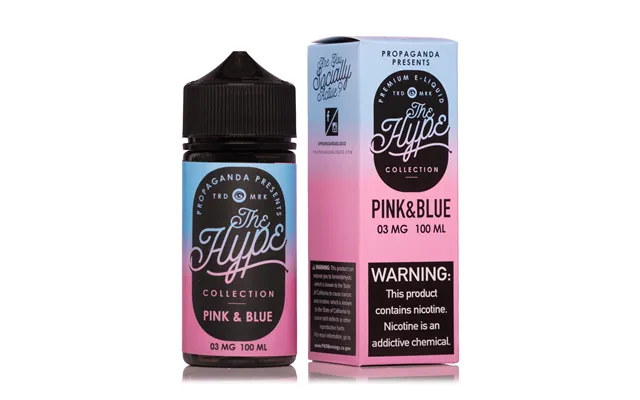
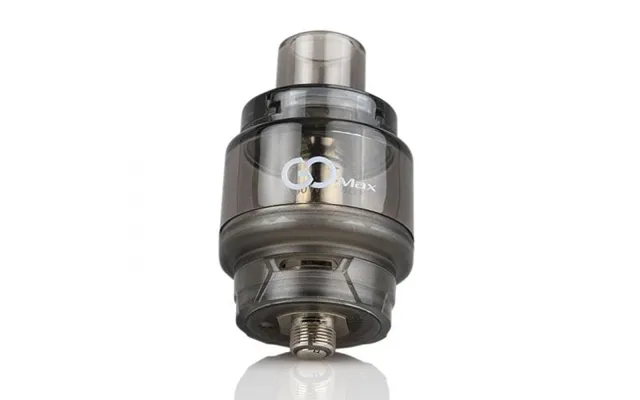
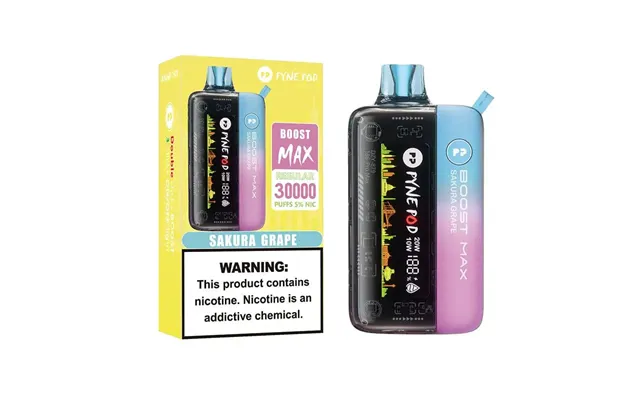
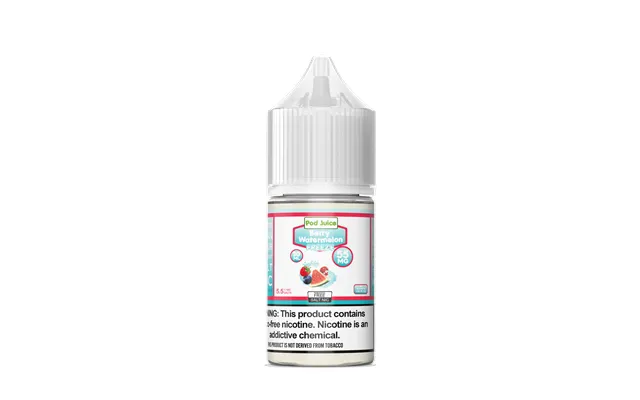
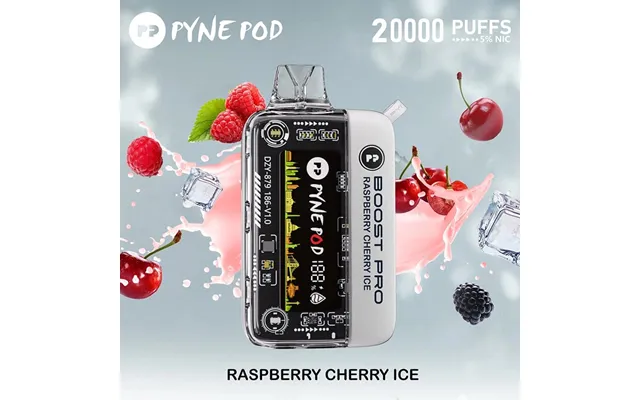
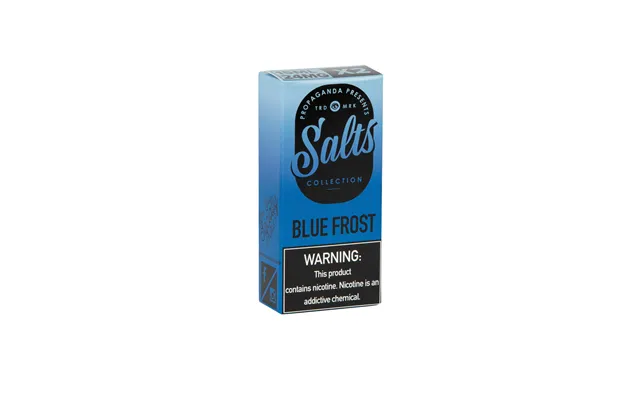
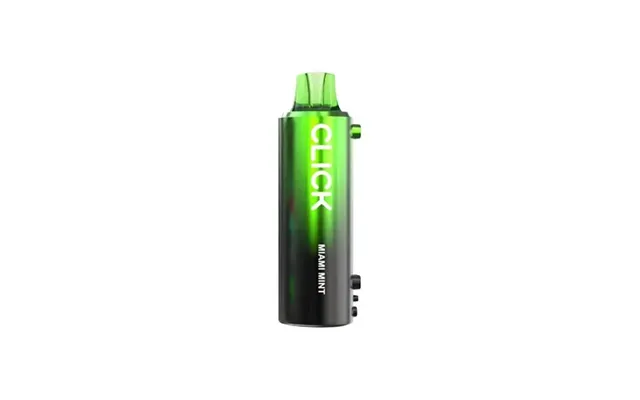
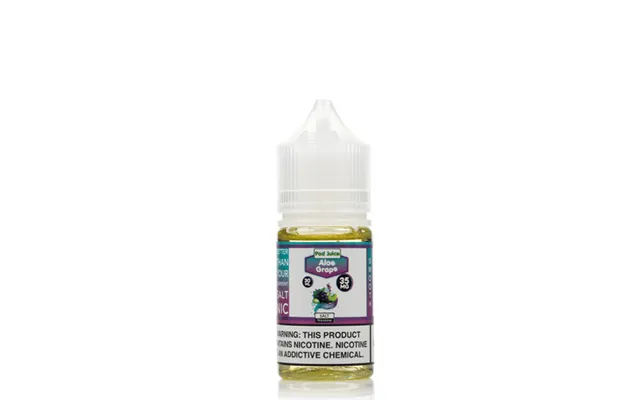
EightVape has competed by offering a wide product mix. The exact catalog changes over time, but a typical selection can include vape kits, pod systems, disposable devices, e-liquids, nicotine salt liquids, coils, tanks, batteries, chargers, replacement pods, cases, and related accessories.
For experienced customers, the breadth can be useful. Someone looking for a particular coil or replacement pod may find it alongside a new bottle of e-liquid. That can reduce the need to visit several websites. It also allows shoppers to compare brands, formats, nicotine levels, capacities, and prices in one place.
For beginners, the same variety can create uncertainty. A product page should explain what comes in the package, what must be purchased separately, and which replacement parts fit the device. Buyers should not assume that every pod fits every battery or that every coil works with every tank. Compatibility errors are a common source of disappointment.
Online vape stores depend heavily on product descriptions. Good listings provide specifications in plain language. They explain battery capacity, charging type, pod size, coil range, liquid compatibility, and expected contents. They also identify whether a product contains nicotine and state relevant warnings.
Customer reviews add another layer. Reviews can reveal practical details that a manufacturer description misses, such as how a device feels in the hand, whether a pod leaks, or how easy it is to refill. Still, shoppers should read reviews critically. One person’s experience may not predict everyone’s results, and reviews can become outdated when a product is redesigned.
EightVape’s success in a crowded market depends partly on how well it turns a large catalog into a clear shopping experience. A huge inventory attracts attention, but useful filters and honest product information help convert that attention into confident purchases.
Element Vape is one of the better-known online competitors in the US market. Like EightVape, it has traditionally offered a broad mix of hardware, e-liquids, replacement parts, and accessories. Both stores appeal to customers who want more variety than a typical local shop can provide.
The comparison often comes down to shopping experience and current pricing rather than a dramatic difference in product categories. One retailer may have a lower listed price on a device, while the other may offer a better promotion, shipping deal, or bundle. Inventory also changes quickly, so shoppers should compare the final checkout price instead of relying on a general reputation.
Element Vape has often been recognized for detailed category organization and a strong presence among hobbyist customers. EightVape, meanwhile, has competed through broad selection, frequent promotions, and an emphasis on online value. Neither store is automatically best for every shopper. The right choice depends on the specific product, destination, delivery method, and return policy.
VaporDNA is another established name in online vaping retail. It has been associated with a wide selection of devices, e-liquids, accessories, and advanced hardware. Its catalog has appealed to both casual users and enthusiasts who want more technical control.
Compared with VaporDNA, EightVape may appeal strongly to shoppers focused on promotional pricing and a broad everyday catalog. VaporDNA may attract customers who value extensive device information, specialized hardware, and a retail identity connected to the larger vape enthusiast community.
Again, the distinction is not fixed. Online stores change prices, stock, policies, and product emphasis. A customer comparing the two should examine the same model on both websites, including shipping, taxes, warranty terms, and return restrictions. A cheap headline price is less useful if the item is out of stock or the delivery charge removes the saving.
DirectVapor has also competed in the online US market with a selection of vape devices, e-liquids, and accessories. Its appeal, like that of other major retailers, comes from convenience and the ability to compare many products without driving from store to store.
EightVape and DirectVapor can differ in how they present products and promotions. One site may make it easier to filter by brand or device type. The other may provide a more attractive loyalty offer or a larger selection in a particular category. Customer service policies can also be different, especially for opened products, defective devices, and shipping problems.
Shoppers should treat online vape stores like airlines or electronics retailers: compare the full offer. Look at the product, price, availability, shipping speed, support options, and return rules together. The lowest advertised price is only one part of the decision.
Local vape shops remain important competitors. They cannot always match the inventory of a large online retailer, but they offer something a website cannot fully reproduce: face-to-face help. A knowledgeable employee may explain how to fill a pod, replace a coil, or choose a compatible accessory.
Local shops also allow customers to inspect a product before buying it. That can help someone judge the size, weight, button layout, and screen. In some cases, local pickup is faster than shipping. If a device stops working, a nearby store may provide more immediate assistance.
EightVape’s advantages are usually selection and convenience. Local shops may charge more because they carry storefront costs, but the price can include personal guidance and immediate access. For an experienced shopper who already knows the exact product, online ordering may be more efficient. For a beginner who needs explanations, a reputable local shop may offer greater value.
EightVape’s main strength is the scale of online retail. A broad catalog allows the company to serve different customer needs and respond to changing trends. When shoppers move from box mods to pod systems, or from one e-liquid format to another, a diversified store can adjust more easily than a narrow specialist.
Price competition is another advantage. Online stores can run promotions, compare brands, and use large inventories to attract cost-conscious shoppers. Customers can also research products at any hour. There is no need to wait for a local store to open.
Search visibility matters as well. People often begin with a product search rather than a specific retailer. A store that provides useful pages for device names, replacement pods, e-liquid types, and accessories can reach shoppers at the moment they need something.
The same model brings serious challenges. Inventory management is difficult when products change rapidly and regulations can remove items from sale. Shipping restrictions can create delays. Age verification adds friction to checkout and delivery. Customer support teams must handle technical questions, damaged packages, refunds, and compliance issues.
Trust is another pressure point. Online customers cannot see the warehouse or speak with a staff member before ordering. They judge a retailer through website design, reviews, policies, communication, and the condition of the package when it arrives. One poor experience can influence future purchases and public ratings.
The industry also faces environmental criticism, particularly around disposable devices and batteries. Retailers can respond by providing clear disposal guidance, promoting responsible use, and avoiding claims that exaggerate benefits. No online store can solve the entire waste problem alone, but it can help customers make informed choices.
Start with legality. Confirm that the store can ship to your location and that you meet the legal age requirement. Check state and local rules before ordering. A retailer may accept an order that cannot legally be delivered to your address, so personal responsibility still matters.
Next, examine the product page. Is the brand clear? Does the listing explain the package contents? Are nicotine details, compatibility information, and warnings easy to find? If the description is vague, pause before buying. A low price cannot compensate for the wrong device or missing parts.
Then compare the final cost. Include shipping, taxes, discounts, and any delivery or verification fees. Check processing time separately from shipping time. A store may ship quickly after a delay in warehouse processing, so both stages matter.
Finally, read the return and warranty rules. Many vape retailers restrict returns on opened e-liquids, used pods, or products that cannot be resold for safety reasons. Understand the process for defective hardware. Keep order confirmations, photographs, and packaging if you need to contact support.
The future of EightVape will likely depend on its ability to balance selection with compliance. The US market is not standing still. Regulators continue to review products, states continue to adjust taxes and restrictions, and customers continue to move between device formats.
Technology will influence the next stage too. Better age-verification tools, clearer inventory systems, improved mobile shopping, and more precise product filters could make online purchasing smoother. Customers may also expect stronger information about battery safety, product authenticity, recycling, and responsible use.
Competition will remain intense. Large online retailers, local stores, brand-owned websites, and general marketplaces all compete for attention. A store cannot rely on low prices forever. Service, accuracy, reliability, and transparency increasingly separate a trusted retailer from a forgettable one.
EightVape’s history shows how quickly a specialized online business can grow when it matches a changing consumer market. Its next chapter will be shaped less by having the biggest catalog and more by managing complexity well. In a crowded industry, the winner is not simply the store with the most products. It is the store that helps customers find the right legal product, understand the purchase, and receive it with as little uncertainty as possible.
For US shoppers, EightVape can be a useful option when broad selection and online convenience matter. Element Vape, VaporDNA, DirectVapor, and local vape shops each offer their own strengths, so comparison remains wise. Check the law, verify the product, calculate the real cost, and review the store’s policies before ordering. That simple process turns a rushed purchase into a more informed decision.