


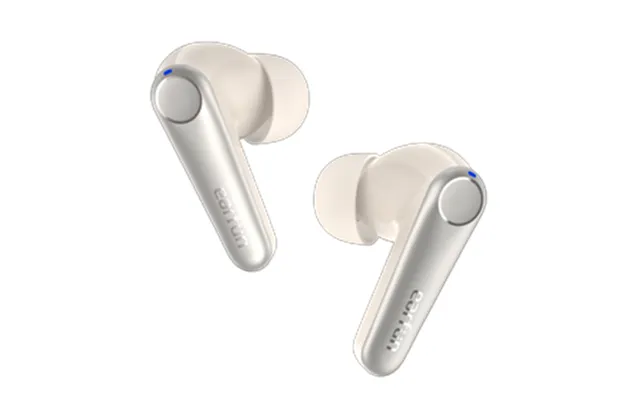
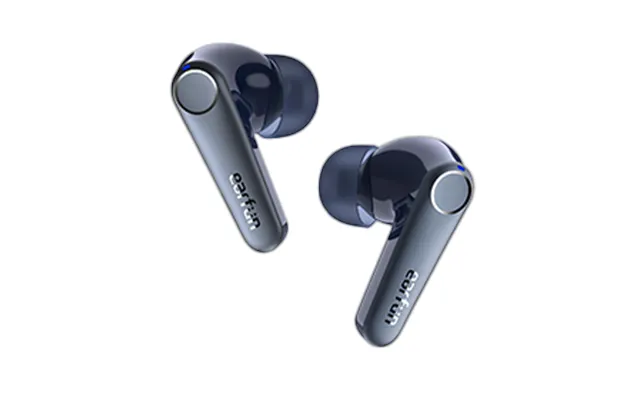
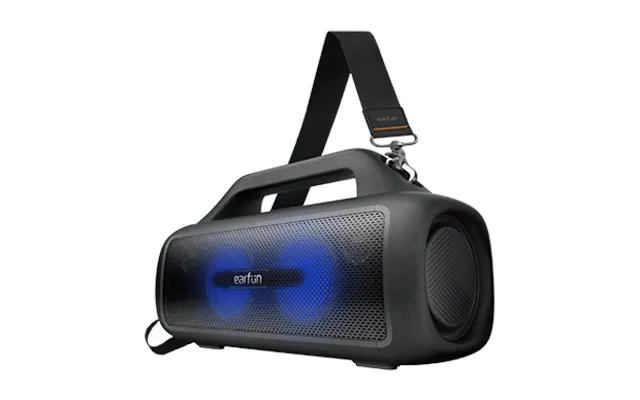
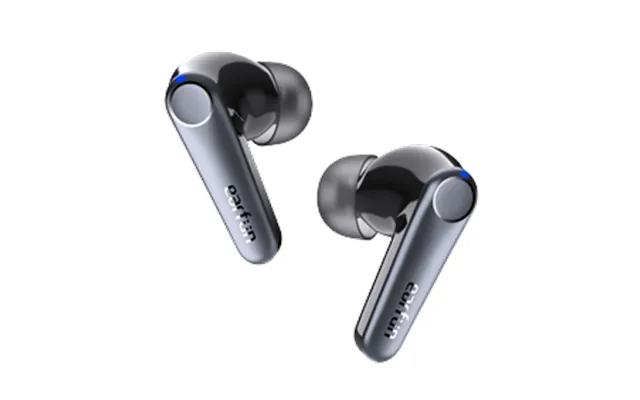
EarFun price list
Last updated Tuesday, Oct 20, 2026
| EarFun | Price |
|---|---|
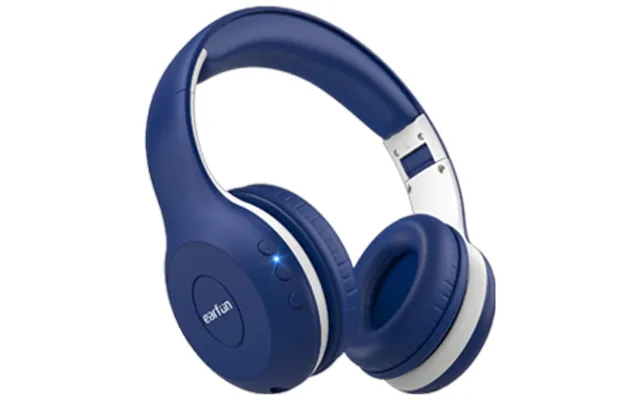
| Earfun K2 - Blue | $22.99 |
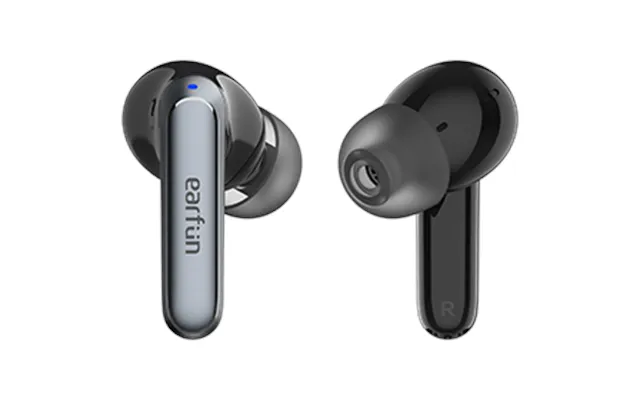
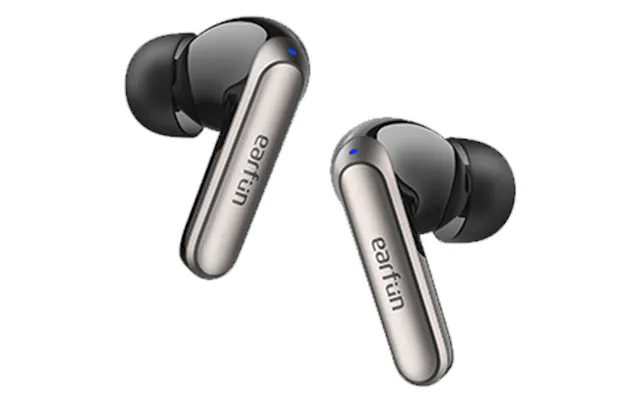
| Earfun Air 2 - Black | $49.99 |
| Earfun Air 2 - White | $49.99 |
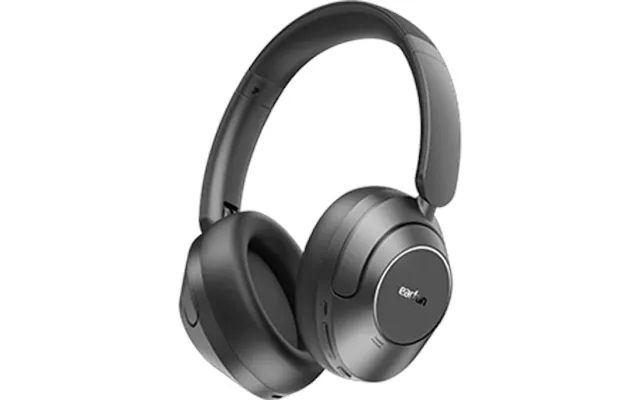
| Earfun Wave Pro - Black | $79.99 |






| Store | Status | today | distance |
|---|
Loading...
Loading...
Last updated Tuesday, Oct 20, 2026
| EarFun | Price |
|---|---|
| Earfun K2 - Blue | $22.99 |
| Earfun Air 2 - Black | $49.99 |
| Earfun Air 2 - White | $49.99 |
| Earfun Wave Pro - Black | $79.99 |
EarFun has become a familiar name in the United States wireless audio market. The brand sells true wireless earbuds, over-ear headphones, portable speakers, and related accessories through its online store and major retail platforms. Its rise is easy to understand: EarFun focuses on features that shoppers want, such as active noise cancellation, long battery life, water resistance, wireless charging, and strong sound quality, while keeping prices below many famous premium brands.
Yet EarFun is more than another budget electronics label. Its story reflects a major change in the American audio market. A few years ago, buyers often had to choose between inexpensive earbuds with limited performance and costly products from brands such as Apple, Bose, Sony, or Sennheiser. EarFun entered the space between those two choices. It aimed to offer useful modern technology without making customers pay a premium for a famous logo.
For US shoppers, the brand is now part of a crowded but exciting category. EarFun competes with Soundcore by Anker, JLab, JBL, TOZO, Skullcandy, Sony, and several newer direct-to-consumer audio companies. Comparing these brands helps explain where EarFun came from, how it built its reputation, and why it continues to attract attention from value-conscious listeners.
EarFun was established in 2018, during a period when wireless earbuds were moving from a niche product to a mainstream accessory. The launch arrived at an important moment. Smartphone makers were removing headphone jacks, commuters wanted fewer cables, and consumers were becoming more comfortable with Bluetooth audio.
The company developed its identity around affordable wireless sound. Rather than competing only through low prices, EarFun placed emphasis on product design, audio tuning, comfort, and practical features. That approach gave the brand a clearer purpose than simply offering the cheapest earbuds on an online marketplace.
In its early stage, EarFun relied heavily on online commerce and digital product discovery. This model allowed the company to reach customers in the United States without building a large network of physical stores. Online retail also made it easier to collect reviews, respond to customer feedback, and release updated models at a quick pace.
The brand’s name began appearing more often in technology reviews and buyer guides. Positive attention usually centered on the same combination: respectable sound, a generous feature list, and a price that felt accessible. In a market where shoppers often compare specifications line by line, that formula mattered.
EarFun entered the US market when buyers were ready for alternatives. Apple had helped popularize true wireless earbuds, but AirPods were not affordable for every customer. At the other end of the market, many very cheap earbuds offered poor microphones, weak battery life, unreliable connections, or uncomfortable designs.
EarFun found room in the middle. Its products generally aimed to feel more complete than basic budget earbuds while remaining less expensive than flagship models. Think of the strategy as building a bridge: one side offered low cost, the other offered high-end performance, and EarFun tried to make the crossing comfortable for everyday users.
EarFun’s growth in the United States has been closely tied to e-commerce. Its official US-facing online store gives customers a direct way to browse products, compare specifications, find promotions, and access support information. The company has also used large online marketplaces and retail partners to place its products in front of more shoppers.
This online-first model suits the type of customer who researches before buying. A shopper can read reviews, watch demonstrations, compare battery ratings, and check return information without visiting a store. EarFun benefits from that process because its strongest selling points are easy to display on a product page.
Promotional pricing has also played a role. EarFun products are frequently positioned as affordable alternatives, and discounts can make them even more attractive during major US shopping periods. Events such as holiday sales, back-to-school promotions, and online shopping campaigns create valuable opportunities for the brand.
Still, price alone does not explain the company’s progress. The American audio market is full of inexpensive products. EarFun has had to create trust. Reviews, warranty information, software support, and consistent design language all help reduce the risk of buying from a less established name.
EarFun has benefited from the way consumers now discover electronics. Many buyers search for terms such as “best wireless earbuds under $100,” “best noise-canceling earbuds,” or “EarFun versus Soundcore” before making a decision. Product reviews and comparison articles can place a smaller brand beside much larger competitors.
That visibility matters because consumers may not recognize every name on a store shelf. A detailed review can explain how earbuds sound, how well they fit, whether the microphone works outdoors, and whether the app is useful. These real-world details often matter more than a long list of technical specifications.
EarFun’s product range includes true wireless earbuds, open-ear designs, over-ear headphones, and portable Bluetooth speakers. The exact lineup changes over time, but the brand usually aims to cover several budgets and listening habits.
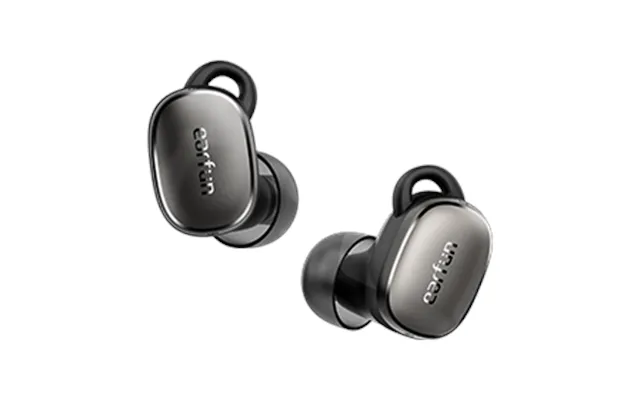
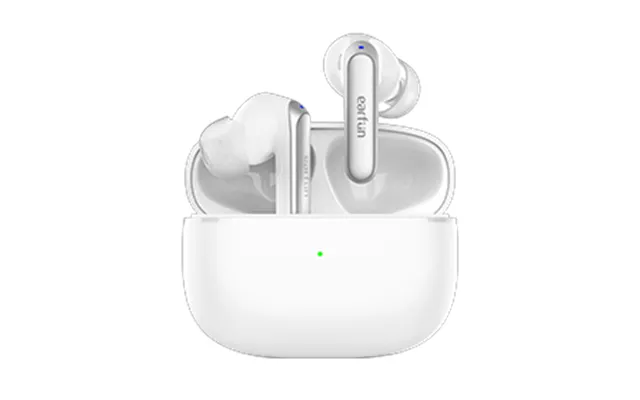
True wireless earbuds remain the center of its US business. These small devices appeal to commuters, students, office workers, gym users, and travelers. Features commonly associated with EarFun models include active noise cancellation, transparency modes, multiple microphones, touch controls, app support, and charging cases with extended battery capacity.
Active noise cancellation is especially important. It uses microphones and electronic processing to reduce outside sounds, such as engine noise, air-conditioning hum, or chatter in a busy room. EarFun often brings this feature to products that cost less than premium competitors. Performance can vary between models, but the availability of the feature improves the brand’s value proposition.
Battery life is another strong selling point. Many consumers do not want to charge their earbuds every few hours. EarFun products often advertise substantial total listening time when the charging case is included. Buyers should remember that actual battery life depends on volume, noise cancellation, codec use, and other settings, but the general focus is clear: fewer charging interruptions.
Specifications attract attention, but comfort and sound determine whether people keep using earbuds. EarFun generally tunes its products for enjoyable daily listening rather than a highly specialized studio audience. Many models emphasize a lively presentation with clear vocals and noticeable bass.
That approach works well for popular music, podcasts, videos, and casual gaming. Listeners who prefer a flat, highly neutral sound may want to adjust the equalizer through the companion app, when supported. Fit also varies from person to person, so customers should consider ear tip options and return policies before purchasing.
Water and sweat resistance can make a model more practical for exercise and outdoor use. However, resistance ratings do not mean a product is waterproof in every situation. Users should follow the manufacturer’s guidance and avoid treating earbuds as swimming equipment.
Soundcore by Anker is one of EarFun’s closest competitors in the United States. Both brands offer feature-rich wireless audio at prices below the premium tier. Both also benefit from strong online visibility and a wide selection of earbuds and headphones.
Soundcore often has an advantage in brand recognition because Anker already has a large presence in chargers, power banks, and other consumer electronics. Its audio range is broad, from inexpensive earbuds to more advanced headphones. The Soundcore app is also frequently praised for its controls, equalizer options, and product support.
EarFun competes by offering a similar feature list, sometimes at a lower sale price. A shopper may find EarFun attractive when active noise cancellation, wireless charging, or long battery life is available for less money. Soundcore may appeal more to buyers who want a mature ecosystem and a particularly wide catalog.
Neither brand wins every comparison. One EarFun model may deliver better value than a similarly priced Soundcore model, while another Soundcore product may offer stronger app features or a more refined design. The best choice depends on the specific model, not only the logo on the case.
JLab is another important US market competitor. The brand is known for affordable earbuds, simple designs, and broad availability in American retail stores. JLab often appeals to shoppers who want an easy purchase from a familiar local retailer. Its products are visible in electronics departments, airports, and major stores.
Compared with JLab, EarFun may place more emphasis on advanced features per dollar. Depending on the model, EarFun can offer stronger noise cancellation, higher-end Bluetooth support, or more detailed control options. JLab, however, can benefit from retail convenience and a straightforward product lineup.
TOZO competes in an even more direct budget space. It has earned online attention through low prices and a large range of true wireless earbuds. TOZO can be appealing to buyers who want a basic pair for calls, commuting, or backup use.
EarFun usually tries to present a more polished experience. Its products often target customers who are willing to spend a little more for improved audio, better construction, extra microphones, or more complete software support. In simple terms, TOZO may win the lowest-price contest, while EarFun often aims for the stronger balance of price and performance.
JBL has a long history in audio and a powerful presence in US stores. Its products benefit from strong brand awareness, recognizable styling, and a broad range that includes speakers, headphones, and earbuds. JBL may be the safer choice for shoppers who value local retail access and an established name.
EarFun can challenge JBL on value, particularly during promotions. A customer may receive comparable headline features at a lower price. JBL, on the other hand, may offer advantages in retail support, product familiarity, and broader lifestyle branding.
Skullcandy has built a strong following among younger listeners and shoppers who enjoy energetic sound, bold design, and casual style. Its earbuds and headphones are widely available in the United States. EarFun’s designs are usually more understated, making them a better match for buyers who prefer a quiet, practical appearance.
Sony occupies several parts of the market, from affordable models to premium noise-canceling headphones. Its high-end products are often recognized for sophisticated noise control, refined sound, and strong comfort. EarFun cannot always match Sony’s processing quality or premium materials, but it can offer many of the same basic features at a much lower cost.
This is where EarFun’s position becomes clear. It does not need to beat Sony in every technical category. It only needs to give ordinary listeners enough performance that the price difference feels difficult to justify.
Apple and Bose represent two powerful premium alternatives. Apple’s AirPods work especially well within the Apple ecosystem. Quick pairing, device switching, voice assistant access, and tight integration with iPhone software make them convenient for many users.
EarFun offers broader compatibility and generally lower prices. Android users, Windows users, and shoppers who do not need Apple-specific features may see greater value in EarFun. The trade-off is that EarFun does not offer the same ecosystem integration or social familiarity as AirPods.
Bose is known for comfortable headphones and highly effective noise cancellation. Its products often target travelers, professionals, and listeners who are willing to pay for premium performance. EarFun competes by bringing noise reduction and comfortable everyday listening to a more accessible price range.
The comparison is not simply about “cheap versus expensive.” It is about priorities. If you want the strongest noise cancellation, the smoothest device integration, or luxury materials, premium brands may deserve the extra cost. If you want useful features without a large investment, EarFun becomes much more compelling.
The EarFun store serves customers who prefer to shop directly online. Product pages typically focus on key features, technical details, images, compatibility information, and purchase options. This direct format makes it easy to compare earbuds by design, price, and intended use.
Before ordering, US shoppers should review shipping terms, return rules, warranty coverage, and customer support channels. These details are important with any online electronics purchase. A low price matters less if returning a defective product becomes difficult.
Customers should also check whether a discount applies automatically or requires a promotional code. Prices can change quickly during online campaigns. Comparing the official store with authorized marketplace listings may reveal differences in shipping speed, return convenience, or available bundles.
Start with the fit. In-ear earbuds are not universal, and even excellent sound will not help if the ear tips feel loose or painful. Next, consider your environment. A commuter may value active noise cancellation, while an office worker may prefer a strong transparency mode for hearing nearby conversations.
Call quality deserves attention too. Earbud microphones can perform well indoors but struggle with wind and traffic. If you take frequent work calls, look for independent microphone tests rather than relying only on the product description.
Finally, consider software. Some EarFun models support an app that allows equalizer changes, firmware updates, and control customization. That can extend a product’s usefulness, but app support may differ between models. Always check the exact version before ordering.
EarFun operates in a difficult category. New wireless audio products appear constantly, and established brands can spend heavily on advertising. Consumers may also hesitate when they do not recognize a company, especially when premium alternatives are available at major stores.
Product naming can create another challenge. Earbud lineups often contain several models with similar names, making comparisons harder. Clear product positioning helps customers understand which model suits exercise, travel, gaming, phone calls, or everyday listening.
Long-term trust is equally important. A brand can win attention with one excellent product, but it must maintain firmware support, warranty service, quality control, and reliable customer care. EarFun’s future growth in the United States will depend not only on new features, but also on how confidently customers recommend the brand to friends.
The US wireless audio market will continue to evolve. Buyers now expect more than basic Bluetooth playback. They want smarter noise cancellation, better voice calls, stronger battery performance, low-latency gaming modes, multipoint connections, and comfortable designs for long sessions.
EarFun is well placed to follow these trends because its core strategy already centers on practical innovation at accessible prices. The company can continue attracting customers if it improves sound quality while keeping controls simple and products dependable.
Open-ear audio may also create new opportunities. These designs let users hear surrounding sounds while listening, which can help during outdoor walks, cycling, or office work. At the same time, portable speakers and hybrid headphones can give EarFun a wider role in the daily lives of US consumers.
The biggest opportunity is trust. If EarFun can become known not only for good deals but also for dependable ownership, it may move from “smart budget option” to a major mainstream audio brand. That change takes time, but the company has already built a useful foundation.
EarFun’s history in the United States shows how a focused online audio brand can challenge much larger competitors. It entered at the right time, used e-commerce to reach shoppers, and built products around features that people actually use.
Its greatest strength is balance. EarFun does not always deliver the absolute best sound, the strongest noise cancellation, or the most polished app. However, it often combines several desirable features at a price that feels fair. That balance is valuable. Most listeners are not recording an album in a studio; they are commuting, answering calls, watching videos, exercising, and enjoying music during ordinary days.
Compared with Soundcore, JLab, TOZO, JBL, Skullcandy, Sony, Apple, and Bose, EarFun occupies a flexible middle ground. It offers more ambition than many basic budget brands and a lower entry price than premium leaders. For US shoppers willing to compare individual models instead of chasing the biggest logo, the EarFun store can be a practical place to find capable wireless audio.
The brand’s journey is still developing, but its direction is clear. EarFun wants modern audio technology to feel approachable. If it continues to pair honest pricing with dependable products and useful innovation, it can remain a serious competitor in the United States wireless audio market.