


DeerRun price list
Last updated Saturday, Oct 17, 2026





| Store | Status | today | distance |
|---|
Loading...
Loading...
Last updated Saturday, Oct 17, 2026
DeerRun has become a familiar name for US shoppers looking for home fitness equipment, especially treadmills and walking machines. The brand speaks to a clear need: people want to exercise at home without paying gym fees, driving across town, or waiting for a machine to open. Its products are designed for everyday users who want a practical way to walk, jog, or run indoors.
But what is the history of DeerRun in the United States? How did the brand gain attention, and how does it compare with better-known competitors such as NordicTrack, Horizon Fitness, Sunny Health & Fitness, WalkingPad, and Peloton? The answer is not quite the same as the story of an old-fashioned retail chain. DeerRun is better understood as a modern direct-to-consumer fitness brand that grew through online shopping, marketplace sales, compact product design, and value-focused pricing.
This article explores DeerRun’s development in the US market, its product strategy, customer appeal, strengths, weaknesses, and position among competing fitness stores. If you are considering a DeerRun treadmill, this guide will help you view the brand in context rather than judging one product in isolation.
Unlike companies with a long chain of physical stores, DeerRun does not have a widely documented public timeline covering every stage of its founding. Its American presence has largely developed through e-commerce rather than through a large network of branded showrooms. That matters because the brand’s history is tied to the way people shop today.
Online fitness retail changed quickly during the 2010s and early 2020s. Buyers began searching for treadmills on large marketplaces, comparing prices, reading reviews, watching product videos, and ordering equipment directly for home delivery. DeerRun entered this environment with products aimed at customers who wanted basic, useful exercise equipment without the premium cost linked to luxury fitness brands.
The brand’s name became associated with compact treadmills, under-desk walking machines, foldable models, and entry-level running equipment. This product focus helped DeerRun find a place in a crowded market. It did not need to convince every customer that it was the most advanced fitness company in America. Instead, it could focus on a simpler message: home walking and running should be more accessible.
DeerRun benefited from a broad shift in American fitness habits. For years, gyms dominated the exercise conversation. Then home workouts became more common. People started building small fitness corners in bedrooms, garages, offices, and apartments. A full-size treadmill was no longer the only option. A slim walking pad could slide beneath a desk or stand upright against a wall.
This change created room for brands that understood space, price, and convenience. DeerRun products often target customers who may be new to home fitness. A first-time buyer may not need a machine with a giant screen, live coaching, or advanced performance data. They may simply want to walk while watching television or complete a short run before work.
That practical approach helped DeerRun stand apart from brands that sell a complete lifestyle around exercise. Its appeal is less about prestige and more about access. Think of it as the difference between buying a dependable commuter car and buying a luxury sports car. Both can move you forward, but they serve different expectations.
DeerRun’s rise in the United States reflects the power of digital retail. Instead of depending mainly on shopping malls or specialist fitness showrooms, the brand can reach buyers through online product pages, search results, social media, and major e-commerce platforms. This model reduces some traditional retail costs and allows customers to shop from home.
Online visibility is especially important for large products such as treadmills. Shoppers often begin with searches like “best affordable treadmill,” “walking pad for home,” or “folding treadmill for small spaces.” DeerRun competes for these searches by offering several types of machines at different prices and sizes. Product photos, specifications, user reviews, shipping details, and return policies all influence the final decision.
The brand also benefits from a growing interest in walking. Running receives plenty of attention, but walking is more approachable for many people. It can support daily movement, help users build consistency, and fit into a busy schedule. A walking treadmill does not promise a complete lifestyle transformation. It offers something more believable: a simple tool that makes movement easier to repeat.
Space is one of DeerRun’s most important selling points. Many US homes and apartments do not have a dedicated gym room. A large commercial treadmill can feel overwhelming in a small living area. Compact treadmills and walking pads answer that concern with lighter frames, folding features, transport wheels, and lower profiles.
Some DeerRun models are designed for use under or near a standing desk. Others are built for more conventional walking and jogging. This variety allows the brand to speak to office workers, apartment residents, older adults, beginners, and families that want a machine for occasional use.
Still, compact does not mean perfect for every user. A smaller treadmill may have a shorter belt, a lower maximum speed, or less cushioning than a full-size running machine. Before buying, shoppers should compare belt dimensions, weight limits, motor information, incline options, noise levels, and storage needs. A machine that suits a casual walker may frustrate a tall runner who takes long strides.
DeerRun is most closely linked with treadmills, but the broader category includes several distinct product types. Understanding these categories makes comparison easier and helps shoppers choose based on real needs rather than attractive photographs.
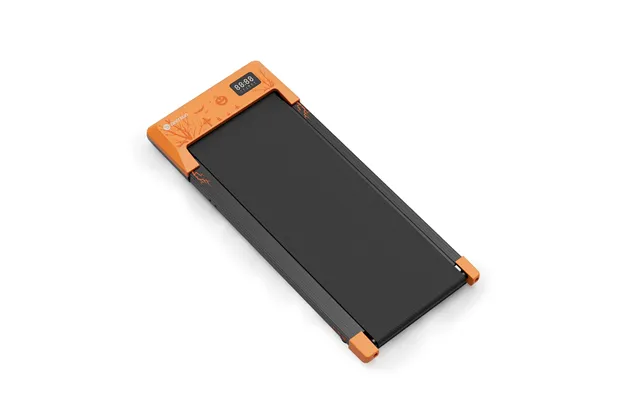
Walking pads are usually slim and simple. They are designed for walking rather than high-speed running, although exact capabilities vary by model. Many users place them in home offices, under standing desks, or in living rooms. Their small footprint is a major advantage, especially when storage space is limited.
For people who sit for long periods, a walking pad can make light activity easier to add during the day. It may be useful during a phone call, a television program, or a short work break. However, users should pay attention to posture and concentration. Walking while working can be helpful for simple tasks, but it may reduce focus during complex work.
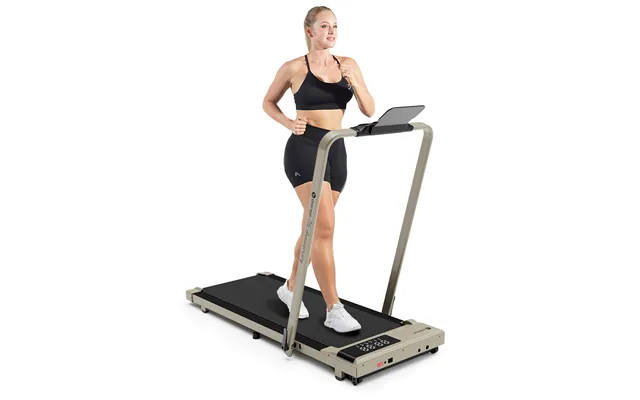
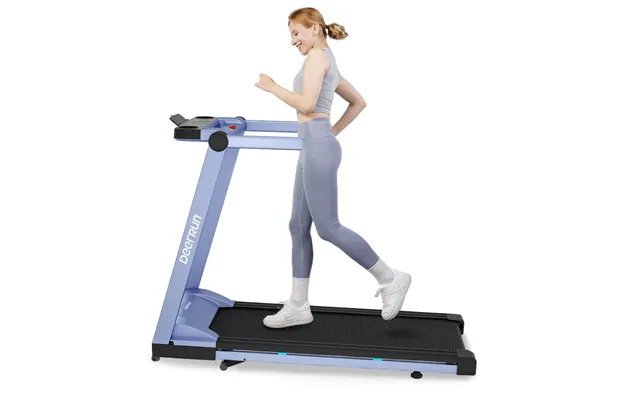
Folding DeerRun treadmills are aimed at shoppers who want more than a walking pad. These models may offer handrails, higher speed settings, stronger frames, and a more familiar treadmill shape. They can support walking and jogging, while some are suitable for moderate running depending on the model.
The folding design saves room, but buyers should measure both the operating space and the folded storage area. A treadmill may fold neatly, yet still require clearance around the belt during use. It is also wise to check whether the machine is easy to move. A product described as portable may still feel heavy on carpet or stairs.
DeerRun treadmills commonly compete through practical features such as speed controls, displays, remote controls, phone connectivity, preset programs, and fitness tracking. These features can make a machine more enjoyable, but they should not distract from the basics.
Motor performance, belt size, stability, construction quality, and customer support are more important than a long list of digital extras. A bright display is nice. A stable belt and clear warranty are better. Smart features should support the workout, not become the workout’s main attraction.
NordicTrack occupies a more premium position in the US fitness market. Its treadmills often connect with interactive training platforms and guided workout content. The brand appeals to people who enjoy structured programs, instructor-led sessions, performance tracking, and a more immersive exercise experience.
DeerRun generally competes with a lower purchase price and a simpler user experience. A customer who wants to walk for 30 minutes without a subscription may prefer DeerRun. Someone who wants a large touchscreen, live classes, incline changes, and a full training ecosystem may lean toward NordicTrack.
The difference is not simply about quality. It is about ownership style. NordicTrack asks customers to consider a more complete fitness system. DeerRun usually presents the treadmill as the central product. That can make DeerRun easier to understand and less expensive at the starting point, while NordicTrack may offer deeper motivation for users who enjoy guided training.
Horizon Fitness is another important comparison for US treadmill buyers. Horizon has built a reputation around home cardio equipment, including treadmills designed for walking, jogging, and running. Its product range often includes sturdier machines with stronger frames and more traditional treadmill features.
Compared with DeerRun, Horizon may appeal more to serious home users who expect frequent workouts and want a larger running surface. DeerRun can be more attractive to beginners, casual walkers, apartment residents, and shoppers with tighter budgets or less available space.
Horizon’s advantage may appear in stability, belt length, and long-term use on selected models. DeerRun’s advantage is often its compact design and accessible online pricing. A buyer should ask a direct question: will this machine be used for occasional walking, or will several people run on it every week? The answer may point toward different brands.
Sunny Health & Fitness is one of DeerRun’s closest competitors in the value segment. Sunny offers a wide range of fitness products, including treadmills, exercise bikes, rowing machines, strength equipment, and accessories. Its broad catalog gives shoppers many ways to build a home gym.
DeerRun and Sunny both appeal to buyers who want useful equipment without paying premium-brand prices. The comparison often comes down to model details, current discounts, warranty terms, shipping, and customer reviews. One brand may offer a better option at one price point, while the other may win in a different category.
Sunny’s larger product ecosystem can be helpful for customers who want matching equipment. DeerRun may be more appealing to someone focused mainly on a compact treadmill or walking pad. In this part of the market, the brand name is only the starting point. Compare the individual machine carefully.
WalkingPad has become strongly associated with stylish, compact walking machines. Its products often target design-conscious users who want a treadmill that blends into a home office or modern apartment. The brand emphasizes portability, folding concepts, and a clean appearance.
DeerRun competes in the same general space but may attract shoppers who prioritize price and model variety. WalkingPad can be a strong choice for buyers who value compact engineering and polished design. DeerRun may offer a more budget-friendly route to similar basic activity goals.
Neither brand should be judged only by appearance. Check the walking surface, speed range, user weight rating, control method, noise, warranty, and repair process. A slim machine can look impressive in a product photo yet feel less comfortable if the belt is too short for your stride.
Peloton represents a very different business model. Its appeal centers on premium hardware, instructor-led classes, brand community, and a polished digital experience. Peloton customers often buy more than exercise equipment. They buy motivation, entertainment, progress tracking, and a sense of participation.
DeerRun is usually a more straightforward purchase. It can serve someone who wants an affordable treadmill for independent workouts. There may be no need for an expensive membership or a large screen. That makes DeerRun practical for users who already know how they want to exercise.
Peloton may be the stronger choice for someone who struggles to stay motivated alone and enjoys class-based training. DeerRun may be the better fit for someone who wants control, simplicity, and lower ongoing costs. Neither approach is automatically superior. The right choice depends on what keeps you moving after the novelty fades.
DeerRun’s biggest strength is accessibility. The brand helps lower the barrier to owning a treadmill. Buyers can often find compact models that fit smaller homes and budgets. That combination is powerful because cost and space are two of the most common reasons people avoid home fitness equipment.
Another strength is product variety. A shopper may choose a basic walking pad, a folding treadmill, or a model with features suited to more active use. This gives the brand room to serve different levels of experience without forcing every customer into the same design.
DeerRun also benefits from simple positioning. The brand is easy to understand. You do not need to join a special community or learn a complex platform before using the machine. Step on, select a comfortable speed, and begin. Sometimes that straightforward experience is exactly what people need.
Online buying can make DeerRun convenient for US shoppers. Customers can compare specifications at home, read reviews, watch demonstrations, and arrange delivery without visiting a fitness store. Promotional pricing can also make the initial purchase attractive.
However, the lowest listed price is not always the lowest total cost. Delivery, assembly, accessories, extended warranties, replacement parts, and possible repair needs all matter. A smart buyer looks beyond the sale banner. Value means paying a fair amount for a machine that fits the intended use and remains supportable over time.
DeerRun’s value-focused position also creates limits. Some budget treadmills use lighter materials or smaller motors than premium machines. They may work well for walking and light jogging but may not be ideal for intense daily running. Durability can vary by model, so customers should study independent reviews and user feedback.
Customer support is another area to examine. Before buying, review the warranty length, what the warranty covers, how claims are handled, and whether replacement parts are available in the United States. Large fitness equipment is difficult to return compared with a pair of shoes. A clear service process can save considerable stress later.
Assembly deserves attention too. Even a compact treadmill may arrive in a heavy box. Some models require basic setup, while others need more work. If you live in an apartment, check delivery conditions and plan where the equipment will go before placing the order.
Start with your exercise goal. If you want gentle walking while working, a walking pad may be enough. If you plan to jog regularly, look for a longer belt, handrails, better cushioning, and a frame that feels stable. If several people will use the treadmill, choose specifications that suit the strongest and tallest user.
Measure your room carefully. Leave space behind and beside the treadmill for safe movement. Do not assume that folding means invisible. The machine still needs a practical storage location, access to power, and enough room to operate without hitting furniture.
Next, compare the numbers that affect comfort. Belt length and width influence stride. Maximum speed determines whether the machine matches your training. Weight capacity provides a useful guide to frame strength, although it should not be treated as the only quality measure. Noise matters if you live above another apartment or share your home with family.
Finally, compare the total ownership experience. Look at the warranty, return policy, customer service, delivery method, and maintenance instructions. A treadmill is not just a box with a motor. It is a long-term household item, and reliable support can matter as much as the initial price.
The US demand for convenient home fitness is unlikely to disappear. People continue to seek flexible exercise options that fit remote work, busy families, small homes, and changing schedules. DeerRun is well placed in this environment because its products focus on compact equipment and everyday affordability.
Future growth may depend on more than adding new treadmill models. The brand could strengthen its position through clearer product naming, better educational content, dependable service, improved warranty communication, and stronger after-sales support. In a crowded market, trust becomes a major advantage.
Customers are also becoming more informed. They want honest performance claims, realistic assembly details, and transparent return policies. Brands that explain who a product is for—and who should avoid it—often earn more credibility than brands that promise everything to everyone.
DeerRun’s place in the American market is therefore clear but specific. It is not trying to be every kind of fitness company at once. Its strongest identity is as an accessible online brand for people who want practical home walking and running equipment. That focus gives it a useful role among US fitness stores and e-commerce sellers.
DeerRun’s history in the United States is a story of modern retail rather than a long chain of brick-and-mortar locations. The brand grew alongside online shopping, compact home gyms, and the demand for affordable exercise equipment. Its treadmills and walking pads appeal to customers who want convenience without the price or complexity of a premium fitness system.
Compared with NordicTrack and Peloton, DeerRun is simpler and more budget focused. Compared with Horizon, it may appeal more to casual users and smaller spaces. Compared with Sunny Health & Fitness and WalkingPad, the decision often depends on exact model features, service, price, and design. The best choice is not always the most famous name. It is the machine that matches your body, room, budget, and real exercise habits.