


Check My Body Health price list
Last updated Saturday, Nov 28, 2026
| Check My Body Health | Price |
|---|---|
| Essentials Food Sensitivity Test | $49.99 |
| Complete Food Sensitivity Test | $54.99 |




| Store | Status | today | distance |
|---|
Loading...
Loading...
Last updated Saturday, Nov 28, 2026
| Check My Body Health | Price |
|---|---|
| Essentials Food Sensitivity Test | $49.99 |
| Complete Food Sensitivity Test | $54.99 |
Choosing a food sensitivity test can feel confusing. Different packages may cover different numbers of foods, use different result formats, and suit different goals. Check My Body Health offers several testing options designed around those differences. In the US, the store gives shoppers a way to compare a focused test with broader food sensitivity packages before deciding which option fits their needs.
This guide looks at the Check My Body Health range using the available store data. It explains what each listed test offers, how the packages differ, and what to consider before ordering. It also places the store in the wider US market at a general level, without making unsupported claims about competitors, medical outcomes, shipping, or customer ratings.
Check My Body Health is an online store focused on food sensitivity testing. Its listed products use different test sizes, from a package covering 286 foods and drinks to options covering more than 650 or 990 items. This gives shoppers a simple starting point: do you want a narrower snapshot, a mid-range overview, or the broadest listed panel?
The store’s product range is built for people with different levels of interest. Someone beginning to explore food sensitivities may prefer the Essentials Food Sensitivity Test. A shopper seeking a wider look may choose the Complete Food Sensitivity Test. The Food Sensitivity Test provides a separate format with results organized into red, yellow, and green categories.
As with any health-related purchase, a test result should be treated as information to discuss and understand carefully. The store data describes the products and their testing features, but it does not provide a diagnosis or guarantee a specific health result.
The main difference between the three listed products is the number of items tested, the price, and the way the results are described. Comparing these points side by side can make the choice easier.
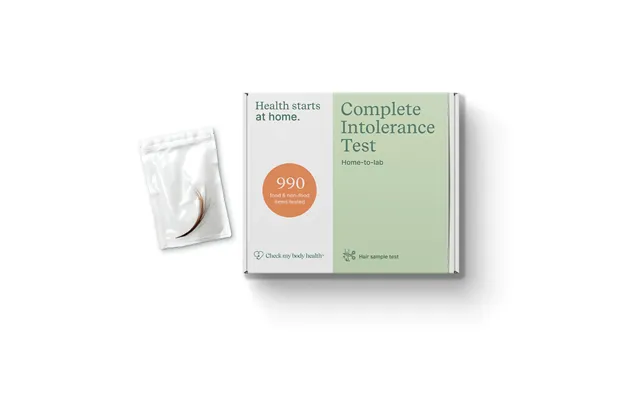
The Complete Food Sensitivity Test is the broadest option listed by Check My Body Health. It tests over 990 items and includes added focus on additives and digestive responses, according to the supplied product description. Its listed price is $54.99.
This package may appeal to shoppers who want the widest overview among the available options. Think of it as using a wide-angle lens rather than a close-up view. It may be useful for someone who wants to review a large range of possible food-related responses in one test.
The product description does not provide a detailed item-by-item list of the more than 990 items. If a particular food, ingredient, or additive matters to you, check the product information directly before ordering.
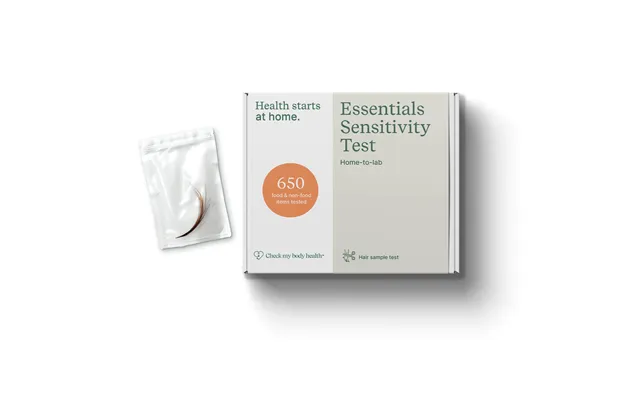
The Essentials Food Sensitivity Test covers over 650 items and is listed at $49.99. The product description presents it as a choice for people beginning their wellness journey or looking for a budget-friendly sensitivity snapshot.
With more than 650 items tested, this is not a minimal panel. At the same time, it covers fewer items than the Complete Food Sensitivity Test. That makes it a middle option in the listed range: broader than a small introductory screen, but more focused than the largest package.
For shoppers comparing the two package-style tests, the price difference between the Essentials and Complete options is $5 based on the supplied prices. The better choice depends on whether the additional coverage and focus on additives and digestive responses are important to you.
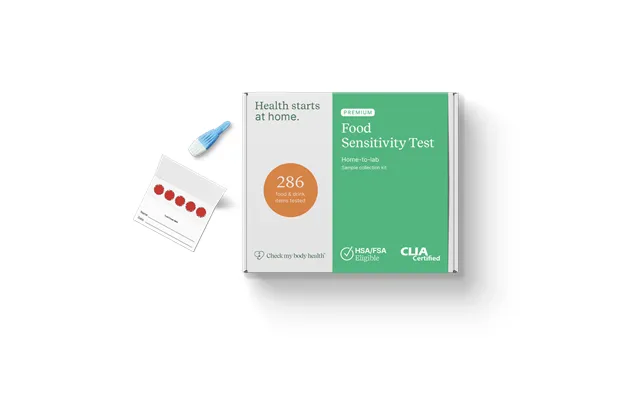
The separately listed Food Sensitivity Test tests IgG reactions to 286 foods and drinks. A tiny finger-prick sample is used, and the results are sorted into red, yellow, or green categories. The product description says results are sent to the customer’s inbox within three business days and that the testing uses ELISA technology.
This test has a listed price of $229.99, which is higher than the two other listed products. The product descriptions do not explain every reason for the price difference, so shoppers should compare the test format, coverage, result presentation, and included details rather than looking only at the item count.
The color system may feel easy to understand because it turns a list of results into clear groups. Still, simple categories do not replace careful interpretation. If you have ongoing symptoms or concerns, consider discussing your results with a qualified healthcare professional.
There is no single best test for every shopper. The right option depends on how broad a review you want, how you view the listed price, and whether you prefer a result format with color-coded categories.
The Complete Food Sensitivity Test is the clearest fit for someone who wants the widest listed coverage. It tests over 990 items, making it the largest panel among the three products in the supplied data. Its description also mentions additives and digestive responses, which may matter to shoppers looking beyond basic food categories.
The Essentials Food Sensitivity Test is positioned as a starting option. It tests over 650 items and has a listed price of $49.99. If you want a broad snapshot without selecting the largest package, this option may be worth comparing with the Complete test.
The Food Sensitivity Test may suit shoppers who prefer results grouped into red, yellow, and green. It covers 286 foods and drinks, uses a finger-prick sample, and lists results within three business days. Its higher listed price means it should be considered on its full format and described features, not only on the number of foods covered.
The US market includes different types of health and wellness testing services, so comparison requires care. Some services may focus on food-related testing, while others may cover different kinds of wellness information. Without reference data for specific competing stores, it would not be accurate to claim that Check My Body Health is cheaper, faster, more reliable, or broader than named competitors.
A useful general comparison starts with the details that shoppers can verify. Look at the number of items included, the sample method, how results are presented, the stated turnaround time, the price, and the level of product information. These details act like a checklist and help prevent a package from sounding better simply because it uses a larger marketing phrase.
Check My Body Health stands out in the supplied range because it offers three clearly different coverage levels. The two lower-priced listed options cover over 650 and over 990 items, while the separate $229.99 test covers 286 foods and drinks and highlights color-coded results, IgG reactions, and ELISA technology. That structure gives shoppers more than one way to compare breadth and format.
However, the available data does not include competitor prices, competitor panels, independent ratings, or verified shipping information. A fair US market comparison should therefore stay at a general level. Before buying from any provider, review the current product page and consider whether the test’s method and result format match your needs.
Coverage is one of the easiest features to compare, but it should not be the only one. A test covering more items is not automatically the right choice for every person. The value depends on what is included, how results are explained, and what you plan to do with the information.
Check My Body Health lists three different coverage figures: over 990 items, over 650 items, and 286 foods and drinks. The first two descriptions use the word “items,” while the third refers specifically to foods and drinks. Because the wording differs, shoppers should avoid treating the numbers as a perfect scientific ranking without checking the full product details.
A broader panel may feel appealing if you are unsure what could be connected to your symptoms. On the other hand, a more focused panel may be easier to review. Imagine sorting three drawers: the largest drawer holds more possibilities, but it may also take longer to organize. The best choice depends on how much information you want to handle.
The listed Food Sensitivity Test uses a tiny finger-prick sample. Its description says the test analyzes IgG reactions to 286 foods and drinks. It also states that results arrive in the customer’s inbox within three business days and are grouped as red, yellow, or green.
The descriptions for the Essentials and Complete tests provide coverage details and general positioning, but they do not include the same level of information about sample collection or result timing. Do not assume that the process is identical across all three products. Confirm the current instructions for the specific test you choose.
Result categories can make information easier to scan, but they still need context. A color is a signpost, not a complete road map. Read the accompanying explanations carefully, and avoid making major dietary changes based only on a single result without suitable professional guidance.
The listed prices are $49.99 for the Essentials Food Sensitivity Test, $54.99 for the Complete Food Sensitivity Test, and $229.99 for the Food Sensitivity Test. These are the prices supplied in the reference data. No regular prices, discount codes, promotional offers, or sale dates are provided.
The two package-style tests are close in price, with a $5 difference between them. That makes coverage an important part of the decision. If the additional coverage of the Complete test matters to you, the small price gap may deserve attention. If you prefer the Essentials positioning, it offers a lower listed price and more than 650 items.
The separate Food Sensitivity Test costs substantially more than the other two listed options. Its description includes features not stated for the other products, including a finger-prick sample, IgG reaction analysis, color-coded results, a stated three-business-day result time, and ELISA technology. Compare the complete package details before deciding whether those features justify the higher price for your situation.
Start by confirming the exact test name. The product titles are similar, but the coverage and descriptions differ. A quick check can prevent you from selecting a broader or more specialized option than you intended.
Next, review the current product information for sample instructions, result delivery, included guidance, and any terms that apply to US orders. The reference data does not provide shipping details for Check My Body Health, so shipping costs, delivery areas, and delivery times should be confirmed directly before purchase.
It is also sensible to consider how you will use the result. Will you compare it with a food diary? Will you discuss it with a healthcare professional? Having a plan can make the information more useful and may reduce the temptation to remove many foods at once.
ZoneOffer is a comparison site, not a store. Its role is to help shoppers review available information and compare offers. The purchase itself relates to the listed retailer, so shoppers should verify the final product details, price, terms, and ordering process on the relevant store page before completing a transaction.
Comparison pages are most useful when you use them as a starting point. Check the panel size, price, testing format, and result information first. Then look for current details that may not appear in the comparison data. This two-step approach is like checking a map before beginning a journey and then watching the road signs along the way.
Check My Body Health offers a choice between broad coverage and a more specifically described testing format. The Complete Food Sensitivity Test covers over 990 items for a listed $54.99, while the Essentials Food Sensitivity Test covers over 650 items for $49.99. The separate Food Sensitivity Test covers 286 foods and drinks for $229.99 and includes details about a finger-prick sample, IgG reactions, color-coded results, ELISA technology, and a three-business-day result timeframe.
The strongest choice depends on what you value most: the largest listed panel, a lower-priced starting option, or a clearly described sample and result process. Compare the details calmly, confirm current terms for US orders, and treat test information as one part of a wider health conversation. When you look beyond the headline number, choosing becomes much easier.