

BlackboxMeats price list
Last updated Saturday, Oct 3, 2026
| BlackboxMeats | Price |
|---|---|
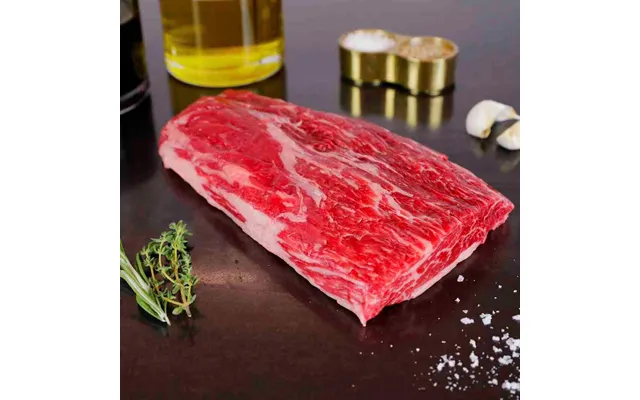
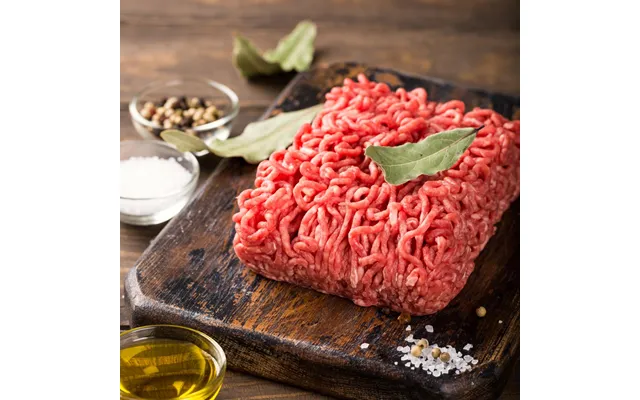
| Blackboxmeats Beef Ground Wagyu - 1lb | $13.00 |
| Blackboxmeats Lamb Rack - Domestic | $89.00 |



/background.webp)
/logo.webp)
| Store | Status | today | distance |
|---|
Loading...
Loading...
Last updated Saturday, Oct 3, 2026
| BlackboxMeats | Price |
|---|---|
| Blackboxmeats Beef Ground Wagyu - 1lb | $13.00 |
| Blackboxmeats Lamb Rack - Domestic | $89.00 |
BlackboxMeats is part of a major shift in the American food business: shoppers are no longer limited to the local butcher, supermarket counter, or restaurant supply store. Today, people can order premium meat online, compare prices from home, choose convenient delivery dates, and stock a freezer with cuts that once required a special trip. BlackboxMeats operates within this changing landscape, offering a meat-buying experience built around online convenience, specialty products, and home delivery.
Its story is not as widely documented as the history of large American brands such as Omaha Steaks, ButcherBox, or Snake River Farms. That point matters. Public information about BlackboxMeats is limited compared with older companies that have published long corporate timelines, built national advertising campaigns, or operated physical stores for decades. Therefore, the most responsible way to discuss the brand’s history is to place it in context rather than invent dates, founders, or claims that cannot be confirmed.
What we can examine is the business model behind BlackboxMeats, the consumer trends that helped create space for it, and the way it compares with similar meat retailers in the United States. Think of the brand as a product of several forces moving at once: online shopping, interest in quality protein, demand for transparent sourcing, and the desire to skip crowded stores. That combination has reshaped the American meat market.
To understand BlackboxMeats, it helps to look at how Americans traditionally bought meat. For most of the twentieth century, shoppers visited a supermarket, neighborhood butcher, farmers market, or warehouse club. The selection depended on local supply. A customer might ask for a specific steak, but the final choice was often shaped by what sat behind the counter that day.
Mail-order meat changed that pattern. Companies such as Omaha Steaks helped prove that beef, seafood, poultry, and gift packages could travel across the country. Their business model focused heavily on presentation, preservation, and gifting. A box of steaks could arrive for a birthday, holiday, or corporate thank-you. The box itself became part of the experience.
The internet later made direct meat sales easier to discover and manage. Online stores could show detailed product descriptions, bundle several cuts together, collect customer reviews, and send promotions without relying only on catalogs or television commercials. Cold-chain shipping also improved. Insulated packaging and dry ice made it more practical to send frozen or chilled products to homes in many parts of the country.
Direct-to-consumer meat companies remove several steps between the producer, seller, and buyer. That does not always mean the product is cheaper. It does mean the brand can control more of the customer journey. It can explain how a cut is sourced, present cooking guidance, and sell a bundle designed for a specific household.
This model also fits modern routines. A busy customer may not want to spend thirty minutes comparing packages in a supermarket. Another shopper may live far from a butcher who carries dry-aged beef, heritage pork, grass-fed products, or specialty sausages. Online ordering brings those options to the customer’s screen.
BlackboxMeats belongs to this broader movement. Its identity is tied to the idea that meat can be selected and delivered as a curated box rather than purchased only one item at a time from a traditional retail case.
BlackboxMeats appears to have developed as an online-focused meat retailer during the period when specialty food delivery became a normal part of American shopping. The brand name itself suggests a packaged experience: customers choose a selection, and the products arrive together in a box. That approach is simple, visual, and easy to understand.
Because the company has a smaller public footprint than major competitors, a precise chronological history is difficult to establish from widely available information. There is no reason to fill that gap with unsupported details. Instead, the useful question is this: what need does BlackboxMeats answer?
The answer is convenience with a specialty feel. The store is aimed at shoppers who want more than a basic supermarket purchase but may not want the commitment of a large subscription plan. It fits customers who enjoy grilling, meal preparation, hosting, gifting, or building a home supply of meat. In that sense, BlackboxMeats works like a bridge between the butcher shop and the online marketplace.
One of the strongest ideas in online meat retail is curation. Instead of asking shoppers to understand every cut, a company can create a box with a practical mix. A package might be designed for grilling season, family dinners, holidays, or high-protein meal planning.
Curation saves time, but it also creates a sense of discovery. Opening a meat box can feel a little like opening a toolbox: you see familiar items, then notice something you have not cooked before. That emotional element is important. Online food shopping is not only about price. It is about anticipation, convenience, and the hope that dinner will turn out well.
For BlackboxMeats, the box format can also make the brand easier to remember. A supermarket sells thousands of products under many names. A direct seller can make the packaging, product selection, and delivery moment part of one recognizable experience.
The growth of online meat delivery accelerated as American consumers became more comfortable ordering food online. Changes in shopping habits, improved shipping systems, and the wider use of home delivery all helped. During the COVID-19 era, many customers tried online grocery and food delivery for the first time. Some returned to stores later, but others kept ordering from home because the process was convenient.
That shift created a more competitive market. Meat companies no longer compete only on quality. They also compete on delivery speed, packaging, product information, customer service, refunds, portion size, and website design. A good steak can lose its appeal if it arrives late, thawed, poorly labeled, or difficult to cook.
BlackboxMeats operates in this demanding environment. Its success depends on more than the products inside the package. The complete experience matters. Can a shopper understand the offer quickly? Are shipping policies clear? Does the company explain whether meat arrives frozen or chilled? Are portions suitable for a family or a single cook? These practical details shape trust.
Meat delivery depends on a cold chain, meaning the product must remain at a safe temperature from storage to the customer’s door. Packaging may include insulated liners, gel packs, or dry ice, depending on the product and shipping method. Customers should always follow the seller’s handling instructions and check the condition of the order when it arrives.
This is one area where online meat stores face more pressure than ordinary retailers. A supermarket can replace a package immediately when a shopper returns to the service desk. An online seller must manage distance, weather, carrier delays, and delivery windows. Strong packaging and responsive support are not optional extras. They are central to the brand promise.
ButcherBox is one of the best-known subscription meat companies in the United States. Its central appeal is recurring delivery. Customers select a plan, and boxes arrive on a regular schedule. The service often emphasizes convenience, portion planning, and sourcing information. It appeals to households that want to keep a steady supply of meat without placing a new order every week.
BlackboxMeats may suit a different type of shopper. Rather than assuming every customer wants a continuing subscription, a box-focused retailer can appeal to people who prefer occasional purchases. That can be useful before a holiday, during grilling season, or when preparing for a family gathering.
The difference is similar to renting a regular grocery route versus visiting a specialty shop when you need something particular. ButcherBox is built around routine. BlackboxMeats can be more attractive to shoppers who value flexibility. Customers should compare minimum order requirements, shipping charges, box size, product variety, and cancellation terms before choosing either service.
Omaha Steaks has a long-standing place in the American mail-order food market. Its name is closely associated with steak gifts, holiday packages, prepared foods, and broad product selection. The company benefits from strong brand recognition and years of experience with shipping food nationwide.
BlackboxMeats competes in a more crowded digital era. Its opportunity is to appear focused, current, and direct. A newer online meat brand can communicate through social media, email, online recipes, and a clean shopping experience. It may also attract customers who want a less traditional presentation than the classic gift catalog model.
Omaha Steaks often works well for gift buyers who want a familiar name and a polished package. BlackboxMeats may appeal to shoppers looking for a more modern specialty-box experience. Neither model is automatically better. The right choice depends on whether the customer prioritizes brand familiarity, gifting, everyday use, product range, or a particular type of meat.
Snake River Farms occupies the premium end of the market. The brand is known for American Wagyu beef and high-end pork, including products designed for serious home cooks, restaurants, and special occasions. Its appeal centers on marbling, breed, production standards, and a luxury food experience.
BlackboxMeats should not be judged by exactly the same standard unless it offers a similar premium range. Snake River Farms is a specialist brand with a strong focus on premium quality and culinary prestige. BlackboxMeats is better understood as a broader online meat retailer whose value may come from selection, convenience, and box design.
For a celebration dinner or a steak-focused gift, Snake River Farms may be the stronger choice for customers who specifically want American Wagyu. For routine freezer stocking or a mixed package, BlackboxMeats could be more practical, depending on its current catalog and prices. Shoppers should look beyond labels and compare grade, weight, cut, origin, and total delivered cost.
Porter Road is known for a butcher-style approach, humanely raised meat, and careful product presentation. Its brand speaks to customers who care about sourcing, craft, and the feeling of buying from an independent butcher. The company has built a strong identity around quality and producer relationships.
Wild Fork Foods takes a different path. It offers a large online selection, including beef, pork, poultry, seafood, prepared foods, and frozen items. Its appeal is variety and convenience. Depending on location, customers may order for delivery or visit physical stores. Wild Fork can feel more like a broad online supermarket with a meat-first focus.
BlackboxMeats sits between these ideas. Like Porter Road, it can attract shoppers who want a specialty experience. Like Wild Fork, it benefits from online ordering and home delivery. Its challenge is to explain its unique reason to choose the brand. Is the advantage a better box, unusual cuts, generous portions, special pricing, or a stronger sourcing story? Clear answers help a smaller company stand out.
Price is only one part of the decision. Compare the price per pound, not just the total box price. A low-looking package may contain smaller portions, while a more expensive box may include heavier cuts or premium grades. Also check whether shipping is included or added at checkout.
Read the product descriptions carefully. Look for cut names, weight ranges, serving suggestions, grade information, origin details, and storage instructions. If the store uses terms such as grass-fed, pasture-raised, natural, or organic, shoppers should review the exact definitions and certifications behind those claims.
Delivery policies deserve equal attention. Find out when orders ship, which carriers are used, how weather delays are handled, and what happens if a package arrives damaged. A reliable refund or replacement policy can be more valuable than a small discount.
A meat company sells more than food. It sells confidence. Customers want to believe that the product will arrive in good condition, cook as expected, and match the description on the website. That confidence grows through clear photographs, honest portions, useful recipes, and straightforward communication.
The best online meat retailers guide customers without talking down to them. They explain the difference between a rib-eye and a strip steak. They tell a first-time buyer how to thaw meat safely. They suggest whether a cut belongs on a hot grill, in a slow cooker, or in a cast-iron pan.
BlackboxMeats can strengthen its place in the market by making this guidance central to the shopping experience. A customer who successfully cooks an unfamiliar cut is more likely to order again. In that way, recipes act like a bridge between the box and the next purchase.
The history of BlackboxMeats is best viewed as part of the larger history of American food retail. The country moved from local counters to supermarkets, from printed catalogs to websites, and from occasional shipping to routine home delivery. Each step changed what customers expected.
BlackboxMeats represents the current chapter: specialty food delivered with the convenience of e-commerce. Its future will depend on whether it can build lasting trust, offer clear value, and create a memorable experience in a market filled with competitors.
The brand does not need to imitate every major seller. It needs a clear identity. A focused selection, dependable shipping, honest sourcing details, and useful cooking support may matter more than an enormous catalog. In a crowded market, clarity cuts through noise.
BlackboxMeats reflects the modern American desire to buy quality meat without leaving home. Its story is connected to the rise of mail-order food, digital shopping, cold-chain delivery, and curated meal planning. Compared with ButcherBox, it may offer more flexibility; compared with Omaha Steaks, it represents a newer online style; compared with Snake River Farms, it may serve a broader everyday purpose; and compared with Porter Road or Wild Fork Foods, it occupies its own space between craft butchery and large-scale online selection.
For shoppers, the smartest choice is not always the most famous brand. Compare the cut, weight, source, delivery terms, and total cost. Then ask a simple question: will this box make your next meal easier, better, or more enjoyable? If the answer is yes, BlackboxMeats may deserve a place on your shortlist.