



Belleek price list
Last updated Sunday, Sep 20, 2026






| Store | Status | today | distance |
|---|
Loading...
Loading...
Last updated Sunday, Sep 20, 2026
Belleek is more than a store or a china brand. It is a piece of Irish history that found a welcoming audience in the United States. Known for delicate porcelain, soft colors, intricate basketweave patterns, and shamrock details, Belleek has built a reputation around beauty that feels personal rather than flashy. For many American shoppers, the name brings to mind elegant teacups, wedding gifts, Christmas ornaments, and family heirlooms.
The story of Belleek in the US is also a story about changing shopping habits. The brand began in a small Irish village, grew into an international name, and eventually reached American customers through specialty retailers, department stores, gift shops, online boutiques, and its own digital sales channels. Today, shoppers can discover Belleek beside brands such as Lenox, Waterford, Wedgwood, Royal Doulton, and Irish-focused retailers like The Irish Store.
So, what makes Belleek different? Why has this Irish pottery company remained popular in a market filled with luxury tableware? The answer lies in a rare combination: a long history, recognizable design, careful craftsmanship, and an emotional connection to Ireland. Let’s explore how Belleek developed and where it fits in the American retail landscape.
Belleek’s roots reach back to the nineteenth century in the village of Belleek, located in County Fermanagh in Northern Ireland. The area sits near the River Erne and had access to several natural resources that supported manufacturing. Local entrepreneurs recognized an opportunity to create a pottery business that could serve both regional and international markets.
Belleek Pottery was established in the 1850s. Like many successful industrial ventures of the period, it began with a practical goal: to create jobs and build a strong local business. Over time, the company developed a distinctive form of fine parian china, a type of porcelain known for its smooth surface and marble-like appearance.
The factory’s location became an important part of the brand’s identity. Belleek was not born in a major city or commercial center. It grew beside a river in a rural Irish community. That setting helped shape the company’s image as a maker of goods connected to landscape, tradition, and local skill.
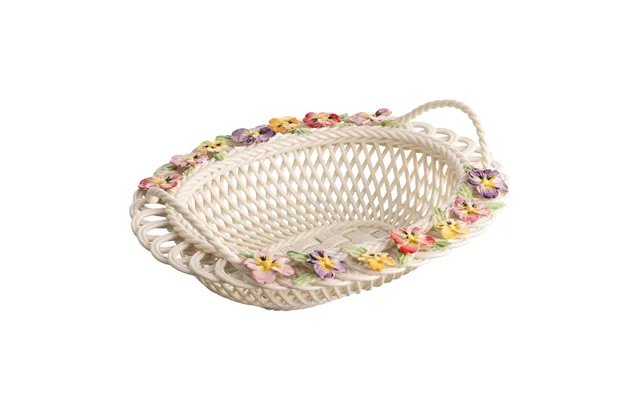
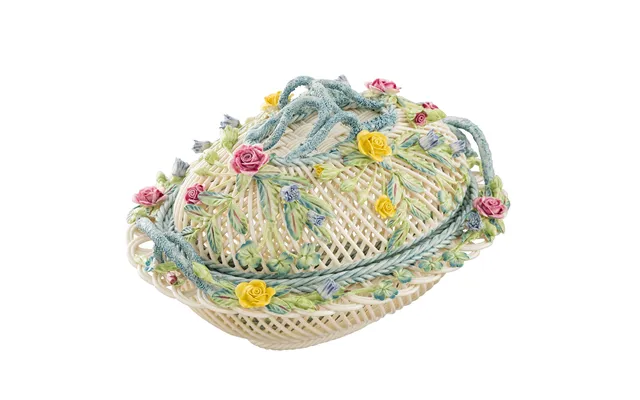
Belleek’s early success came from its ability to produce porcelain with an unusually delicate look. The material allowed artists to create thin handles, raised decorations, flowers, shells, leaves, and basket patterns. The finished pieces looked fragile, yet they were designed for real use when handled with care.
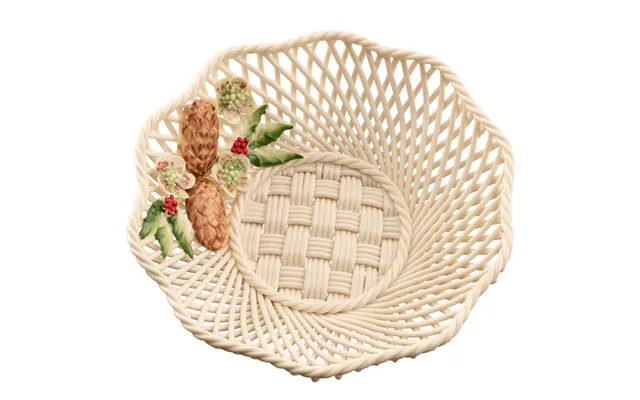
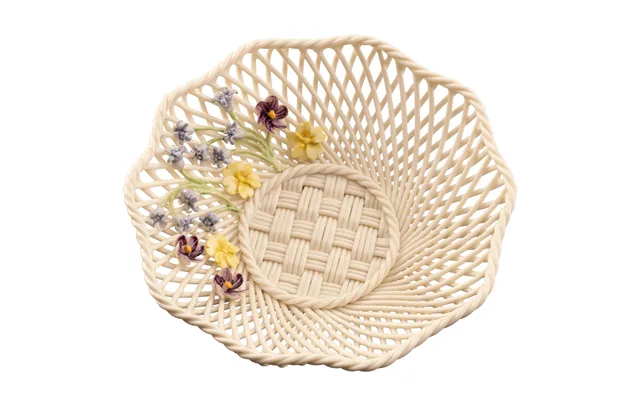
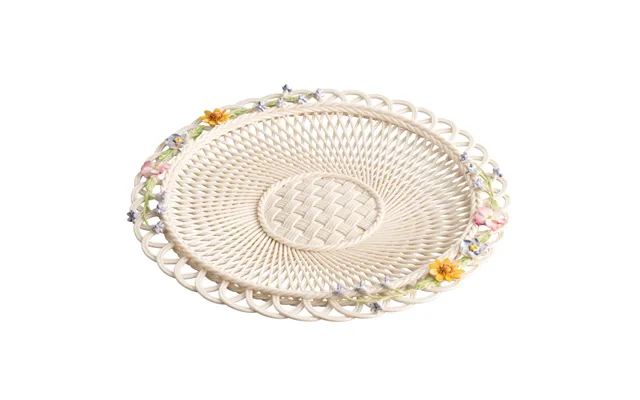
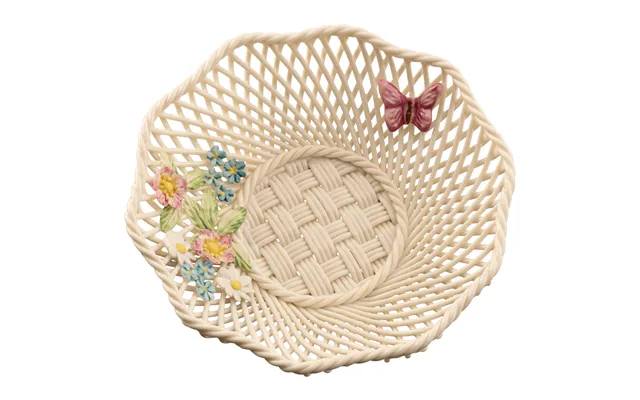
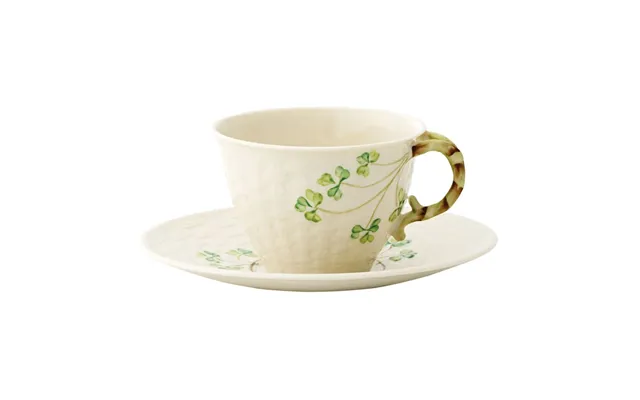
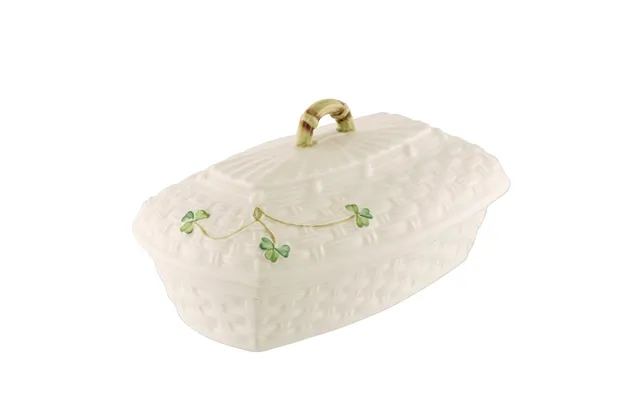
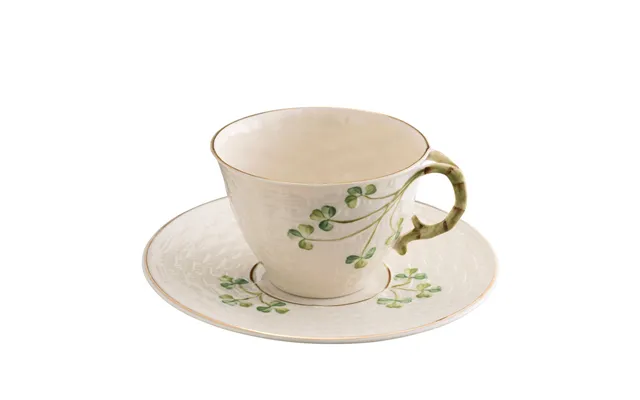
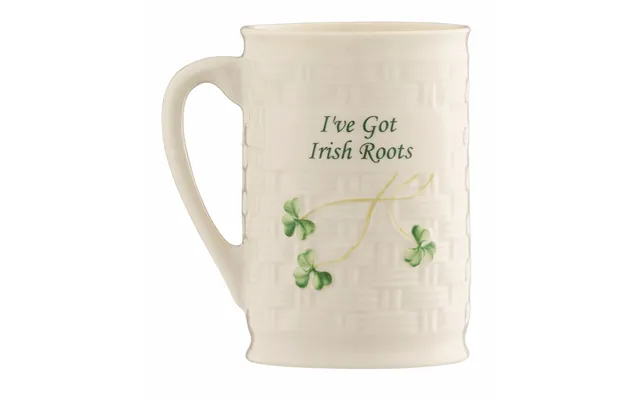
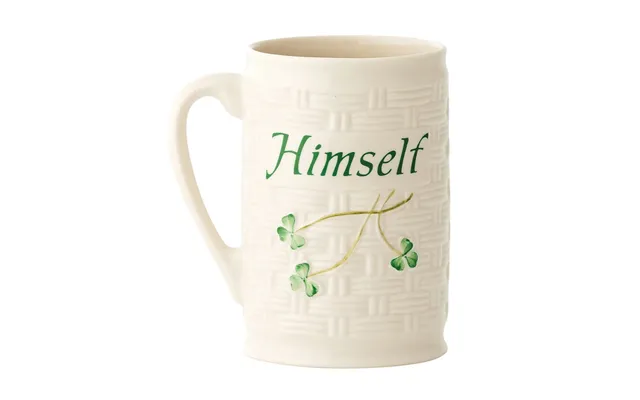
The famous Belleek basketweave pattern became one of the company’s signature styles. It gives plates, mugs, vases, and figurines a textured appearance that is easy to recognize. The design feels traditional, but it does not always look old-fashioned. That balance helped Belleek appeal to customers who wanted something classic without choosing plain white china.
Belleek’s international growth was closely linked to trade, travel, migration, and the strong cultural ties between Ireland and the United States. During the late nineteenth and early twentieth centuries, Irish immigrants and their descendants created a large audience for Irish-made goods. A Belleek cup or ornament could serve as a reminder of family heritage, even when its owner lived thousands of miles from Ireland.
American department stores and specialty shops played an important role in introducing European tableware to US shoppers. Customers who visited better-known stores in large cities could find imported china, glassware, silver, and gifts from across Europe. Belleek fit naturally into this market because it offered a recognizable story along with its physical beauty.
The brand also benefited from tourism. Americans traveling to Ireland often visited the Belleek factory or purchased Belleek products as souvenirs. Unlike a typical souvenir, a Belleek piece could become part of daily life. It might sit on a mantel, hold flowers, serve tea, or appear on the table during holidays.
Irish-American families have helped keep Belleek visible across generations. A grandmother may give a Belleek ornament to a grandchild. A couple may receive Belleek china as a wedding present. Someone visiting Ireland for the first time may choose a small vase as a meaningful keepsake. These purchases are rarely just about decoration. They often carry a story.
That emotional value gives Belleek an advantage in the US market. A shopper may compare prices online, but the final choice can be driven by memory, identity, or family tradition. Belleek is especially strong in this space because its products connect a refined gift with a clear cultural origin.
American shoppers can find Belleek products across several categories. The selection often includes tableware, mugs, teacups, vases, ornaments, figurines, jewelry, home accessories, and seasonal gifts. Some items feature the well-known shamrock motif, while others use Celtic symbols, floral designs, or more modern decorative themes.
Tableware remains one of the brand’s most important categories. Belleek plates, bowls, creamers, sugar bowls, teapots, and cups can create a complete coordinated collection. A customer does not have to buy an entire formal dinner service. One mug or small dish can add an Irish accent to an existing kitchen.
Gifts are another major part of Belleek’s appeal. The products work well for weddings, anniversaries, housewarmings, birthdays, Christmas, St. Patrick’s Day, retirements, and milestone celebrations. A small porcelain item can feel thoughtful without being overly personal or difficult to use.
Some Belleek customers collect pieces over many years. They may search for older patterns, limited editions, discontinued designs, or special holiday ornaments. Collecting can be part research project, part treasure hunt. The pleasure comes from finding a piece that completes a set or reminds the owner of a particular time.
Authenticity matters in the collectible market. Belleek pieces commonly feature a backstamp or maker’s mark that can help identify the period and origin. The exact mark may vary by era and product line, so collectors often compare markings with trusted reference guides or seek advice from established dealers.
When buying online, shoppers should read product descriptions carefully. A listing should explain whether the item is new, retired, used, boxed, or part of a limited release. Clear photographs are also valuable. They can reveal condition issues such as chips, hairline cracks, crazing, fading, or missing packaging.
Belleek’s American presence does not depend on one giant chain of stores. Instead, the brand reaches US shoppers through a mix of channels. These may include the official online shop, authorized retailers, independent Irish stores, gift boutiques, specialty china sellers, museum shops, and online marketplaces.
This model suits Belleek because the brand is specialized. A shopper may not see a full Belleek department in every city, but they can often find selected pieces through retailers that focus on Irish products, luxury gifts, or fine home goods. Online shopping has made the collection easier to explore, especially for customers who live far from major metropolitan areas.
Physical stores still offer something that a website cannot fully replace. In a shop, you can hold a mug, inspect the texture, compare colors, and see how the porcelain reflects light. You can also ask questions about care, sizing, availability, and gift packaging. For a delicate product, that personal experience can make a difference.
US buyers now expect fast shipping, clear return policies, secure packaging, and accurate photographs. Belleek and its retailers must meet those expectations while protecting fragile goods during transit. Good packaging is not a small detail. A chipped piece can turn an exciting purchase into a frustrating experience.
Customers should also check shipping costs, delivery estimates, international order terms, and return rules before buying. Some American sellers ship from within the US, while others may send products from overseas. The item’s price may look attractive until shipping, taxes, or customs charges are added.
Lenox is one of the most familiar American names in fine china and home entertaining. Founded in the United States, Lenox has long been associated with wedding china, formal dinnerware, holiday decorations, gifts, and patriotic or seasonal designs. It has a broad presence in the US and often feels more familiar to mainstream American shoppers.
Belleek and Lenox share several strengths. Both offer attractive gifts, collectible items, decorative tableware, and products connected to special occasions. Both can appeal to shoppers who want a piece that feels more meaningful than ordinary mass-market dinnerware.
The difference is personality. Lenox often presents a polished American style with patterns designed for formal dining, modern homes, and national celebrations. Belleek offers a stronger sense of place. Its Irish origin, basketweave texture, Celtic themes, and soft porcelain appearance create a more specific identity.
If you want formal American wedding china with a wide pattern selection, Lenox may be the easier choice. If you want a gift connected to Ireland or a piece with a distinctive handmade-looking texture, Belleek may feel more memorable.
Waterford is another Irish luxury brand with powerful recognition in the United States. It is best known for crystal, especially cut-glass stemware, ornaments, trophies, and decorative pieces. Like Belleek, Waterford benefits from Irish heritage and strong gift appeal.
The two brands often compete for the same occasions, including weddings, anniversaries, retirements, holidays, and milestone birthdays. Yet they create different moods. Waterford feels brilliant, formal, and celebratory. Light catches its crystal cuts, making it a natural choice for a dining room, bar, or special display.
Belleek feels softer and more intimate. Its porcelain suits tea, flowers, shelves, breakfast tables, and cozy home settings. Waterford may make a room sparkle, while Belleek adds texture and a sense of quiet tradition.
Price can vary widely across both brands, depending on the design and collection. A buyer choosing between them should consider the recipient’s habits. Does that person love entertaining with crystal, or do they enjoy tea, Irish history, and charming decorative objects?
Wedgwood and Royal Doulton are major British names in ceramics and tableware. Both have long histories and broad product ranges. They offer dinnerware, mugs, figurines, gifts, and home accessories, with styles ranging from traditional to contemporary.
Wedgwood is often associated with refined English design, jasperware, blue-and-white decoration, and elegant formal dining. Royal Doulton has a reputation for practical yet stylish tableware, character pieces, figurines, and contemporary collaborations. Both brands may offer more variety for shoppers building a large coordinated dinner service.
Belleek is generally more focused in visual language. Its Irish connection is central, not just a small part of the marketing story. The pieces often feel lighter, more decorative, and more detailed in texture. A Belleek basketweave cup does not try to imitate Wedgwood or Royal Doulton. It speaks in its own accent.
For a complete household dinnerware collection, Wedgwood or Royal Doulton may provide more options in certain American retailers. For a distinctive gift with Irish character, Belleek can be the stronger choice.
The Irish Store and similar retailers serve a wider Irish lifestyle market. They may sell sweaters, jewelry, food, books, music, gifts, crystal, pottery, and religious items. Belleek, by contrast, is a specific brand with a focused product identity.
This difference makes specialty Irish retailers useful for comparison shopping. A customer looking for a Belleek mug may also consider an Aran sweater, a Celtic pendant, an Irish cookbook, or a piece of Waterford crystal. The retailer creates a broader cultural shopping experience, while Belleek provides a more concentrated expression of Irish craft and design.
Specialty stores may also offer exclusive bundles, seasonal promotions, gift wrapping, or access to products from several Irish makers. Belleek’s official channels may provide the widest brand selection and the most direct product information. Each route has a benefit, so shoppers should compare authenticity, price, service, and availability.
In a market crowded with inexpensive home goods, Belleek offers a slower kind of value. The appeal is not only the object’s function. It is the feeling that the piece has a past and may remain useful for years.
That matters in gift shopping. A generic mug can be practical, but a Belleek mug can say something about the person receiving it. It can honor Irish roots, celebrate a trip, mark a new home, or begin a family tradition. The item becomes a small symbol, almost like a postcard made from porcelain.
Belleek also benefits from its visual flexibility. A piece can live in a traditional home, a modern apartment, a country kitchen, or an office. It does not require a full matching collection to look attractive. One small vase on a shelf may be enough.
Fine porcelain deserves sensible care. Always check the manufacturer’s instructions for the specific item, especially before placing it in a dishwasher or microwave. Hand washing is often the safest approach for decorated, gilded, antique, or highly detailed pieces.
Use mild soap, warm water, and a soft cloth or sponge. Avoid sudden temperature changes, abrasive cleaners, and rough scrubbing. When storing plates or ornaments, add soft padding and avoid stacking fragile shapes under heavy items.
For collectors, careful storage protects both beauty and value. Keep original boxes when possible, record purchase details, and inspect older pieces from time to time. A little care can help a Belleek item remain part of the family for decades.
Belleek faces the same challenges as many traditional craft brands. Younger shoppers often prefer affordable products, minimalist designs, and fast online shopping. Formal china is no longer a standard part of every wedding registry. Retail space is expensive, and customers have more choices than ever.
Still, heritage brands can succeed when they explain their value clearly. Belleek has a strong story, an instantly recognizable look, and an emotional link to Ireland. Its future in the US will likely depend on balancing tradition with fresh designs, accessible price points, online convenience, and thoughtful storytelling.
The brand can also benefit from the growing interest in slow living, meaningful gifts, travel memories, and products with traceable origins. People may buy fewer objects, but they often want those objects to matter more. Belleek is well suited to that shift.
Belleek’s history in the United States reflects more than the movement of a product from Ireland to American shelves. It shows how craft, identity, and memory can cross borders. Compared with Lenox, Belleek offers a more distinctly Irish personality. Compared with Waterford, it feels softer and more intimate. Compared with Wedgwood and Royal Doulton, it presents a narrower but highly recognizable design language. And compared with broad Irish specialty stores, it offers a focused expression of Irish porcelain tradition. For American shoppers seeking a gift, collectible, or everyday accent with a story behind it, Belleek remains a graceful choice.