

AV Access price list
Last updated Friday, Sep 25, 2026






| Store | Status | today | distance |
|---|
Loading...
Loading...
Last updated Friday, Sep 25, 2026
AV Access has built a recognizable place in the United States audio-visual market by focusing on a practical problem: connecting modern video equipment without making installation feel like a full engineering project. The brand is associated with HDMI switches, extenders, splitters, video capture devices, KVM products, converters, and other tools used in homes, offices, classrooms, studios, and entertainment spaces.
Unlike a traditional electronics chain with hundreds of physical stores, AV Access has grown mainly through online retail and direct product distribution. That model allows the company to reach customers across the US without carrying the high costs of large showrooms. It also lets the brand focus on a narrower product category. Rather than selling every type of consumer technology, AV Access concentrates on the equipment that helps screens, computers, game consoles, cameras, and sound systems work together.
The company’s background is closely tied to the wider growth of high-definition video. As television resolutions improved and more devices adopted HDMI, consumers faced a new problem. They had better equipment, but also more cables, connection standards, display limits, and compatibility issues. AV Access entered this space with products designed to make those connections more manageable.
Its development reflects a broader change in the technology industry. In the past, professional video distribution often required expensive hardware and specialist installation. Today, a small business owner may need to send one computer signal to several displays. A gamer may want to switch between a console and a personal computer. A teacher may need to share a laptop screen with a classroom projector. AV Access products target these everyday situations.
At first glance, an HDMI cable seems simple. Plug one end into a source and the other into a display. However, the moment a user adds a second television, a soundbar, a capture card, a long cable run, or a high-refresh gaming monitor, the setup becomes more complicated. AV Access has positioned itself around this middle ground between basic consumer accessories and high-end professional systems.
Its product range has expanded beyond simple signal switching. Many devices now support features such as high dynamic range, higher refresh rates, multiple inputs, USB sharing, audio extraction, and longer-distance signal transmission. This evolution mirrors the market itself. Buyers no longer want only a picture on a screen. They want a complete experience with reliable image quality, low delay, easy control, and broad compatibility.
That focus helped AV Access appeal to both home users and small professional teams. The products can fit into a home theater, a streaming desk, a conference room, a training center, or a digital signage installation. The same basic idea remains at the center: move, manage, or convert an audio-visual signal with fewer headaches.
AV Access is best understood by looking at the problems its product groups solve. Each category supports a different part of the video chain. A source creates the signal, a switching or distribution device manages it, and a display receives it. Other hardware extends the signal, captures it, or shares control between devices.
An HDMI switch allows several sources to connect to one display. For example, a user could connect a laptop, game console, streaming box, and Blu-ray player to one switch, then select the desired source without repeatedly unplugging cables. This small convenience can make a major difference when a television or monitor has limited HDMI ports.
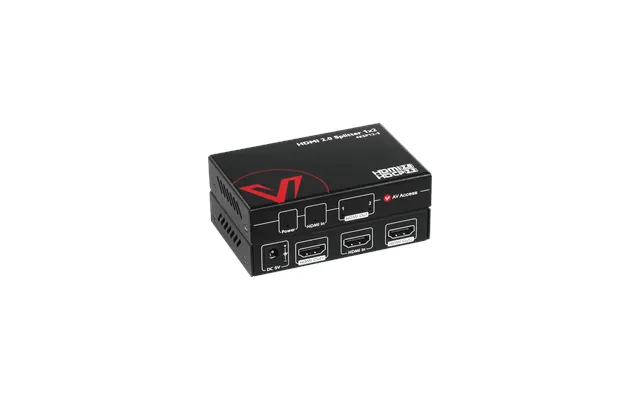
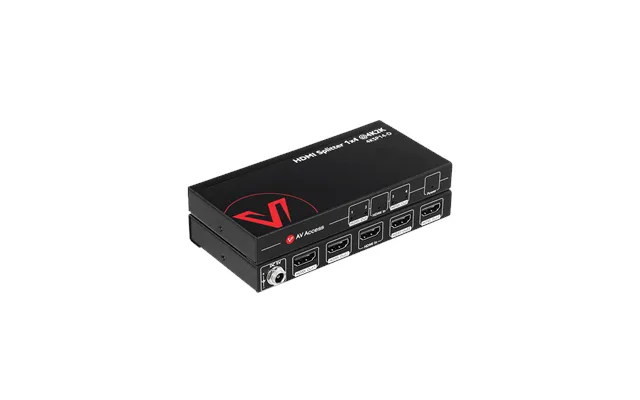
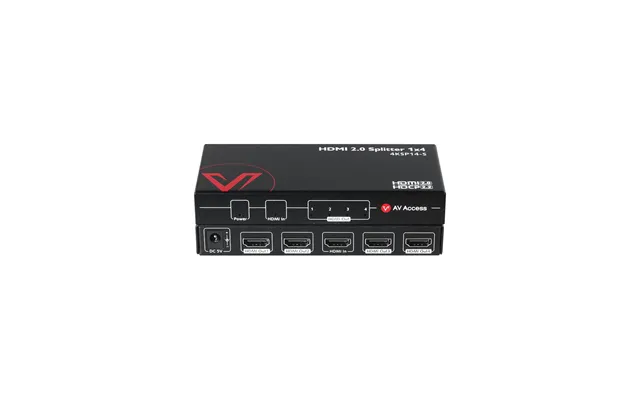
An HDMI splitter performs the opposite task. It takes one source and sends it to two or more displays. This feature is useful for mirrored screens in meeting rooms, classrooms, retail spaces, and home entertainment systems. Buyers should check resolution support, refresh rate, copy protection support, and audio behavior before choosing a model. A splitter that works well with standard high-definition video may not handle every 4K or gaming setup.
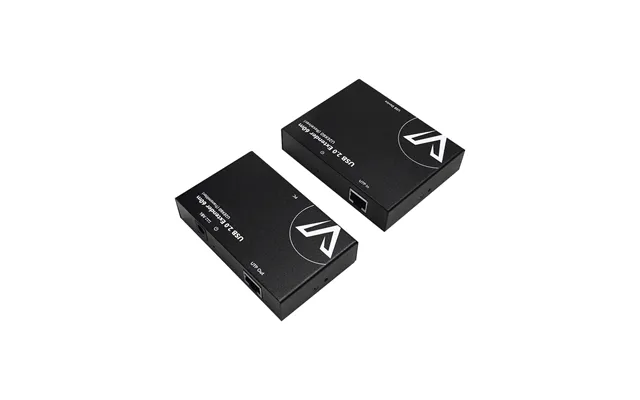
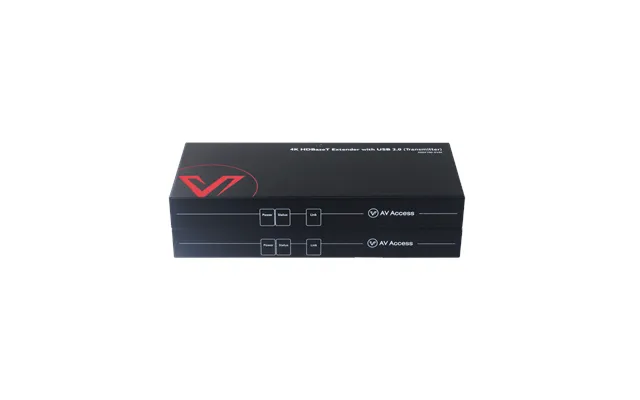
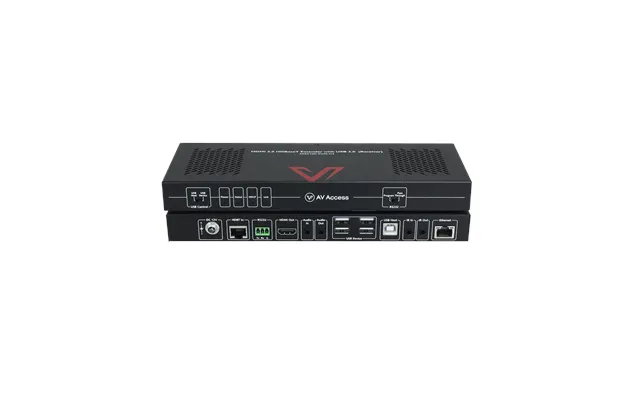
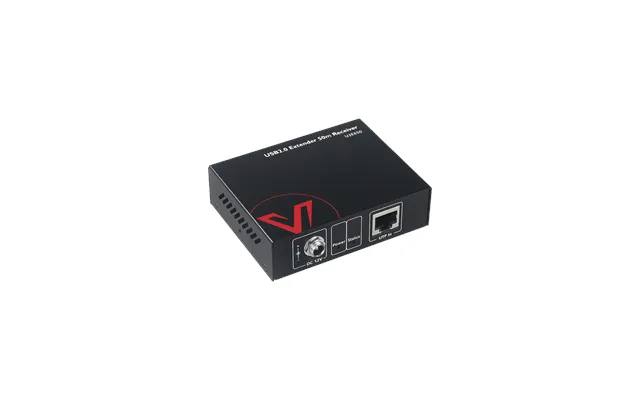
Distance creates another common challenge. HDMI cables can become less reliable as their length increases, especially when the signal carries high resolution or a fast refresh rate. AV Access extenders are designed to move video over longer distances, often by using network cable or other transmission methods.
This type of equipment can help connect a camera to a control room, a computer to a distant projector, or a media source to a television in another part of a building. Some systems support one transmitter and one receiver, while others are designed for wider distribution. The right choice depends on the distance, building layout, resolution, network environment, and need for infrared or USB control.
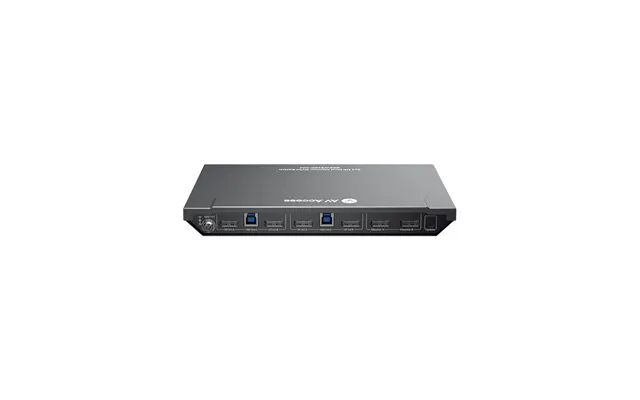
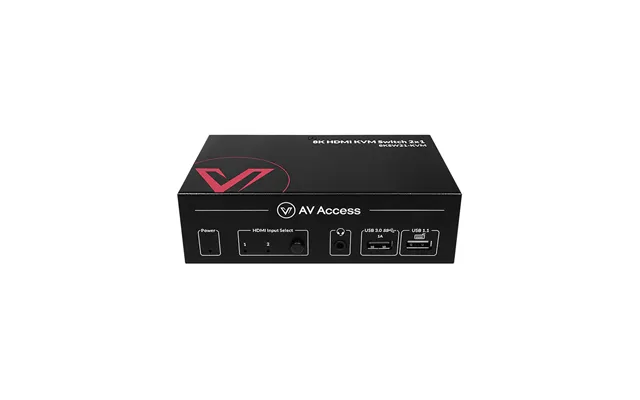
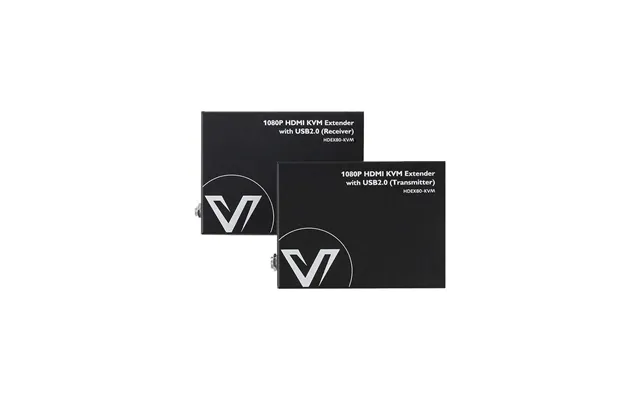
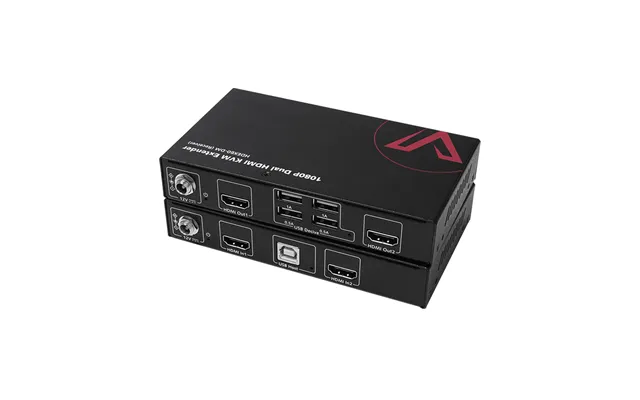
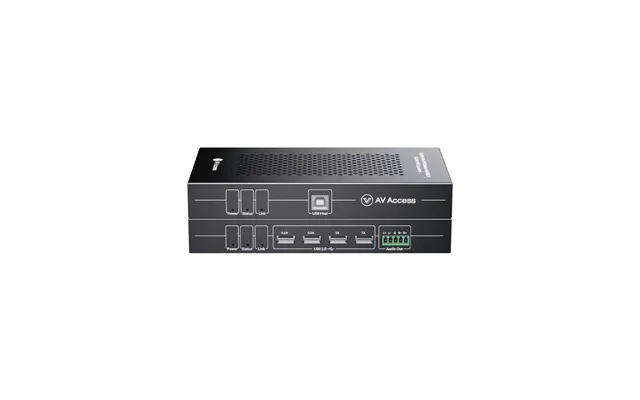
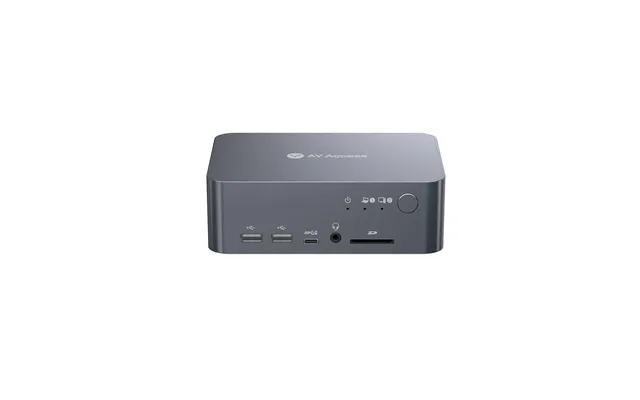
KVM devices combine keyboard, video, and mouse control. They allow one desk to manage two or more computers, which is valuable for programmers, content creators, support teams, and people who work with separate personal and professional systems. Instead of using a different keyboard and mouse for every computer, the user can switch between machines.
Video capture devices serve a different purpose. They receive a video signal and make it available to a computer for recording, live streaming, teaching, or online presentations. A creator might use one to send a camera or game console into streaming software. A business could use capture hardware to record demonstrations or deliver presentations through a video platform.
USB sharing products can also simplify a shared workspace. A printer, webcam, storage device, or other USB accessory may be used by more than one computer. In each case, the product’s real value is not flashy design. It is saved time, fewer cable changes, and a cleaner desk or installation.
For US customers, AV Access is commonly encountered through online shopping channels, including the brand’s own digital storefront and major commerce platforms. This approach gives buyers access to product specifications, photographs, manuals, compatibility information, and customer reviews before they place an order.
Online shopping is useful for technical products, but it also places more responsibility on the buyer. A customer must compare details that are easy to overlook. Does the device support the required resolution? Is the refresh rate high enough? Does it pass audio correctly? Will it work with a particular game console, computer, or capture application? Does the setup need two-way communication, control signals, or power at both ends?
AV Access generally appeals to customers who want more than a low-cost generic adapter but do not want to pay the premium associated with major professional installation brands. Its online product pages and support materials aim to reduce that gap. Still, every buyer should read the technical specifications rather than rely on a product title alone.
Price is one of AV Access’s strongest selling points. The brand usually competes in the value and mid-range sections of the market. That means a buyer can often find features that would have cost much more in earlier generations of video equipment.
However, low price should not be the only measure. A device may be inexpensive because it supports fewer inputs, lower bandwidth, shorter distances, or fewer control options. Think of the product as a bridge. The bridge must be strong enough for the traffic you plan to send across it. A casual office presentation has different needs from a high-frame-rate gaming system or a multi-display production studio.
Best Buy is one of the most familiar electronics retailers in the United States. Its major advantage is reach. Customers may be able to visit a local store, speak with staff, pick up a product quickly, and return it through a well-known retail system. Best Buy also sells televisions, computers, networking equipment, cables, sound systems, and installation services.
Compared with Best Buy, AV Access offers a more focused selection of signal-management products. A shopper who wants a television, soundbar, laptop, and HDMI switch in one visit may prefer Best Buy. A customer searching specifically for a range of HDMI matrix devices, extenders, KVM switches, or capture tools may find AV Access easier to explore.
Best Buy can be more convenient for customers who want in-person advice or immediate pickup. AV Access can be more attractive to technically informed buyers who already understand their setup and want a specialized device at a competitive online price. The choice depends on whether convenience, local service, or product depth matters most.
Monoprice is another important comparison because it has long been known for affordable cables, adapters, home theater equipment, computer accessories, and installation products. Both companies appeal to shoppers who want useful technology without paying the highest brand premium.
Monoprice has a broad catalog. It sells everything from cables and wall-mounting hardware to speakers, projectors, and computer accessories. AV Access has a narrower identity centered on active video equipment and signal management. That specialization can make AV Access a better fit when the buyer needs a specific switcher, extender, KVM system, or capture product.
Monoprice may be more convenient for someone building an entire installation and needing cables, brackets, connectors, and other accessories from the same source. AV Access may stand out when the main challenge is advanced video connectivity. Customers should compare warranty terms, stock availability, specifications, and reviews for the exact model rather than judging either company only by its general reputation.
Amazon gives US customers an enormous choice of HDMI accessories and professional-style video devices. Its strengths include fast shipping in many areas, a familiar checkout process, extensive customer feedback, and the ability to compare several brands on one page.
That broad marketplace is also its weakness. Product quality can vary sharply between sellers. Two devices may look almost identical while offering different internal hardware, firmware support, warranty coverage, and long-term reliability. A low price may be attractive, but it does not always reveal the total value.
AV Access benefits from having a clearer brand identity. Buyers can research a product family, review the company’s documentation, and seek support tied to a known manufacturer. The brand may still sell through large marketplaces, but customers should confirm who handles the warranty and whether the listing comes from the official store or an independent seller.
In simple terms, Amazon is like a huge electronics market with many stalls. AV Access is one specialist shop within that larger world. The marketplace gives you more options; the specialist may give you a clearer product path.
StarTech.com has a strong reputation in business, information technology, and professional connectivity. Its catalog covers adapters, docking stations, cables, racks, network tools, and video hardware. Many organizations choose StarTech products because they need dependable documentation, broad compatibility, and products aimed at workplace installations.
AV Access often competes with StarTech in areas such as HDMI switching, signal extension, capture, and KVM equipment. StarTech may appeal more to corporate buyers who already use its products or require a wide range of infrastructure accessories. AV Access can appeal to home theater users, streamers, gamers, educators, and small businesses looking for feature-rich video tools at a competitive price.
The difference is not absolute. Both brands serve mixed audiences, and both offer products across several price levels. A buyer should compare connection standards, supported bandwidth, control methods, operating requirements, and support policies for the exact products under consideration.
AV Access has several clear strengths. Its catalog addresses real connection problems. The products often offer useful features without the cost of high-end commercial equipment. The brand also serves customers who have outgrown basic cables and inexpensive adapters but do not need a custom-designed installation.
Another advantage is product variety within a focused field. A customer may begin with a simple HDMI switch and later find an extender, capture device, or KVM product for a more advanced setup. This creates a sense of continuity. The buyer does not have to start from zero with an entirely different type of brand.
There are limits, too. Online purchasing means customers cannot usually test a device before buying it. Installation can require careful troubleshooting. Compatibility may depend on every part of the system, including the display, source, cable, audio receiver, operating system, and content protection system.
Support quality can also vary by product and purchase channel. Buyers should keep receipts, read the warranty information, save manuals, and confirm return conditions. For a business-critical installation, it is wise to test the complete system before permanently mounting equipment or running cables through walls.
Start with the source and display. Write down the resolution and refresh rate you need, then check whether the AV Access product supports both. Next, consider the number of inputs and outputs. Buying a device with one extra port today may save a replacement next year.
Audio deserves equal attention. Some installations need audio extraction, optical output, analog sound, or audio return support. Others simply need the television to receive sound through HDMI. Do not assume that video support guarantees the exact audio path you want.
Also check distance and cable type. A product rated for a particular transmission range may perform differently in a building with electrical interference or poor-quality network cable. For gaming, look closely at input delay, variable refresh support, and high refresh rates. For business use, check control options, mounting, power requirements, and the ability to recover after a power interruption.
AV Access represents a useful middle layer in the US electronics market. On one side are simple cables and low-cost adapters. On the other are expensive commercial distribution systems that may require professional design and installation. AV Access serves customers who need dependable control over video signals but want to handle much of the project themselves.
This position is important because more people now create sophisticated audio-visual setups at home and at work. Remote meetings, online teaching, game streaming, home theaters, hybrid offices, and multi-screen workstations have all increased demand for practical connectivity tools. The customer is no longer always a trained installer. Often, it is someone with a laptop, a few screens, and a strong reason to make them work together.
That customer wants clear answers. Will it support my console? Can it run across the room? Can I switch between two computers? Will the webcam appear in my streaming software? AV Access has grown by addressing questions like these with dedicated hardware.
AV Access has developed a notable US presence by concentrating on the often-overlooked equipment that keeps modern screens and devices connected. Its history is less about a single dramatic retail launch and more about steady growth alongside HDMI, digital video, streaming, gaming, remote work, and flexible office design.
Compared with Best Buy, it offers more specialized online focus. Compared with Monoprice, it concentrates more strongly on active video systems. Compared with Amazon marketplace sellers, it can provide a clearer brand path. Compared with StarTech.com, it often speaks more directly to value-conscious home, creator, and small-business users. The best choice still depends on the exact project, but AV Access deserves attention when a setup needs more than a cable and less than a costly custom system.