

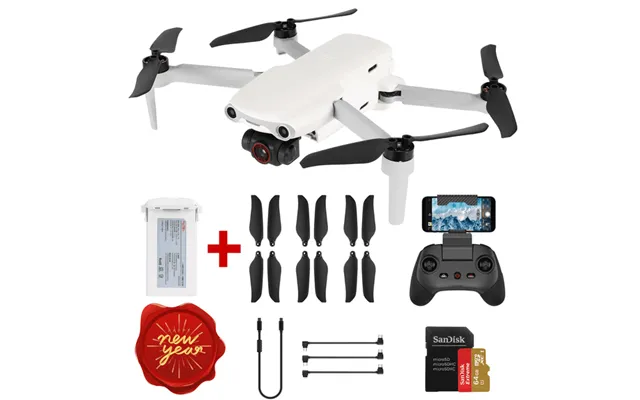
Autelpilot price list
Last updated Friday, Sep 25, 2026
| Autelpilot | Price |
|---|---|
| Autel Robotics Evo Nano Drone Standard Package | $679.00 |






| Store | Status | today | distance |
|---|
Loading...
Loading...
Last updated Friday, Sep 25, 2026
| Autelpilot | Price |
|---|---|
| Autel Robotics Evo Nano Drone Standard Package | $679.00 |
Autelpilot has become a familiar name for US shoppers looking for Autel Robotics drones, batteries, controllers, accessories, and related equipment. The store operates in a market that changes quickly. Drone technology improves every year, while buyers also want better cameras, longer flight times, safer controls, and dependable support after the sale. In that setting, a specialist retailer can offer something that a general electronics shop often cannot: focused product knowledge.
The history of Autelpilot is closely connected to the rise of consumer and professional drones in the United States. As Autel Robotics expanded its aircraft lineup, demand grew for a dedicated place where customers could compare models and buy matching equipment. Autelpilot developed around that need. Its store identity is centered on Autel products rather than on every drone brand under the sun.
That narrow focus can be useful. It may help shoppers understand differences between an Autel EVO Nano, EVO Lite, EVO II, or a commercial platform without sorting through thousands of unrelated listings. Still, buyers should compare Autelpilot with other US stores before placing an order. Price, stock, warranty terms, delivery speed, return rules, and customer service can all affect the real value of a purchase.
To understand Autelpilot, it helps to first understand Autel Robotics. Autel Robotics entered the drone market as a technology company focused on unmanned aircraft and aerial imaging. The company built products for several customer groups, including hobby pilots, photographers, survey teams, public safety departments, and commercial operators.
During the early growth of consumer drones, many buyers had limited choices. Some products were built mainly for beginners, while others were designed for demanding professional work. Autel Robotics aimed to compete in the middle and upper parts of the market by offering camera drones with strong flight features, compact designs, and advanced imaging options.
As the brand gained attention, customers needed more than the aircraft itself. Drone owners regularly buy spare batteries, propellers, charging hubs, landing pads, carrying cases, memory cards, replacement controllers, and protective gear. A dedicated store could group these products in one place and create a simpler buying journey.
Autel drones appealed to US buyers for several reasons. The company offered folding aircraft that were easy to transport, while some models included large camera sensors and high-resolution video. The bright orange design used on several early products also helped the brand stand out in a crowded market.
Another attraction was choice. Shoppers could look at small drones for travel, larger camera platforms for serious aerial work, and enterprise products for inspection or mapping. This range gave Autel a stronger position than a brand selling only one basic drone.
Autelpilot’s store model grew from this product variety. Instead of treating drones as one broad category, the retailer could organize its website around a single ecosystem. That makes it easier for customers to locate compatible accessories and compare packages made for different types of pilots.
Autelpilot is best understood as a specialist online store serving customers interested in Autel Robotics equipment. Public details about every stage of the company’s founding and development are limited, so it is wise to avoid assigning exact dates or business milestones without official documentation. What is clear is that the store became part of the wider US online drone retail landscape as Autel products gained visibility.
The store’s growth reflects a common pattern in technology retail. A brand becomes popular, customers search for direct product information, and a focused retailer builds a catalog around the brand. Over time, the retailer adds bundles, accessories, replacement parts, shipping options, and support information. The store then becomes more than a product shelf. It becomes a destination for ownership.
Autelpilot’s online format also matches how many drone buyers shop today. Customers often research a model for days or weeks before making a decision. They compare camera specifications, obstacle avoidance, transmission range, flight time, firmware support, and local flight rules. An online store can support that process with product pages, comparison tables, manuals, and package descriptions.
One important shift in drone retail has been the move from selling aircraft alone to selling complete kits. A drone is rarely useful without a battery, charger, controller, and propellers. Many pilots also want a case and extra power for a full afternoon of flying.
Autelpilot can serve this demand through bundles and accessory listings. A buyer may choose a standard package for a lower entry price or a premium kit with extra batteries and a carrying case. The right bundle can save time and may cost less than buying each item separately.
However, shoppers should read bundle descriptions carefully. “Premium,” “fly more,” and similar terms do not always mean the same thing across brands. Check the number of batteries, charger type, controller included, storage capacity, and warranty coverage before comparing two packages.
Autelpilot’s strongest identity comes from its focus on Autel Robotics. Depending on current inventory, the store may feature consumer drones such as the EVO Nano, EVO Lite, and EVO II families, along with accessories and professional equipment. Models and availability can change, so customers should confirm the current listing rather than rely on old product names.
The EVO Nano family is aimed at people who want a small, portable drone. Compact aircraft can fit easily into a travel bag, making them attractive to hikers, travelers, and casual creators. The EVO Lite line sits higher in the consumer range and is known for offering stronger imaging and flight features than many entry-level models.
The EVO II family targets users who want more advanced camera performance, longer flight capability, or a larger aircraft platform. Different versions may use different sensors and cameras. That is why model names alone are not enough. Buyers should examine the exact camera, video format, transmission system, obstacle sensing, and controller included with the listing.
For commercial and public safety users, Autel’s enterprise products can support tasks such as roof inspection, construction review, land surveying, emergency response, and infrastructure checks. These buyers usually care about more than image quality. They may need thermal imaging, mapping tools, secure data handling, rugged design, and dependable service.
Specialization gives Autelpilot a clear message. If you already know that you want an Autel drone, a dedicated store may feel easier to use than a large marketplace. You can focus on model differences instead of filtering through drones from dozens of brands.
It also makes accessories easier to identify. Compatibility matters because batteries, propellers, controllers, and charging systems are not universal. A product page designed around one brand has a better chance of showing the correct matching parts.
The trade-off is simple: a specialist store may offer less brand choice. If you are still deciding between Autel, DJI, Parrot, or another manufacturer, you may want to research across several retailers before choosing a platform.
The official Autel Robotics store is the natural comparison point. Buying direct can give customers confidence that they are dealing with the manufacturer or an officially managed sales channel. The official website may also provide the latest announcements, firmware information, warranty details, and product updates.
Autelpilot, by contrast, may compete through retail convenience, package deals, product availability, and focused shopping. A specialist reseller can sometimes present products in a more sales-friendly way, especially for customers who want to compare kits quickly.
Price is not always the deciding factor. A lower advertised price may come with different shipping conditions, return rules, or warranty handling. Buyers should check whether support is managed by the retailer, the manufacturer, or both. That detail becomes important if a drone arrives damaged or develops a technical problem.
The official store may be the better choice for shoppers who want direct brand communication and the latest official information. Autelpilot may suit buyers who prefer a dedicated dealer environment and want to compare available packages in one place. Neither option is automatically best for every customer.
DJI is the largest and most visible competitor in many parts of the consumer drone market. Stores that sell DJI products often benefit from a very broad product range, strong brand recognition, and a large accessory ecosystem. DJI offers aircraft for beginners, creators, professionals, and enterprise teams.
Autelpilot has a different advantage: concentration. A shopper interested in Autel products does not need to navigate a huge DJI catalog. The store can make the comparison between Autel models more direct. For pilots who prefer Autel’s design, camera options, controller layout, or software experience, that focus can be valuable.
General retailers such as Amazon, Best Buy, and Walmart offer another kind of convenience. They may provide fast delivery, familiar payment options, local pickup, or simple returns. Amazon also gives customers access to a large number of sellers and user reviews. Yet marketplace shopping requires extra care. Confirm who is selling the item, whether it is new, whether it includes a US warranty, and whether the listing is current.
Best Buy can appeal to buyers who want to see selected products in a physical store or speak with a retail employee. Its inventory is usually more limited than that of a specialist drone website, but local access can matter. Walmart may compete on price and convenience, although drone selection and technical support can vary by location and seller.
B&H Photo Video is a major US retailer for cameras, lenses, lighting, and professional video equipment. Its drone selection may appeal to creators who already buy camera gear from the company. B&H is known for detailed specifications and a broad imaging catalog, which helps customers build a complete production setup.
Autelpilot offers a more focused path for Autel shoppers. Instead of comparing drones with cameras, lenses, and studio equipment, customers can concentrate on one drone ecosystem. B&H may be better for a creator who wants a complete video workflow, while Autelpilot may feel more efficient for someone buying an Autel aircraft and its matching accessories.
Before ordering from Autelpilot or any online drone store, check the company’s current shipping and return policy. Look for delivery estimates, excluded locations, restocking fees, return windows, and instructions for reporting damage. A clear policy is a positive sign because it reduces surprises after checkout.
Warranty language deserves equal attention. Find out whether the product has manufacturer coverage, retailer coverage, or both. Confirm whether the unit is intended for the US market. International versions may have different support terms, chargers, software settings, or regulatory considerations.
It is also smart to confirm product condition. Is the drone new, refurbished, open-box, or used? Does the package include a US charging plug? Are batteries included? Does the advertised price apply only after a coupon? These questions take a few minutes and can prevent a frustrating purchase.
Review the aircraft’s flight time with realistic expectations. Published flight time is usually measured in controlled conditions. Wind, cold weather, fast movement, camera use, and safety reserves can reduce actual time in the air. Extra batteries are often more useful than a small difference in advertised specifications.
Buying a drone is only the first step. In the United States, pilots may need to register their aircraft with the Federal Aviation Administration. Commercial operators generally face additional requirements, including the rules connected with Part 107. Remote identification requirements may also apply to certain drones and operations.
Local rules matter too. Parks, neighborhoods, airports, stadiums, and public spaces may have restrictions. A responsible pilot checks airspace before takeoff, respects privacy, avoids people and property, and keeps the aircraft under safe control.
A good retailer can provide product information, but it cannot replace official aviation guidance. Always check current FAA rules and local regulations before flying. Regulations can change, and the pilot remains responsible for legal operation.
Autelpilot’s main strength is its focused product identity. It serves customers who want Autel equipment and may make it easier to compare models, accessories, and bundles. A dedicated store can also reduce the confusion that comes with searching through mixed listings from unrelated sellers.
Another strength is the potential for a more complete ownership experience. Buyers can look for spare batteries, propellers, charging equipment, cases, and other parts in the same place. That is helpful for new pilots who may not know which accessories they need.
The main limitation is brand range. A buyer who wants to compare every major drone manufacturer may need to visit several sites. Price competition can also vary. A marketplace might run a short promotion, while an official store might offer a manufacturer rebate or extended support option.
Support quality is another factor to investigate. Read recent customer feedback, but do not rely on ratings alone. Look for comments about delivery, product condition, return communication, and warranty assistance. A low price is less attractive when a support issue takes weeks to resolve.
The US drone market is moving toward smarter aircraft and more specialized uses. Consumers want better automated tracking, safer obstacle detection, improved low-light imaging, and simpler editing tools. Businesses want drones that can collect useful data, not just attractive video.
Retailers will need to explain these features in plain language. Buyers do not always need the aircraft with the longest list of specifications. They need the model that matches their work, travel habits, skill level, and budget. A store that helps customers make that decision can build trust beyond a single sale.
Autelpilot’s future will likely depend on how well it handles that role. Accurate product information, clear policies, reliable stock, responsive service, and useful accessory guidance can separate a specialist retailer from a basic online listing. The drone itself may fly in the sky, but the customer experience is built on the ground.
For US shoppers, Autelpilot is worth considering when the goal is to buy an Autel Robotics drone from a focused online store. Its position differs from official brand channels, broad marketplaces, big-box retailers, and camera specialists. Compare the total package rather than only the headline price. Check warranty terms, delivery, seller identity, accessories, and current US regulations. When those details line up with your needs, Autelpilot can be a practical route into Autel’s drone ecosystem.