


Arenti price list
Last updated Sunday, Sep 13, 2026





| Store | Status | today | distance |
|---|
Loading...
Loading...
Last updated Sunday, Sep 13, 2026
Smart home security has changed quickly in the United States. A few years ago, many homeowners relied on expensive professional systems, long contracts, and complicated installations. Today, shoppers can order a camera, doorbell, or baby monitor online and have it working in minutes. Arenti is one of the brands that entered this fast-moving market with a clear promise: make home monitoring simple, affordable, and accessible.
The Arenti store has attracted attention in the United States through its range of indoor cameras, outdoor cameras, video doorbells, baby monitors, and connected home devices. Its products are aimed at everyday customers rather than only technology experts. That focus helps explain the brand’s appeal. You do not need to be a security professional to understand what Arenti is selling. You want to see who is at the door, check on a child, watch a pet, or keep an eye on your home while you are away.
Still, Arenti operates in a crowded market. Ring, Blink, Wyze, Eufy, Google Nest, and several other brands compete for the same American customer. So, where did Arenti come from? How has it built a place in the United States? And how does it compare with better-known stores and smart security brands?
Arenti developed during a period when home security cameras were moving from specialist equipment into ordinary households. The brand was created as a connected-home company focused on smart cameras and related devices. Rather than treating security as a single, expensive system, Arenti positioned its products as flexible tools for daily life.
The company’s early product direction centered on Wi-Fi cameras that could connect with mobile applications. This was an important shift in the wider market. A traditional security camera often needed a dedicated recorder, professional wiring, or technical knowledge. A modern smart camera could use a home wireless network, send alerts to a phone, and let the owner view live video from almost anywhere.
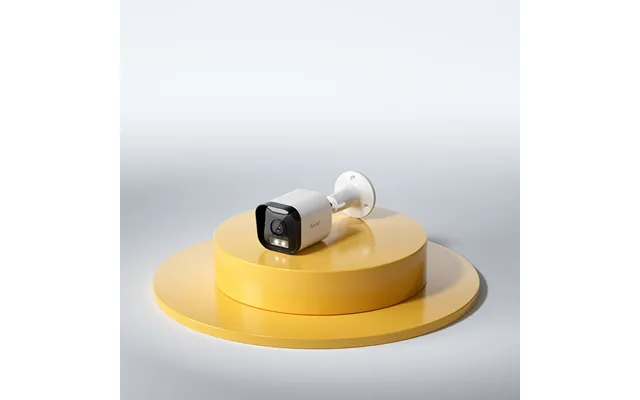
Arenti entered this space with products designed for several common situations. Indoor cameras could help families check on children, older relatives, pets, or empty rooms. Outdoor models could monitor gardens, driveways, and entrances. Video doorbells could show visitors before a door was opened. Baby monitors added another practical category for parents.
The brand’s history is closely connected to the growth of direct-to-consumer shopping. Customers increasingly discovered cameras through online marketplaces, search engines, product reviews, and social media. This gave smaller technology brands a chance to compete with large electronics companies. A brand did not need hundreds of physical stores to reach American households. It needed clear product pages, dependable delivery, useful support, and prices that looked attractive beside major competitors.
Arenti appeared at a useful moment. American consumers were already familiar with video calls, mobile apps, wireless speakers, and connected lights. The idea of opening an application to see a live camera feed no longer seemed unusual. At the same time, interest in home safety grew as more people worked remotely, traveled with connected devices, and wanted greater awareness of what happened around their property.
This change created a wide opening between basic security and premium security. Many customers wanted more than an inexpensive webcam, but they did not want to pay for a full professional installation. Arenti’s products were designed to sit in that middle space. They offered features such as motion alerts, two-way audio, night vision, cloud options, local storage on selected models, and smart-home compatibility.
Arenti’s growth in the United States has been shaped by online retail. The company has used its own online store and major digital sales channels to present products to American shoppers. This approach keeps the buying journey direct. A customer can compare camera types, read specifications, check compatibility, and place an order without visiting a showroom.
The US market is especially important for smart security because the country has a large mix of homes, apartments, suburban properties, rental units, and small businesses. A single product category can serve many needs. An apartment resident may want a compact indoor camera. A homeowner may need an outdoor camera with stronger weather protection. A new parent may prefer a dedicated baby monitor with a screen. Arenti’s product range reflects these different use cases.
Another part of the brand’s development has been its attention to design. Security products used to look industrial, bulky, and unattractive. Arenti devices generally follow the modern smart-home style: compact bodies, clean lines, and neutral colors. That matters because customers often place cameras in living rooms, nurseries, hallways, and entryways. People want useful technology, but they do not want it to dominate the room.
Arenti’s store is easiest to understand when viewed through daily problems rather than technical specifications. Who is outside? Is the dog resting or making a mess? Did a package arrive? Is the baby sleeping? Did someone enter the backyard? These simple questions drive most consumer demand.
The store’s product categories help shoppers connect a device with a need. Indoor cameras focus on rooms and personal spaces. Outdoor cameras focus on property awareness. Doorbells focus on visitors and deliveries. Baby monitors focus on childcare. This structure is useful for new buyers because it avoids forcing them to understand every camera specification before they begin.
At the same time, customers should still check important details. Resolution, field of view, night vision, weather resistance, battery life, storage choices, subscription costs, and app features can vary between models. Two cameras may look similar but behave very differently after installation. The right product is not always the one with the highest resolution. It is the one that fits the location and the owner’s habits.
Arenti offers several types of connected security and monitoring products. The exact selection can change over time, but the main categories are consistent with the needs of the US smart-home market.
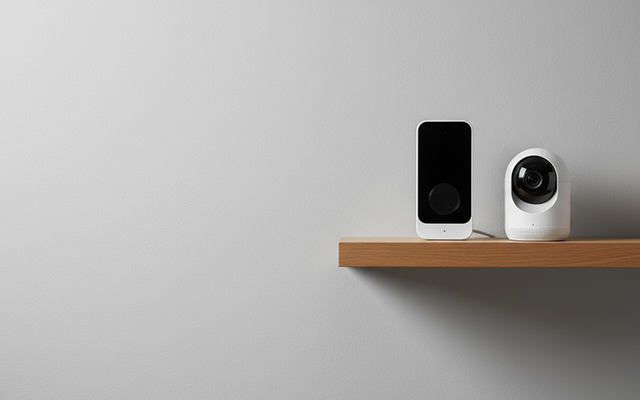
Indoor cameras are often the easiest entry point for first-time buyers. They are usually compact, simple to position, and powered from a wall outlet. Customers may use them to watch pets, monitor children, check a home office, or keep an eye on a second property.
Common features can include high-definition video, motion detection, infrared night vision, two-way communication, and mobile notifications. Some models include pan-and-tilt movement, which lets the camera cover a wider area. Others provide privacy functions that allow the lens to be covered or turned away when monitoring is not wanted.
Outdoor products must handle more demanding conditions. Sun, rain, cold temperatures, dust, and poor lighting can all affect performance. Buyers should examine weather-resistance ratings and installation requirements before choosing a model.
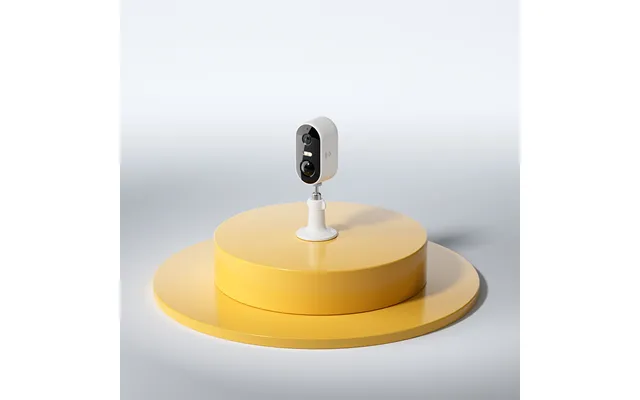
Arenti outdoor cameras and video doorbells are designed to help users monitor entrances, driveways, paths, and other exterior areas. Useful features may include motion alerts, night vision, two-way audio, visitor notifications, and local or cloud video storage. A doorbell camera is particularly useful for deliveries because it can show activity at the front door even when nobody is home.
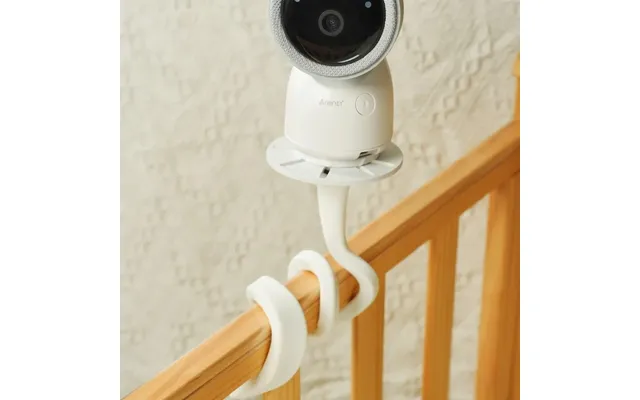
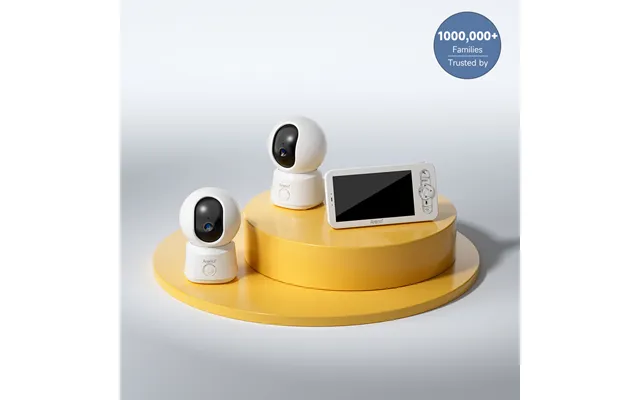
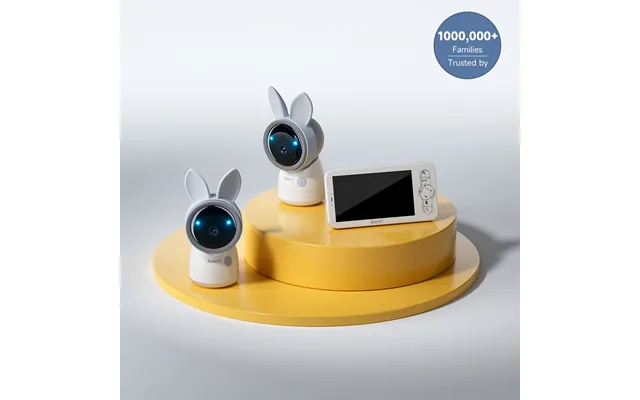
Baby monitors occupy a slightly different position from standard security cameras. Parents often care about stable video, clear sound, night viewing, room temperature information, and easy access during the night. Some families prefer a dedicated parent unit, while others want to use a phone application.
Arenti’s baby-monitor products appeal to parents who want connected viewing without buying a separate security camera and adapting it for a nursery. However, parents should remember that a smart monitor is not a replacement for safe sleep practices or direct supervision. Technology can provide information, but it cannot remove every risk.
Ring is one of the strongest names in the American video doorbell market. Amazon owns the brand, and its products benefit from broad retail availability, strong brand recognition, and deep integration with Alexa. Ring offers doorbells, indoor cameras, outdoor cameras, alarms, and accessories.
Compared with Ring, Arenti often appeals to shoppers who want a less expensive or less ecosystem-heavy option. Arenti can be attractive when a customer wants a particular camera without building an entire security system around one company. Ring, however, may offer a more established American support experience and a wider range of professional or assisted security options.
Subscription policies are another important difference. Ring places significant emphasis on paid plans for features such as video history and certain advanced notifications. Arenti products may offer different combinations of cloud services and local storage, depending on the model. Buyers should compare the long-term cost, not only the price on the product page.
Ring is often the safer choice for someone already invested in Alexa and the Ring ecosystem. Arenti may be a better fit for a budget-conscious shopper who wants flexible camera options and does not need every feature to come from one brand.
Blink is another Amazon-owned brand and is known for affordable cameras, compact designs, and long battery life on selected models. Blink products are popular with customers who want straightforward home monitoring and easy Alexa compatibility.
Arenti and Blink compete closely on value. Both can suit shoppers who do not want professional installation. Blink may have an advantage for people who already use Amazon devices or who prefer a simple, low-cost camera system. Its wireless models are also appealing where running power cables would be inconvenient.
Arenti can stand out through its wider mix of camera styles, including products aimed at baby monitoring and indoor pan-and-tilt use. Depending on the model, Arenti may also provide storage choices that appeal to customers who want more control over recorded video. The details matter, so buyers should compare each model rather than judging the brands in general.
Wyze built its reputation by offering feature-rich smart-home devices at aggressive prices. Its range includes cameras, sensors, locks, lights, watches, and other connected products. For many American shoppers, Wyze is one of the first brands considered when price matters most.
Arenti shares Wyze’s focus on accessible pricing and simple installation. Both brands target customers who may not want a traditional security contract. They also serve people who enjoy controlling devices through a phone application.
Wyze has a broader smart-home product family, which can be useful if you want cameras, sensors, plugs, and other devices from one store. Arenti may be more focused on monitoring, making the shopping experience easier for someone who mainly needs cameras or a baby monitor.
Neither brand should be chosen on price alone. App reliability, notification speed, video storage, privacy controls, customer service, and firmware updates all influence the ownership experience. A cheap camera that misses important alerts can become expensive in frustration.
Eufy is widely recognized in the United States for smart cameras, video doorbells, robot vacuums, smart locks, and other home devices. Its security products often attract buyers who prefer local storage and want to reduce reliance on monthly cloud plans.
Arenti and Eufy both appeal to shoppers who want consumer-friendly security without a mandatory professional installation. Eufy may have an advantage for customers seeking a larger ecosystem with a central home-security hub and several types of connected devices. Arenti can be appealing for customers who want a simpler purchase or a more focused selection.
Storage is a key comparison point. Some Eufy systems emphasize local recording through a home base, while Arenti models may support combinations of memory cards, cloud recording, or other storage options. The best choice depends on whether you prioritize convenience, privacy, remote access, or lower ongoing costs.
Google Nest serves customers who are already comfortable with Google Home products. Nest cameras can work well inside a connected Google household, and the brand benefits from Google’s software experience, voice controls, and broad consumer recognition.
Arenti is generally positioned as a more budget-friendly alternative. It can offer the basic experience many people want: live video, alerts, sound, and remote viewing. Nest may be more attractive for customers who want polished integration with Google services and are willing to pay for premium features or subscriptions.
The decision often comes down to ecosystem preference. If your home already uses Google speakers and displays, Nest may feel natural. If you want a standalone camera at a competitive price, Arenti deserves a closer look.
Arenti’s first major strength is accessibility. The products are aimed at ordinary households, not only early adopters. A buyer can choose a camera based on location and purpose without designing a complex surveillance network.
Price is another advantage. Smart security is a competitive category, and Arenti often competes by keeping the initial cost within reach of families, renters, and first-time buyers. Affordable hardware can make it possible to cover more than one room or entrance.
Product variety also helps. A shopper may begin with an indoor camera and later add a doorbell or outdoor model. The brand’s range supports several stages of home monitoring rather than focusing on only one device.
Finally, Arenti benefits from the direct online shopping model. Customers can compare specifications, read reviews, and look for promotions without depending on a salesperson. For people who prefer researching at their own pace, that is a real advantage.
Arenti is not automatically the best choice for every US household. Smaller brands may not have the same level of physical retail presence, professional installation, or customer familiarity as Ring, Google, or Amazon. Some customers may also prefer a company with a large ecosystem that includes alarms, locks, sensors, and monitoring plans.
App performance and software support deserve attention as well. Smart cameras depend on applications, servers, wireless networks, and regular updates. Before buying, read recent customer feedback and check whether the model supports your phone, router, storage preference, and smart-home platform.
Privacy should be part of the decision. A camera records inside or around your home, so review account security, password practices, storage policies, sharing controls, and available privacy modes. Use a strong, unique password and Enable two-step verification when the service offers it.
Start with the location. An indoor camera should not be placed outside, and an outdoor camera may be unnecessary for a small apartment hallway. Measure the area and think about what you actually need to see.
Next, decide how you want to power the device. Plug-in cameras are usually reliable but need a nearby outlet. Battery-powered cameras are easier to position but require charging. Wired doorbells may need more installation work, while wireless doorbells can be simpler for renters.
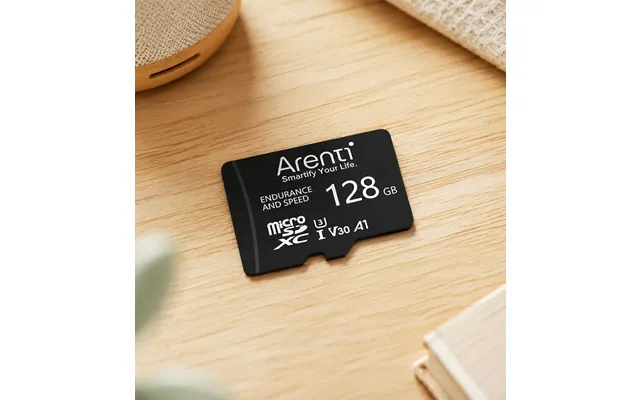
Then compare storage. Local storage may reduce monthly fees, but it can require a memory card and may be less convenient if the camera is stolen. Cloud storage can provide off-site access, but it may add a recurring cost. Neither option is perfect for everyone.
Also consider the notification experience. A camera that sends too many alerts can quickly become annoying. Look for settings that let you adjust motion zones, sensitivity, schedules, and alert types. The goal is useful awareness, not a phone that buzzes every time a tree moves.
The US smart-home market will likely remain competitive. Customers expect better image quality, faster alerts, stronger privacy, smarter detection, and easier setup. Artificial intelligence may help cameras distinguish people, vehicles, animals, and ordinary movement. Yet customers will also demand clear controls and honest explanations of how those systems work.
Arenti’s future will depend on more than launching new cameras. The brand will need to maintain dependable applications, provide timely security updates, improve customer support, and communicate storage costs clearly. In smart-home technology, the product is only one part of the experience. The app and service behind it matter just as much.
Arenti also has room to grow through compatibility. The more easily its products work with major smart-home platforms, the more attractive they become to American households. Customers do not want isolated gadgets. They want devices that fit naturally into the routines they already have.
Arenti has built its US presence around a simple idea: home monitoring should be available to more people, without the cost and complexity of a traditional security system. Its history reflects the rise of affordable wireless cameras and direct online shopping. Compared with Ring, Blink, Wyze, Eufy, and Google Nest, Arenti offers a focused alternative for shoppers who value choice, practical features, and competitive pricing. The right purchase still depends on storage, privacy, compatibility, installation, and long-term costs. If you compare those details carefully, Arenti can be a useful part of a modern American smart home rather than just another camera on a crowded shelf.