

ALZOO price list
Last updated Wednesday, Oct 14, 2026






| Store | Status | today | distance |
|---|
Loading...
Loading...
Last updated Wednesday, Oct 14, 2026
ALZOO has built a distinct identity in the American pet care market by focusing on products that support everyday life with dogs and cats. Its range includes pet supplements, calming products, grooming items, pest-control solutions, training aids, and selected wellness products. Rather than presenting itself as a traditional pet store with endless shelves, ALZOO works more like a focused pet wellness brand. It aims to solve common problems that pet owners face at home.
The company’s story began in Canada, where ALZOO developed as a pet care business with an emphasis on plant-based formulas and practical solutions. Over time, the brand expanded beyond its original market and became available to American shoppers through online sales, retail partnerships, and pet-focused distribution. This move into the United States placed ALZOO beside well-known names such as Petco, PetSmart, Chewy, Vet’s Best, and Zesty Paws.
What makes ALZOO interesting is its mix of natural positioning and problem-solving design. A pet owner may discover the brand while looking for help with anxiety, fleas, ticks, odors, skin irritation, or basic training. That broad but connected product strategy gives ALZOO a place between a specialist wellness company and a full-service pet retailer.
ALZOO’s development reflects a wider change in the pet industry. For many years, pet care products were sold mainly as simple necessities. Shampoo cleaned the coat. Flea products controlled pests. Treats rewarded good behavior. Supplements were often seen as optional extras. Today, American shoppers look at pet care in a different way. They want products that match their own interest in wellness, responsible ingredients, and preventative care.
ALZOO entered this changing market with a clear focus on formulas inspired by nature. The company has promoted plant-based ingredients, essential oils, botanical extracts, and other alternatives in parts of its product range. This does not mean every ALZOO product is entirely natural, organic, or suitable for every pet. Shoppers still need to read the label and follow safety directions. However, the brand’s natural approach helped it stand apart from companies built around conventional chemical formulas.
The name ALZOO also became connected with a broader philosophy: pet care should be useful, gentle, and easier to understand. That message appeals to owners who do not want to choose between a harsh product and an expensive professional service. They want something they can use at home, with clear instructions and a reasonable purpose.
The rise of natural pet care has shaped ALZOO’s development in the United States. American households increasingly treat dogs and cats as family members. Owners spend more on food, enrichment, grooming, dental care, mobility support, and emotional wellbeing. A product that once seemed like a luxury can now feel like a normal part of responsible ownership.
At the same time, natural marketing creates an important responsibility. “Plant-based” does not automatically mean risk-free. Essential oils, for example, can be harmful to certain animals or dangerous when used incorrectly. Cats can also react differently from dogs. ALZOO’s products should therefore be used according to the package directions, and owners should speak with a veterinarian when a pet has a medical condition, takes medication, or shows serious symptoms.
The United States is one of the world’s largest pet markets, so entering the country offers a major opportunity for any growing pet brand. It also creates strong competition. American shoppers can buy pet products from local stores, online marketplaces, veterinary clinics, farm and ranch retailers, big-box stores, and direct-to-consumer websites. A company such as ALZOO must do more than place products on a shelf. It must explain why the brand deserves attention.
ALZOO’s US presence has developed around products that answer familiar questions. How can I help my dog relax during fireworks? How can I reduce unwanted odors? What can I do about fleas and ticks? How can I improve my cat’s grooming routine? These are not abstract concerns. They appear in kitchens, backyards, apartments, and cars across the country.
The brand has benefited from online shopping because digital stores let smaller companies reach customers without building a huge network of physical locations. A shopper in Oregon, Florida, or New York may find ALZOO products through an online pet retailer even if no nearby store carries the full selection. E-commerce also gives the company space to explain ingredients, usage, product benefits, and safety information.
Still, US growth is not automatic. Pet owners often trust familiar brands, especially when buying products related to health or pest control. They may compare reviews, ask a veterinarian, or choose a product they have used for years. ALZOO must earn confidence through consistent quality, clear labeling, sensible claims, and reliable customer service.
ALZOO’s strongest opportunity in the United States is to become more than a product name. It can act as a helpful guide for daily pet care. That means showing owners how to build routines, not simply telling them to buy another item. A calming product can be part of a plan that includes exercise, quiet space, gradual training, and veterinary advice. A grooming spray can support brushing, but it cannot replace treatment for a serious skin problem.
This practical approach helps a brand feel more human. Pet owners do not want a lecture. They want clear answers that fit real life. They may be busy, tired, or dealing with a pet that refuses to cooperate. Direct instructions, honest expectations, and simple routines can make the difference.
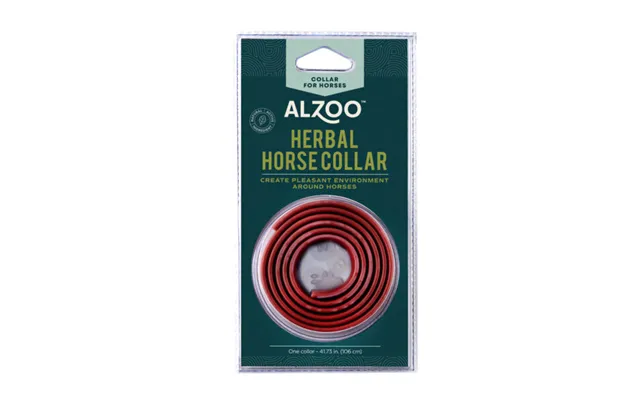
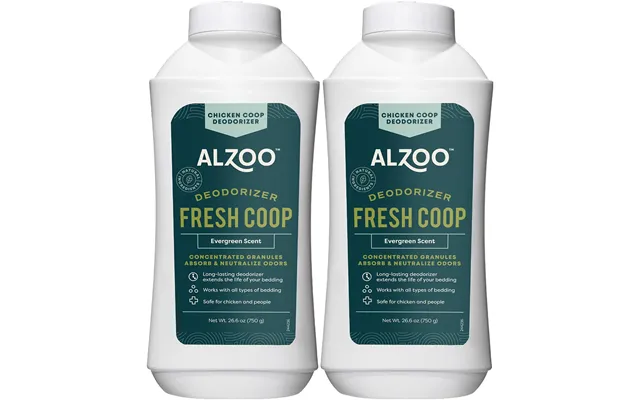
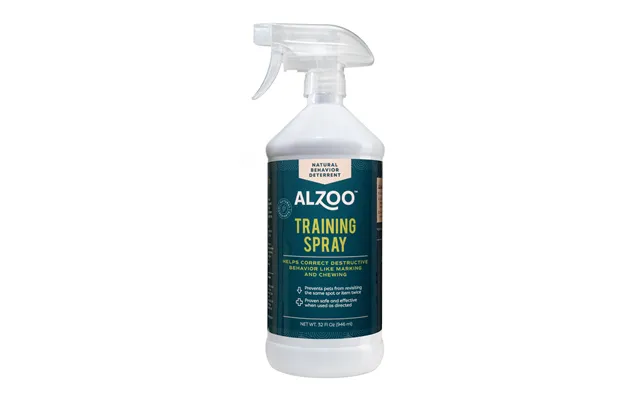
ALZOO is associated with several major areas of pet care. Its catalog has included calming products for dogs and cats, natural pest-control items, supplements, grooming aids, odor solutions, and training products. The exact range can vary by retailer and market, so shoppers should check current product information before ordering.
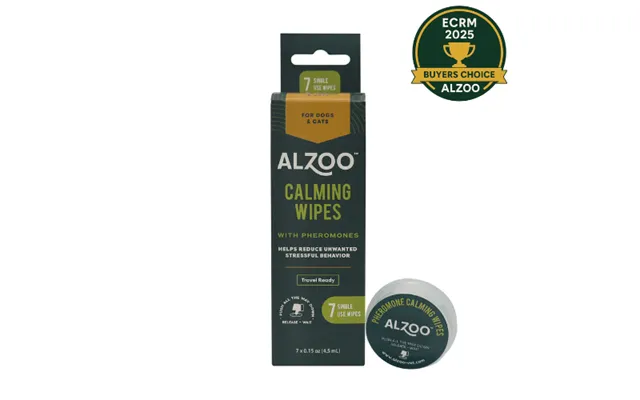
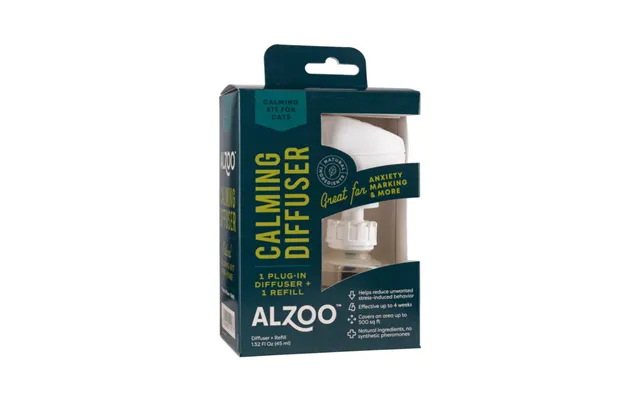
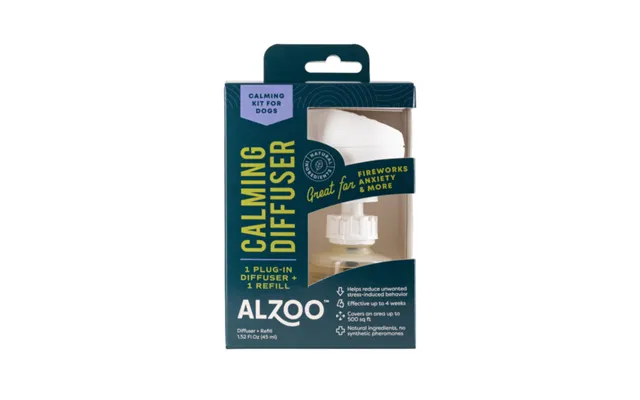
Calming products are designed for situations such as travel, thunderstorms, fireworks, separation, and changes in the home. These products may come in forms such as sprays, collars, chews, or other delivery methods. Their purpose is to support a calmer environment, not to act as a substitute for professional treatment. A pet with severe anxiety may need a behavior plan or veterinary assessment.
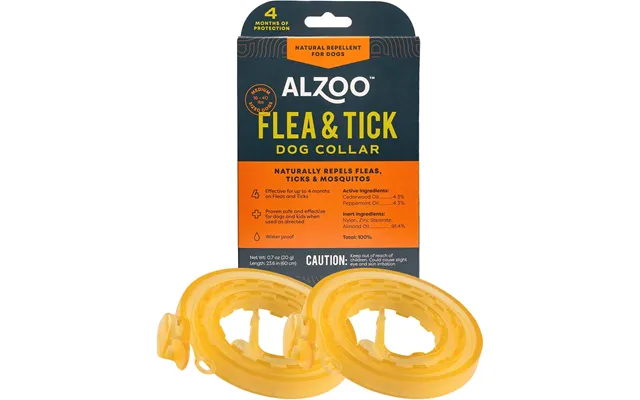
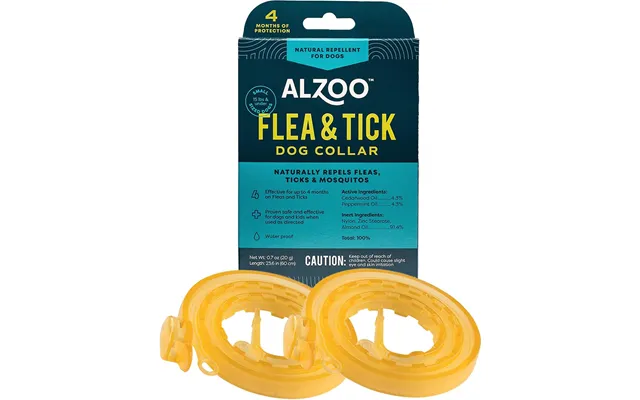
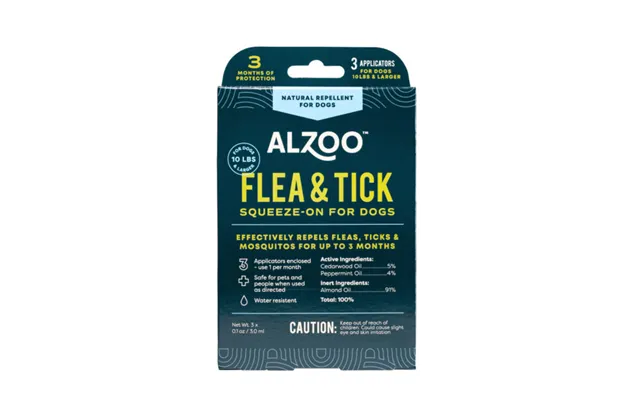
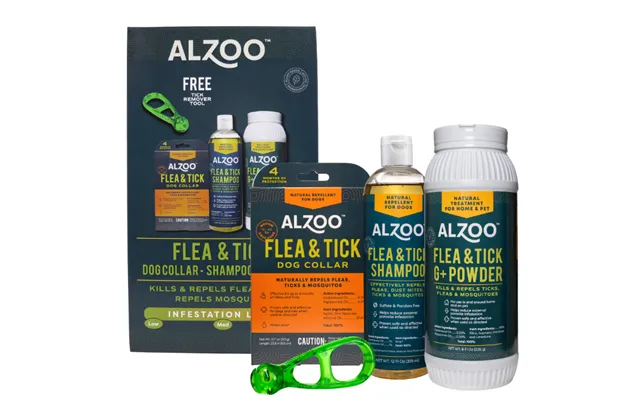
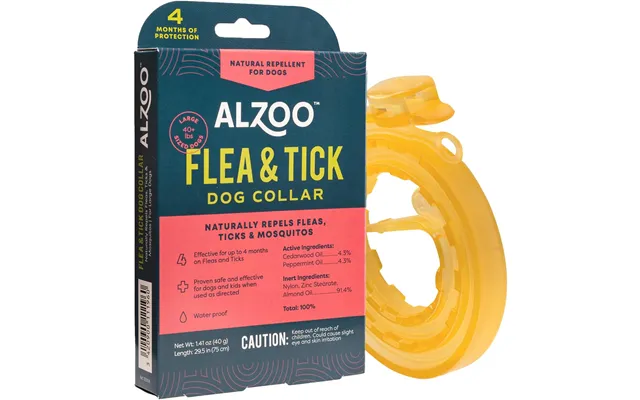
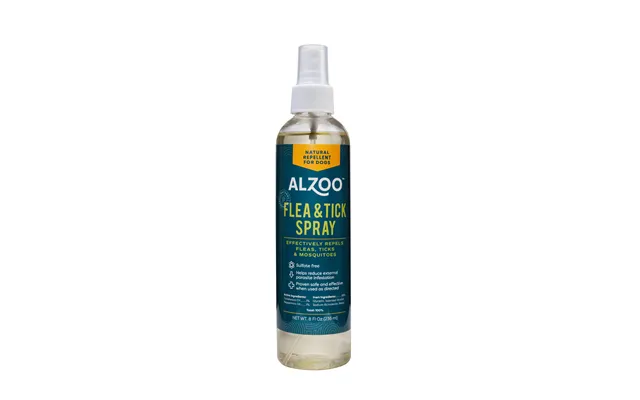
Flea and tick products are another important category. This area requires special care because pests can cause discomfort, spread disease, and affect the entire household. Owners should select products according to the pet’s species, age, size, and health status. Never assume that a dog product is safe for a cat. Read every warning, especially when combining products.
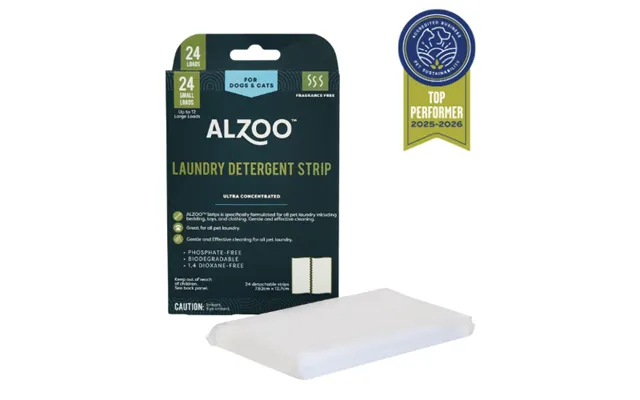
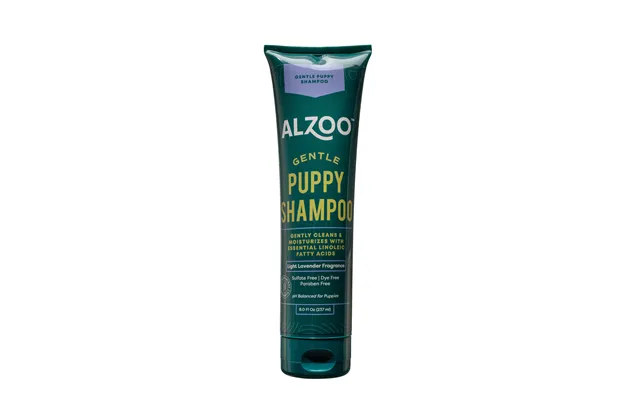
Grooming and hygiene products help owners manage coat care, odors, dry skin, and routine cleaning. These items can be useful between professional grooming visits. They also support bonding. Many pets dislike grooming at first, but a patient owner can turn brushing and cleaning into a calm ritual rather than a wrestling match.
Supplements form another part of the modern pet wellness market. They may be marketed for joints, digestion, skin, coat, or general wellbeing. The word “supplement” can sound harmless, but it still matters what goes into the formula. A pet’s diet, age, medical history, and current medication all deserve attention. A good supplement should have a clear purpose, transparent directions, and realistic claims.
Petco and PetSmart are not direct copies of ALZOO. They are large American pet retailers that sell food, toys, bedding, equipment, grooming services, training programs, and products from many brands. ALZOO is more focused. It creates and promotes its own line of pet care solutions rather than operating primarily as a broad retail destination.
The main advantage of Petco and PetSmart is convenience. Customers can often buy everything in one visit. They may find dog food, cat litter, a leash, a crate, grooming services, and a new toy under the same roof. These chains also have strong brand recognition and physical locations. For shoppers who want to see a product before buying it, that presence matters.
ALZOO’s advantage is concentration. Instead of asking shoppers to navigate dozens of brands, it offers a connected approach to wellness and daily care. The brand may appeal to people who prefer botanical ingredients or want a targeted solution for a specific problem. Its narrower range can feel less overwhelming.
Petco and PetSmart also provide services that ALZOO does not. A retailer may offer grooming, training, adoption events, veterinary partnerships, or in-store consultations. ALZOO can provide information and products, but it cannot replace a trained professional working directly with an animal.
Chewy is one of the strongest online competitors in the US pet market. Its website offers a huge selection of food, medicine, toys, litter, supplements, and accessories. Automatic delivery and home shipping make Chewy especially attractive to owners who want regular orders without visiting a store.
Compared with Chewy, ALZOO is a brand rather than a massive marketplace. Chewy wins on selection, price comparison, subscriptions, and convenience. A customer can compare several calming chews or flea products in one search. ALZOO wins when a shopper wants to explore one consistent product philosophy instead of sorting through a crowded digital aisle.
Chewy also has strong customer reviews, which influence buying decisions. ALZOO products may appear on Chewy or other online platforms, allowing the brand to benefit from those shopping tools. However, reviews should be treated as personal experiences, not medical proof. A product that helps one dog may do little for another.
Vet’s Best is a closer comparison because it also emphasizes natural ingredients and practical pet health solutions. Both brands speak to owners who want alternatives inspired by plants and products for common problems. The difference often comes down to product design, ingredient choices, availability, price, and personal trust.
Vet’s Best has a long-standing presence in categories such as skin care, dental care, ear care, and pest control. ALZOO competes in many of the same spaces but brings its own visual identity and product combinations. Shoppers may compare active ingredients, scent, application method, package size, and instructions before choosing.
Zesty Paws is another important competitor, especially in supplements. Its product range focuses heavily on chews and nutritional support for areas such as digestion, skin, mobility, and calm behavior. ALZOO overlaps with Zesty Paws in the wellness conversation, but ALZOO has a broader connection to home care, grooming, odor management, and pest control.
If a customer wants a daily chew, Zesty Paws may be the first brand they consider. If the problem involves grooming, household odor, or a calming spray, ALZOO may feel more relevant. Neither brand is automatically best. The right choice depends on the pet, the problem, the formula, and the guidance of a veterinarian when needed.
ALZOO has several clear strengths. Its product line is easy to understand because it focuses on familiar pet problems. The brand’s natural image appeals to owners who read labels and prefer plant-based options. Its products are also designed for home use, which makes them practical for everyday routines.
Another strength is variety within a focused category. A customer may begin with a calming product and later explore grooming or pest-control items. That creates a connected brand experience. When the products work well together, ALZOO can become part of a pet owner’s regular shopping habits.
The brand also benefits from the emotional power of pet care. Owners want to feel that they are making thoughtful choices. A clean design, simple language, and natural positioning can create that feeling quickly. Yet the product must support the promise. Attractive packaging cannot replace performance.
ALZOO also has limitations. Availability may be less consistent than that of major US retailers. Some products may be easier to find online than in local stores. Prices can vary by seller, shipping cost, discounts, and package size. Customers should compare the cost per use rather than looking only at the sticker price.
Natural products can have strong scents, and not every pet or owner will enjoy them. Some animals may experience irritation or sensitivity. A small test area and careful observation can be wise when product instructions allow it. If redness, itching, breathing trouble, vomiting, or unusual behavior appears, stop use and contact a veterinary professional.
Start with the problem, not the brand. Is your pet anxious, itchy, dirty, smelly, bored, or at risk from fleas and ticks? A clear question makes it easier to choose the right category. It also prevents owners from buying a product that sounds appealing but does not address the real issue.
Next, read the label from beginning to end. Check the intended species, age limits, size guidance, ingredients, warnings, and application instructions. This step matters most when the product involves essential oils, pest control, supplements, or direct contact with the skin.
Think about your pet’s complete situation. A dog that scratches may have fleas, allergies, infection, dry skin, or another health concern. A cat that hides may be stressed, in pain, or adjusting to a change. A retail product can support care, but it should not delay veterinary attention when symptoms are severe, persistent, or sudden.
Finally, judge results realistically. A calming spray may take time and may work best as part of a wider routine. A grooming product may improve coat care without curing a medical condition. A supplement may require regular use and may not produce dramatic changes. Responsible brands help customers understand these limits, and responsible owners keep expectations grounded.
ALZOO’s future in the United States will depend on trust, distribution, and product clarity. The market is growing, but it is also crowded. Consumers can choose from private-label products, veterinary brands, natural companies, subscription services, and established retail names. ALZOO must continue giving shoppers a clear reason to choose it.
Education will likely become even more important. Pet owners want short videos, easy guides, ingredient explanations, and practical advice. They also expect honest information about what a product can and cannot do. A brand that communicates clearly can stand out in a market full of dramatic promises.
Sustainability may shape the next phase as well. Customers increasingly notice packaging, refill options, sourcing, and animal-friendly business practices. A natural image creates high expectations. If ALZOO continues to grow, shoppers may look more closely at the full life cycle of its products, not only the ingredient list.
Personalization is another opportunity. Dogs and cats differ greatly in age, breed, size, behavior, and health. Product recommendations that account for those differences could make the shopping experience more useful. The strongest future brands will not simply sell a bottle or chew. They will help owners make better decisions.
ALZOO has earned attention by combining natural inspiration with practical pet care. In the US, it occupies a useful middle ground. It is more focused than Petco, PetSmart, or Chewy, yet broader than a supplement-only brand. Its success will come from maintaining product quality, making safety information easy to find, and listening to the everyday experiences of pet owners.
For American shoppers, ALZOO is worth considering when they want targeted solutions for grooming, calming, pest control, hygiene, or general wellness. It should not be viewed as a replacement for veterinary care, but it can become a helpful part of a thoughtful home routine. In a busy pet market, that balance is valuable: useful products, clear expectations, and care that begins with understanding the animal in front of you.