

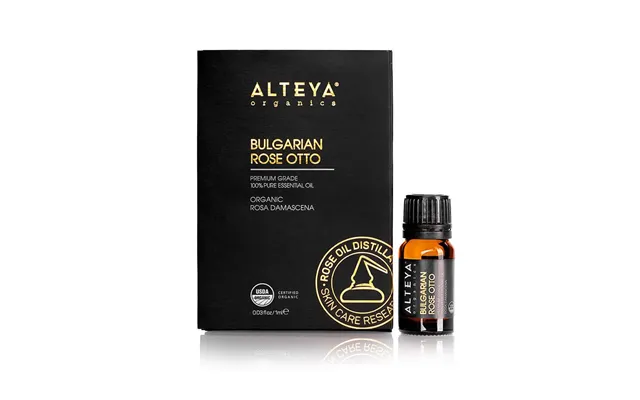
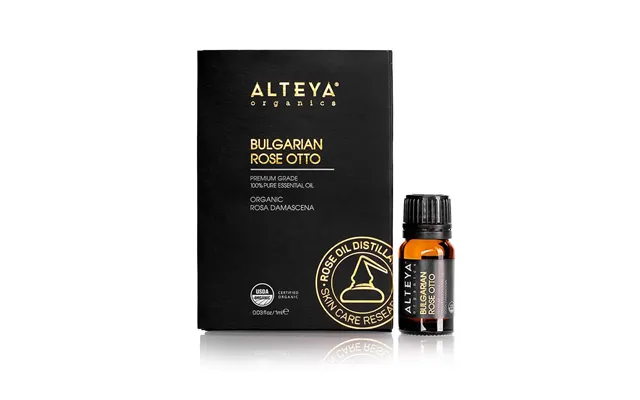
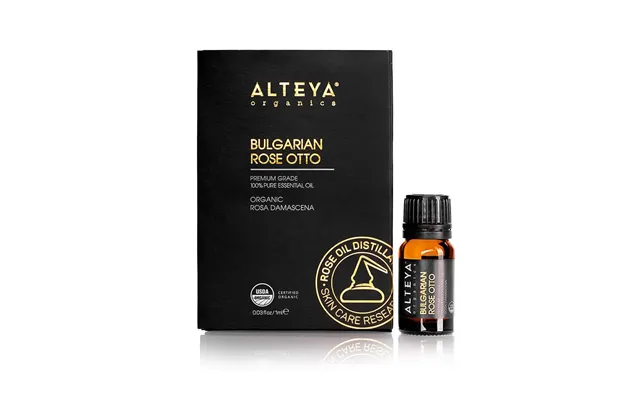
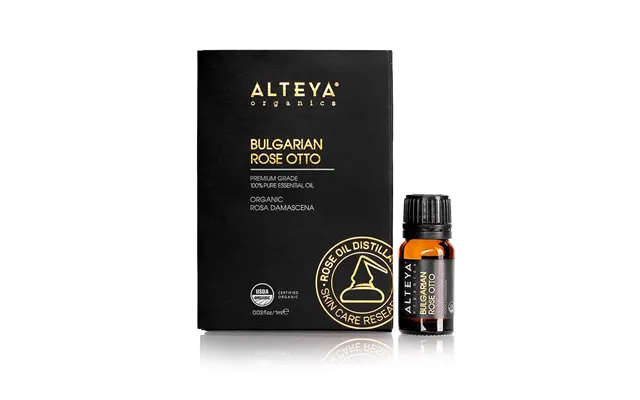

Alteya Organics price list
Last updated Monday, Sep 21, 2026



| Store | Status | today | distance |
|---|
Loading...
Loading...
Last updated Monday, Sep 21, 2026
Alteya Organics has built a distinctive place in the American natural beauty market by bringing Bulgarian rose oil, organic skincare, and plant-based wellness products to shoppers in the United States. The brand stands out because it connects modern beauty routines with Bulgaria’s long tradition of rose cultivation. Its story is not simply about selling creams, serums, and essential oils. It is about farming, family heritage, organic production, and the growing American interest in cleaner personal care.
For US shoppers, Alteya Organics offers something different from a typical beauty store. Its product range feels focused rather than endless. Bulgarian rose products sit at the center, supported by skincare, hair care, body care, baby products, and aromatherapy. But how did the company begin? Why has it attracted attention in the United States? And how does it compare with popular competitors such as Weleda, Dr. Hauschka, Herbivore Botanicals, and Mountain Rose Herbs?
This guide explores the history of Alteya Organics, its growth in the US, its product philosophy, and its position among similar natural beauty stores. If you are searching for organic skincare in America, understanding the brand’s background can help you decide whether it deserves a place in your routine.
Alteya Organics began in Bulgaria, a country famous for its Valley of the Roses. The company was founded in 1999 by Yana and Tsvetan Jordanov, who wanted to develop natural products using Bulgarian botanical ingredients. From the beginning, the brand focused on rose oil, rose water, and other plant extracts connected to the country’s agricultural heritage.
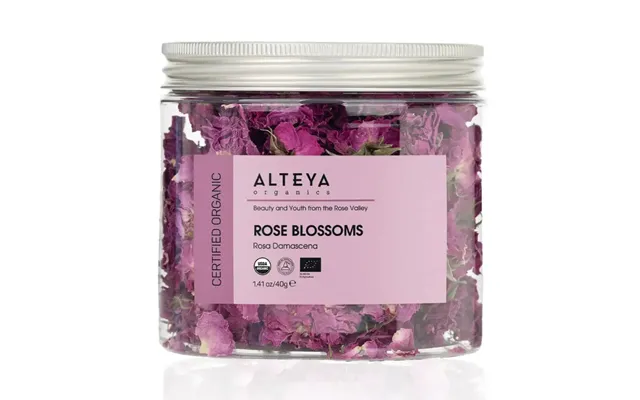
Bulgaria has cultivated oil-bearing roses for centuries. The country’s climate, soil, and farming traditions create favorable conditions for Rosa damascena, often called the Damask rose. This fragrant flower is valued for its essential oil and aromatic water. Alteya built its identity around this heritage, but it also added a modern layer: certified organic farming and controlled production.
The company’s name, Alteya, reflects a connection to the plant world. Its brand story emphasizes the healing and beauty traditions associated with botanicals. Rather than treating plants as a trendy decoration, Alteya presents them as active ingredients with a long cultural history.
One of Alteya’s defining features is its relationship with agricultural production. The company operates organic farms and works with Bulgarian growers to source flowers and herbs. This farm-to-bottle approach gives the brand a stronger link to raw materials than many conventional beauty companies have.
That connection matters because the quality of an essential oil begins long before it reaches a glass bottle. The type of plant, the growing conditions, the harvest timing, and the distillation process can all affect the final aroma and performance. Alteya highlights these steps as part of its effort to create traceable botanical products.
Rose harvesting is also highly time-sensitive. Workers generally collect the flowers early in the day, when their natural fragrance is strongest. The roses then move quickly into processing. This narrow window adds labor and cost, but it also helps preserve the character of the oil and floral water.
As interest in organic beauty grew in North America, Alteya expanded its reach beyond Bulgaria. The United States became an important market for the company because American consumers increasingly looked for plant-based skincare, clean ingredients, cruelty-free products, and ethical sourcing.
In the US, shoppers can find Alteya Organics through the brand’s online store and selected retail channels. Availability may vary by product and location, but the company’s digital presence makes its Bulgarian skincare line accessible to customers across the country. This online-first model also allows the brand to explain its ingredients, certifications, and farming practices in more detail than a typical shelf label can.
The US market has changed significantly since the early days of natural beauty. Consumers now compare ingredient lists, search for organic certifications, read product reviews, and investigate brand ethics before buying. Alteya’s background gives it useful material for that conversation. The company can point to its Bulgarian farms, rose production, organic standards, and botanical expertise.
Bulgarian rose oil has a strong emotional appeal. Its scent is soft, rich, and recognizable, but its popularity goes beyond fragrance. Rose water and rose oil are commonly used in products designed to hydrate, soothe, refresh, and comfort the skin.
American beauty shoppers also enjoy the sense of place behind the ingredient. A bottle of Bulgarian rose water feels more memorable than a generic floral toner. It carries an image of green fields, hand-picked petals, copper stills, and old-world craft. In a crowded skincare market, that story can make a product easier to remember.
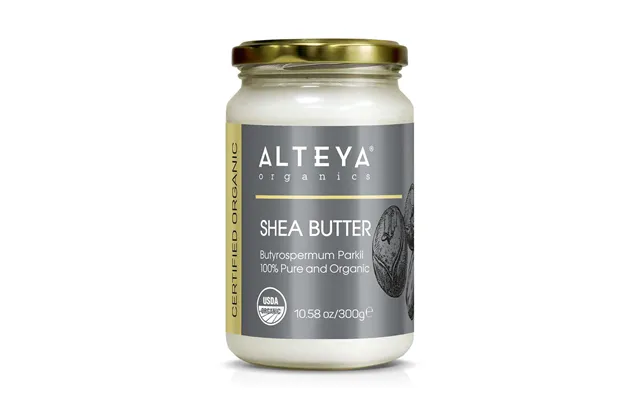
Still, Alteya does not rely only on romantic branding. Its range includes practical formulas for daily use, including cleansers, moisturizers, facial oils, masks, shampoos, conditioners, body lotions, and baby care. Rose is the signature, but the company also uses lavender, chamomile, aloe vera, calendula, shea butter, and other natural ingredients.
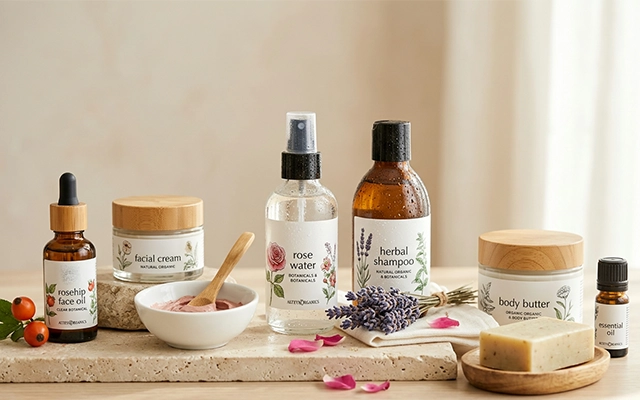
Alteya Organics offers several product families, allowing customers to build a complete personal care routine. The exact selection can change over time, but the main categories remain consistent. Each group reflects the company’s focus on natural formulas and botanical ingredients.
Skincare is the heart of Alteya’s US offering. Products commonly include facial cleansers, toners, creams, serums, oils, masks, and eye treatments. Many formulas feature rose water or rose oil, while others use ingredients such as lavender, frankincense, chamomile, and aloe.
For dry or sensitive skin, shoppers often look for gentle formulas with fewer harsh cleansing agents and strong synthetic fragrances. Alteya’s floral waters and soothing botanical products may appeal to that audience. People with oily or combination skin can explore lightweight serums, gel-like products, and balancing formulas.
However, “natural” does not automatically mean suitable for every person. Essential oils can irritate sensitive skin, especially when used in high concentrations. A patch test remains sensible, even when a product carries an organic label. Your skin has the final vote.
Rose water is one of Alteya’s most recognizable products. Shoppers use it as a facial mist, toner, post-cleansing step, or refreshing spray during the day. It can also add a light floral note to a skincare routine without the heavier feel of an oil.
These products are popular because they are simple. You spray, pat, and continue. They fit easily into a morning routine, a travel bag, or a warm afternoon when your skin needs a quick refresh. Some customers also use rose water in homemade beauty recipes, although proper hygiene and storage are important when mixing products at home.
Alteya extends its botanical approach into hair care and body care. Shampoos, conditioners, body washes, lotions, and soaps bring the brand’s floral identity beyond the face. These products can suit people who prefer a coordinated natural beauty routine instead of mixing several unrelated brands.
The company also offers baby and family-oriented products. These formulas are generally positioned around gentle plant ingredients and mild care. Parents should still read labels carefully, especially when buying products for newborns or children with eczema, allergies, or highly reactive skin.
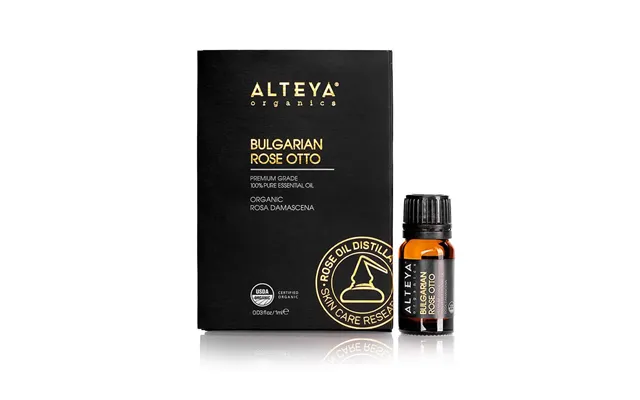
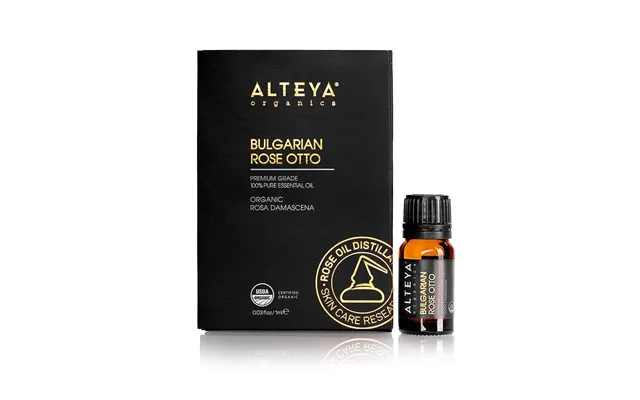
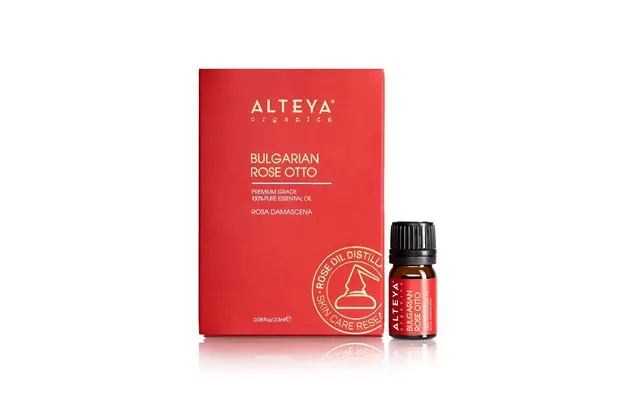
Essential oils form another important part of Alteya’s product range. Bulgarian rose, lavender, peppermint, and other oils may be used for personal fragrance, diffusion, massage blends, or home rituals. Their concentrated nature makes them versatile, but it also requires care.
Essential oils should not normally be applied directly to the skin without proper dilution. They should also be kept away from the eyes and stored out of reach of children and pets. The beauty of aromatherapy is its intensity; the same intensity calls for respect.
Alteya Organics places organic production at the center of its identity. Organic certification can help shoppers understand how certain ingredients were farmed and processed. It does not guarantee that every product will suit every skin type, but it provides a meaningful standard for agricultural and manufacturing practices.
The company highlights organic farming, natural ingredients, responsible production, and cruelty-free principles. It also promotes traceability, which means customers can learn more about where key ingredients originate. This is increasingly important in the US, where shoppers often want more than attractive packaging and vague claims.
Alteya’s approach is similar to a transparent kitchen. If you know where the vegetables came from and how the meal was prepared, you feel more confident taking the first bite. In skincare, traceable sourcing offers a comparable sense of reassurance.
Natural beauty shoppers often examine packaging as closely as ingredients. Glass bottles, recyclable materials, shipping boxes, and product size all influence a brand’s environmental footprint. Alteya’s use of bottles and jars varies across its range, so customers should check product details rather than assume every item uses the same packaging.
Sustainability is not a single feature. Organic farming, local sourcing, concentrated formulas, packaging choices, shipping distance, and manufacturing energy all play a role. Alteya’s Bulgarian production gives it a strong agricultural story, while US delivery adds the practical environmental question of transportation.
Weleda is one of the best-known natural skincare brands available in the United States. Like Alteya, it emphasizes plant ingredients, holistic beauty, and long-term relationships with growers. Weleda has a much broader global presence and a longer history, dating back to 1921.
Alteya differs through its strong Bulgarian rose identity. Weleda offers a wider range of botanical traditions and product lines, including facial care, body care, baby products, and medicinal-style preparations. If you want a familiar international brand with extensive US availability, Weleda may be easier to find in stores. If Bulgarian rose and farm-based storytelling attract you, Alteya feels more specialized.
Price can vary across both brands. Neither is positioned as a basic drugstore label. Weleda may offer more entry-level options through large retailers, while Alteya’s pricing reflects specialized floral ingredients, organic production, and imported goods.
Dr. Hauschka occupies a premium space in natural skincare. The German brand is known for botanical formulas, holistic skin care, facial oils, and a strong philosophy about supporting the skin’s natural processes. Its reputation in the US is well established, especially among customers who visit specialty beauty stores and spas.
Compared with Dr. Hauschka, Alteya often feels more centered on rose products and Bulgarian ingredients. Dr. Hauschka may appeal to shoppers seeking a luxury skincare ritual with a long-standing European heritage. Alteya can attract customers who want a more direct connection to organic farms and rose cultivation.
Both brands use aromatic plant ingredients, so fragrance-sensitive customers should review ingredient lists carefully. Premium natural skincare can still contain essential oils and fragrant extracts. “Plant-based” is not the same as “fragrance-free.”
Herbivore Botanicals represents a more modern, design-driven side of clean beauty. Its colorful packaging, Minimal presentation, and social media presence have made it popular with younger US consumers. The brand sells facial oils, masks, serums, cleansers, and body products using ingredients such as blue tansy, coconut, rose, and plant oils.
Alteya and Herbivore overlap in their use of botanical ingredients and attractive skincare rituals. The difference is in their strongest identity. Herbivore feels contemporary, urban, and trend-aware. Alteya feels agricultural, European, and rooted in Bulgarian rose culture.
Shoppers who value sleek shelf appeal may prefer Herbivore. Those who want organic farm heritage and rose-focused products may lean toward Alteya. Product performance depends on the individual formula and your skin, so comparing ingredients is more useful than comparing packaging alone.
Mountain Rose Herbs is a major US source for herbs, essential oils, teas, botanical ingredients, and DIY supplies. It appeals strongly to customers who make their own body care products, herbal blends, and aromatherapy formulas at home.
Alteya is different because it sells finished beauty products as well as selected botanical items. You can purchase a ready-to-use rose cream or facial mist without measuring ingredients or creating a formula. Mountain Rose Herbs offers more raw materials and educational resources for do-it-yourself customers.
In simple terms, Alteya is closer to a finished skincare brand, while Mountain Rose Herbs is closer to a botanical pantry. Both may appeal to natural living enthusiasts, but they serve different shopping missions.
Alteya’s main advantage is focus. Many clean beauty brands use rose as one ingredient among dozens. Alteya makes Bulgarian rose part of its central identity. That focus creates a stronger sense of place and gives customers a clear reason to remember the brand.
The company also combines farming and finished product development. This allows it to tell a more complete story, from flower fields to facial care. For shoppers who care about organic sourcing, that connection can feel more convincing than a product made from anonymous bulk ingredients.
Another advantage is product variety. A customer can begin with rose water, add a facial cream, try a body lotion, and explore essential oils later. This creates a natural path from a small first purchase to a wider routine.
Alteya may not have the same physical retail presence as larger US beauty brands. Customers who want to smell a product or test its texture before buying may find online shopping less convenient. Imported products can also face changing availability, shipping times, and pricing.
The floral scent may be another consideration. Rose is beautiful, but it is not universal. Some shoppers love a romantic fragrance, while others prefer unscented skincare. The brand’s botanical formulas may also contain essential oils that are not ideal for highly reactive skin.
Finally, organic skincare can cost more than conventional alternatives. Customers pay for certified ingredients, specialized farming, careful processing, and brand research. That does not make every product a good value for every person, but it explains why the price may sit above mass-market options.
Start with one product rather than replacing your entire routine overnight. A rose water mist or gentle cleanser can help you understand the brand’s texture and fragrance. If your skin responds well, you can add a moisturizer or serum.
Read the full ingredient list. Look for potential allergens, essential oils, nut oils, and fragrant extracts. If you have sensitive skin, test a small amount on the inner arm or along the jaw before applying a new product to your whole face.
Think about your main goal. Do you want hydration, a calming ritual, fragrance, body care, or a more complete organic skincare routine? A clear goal prevents impulse buying. Beautiful bottles can tempt you, but your skin usually needs fewer products than advertising suggests.
Alteya Organics is worth considering if you enjoy botanical skincare, Bulgarian rose products, organic sourcing, and European beauty traditions. It may be especially appealing to customers who want a brand with a visible connection to farming rather than a purely cosmetic identity.
It may not be the best match if you need fragrance-free formulas, very low prices, or widespread in-store testing. In that case, a dermatologist-recommended sensitive-skin brand or a basic drugstore moisturizer may serve you better.
The smartest choice depends on your priorities. Alteya does not need to be every shopper’s perfect brand. Its strength comes from serving people who value rose, plants, traceability, and a slower style of beauty.
Alteya Organics has grown from a Bulgarian organic producer into a recognizable name for natural skincare shoppers in the United States. Its history is built around the Valley of the Roses, family-led entrepreneurship, botanical farming, and the careful transformation of flowers into personal care products. Compared with Weleda, Dr. Hauschka, Herbivore Botanicals, and Mountain Rose Herbs, Alteya offers a particularly strong sense of origin. It feels less like a generic clean beauty label and more like an invitation to experience Bulgarian rose culture through everyday skincare. If that story, scent, and organic approach match your needs, Alteya could be a rewarding addition to your beauty shelf.