


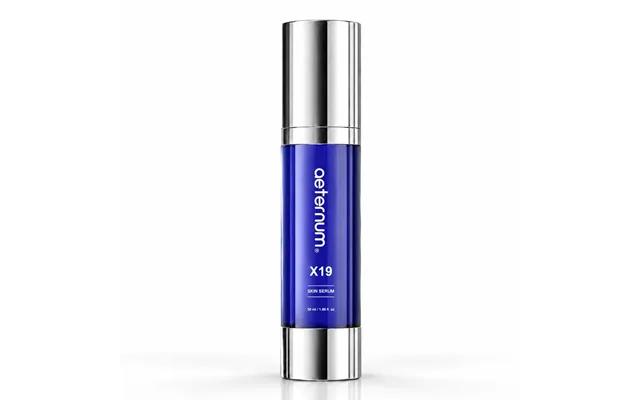
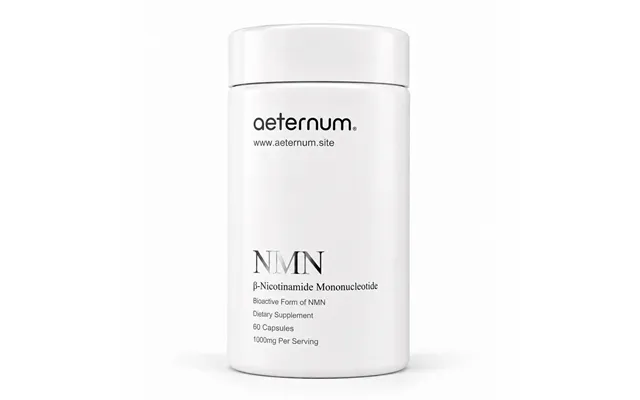

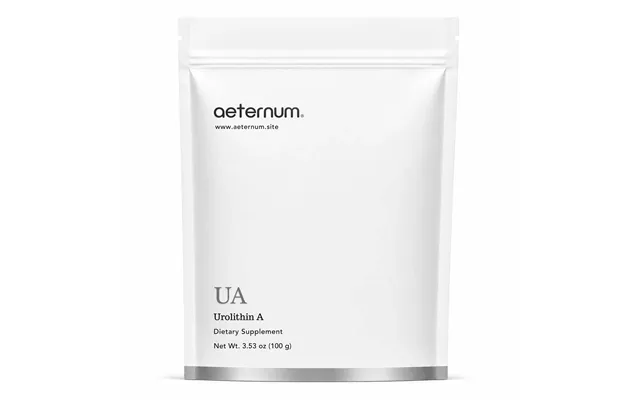
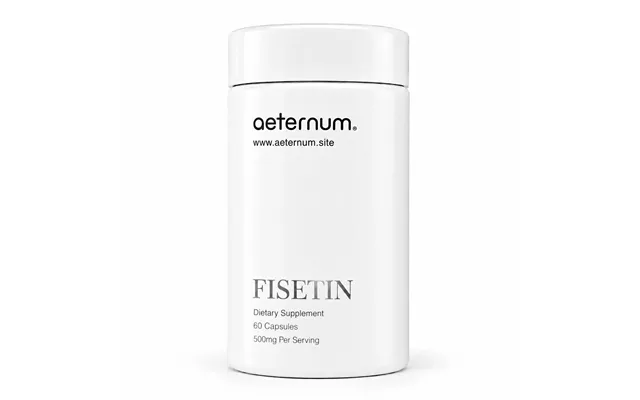
Aeternum price list
Last updated Saturday, Nov 28, 2026



| Store | Status | today | distance |
|---|
Loading...
Loading...
Last updated Saturday, Nov 28, 2026
Aeternum is a name that feels made for a long story. The word comes from Latin and means “forever” or “eternal.” In the United States, the store name has attracted attention from shoppers who are interested in distinctive products, modern design, and a shopping experience that feels different from a standard big-box retailer. Yet one detail matters from the start: Aeternum is not as widely documented as major US chains such as Nordstrom, Target, or Macy’s. Public information about its origins, ownership, and physical retail presence can vary by location and by the type of Aeternum store being discussed.
That makes the history of Aeternum worth exploring with care. Rather than repeating unverified claims, this article separates the brand idea from information that shoppers can reasonably confirm. It also explains where Aeternum may fit within the US retail market, how it compares with similar stores, and what customers should check before placing an order. If you have discovered Aeternum through social media, an online search, or a recommendation, you are not alone. Many modern stores build their reputation digitally before they become household names.
A store name can act like a sign above a door. It tells shoppers what sort of experience to expect. Aeternum suggests longevity, permanence, and products that are meant to outlast quick trends. That message is especially powerful in a market where consumers often feel surrounded by fast fashion, disposable goods, and endless product launches.
The name also gives the brand a refined and international tone. It sounds more distinctive than a plain descriptive name, and it can appeal to shoppers who want something polished, artistic, or premium. In branding terms, Aeternum creates an emotional promise: buy less carelessly, choose with intention, and look for value that continues after the first purchase.
However, a memorable name does not automatically prove a long retail history. Aeternum may be used by different businesses, collections, websites, or independent sellers. Shoppers should therefore confirm the exact store they are researching. The official website, business address, customer service details, return policy, and independent reviews can help establish whether a particular Aeternum operation is legitimate and active in the United States.
The public record surrounding Aeternum is less extensive than the history of established US retailers. Large companies often publish detailed timelines, founder biographies, press releases, and annual reports. Smaller or digitally focused stores may not. Their history can develop quietly through online sales, social media, private labels, and word-of-mouth recommendations.
For that reason, it is difficult to present one fixed founding date or a single nationwide expansion story without risking inaccuracies. A responsible account should not invent a founder, headquarters, warehouse network, or opening year. Instead, Aeternum is best understood as a less widely documented retail name whose identity depends on the specific business, product category, and sales channel involved.
This uncertainty does not mean the store lacks value. It simply means customers need to do more checking. In the digital age, a young online retailer can look as polished as a company that has traded for decades. A modern website is useful, but it is only one piece of the puzzle. Business registration information, secure payment options, clear contact details, transparent shipping terms, and consistent customer feedback all matter.
The history of US retail has changed dramatically. Earlier generations usually discovered stores through local streets, newspaper advertisements, printed catalogs, and recommendations from friends. Today, shoppers often find a brand through a short video, a search result, or an influencer post. Aeternum fits into this wider change if its main connection with American shoppers happens online.
Digital-first retailers can reach customers across the country without opening hundreds of stores. That lowers some costs and allows a brand to test new products quickly. It also creates challenges. Customers cannot touch an item, try on a garment, inspect materials, or speak face to face with a sales associate before purchasing. Clear photographs, accurate descriptions, sizing information, and responsive support become essential.
This model can make a store feel both global and local. A shopper in Texas may order from the same website as a shopper in New York, yet each customer experiences the brand through delivery time, packaging, returns, and customer service. Those practical details shape the real history of a retailer more than its logo does.
Aeternum appears best suited to a market segment that values individuality over mass appeal. The store name, visual identity, and concept suggest a focus on products with character. Depending on the exact catalog, that could include fashion, accessories, lifestyle goods, home items, beauty products, or curated merchandise. Shoppers are usually drawn to this type of retailer because it feels more personal than a huge marketplace.
US consumers increasingly search for products that reflect their identity. They may want a jacket that does not appear on every street, home décor that feels less generic, or gifts that look carefully selected rather than rushed. Independent and boutique-style stores benefit from this desire. They do not need to beat Amazon or Walmart on product volume. They need to offer a clear point of view.
That point of view is the heart of Aeternum’s potential. A successful boutique is like a good playlist: the individual choices matter, but the mood created by the whole collection matters even more. Product selection, photography, packaging, website design, and written descriptions should all tell the same story.
The idea of permanence also raises a useful question: does the product feel built to last? Shoppers should look beyond elegant branding. They should review fabric details, dimensions, care instructions, warranties, manufacturing information, and customer photographs when available. A premium price should come with a clear reason.
Not every Aeternum product must be expensive to be worthwhile. Value can come from thoughtful design, useful function, reliable materials, or a memorable customer experience. Still, the stronger the brand’s promise of lasting appeal, the more important it becomes for the products to support that promise.
Aeternum operates in a crowded US market. It competes not only with stores that sell similar products but also with online marketplaces, department stores, specialty boutiques, and direct-to-consumer brands. The comparison depends on what a shopper values most: price, selection, originality, convenience, trust, or service.
Amazon wins on scale, speed, and convenience. It offers an enormous range of products, familiar payment tools, extensive delivery options, and a large review system. If you need a common item quickly, Amazon is difficult to beat.
Aeternum’s possible advantage is curation. A smaller store can offer a more focused collection instead of placing millions of unrelated products on one screen. The experience may feel calmer and more considered. A shopper who cares about the story behind a product may prefer a specialist store over a giant marketplace.
The trade-off is trust and infrastructure. Amazon has a long-established customer service system and a recognizable return process. Aeternum must earn that confidence through clear policies, honest descriptions, safe checkout, and reliable communication. For an emerging store, every order is a chance to build or weaken its reputation.
Etsy is known for handmade items, vintage goods, creative products, and independent sellers. Its major strength is variety. Customers can discover unusual pieces that would rarely appear in a traditional department store.
Aeternum may appeal to a similar customer who wants originality, but the shopping structure can be different. Etsy is a marketplace made up of many separate sellers. Aeternum, where it operates as a unified store, can present one consistent visual identity, one set of policies, and one brand voice. That can make the experience easier to understand.
Etsy often provides stronger access to seller reviews and product-level feedback. Aeternum needs to provide comparable reassurance through its own testimonials, detailed product pages, and visible business information. Customers should also check whether an item is handmade, privately labeled, imported, or sourced from another supplier.
Nordstrom has a long US retail history and a reputation for service, fashion selection, and flexible shopping options. Customers may visit stores, buy online, collect orders, and return products through established channels. Its size gives it purchasing power and brand recognition.
Aeternum cannot compete with Nordstrom through store count or inventory depth. It can compete through focus. A smaller retailer may present a tighter collection with a more specific personality. It may also introduce products that feel less familiar or less widely distributed.
Nordstrom is often the safer choice for shoppers who want predictable service and access to recognized labels. Aeternum may be more appealing to shoppers who enjoy discovery and are willing to investigate a less established name. The right choice depends on whether certainty or originality matters more for that purchase.
Target and Walmart dominate convenience, affordability, and everyday access. Their stores are familiar, their logistics are powerful, and their product ranges cover many parts of daily life. They are designed for efficient shopping rather than a slow, immersive brand experience.
Aeternum may offer a very different rhythm. Instead of solving a long shopping list, customers may browse for something distinctive. The value is less about finding the lowest possible price and more about finding an item that feels carefully selected.
Price-sensitive shoppers may prefer Target or Walmart, especially for household basics. Shoppers seeking a more boutique atmosphere may choose Aeternum. Neither model is automatically better. They answer different needs, much like a supermarket and a farmers’ market can both serve the same community in different ways.
A store’s history is written through customer interactions. A beautifully designed site cannot replace a helpful answer when an order is late. A stylish product cannot erase a confusing return process. For Aeternum to grow in the US, customer experience must become one of its clearest strengths.
That begins with the product page. Customers need accurate measurements, materials, colors, care instructions, delivery estimates, and stock information. If the item may vary because it is handmade or naturally produced, the store should explain that before checkout. Clear information reduces disappointment and cuts down on avoidable returns.
Shipping also shapes perception. US shoppers have become accustomed to tracking updates and predictable delivery windows. A smaller store does not always need to offer free two-day shipping, but it should state what customers can expect. Silence creates anxiety. A short, honest update can protect trust.
Returns deserve equal attention. The policy should explain the return period, condition requirements, refund method, return shipping costs, and any excluded items. Customers should not have to search through several pages to find basic answers. A simple policy feels like an open door; a vague one feels like a locked gate.
Before purchasing from Aeternum, start with the store’s identity. Confirm the web address and look for a complete contact page. A business email is useful, but a physical mailing address and a working support channel provide stronger reassurance. Search for the company name alongside terms such as “reviews,” “returns,” and “customer service.”
Next, inspect the payment page. Secure checkout and familiar payment methods can reduce risk. Be cautious if a store demands unusual payment methods, pressures you with extreme countdown timers, or promises luxury products at prices that seem impossible. A discount can be real, but an unrealistic offer deserves questions.
Read independent reviews with balance. A few negative comments do not automatically make a retailer unreliable. What matters is the pattern and the company’s response. Does the store answer complaints? Does it explain delays? Do customers mention the same problem repeatedly? Look for detailed reviews rather than relying only on star ratings.
Finally, save your order confirmation, product description, tracking information, and communication with the store. These records help if you need a refund or must contact your payment provider. Smart shopping is not cynical. It is simply a way to keep control of the transaction.
The idea of “eternal” value naturally connects with sustainability. Many US shoppers now want to know where products are made, what materials they contain, how workers are treated, and whether packaging creates unnecessary waste. Aeternum can strengthen its position by answering these questions in plain language.
Responsible retail does not require vague claims. A store should explain specific actions, such as using recycled packaging, reducing excess materials, choosing durable fabrics, repairing products, or working with identifiable suppliers. Words like “eco-friendly” and “conscious” mean little without supporting details.
Customers also play a role. Buying fewer items, caring for them properly, and returning products only when necessary can reduce waste. A product that remains useful for years is often more sustainable than a cheap item replaced after one season. That is where Aeternum’s name can become more than decoration. It can become a standard the store works to meet.
Aeternum’s future depends on clarity, consistency, and trust. If the store wants to become a recognized US retailer, it will need a clear identity that customers can describe in one sentence. It will also need dependable fulfillment, visible policies, responsive support, and products that deliver what the brand promises.
Growth can take several forms. Aeternum might expand its online range, open temporary pop-up shops, partner with independent boutiques, or build a stronger community through social media and email. Physical events could help shoppers experience products in person, while digital storytelling could reach customers beyond major cities.
The biggest opportunity is not to imitate the largest retailers. Aeternum should avoid becoming another crowded catalog. Its advantage lies in being selective, memorable, and personal. In a market full of noise, a clear voice can travel far.
At the same time, transparency will remain essential. If public information about the store is limited, Aeternum should make its own story easier to find. A founder’s note, a company timeline, supplier information, and a straightforward explanation of its US operations would help customers understand the business. People like discovering new brands, but they also want to know who stands behind the checkout button.
Aeternum reflects a broader movement in American shopping. Consumers are not choosing only between “cheap” and “expensive.” They are also choosing between mass distribution and curation, speed and thoughtfulness, familiarity and discovery. Smaller stores can succeed when they understand those choices.
The brand name creates a strong starting point, but the real test is practical. Does Aeternum offer products worth remembering? Does it treat customers fairly? Does it communicate when something goes wrong? Does it make shopping feel more human? Those questions matter more than a dramatic origin story.
For shoppers, Aeternum may be an appealing alternative to large US retailers when originality and atmosphere matter. For the store, the challenge is to turn that appeal into lasting loyalty. The strongest brands do not ask customers to believe in them blindly. They provide enough evidence, care, and consistency that belief develops naturally.
Aeternum’s place in the US market is still best viewed as a developing story rather than a fully documented retail legacy. Its name suggests permanence, while its public profile appears more limited than that of major American chains. That contrast creates both a challenge and an opportunity. Aeternum can stand apart through careful curation, attractive design, transparent service, and products that offer real value beyond a quick trend. Compared with Amazon, Etsy, Nordstrom, Target, and Walmart, it is likely to appeal most to shoppers who prefer personality and discovery over sheer scale. Before buying, customers should verify the exact business, study its policies, and look for independent feedback. If Aeternum consistently delivers on its promise, it could turn an intriguing name into a trusted destination for US shoppers.