


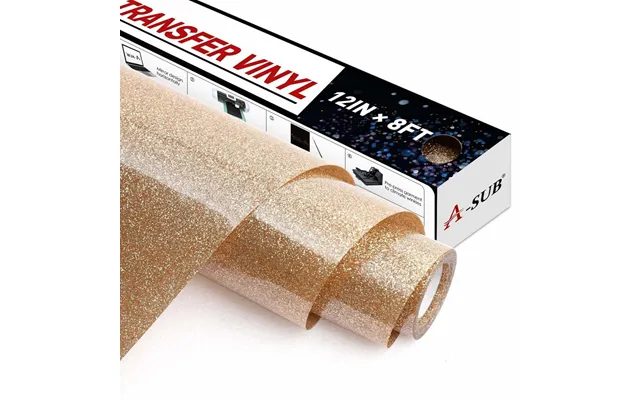
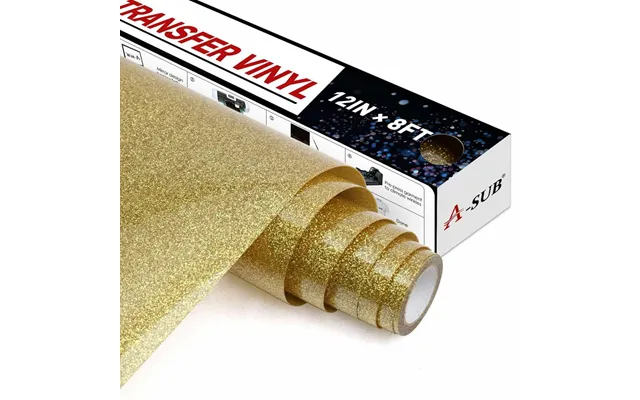
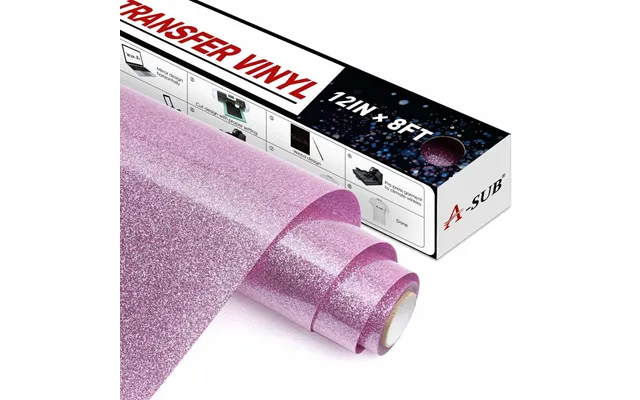
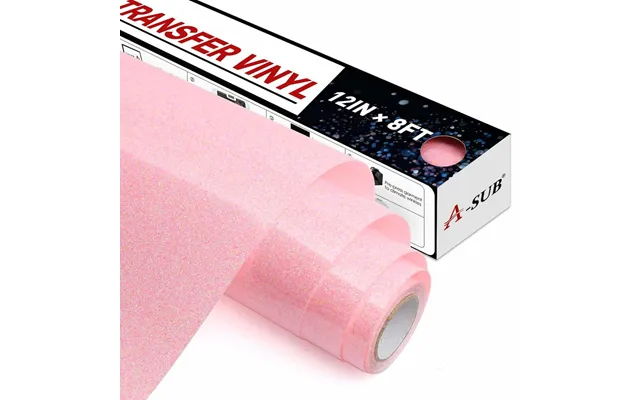
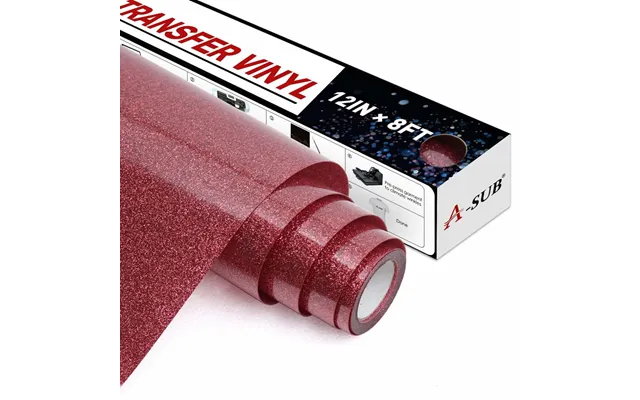
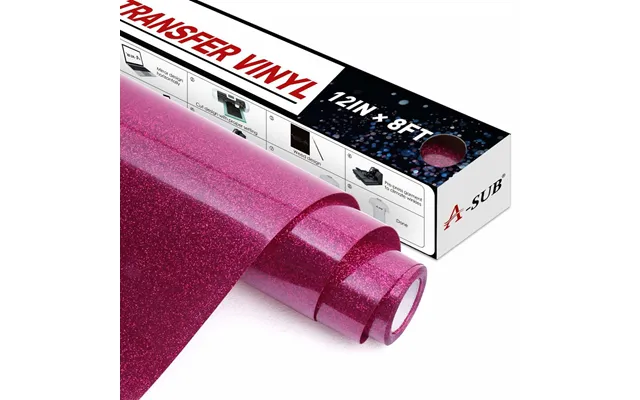
A-SUB price list
Last updated Saturday, Oct 17, 2026






| Store | Status | today | distance |
|---|
Loading...
Loading...
Last updated Saturday, Oct 17, 2026
A-SUB is a familiar name to many people who work with sublimation printing, heat-transfer projects, personalized gifts, and small-batch product design in the United States. The brand is best known for printable sublimation paper, heat-transfer paper, vinyl, and related materials used by makers, crafters, print shops, and online sellers. Yet A-SUB is more than a product label on a paper box. It represents a broader shift in American retail: the move from large commercial print businesses toward affordable, home-based, and creator-led production.
The story of A-SUB in the US is tied to the growth of digital crafting. As inkjet printers improved and heat presses became easier to buy, ordinary customers gained access to tools that once belonged mainly to professional shops. A person with a printer, a press, and a few blank shirts could start testing designs in a spare room. A-SUB entered that changing market with products aimed at making the process more approachable.
Its journey also shows how modern brands grow. Instead of relying only on traditional stores, A-SUB has reached shoppers through online marketplaces, direct digital marketing, product demonstrations, customer reviews, and creator communities. That approach fits the brand’s audience. Its customers often discover new printing techniques through videos, social platforms, search engines, and online tutorials rather than through a printed catalog.
So, where did A-SUB come from, how did it become visible in the American market, and how does it compare with brands such as Cricut, Siser, Neenah, and HTVRONT? Let’s take a closer look.
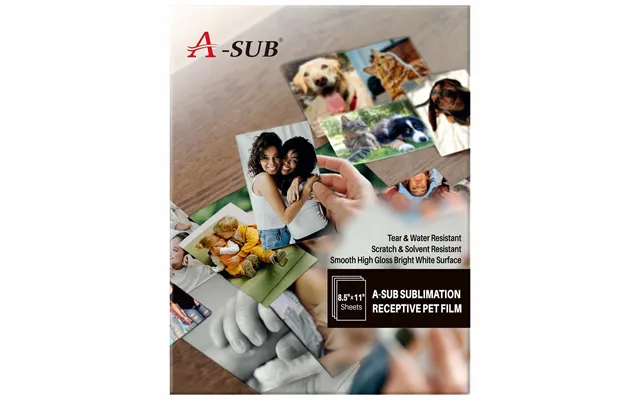
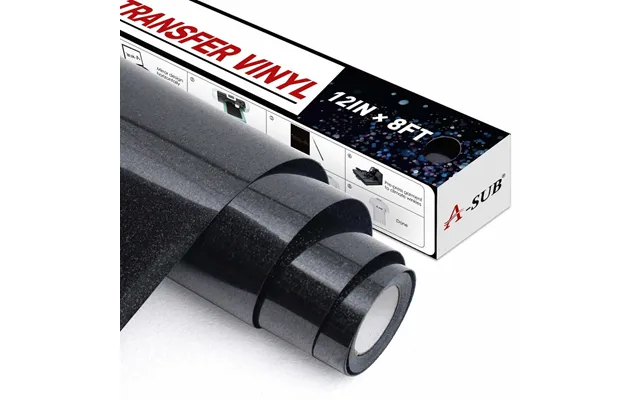
A-SUB is a printing-supply brand focused on materials for heat transfer and sublimation. Its product range commonly includes sublimation paper, heat-transfer paper for light and dark fabrics, printable heat-transfer vinyl, protective sheets, and other supplies used in garment decoration and personalized product work.
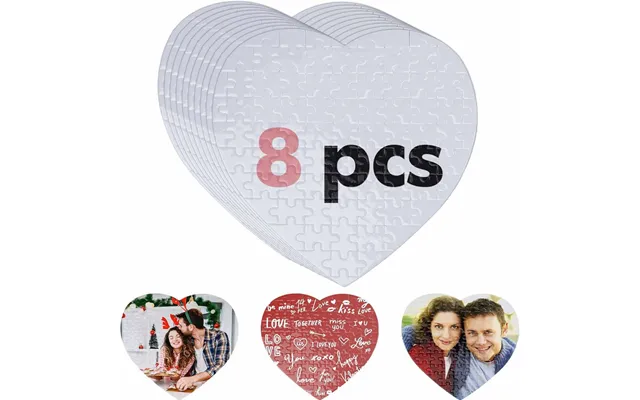
Sublimation is a printing method in which special ink turns into a gas under heat and bonds with a compatible surface. Polyester clothing, coated mugs, tumblers, phone cases, mouse pads, puzzles, and metal panels are common examples. Unlike ordinary transfer methods, sublimation can create bright, smooth designs that become part of the coated surface instead of sitting as a thick layer on top.
That technical detail matters. A-SUB does not mainly compete as a general office-paper company. It operates in a narrower but growing category where print quality, ink release, drying speed, color strength, and transfer consistency all influence the final result. A sheet that looks inexpensive may become costly if it wastes ink, smears during pressing, or produces dull colors.
A-SUB’s appeal comes from its practical focus. Many customers are not looking for a long list of advanced features. They want paper that feeds properly, holds ink, dries without trouble, and transfers a sharp image. The brand speaks to that need with products designed for real projects rather than only for industrial production lines.
This focus has helped A-SUB attract several types of buyers. Home crafters may use a small pack to make birthday shirts. Etsy sellers may purchase larger quantities for regular orders. Schools, clubs, sports teams, and local print businesses may use the materials for short production runs. The same basic paper can support a hobby on Saturday and a small business on Monday.
Public information about A-SUB’s exact founding date and early corporate milestones is limited compared with the history of older American brands. That is important to say clearly. A-SUB is not a century-old paper manufacturer with a widely documented American retail timeline. Its US presence developed during the internet era, when international manufacturers could introduce specialized products directly to American shoppers.
The brand’s growth appears closely linked to the rise of online commerce and accessible digital printing. Before that shift, customers often depended on local print shops or specialty suppliers. Buying transfer paper could mean visiting a craft store, ordering from a trade catalog, or purchasing a large commercial quantity. Online retail changed the equation. Customers could compare product sizes, read reviews, watch demonstrations, and order a small pack from home.
A-SUB benefited from this new buying habit. Its products became easier to find through major online shopping platforms and search results related to sublimation printing. The brand did not need a large chain of physical stores to reach the whole country. A product page, clear packaging, customer feedback, and dependable shipping could do much of the work.
The timing was strong because several trends arrived at once. Affordable desktop printers made experimentation less expensive. Heat presses became available in many sizes and price ranges. Blank mugs, shirts, tumblers, and decorations became common online. At the same time, social media encouraged people to sell personalized goods and share project ideas.
A-SUB entered a market that was already moving from professional equipment toward creator-friendly tools. Think of it as a bridge. On one side stood traditional commercial printing. On the other stood a growing community of home users. A-SUB’s materials helped more people cross that bridge without making a major investment.
Sublimation printing has become especially popular in the US because it suits personalization. Customers rarely want only mass-produced designs now. They want names, photos, team logos, inside jokes, wedding dates, and small details that make an item feel personal. Sublimation supports that demand because each item can carry a different image without requiring a costly screen setup.
A-SUB’s paper products fit this workflow. A user can create a design on a computer, print it with compatible sublimation ink, place the transfer on a prepared blank, and apply heat. The method still requires practice, but it feels manageable. That sense of control is one reason the technique has spread through home studios and small online shops.
The brand also became part of a wider learning ecosystem. Customers exchange settings, pressing times, temperature suggestions, printer tips, and troubleshooting advice in online groups. Although paper is only one part of the process, it affects many stages. Good paper can help produce cleaner transfers, while the wrong paper may create fading, ghosting, bleeding, or uneven coverage.
One of the most interesting parts of A-SUB’s US story is the way its products serve both beginners and entrepreneurs. A beginner may buy a small package while learning how sublimation works. A growing seller may order bulk packs and use the same type of paper every day. This creates a natural path from experimentation to production.
That path reflects the wider maker economy. Many US businesses begin at a kitchen table, in a garage, or in a small bedroom studio. The owner may sell through an online marketplace, social media, a local event, or word of mouth. Low-cost consumables make it possible to test a business idea without renting a storefront. A-SUB belongs to that practical, flexible side of the market.
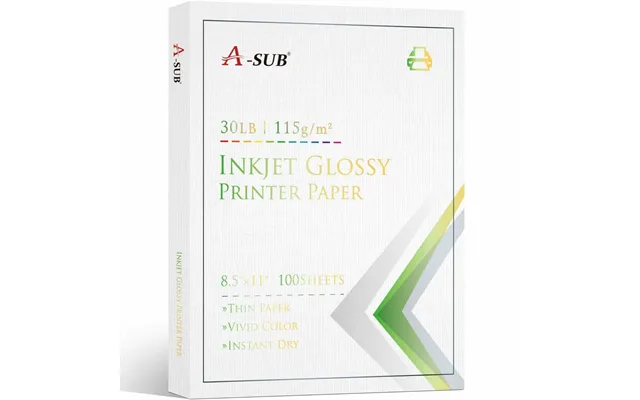
A-SUB sublimation paper is generally used with sublimation printers and compatible dye-sublimation ink. It is designed to transfer printed artwork onto polyester fabric or specially coated hard goods. Users often choose it for shirts, flags, tote bags, mugs, tumblers, coasters, keychains, ornaments, signs, and promotional products.
Its heat-transfer paper products serve a different purpose. Depending on the type, they may be used with ordinary inkjet printers and cotton or cotton-blend garments. Heat-transfer paper creates a surface layer that carries the image onto the fabric. It is useful when a user wants to decorate a cotton shirt, while sublimation is usually better suited to polyester or coated items.
The difference between these materials can confuse beginners. The choice is not simply about which paper costs less. It depends on the printer, ink, fabric, blank product, design, and desired feel. A-SUB’s broad product range gives users more options, but customers must still match the material to the project.
Buyers commonly judge transfer paper by color accuracy, drying time, sheet thickness, feeding performance, transfer release, and final image sharpness. They also care about size options and pack quantity. A small creator may want letter-size sheets, while a larger shop may need larger formats or bulk packaging.
Packaging and instructions matter too. A clear product label can prevent a costly mistake, especially when a customer is choosing between sublimation paper and inkjet heat-transfer paper. In this market, a few missing details can lead to failed shirts and wasted blanks. Brands that explain compatibility clearly earn trust faster.
Cricut is one of the strongest names in the US craft market. The company is widely associated with cutting machines, design software, smart materials, and beginner-friendly project systems. Cricut has built a powerful lifestyle brand around crafting, while A-SUB is more focused on printable transfer materials.
The biggest difference is the business model. Cricut sells an integrated ecosystem. A customer may buy a machine, use the company’s software, choose branded materials, and follow guided projects. A-SUB generally works as a more open supply brand. Its paper and transfer products can fit into workflows that use equipment from many manufacturers.
Cricut may be the stronger choice for someone who wants a guided cutting experience and a broad craft community. A-SUB may appeal more to users who already own a printer and heat press and simply need reliable transfer media. One brand is like a complete workshop system. The other is more like a specialized tool on the workbench.
Siser has a long-standing reputation in heat-transfer vinyl and garment decoration. Its products are widely used by hobbyists and professionals, and its brand is strongly connected with cut vinyl, easy-to-weed materials, and apparel customization. Siser also offers printable products, making it a direct or partial competitor to A-SUB in some projects.
Siser often has an advantage in brand recognition among vinyl users and in the depth of its garment-decoration range. Customers who want many types of colored, glitter, metallic, stretch, or specialty vinyl may naturally look to Siser. A-SUB, by contrast, is often considered when the project centers on printable transfer paper or sublimation materials.
Price can vary by product, pack size, retailer, and promotion. A-SUB may attract buyers who want a cost-conscious option for regular printing. Siser may attract customers who value a familiar professional brand and specialized vinyl performance. Neither is automatically best for every project. The right choice depends on whether the design will be printed, cut, layered, stretched, or sublimated.
Neenah is a major name in specialty paper and transfer media. Its products are often viewed as premium options, particularly by users who care about consistent garment transfers and established technical support. Neenah has a stronger identity in professional and commercial paper markets than A-SUB.
Compared with Neenah, A-SUB may be more attractive to home users and small businesses watching material costs. Its online availability and approachable product range make it easy for beginners to try different methods. Neenah can be appealing when a shop needs a well-known product with detailed application guidance and a long history in specialty media.
In simple terms, A-SUB often competes through accessibility and value, while Neenah competes through reputation, technical development, and professional confidence. Both can have a place in the same studio. A user might choose one for everyday practice and another for premium customer orders.
HTVRONT is a newer, highly visible competitor in the US craft-supply market. Like A-SUB, it has gained attention through online sales, creator content, competitive pricing, and a wide product selection. HTVRONT sells heat-transfer vinyl, transfer paper, sublimation supplies, cutting tools, heat presses, and other equipment.
The two brands share a digital-first style. Both speak to home crafters and small businesses that want affordable tools without visiting a trade supplier. Both also benefit from marketplace reviews and social media demonstrations. This makes them direct rivals for customers who compare product features quickly on a phone.
HTVRONT may stand out for its broader equipment ecosystem, especially for customers who want to buy a heat press or cutting machine alongside consumables. A-SUB’s strength is its focused presence in printing and transfer media. If the shopper needs paper first, A-SUB can be a straightforward choice. If the shopper wants a full collection of tools, HTVRONT may appear more convenient.
A-SUB’s competitive position comes from several simple advantages. First, it serves a clear use case. Customers know they are looking for sublimation paper or printable transfer material. Second, the products are easy to order online. Third, the brand reaches buyers who may not need an expensive commercial supplier.
Its pricing strategy also matters. Printing supplies are repeat purchases. A customer may buy a pack once, but a small apparel shop can buy many packs over a year. A reasonable price becomes more important when every shirt, mug, or tote carries a material cost.
Choice is another advantage. Different users need different sheet sizes, paper weights, and transfer types. A broad catalog gives customers room to grow. They can begin with a basic product, test their printer and press, and later select a material better suited to higher-volume work.
The brand operates in a competitive category where customer expectations are high. Results depend on the complete setup, not paper alone. Printer settings, ink quality, blank coatings, pressure, temperature, moisture, and cooling methods all affect the final product. When a transfer fails, users may blame the paper even when another part of the process caused the problem.
That is why instructions, compatibility information, and customer support remain important. A brand can win a first purchase with a low price, but it earns repeat business through predictable results. A-SUB’s future strength in the US will depend not only on distribution, but also on helping users understand how to get the best performance from each product.
Start with the project rather than the brand name. Are you printing on polyester? Sublimation paper may be suitable. Are you decorating a cotton shirt with an ordinary inkjet printer? You may need inkjet heat-transfer paper instead. Are you cutting letters from colored vinyl? A printable paper product may not be the right tool at all.
Next, check equipment compatibility. Read the printer requirements, ink recommendations, garment instructions, and pressing guidance. A product that works well in one setup may behave differently in another. A test print can save time and money, especially when the blank product is expensive.
Finally, compare total value. Look beyond the package price. Consider the number of usable sheets, shipping, failed transfers, color performance, and the time required to troubleshoot. The cheapest pack is not always the least expensive option. In production, consistency often beats a small saving at checkout.
The US market for personalized products continues to offer room for growth. People want custom clothing, event decorations, business merchandise, team items, and gifts. Online selling also makes it easier for small creators to reach buyers outside their local area. These conditions support continued demand for transfer paper and sublimation supplies.
At the same time, competition will keep increasing. Customers now expect fast shipping, clear instructions, dependable quality, and useful content. Brands must do more than place a product online. They need to teach, demonstrate, answer questions, and respond to changing equipment trends.
A-SUB is well positioned if it continues to focus on practical materials while improving education and consistency. Its history in the US reflects the rise of accessible digital making. Its next chapter will likely depend on how well it serves both new crafters and serious small businesses.
A-SUB has grown in the United States during a powerful change in the way people print and sell customized goods. Its exact early corporate history may not be as widely documented as that of older paper companies, but its market role is clear. The brand helped make transfer and sublimation supplies easier for everyday users to find and afford. Compared with Cricut, Siser, Neenah, and HTVRONT, A-SUB stands out as a focused, online-friendly option for printable transfer media. For a home crafter or small print business, that combination of access, choice, and value can be the difference between simply having an idea and turning it into a finished product.