

Lathes price list
Last updated Monday, Nov 2, 2026





View 12 Offers
Loading...
Last updated Monday, Nov 2, 2026
A lathe can look like a simple machine, but it acts like a steady hand with a motor behind it. As the workpiece spins, cutting tools shape it into a precise form. That makes lathes useful for metalworking, woodworking, modelmaking, repairs, prototyping, and custom parts.
The reference listings include custom CNC turning and milling services, internal threading tools, knurled rollers, and a compact XENDOLL mini lathe. These products serve different purposes, so the best choice depends on whether you need a finished part, a replacement cutting tool, a machining component, or a complete machine for hands-on work.
ZoneOffer is a comparison site, not a store. Its role is to help you review listed products and compare options. Before making a purchase, check the current listing details, seller information, specifications, and final price shown on the relevant marketplace.
A lathe holds a piece of material while it rotates around a central axis. A cutting tool then removes material to create shapes such as cylinders, grooves, threads, tapers, and rounded surfaces. Think of it as a controlled conversation between motion and precision: the workpiece turns, while the tool guides the final shape.
Traditional lathes may rely heavily on the operator’s hands and judgment. CNC lathes use computer-controlled movements to repeat programmed operations. Mini lathes sit between convenience and capability, offering a compact way to explore turning, modelmaking, and small projects.
Not every listing in a lathe category is a complete machine. Some are tools or services intended to support machining work. That distinction matters because buying a cutter when you need a full lathe would be like buying a paintbrush when you need an entire workshop.
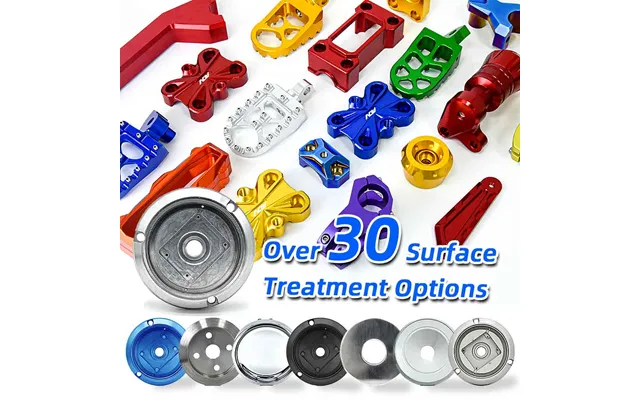
One listing focuses on customized CNC lathe work for small parts, brass custom parts, metal hardware, ABS material, drilling, turning, milling, and related 3D model work. This type of offering may suit someone who needs a part produced rather than someone who wants to operate a lathe personally.
A service-based option can be useful when you have a design but lack the machinery, tooling, time, or experience to manufacture it yourself. It may also help with prototypes and unusual shapes. However, you should review the listing carefully to understand what files, drawings, materials, tolerances, and finishing requirements are accepted.
The listed price for this offer is shown as 0.70. The reference data does not specify the full scope represented by that figure, so treat it as the displayed comparison price rather than assuming it covers an entire production order. The listing also mentions exclusive perks of up to 500 off, but the conditions should be checked directly before relying on that statement.
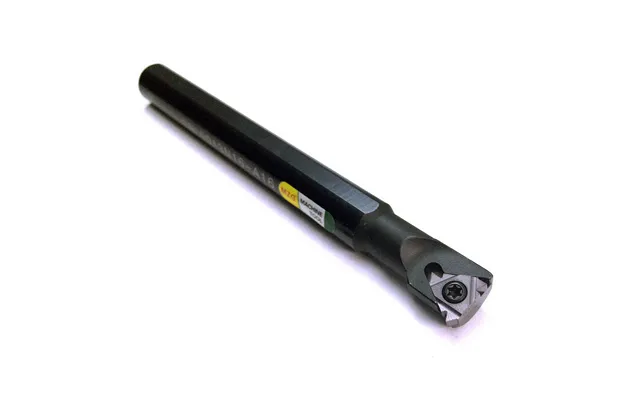
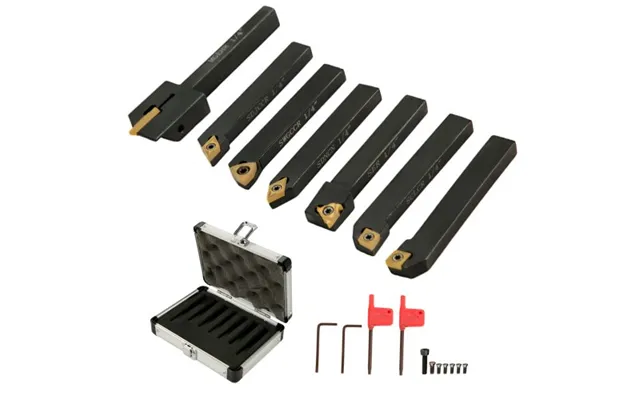
The Maifix SNL0013N16-A16 listing describes small-diameter internal threaded inserts and a CNC lathe cutter or boring bar for threading and turning. This is a tooling-focused product, not a complete lathe.
Internal threading tools work inside a drilled or bored opening. They are useful when the goal is to create or refine threads within a part. Choosing this type of tool requires attention to compatibility, the required thread form, the size of the opening, tool access, and the machine’s ability to control the cutting process.
The listed price for the Maifix tool is 6.12. Because the reference data does not provide a complete technical compatibility chart, confirm the holder, insert style, intended material, and supported operations before ordering.
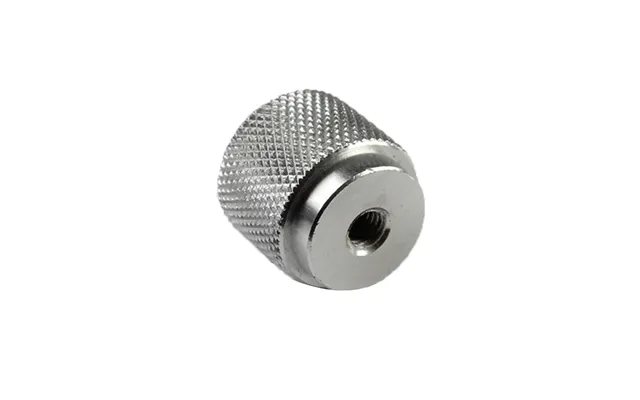
Another listing features knurled rollers for CNC lathe turning, grinding, round parts, and small grinding or machining applications. Knurling creates a textured pattern on a surface. That pattern can improve grip and add a distinctive finish to handles, knobs, and other round components.
Knurled rollers are not the same as a complete lathe. They are components used in a machining setup, and their usefulness depends on the machine, holder, workpiece, and desired pattern. If you are comparing this listing with a mini lathe, remember that you are comparing an accessory or machining part with a powered machine.
The displayed price for the knurled rollers is 0.01. The reference data does not explain whether this figure represents a complete item, a starting value, or a marketplace display price. Review the live listing carefully for quantity, dimensions, material, and configuration.
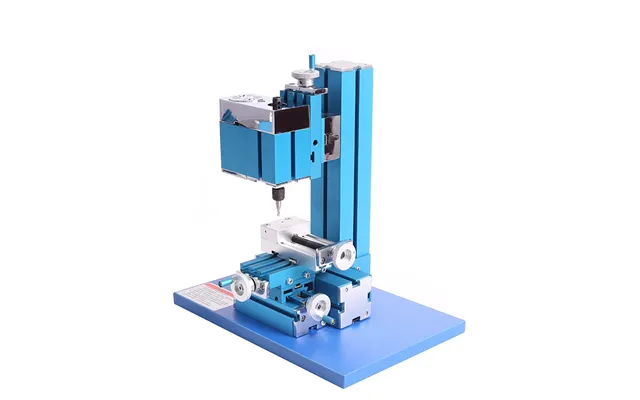
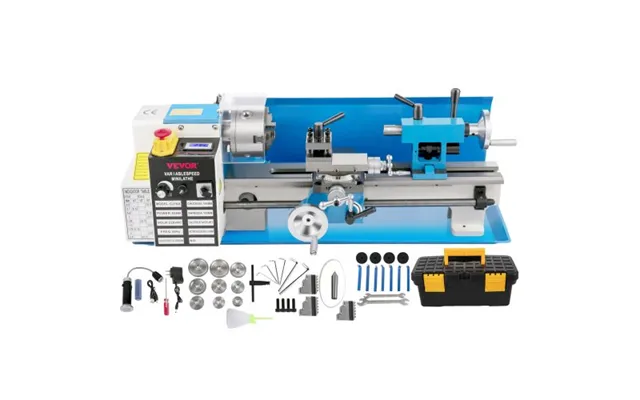
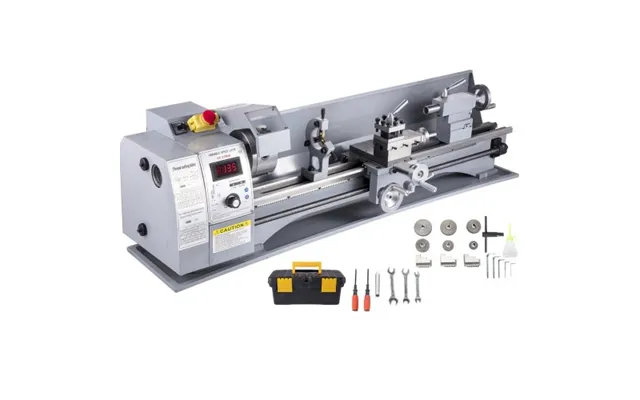
The XENDOLL W104MB is the only clearly identified complete machine among the listed products. It is described as a mini wood lathe and metal rotating lathe intended for DIY work, modelmaking, education, and small-scale metalworking applications.
The listing describes a metal construction that includes the headstock, intermediate block, connecting block, vice, larger and smaller sliders, hand wheel, and base. It also describes a motorized design and a compact workholding setup intended for round, square, and irregular objects within the stated capacity.
The machine is listed at 319.99. The description says it includes a transformer and presents the machine as suitable for hobbyists, modelmakers, schools, science and technology activity spaces, and guided child-focused educational use. Children should not operate machinery independently; adult supervision and appropriate safety procedures are essential.
Start with the job, not the product name. Do you need to manufacture a custom part, cut internal threads, create a textured surface, or operate a complete machine? Once you answer that question, the comparison becomes much easier.
If you need a finished component and do not own a lathe, the custom CNC service may be the most relevant option. If you already have compatible equipment and need to produce internal threads, the Maifix insert and boring tool may deserve closer attention. If surface texture is your priority, the knurled roller listing may be more appropriate.
If you want to learn turning or complete small DIY projects, the XENDOLL mini lathe is the most machine-oriented choice in the reference data. It offers a compact platform rather than a single-purpose cutting accessory. Still, you should compare its intended applications with the materials and projects you have in mind.
Mini lathes appeal to people who want a smaller entry point into machining. They can be easier to place in a workshop, classroom, hobby area, or modelmaking space than a full-size industrial machine. Their compact format also encourages experimentation with small components.
The XENDOLL listing describes a machine that can be used for woodturning and metal-related projects. It also states that the machine can be configured for end milling or horizontal milling, giving it more than one intended working arrangement.
That flexibility can be valuable, but versatility is not the same as unlimited capability. A compact machine is best matched with appropriately sized projects and carefully selected materials. Before starting, consider the workpiece shape, tool type, clamping method, cutting speed, and the level of precision you actually need.
Look for clear information about the motor, spindle, chuck, vise, sliders, tool compatibility, and included accessories. The XENDOLL description lists a 60-watt motor, a maximum motor speed of 20,000 revolutions per minute, a spindle speed of 3,000 revolutions per minute, and a stated spindle runout figure. These details come from the supplied listing and should be verified against the current product page.
The same description lists several chuck sizes and milling cutter sizes, as well as a vise designed to hold round, square, and irregular objects. These details can help you judge whether the machine suits your projects, but compatibility should always be confirmed before purchasing additional tooling.
Safety is not an optional accessory. Rotating machinery can catch loose clothing, hair, jewelry, rags, or gloves. Keep the work area clear, secure the material properly, and make sure tools are positioned safely before starting the machine.
Wear suitable eye protection. The XENDOLL listing specifically says to wear goggles during use. Eye protection helps guard against chips and debris, but it does not replace careful setup, proper clamping, or good workshop habits.
Inspect the machine before every session. Check that the workpiece is secure, the cutting tool is correctly positioned, and the rotating path is clear. Start at a cautious setting and observe how the material behaves. If the machine vibrates, chatters, slips, or produces an unexpected sound, stop and investigate rather than forcing the cut.
Children require direct adult guidance around this type of equipment. The listing presents the XENDOLL machine as an educational and hobby tool, but that does not make it a toy. A responsible adult should control the setup, supervision, and operating conditions.
The listings reference brass, metal hardware, ABS material, wood, and custom parts. Each material behaves differently during cutting. Wood can produce dust and chips, while metals may create sharp fragments and generate heat. ABS and other plastics can melt or deform if the cutting conditions are unsuitable.
Match the tool to the material and operation. A tool intended for internal threading is not automatically the right choice for general facing or external turning. Likewise, a knurling component is designed around surface patterning rather than ordinary material removal.
For custom CNC work, provide accurate design information. A service provider may need a drawing, model, material choice, quantity, and finish requirements. Clear instructions reduce the risk of receiving a part that looks close but does not fit the intended assembly.
The reference data shows large differences between the displayed prices: 0.01 for the knurled roller listing, 0.70 for the custom CNC service listing, 6.12 for the Maifix threading tool, and 319.99 for the XENDOLL mini lathe. These figures should not be compared as if the products were interchangeable because they represent different product types and possibly different listing structures.
A low displayed figure may refer to a starting option, a component, a service variation, or another marketplace format. The supplied data does not provide enough information to interpret every price in detail. Always examine the product page for quantity, configuration, options, and any additional information shown before making a decision.
Both named marketplace sources in the reference data should be treated as listing destinations rather than proof that every option has the same terms. ZoneOffer helps compare what is shown, but it does not operate these marketplaces or sell the products itself.
Good maintenance keeps a machine predictable. After use, remove chips and dust from the work area. Keep sliding surfaces clean, inspect fasteners, and check that moving parts operate smoothly. Follow the manufacturer’s instructions for lubrication and adjustments rather than applying products randomly.
Tool condition matters too. A dull or damaged cutter can increase vibration and make the machine harder to control. Examine inserts, boring tools, rollers, and cutters before use. Replace or adjust components when they no longer produce a clean, controlled result.
Storage also affects performance. Protect the machine and tooling from moisture, impact, and contamination. Keep small inserts and accessories organized so that you can identify the correct component before beginning a project.
The custom CNC service is best considered when you need a made-to-order part or prototype and do not want to operate the machinery yourself. It may also suit projects involving turning, milling, drilling, metal hardware, brass, or ABS material, subject to the provider’s current capabilities.
The Maifix product is aimed at internal threading and boring work. It makes the most sense for someone who already has a compatible CNC lathe or machining setup and understands the tooling requirements.
The knurled roller listing is relevant to textured round surfaces and small machining operations. It may be useful as part of a broader setup, but it should not be mistaken for a standalone lathe.
The XENDOLL W104MB is the strongest fit for someone seeking a compact powered machine for DIY, modelmaking, education, woodturning, or small metalworking projects. Its listed features suggest flexibility, but the final choice should be based on your project size, material, skill level, workspace, and safety plan.
Choosing a lathe becomes simpler when you separate complete machines from services, cutters, and machining components. The reference options cover several needs, from custom CNC production and internal threading to knurling and compact hands-on turning. Compare the intended use, compatibility, safety requirements, and live listing details before deciding. With the right match, a lathe can become the workshop equivalent of a precision compass: steady, versatile, and capable of turning an idea into a real part.